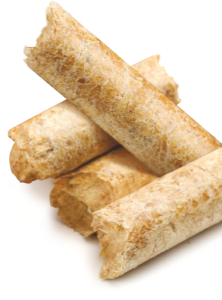


Top Tofu Cat Litter Production Line Manufacturer for 2026
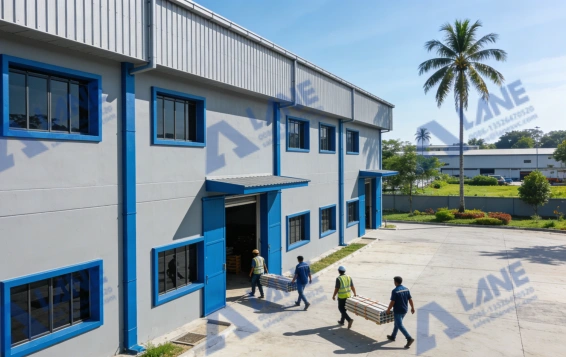
If you plan to formally enter the tofu cat litter market, the most critical decision that determines overall success is choosing the right manufacturer for your production line. Packaging and logistics are secondary — production equipment is the core. A wrong choice of machinery will leave your project struggling right from the start.
The global demand for plant-based cat litter has grown faster than most people in the industry expected. Tofu cat litter, made from soybean residue or pea fiber, has become a mainstream product across Europe, North America, and East Asia. Factories that were producing 5 tons a day three years ago are now scrambling to hit 20 or 30. That kind of scale requires a serious, purpose-built tofu cat litter production line — and finding the right tofu cat litter production line manufacturer to build it isn’t as simple as running a quick search.
What Separates a Good Manufacturer from a Great One
In my experience working with equipment sourcing across industrial sectors, the gap between a mediocre supplier and a genuinely capable tofu cat litter production line manufacturer almost always comes down to three things: process understanding, customization depth, and post-sale engineering support.
A lot of vendors can sell you a machine. Far fewer understand the full soybean pulp drying, granulating, screening, and packaging workflow well enough to engineer a cohesive tofu cat litter production line that actually runs at rated capacity.
The production process is of vital importance. Raw soybean dregs and pea fiber delivered to the plant have uneven moisture content. Such variations must be controlled from the very first procedure, otherwise all subsequent processes will be adversely affected. Equipment manufacturers that lack experience handling unstable raw material properties and simply adopt standard granulation line designs will fail to meet your production requirements.
Core Equipment in a Tofu Cat Litter Production Line
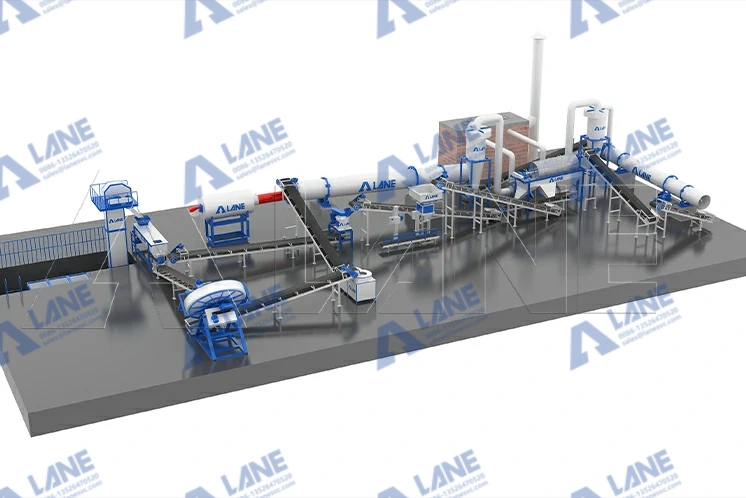
Let me walk you through what a complete, professional tofu cat litter machine setup actually looks like. Each piece serves a distinct function.
- Rotary drum dryer: Handles the initial moisture reduction of raw soybean or pea fiber feedstock. Getting this stage right is non-negotiable — target moisture content heading into granulation is typically 12–18%.
- Twin-screw extruder or pellet mill: This is the heart of a tofu cat litter machine. It compresses and forms the wet material into cylindrical granules. Screw configuration and die hole diameter directly control granule size and density.
- Rotary drum cooler: After extrusion, granules exit hot. The cooler brings temperature down fast enough to prevent deformation and surface cracking.
- Vibrating screen: Grades granules by size, separating fines and oversized pieces for reprocessing. Critical for product consistency.
- Belt conveyor system: Moves material between stations. Simple, yes — but poorly designed conveyor layouts are a surprisingly common source of production bottlenecks.
- Dust collector: Tofu cat litter production generates fine particulate. A properly rated bag filter protects workers and keeps the line compliant with environmental standards.
- Automatic packaging machine: Final stage. Weight accuracy and sealing quality directly affect customer perception at retail.
The configuration above represents a mid-capacity line. Larger operations might add a secondary screening stage or an inline coating drum for scent treatment.
What I’ve Seen in the Field
From what I’ve seen visiting production facilities across China and Southeast Asia, the factories that perform best long-term are those that invested in a tofu cat litter production line manufacturer with genuine granulation expertise — not just sheet metal fabrication ability.
One thing that catches buyers off guard: tofu cat litter granules are fragile compared to clay or silica gel litter. Post-cooling hardness matters enormously for packaging and shelf life. A manufacturer who understands that will engineer appropriate cooling time and exit temperature specs into the line design. One who doesn’t will hand you a tofu cat litter machine that produces granules that crumble in transit. I’ve seen both.
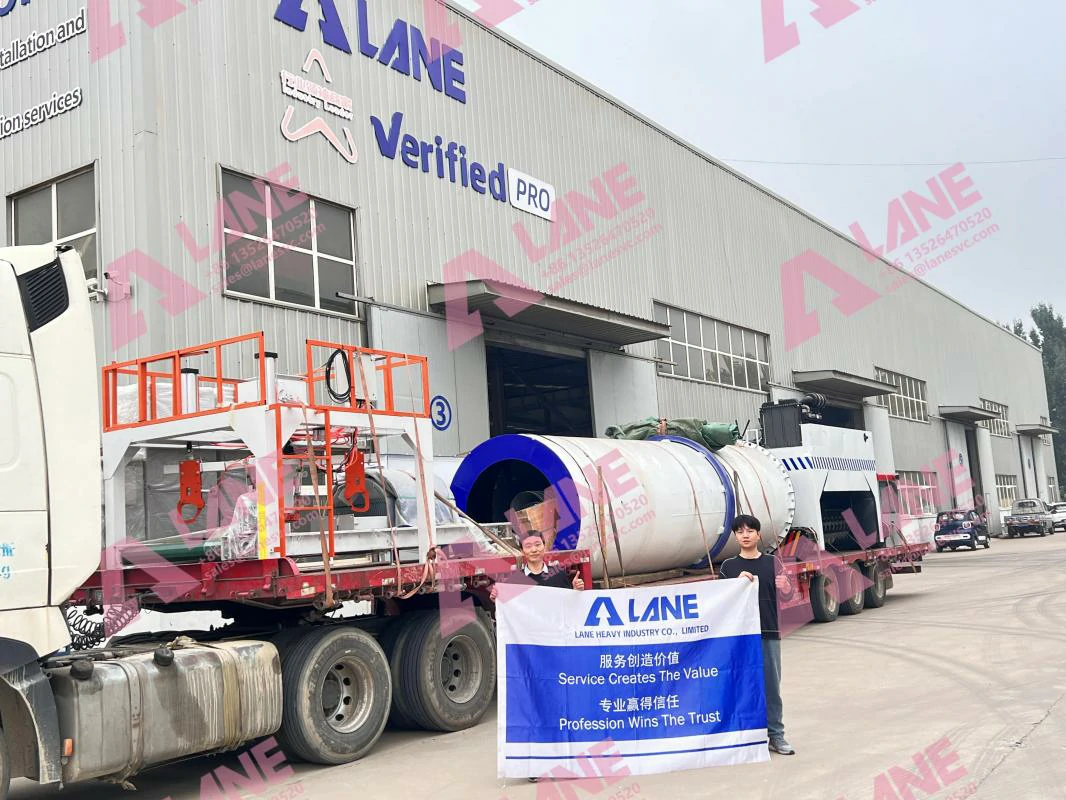
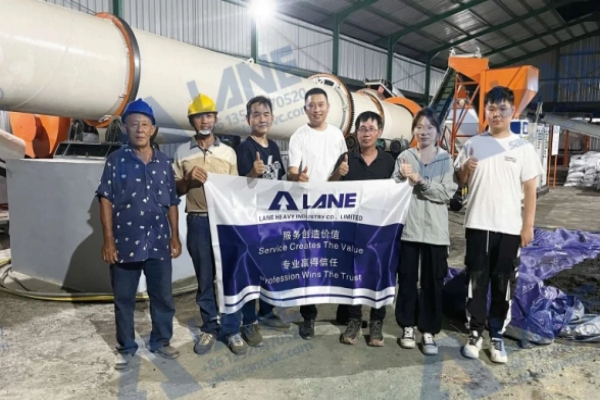
Some manufacturers with a broader agricultural and biomass equipment background bring real value here. Companies like LANE, which specializes in large-scale fertilizer production equipment including rotary drum systems and pelletizing lines, have engineering foundations that translate well into tofu litter line design. That kind of cross-sector mechanical depth isn’t something you find everywhere.
How to Evaluate a Tofu Cat Litter Production Line Manufacturer
When you’re shortlisting suppliers, push past the brochures. Ask for reference installations at operating factories with contact details. Request actual throughput test data, not just rated capacity figures. Check spare parts lead times and in-country service availability. And find out about customization track record — has this tofu cat litter production line manufacturer adapted lines for non-standard feedstocks before?
A credible manufacturer will answer these questions without hesitation. The ones who get evasive or pivot to marketing language? Walk away.
Also, think carefully about scale. A manufacturer who builds lines for 500 kg/hour operations may not have the engineering experience to design a 5 t/hour system with the same reliability. Ask directly about their largest installed line and the results it’s delivering. Any tofu cat litter machine supplier worth considering should be able to point you to real, running facilities.
Final Thoughts and Next Steps
The tofu cat litter market in 2026 rewards producers who move fast without sacrificing quality. That equation starts with your equipment selection and the tofu cat litter production line manufacturer behind it. Take the time to vet suppliers properly, visit reference sites if at all possible, and don’t let competitive pricing pressure push you toward a line that won’t perform.
If you’re building or expanding a tofu cat litter production line, the right manufacturer is not just a vendor — they’re a technical partner for the life of the equipment. Choose accordingly.
Ready to get specific? Contact qualified tofu cat litter production line manufacturer candidates with your target capacity and feedstock specs. The conversation will tell you everything you need to know about whether they’re actually equipped to deliver.
FAQ
Q1: What is a tofu cat litter production line?
A tofu cat litter production line is a complete set of industrial machines designed to process soybean residue or pea fiber into finished cat litter granules. The line typically includes a rotary drum dryer, twin-screw extruder or pellet mill, rotary drum cooler, vibrating screen, belt conveyor system, bag filter, and automatic packaging machine.
Q2: How do I choose the right tofu cat litter production line manufacturer?
Prioritize manufacturers with verifiable reference installations, genuine granulation expertise, and demonstrated ability to customize lines for variable-moisture feedstocks. Ask for actual throughput test data rather than relying solely on rated capacity figures.
Q3: What is the difference between a tofu cat litter machine and a full production line?
A tofu cat litter machine typically refers to a single piece of equipment — most commonly the extruder or pellet mill that forms the granules. A full production line integrates multiple machines into a coordinated workflow. When comparing suppliers, always clarify whether the quoted tofu cat litter machine price covers a standalone unit or a complete line.
Q4: What capacity should I plan for when setting up a tofu cat litter production line?
Capacity planning depends on your target market and capital budget. Entry-level lines typically start around 200–500 kg/hour. Medium-scale operations run 1–3 t/hour. Industrial-scale plants may require 5 t/hour or more, which demands a tofu cat litter production line manufacturer with proven experience in large-format granulation systems.
Q5: How does feedstock moisture content affect tofu cat litter production?
Feedstock moisture directly impacts granulation quality and energy consumption. Raw soybean dregs often arrive with moisture levels above 70–80%. Drying to the appropriate range before pelletizing is essential for granule hardness, durability, and shelf life.
Q6: What after-sales support should I expect from a tofu cat litter production line manufacturer?
At minimum, expect commissioning assistance, operator training, spare parts supply with reasonable lead times, and remote technical support. The best manufacturers offer in-country service engineers or established local service partners — particularly important for markets in Southeast Asia, Africa, and the Middle East.
For more details, please feel free to contact us.
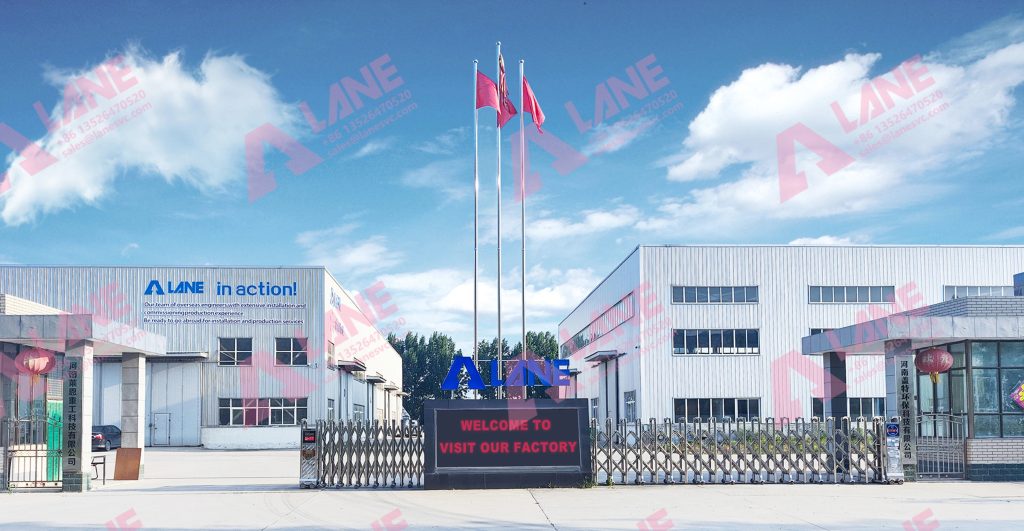
Henan Lane Heavy Industry Machinery Technology Co., Ltd.
Email: sales@lanesvc.com
Contact number: +86 13526470520
Whatsapp: +86 13526470520