

Tofu Cat Litter Factory Machine: Specifications, Capacity & ROI Guide for Industrial Investors
The tofu cat litter market has been expanding faster than most people expected — and honestly, that’s created a real window for industrial investors who move early. Demand for tofu cat litter factory machine installations is surging across East Asia, Southeast Asia, and increasingly in European markets too. But here’s where a lot of would-be producers stumble: they underestimate how technically demanding a full production line actually is. Choosing the right tofu cat litter factory machine isn’t just a procurement decision. It’s the foundation your entire business model sits on.
Let me walk you through what a serious industrial setup actually looks like.
What Goes Into a Tofu Cat Litter Production Line
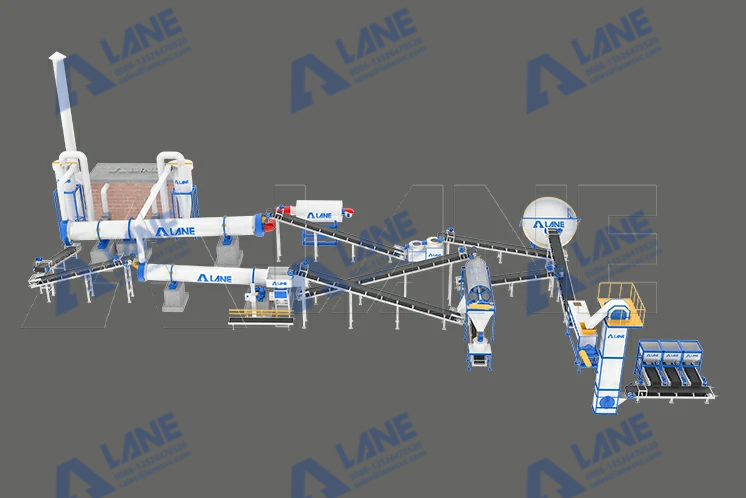
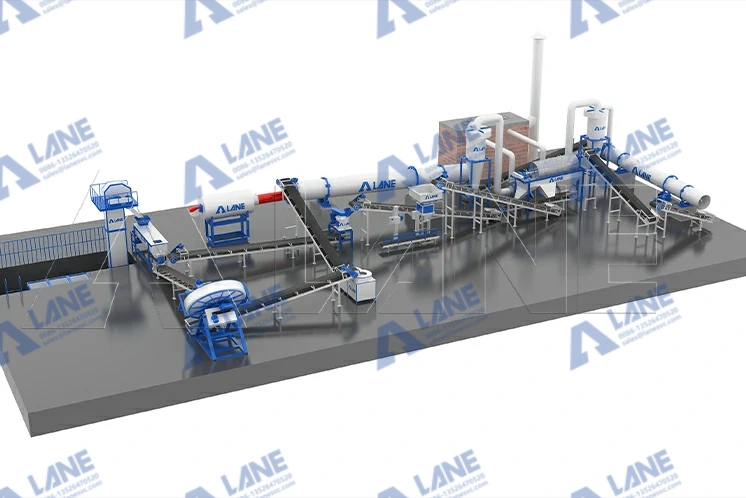
A complete tofu cat litter factory machine system isn’t a single unit. Every serious investor evaluating a tofu cat litter machine should understand the full equipment sequence before committing capital. It’s an integrated sequence of processing equipment, each stage feeding into the next. If one piece is undersized or mismatched, the whole line suffers — in throughput, in product quality, or both.
The core machines in a standard industrial line include:
- Raw material crusher— Breaks down soy fiber, pea fiber, or corn starch inputs to a uniform particle size before processing begins
- Mixer unit— Combines raw materials with binders and additives at precise ratios; this step directly determines clumping performance
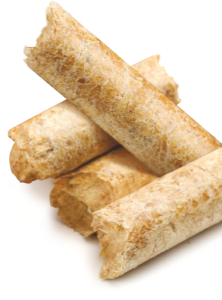
- Screw extruder (wet extrusion unit)— The most mechanically critical stage; shapes material into the cylindrical granule form characteristic of tofu litter
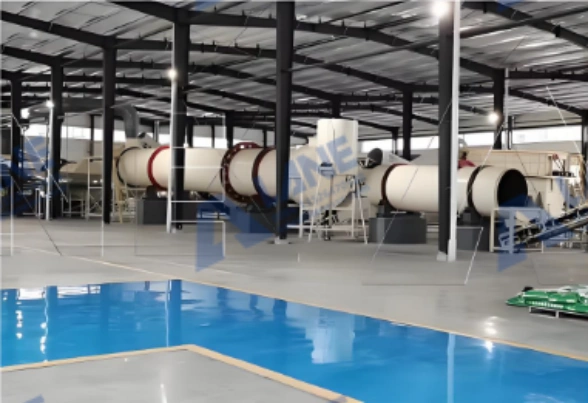
- Rotary drum dryer— Reduces moisture content from ~35% post-extrusion down to target levels (typically 8–12%) for shelf stability
- Cooling conveyor— Brings product temperature down before screening; skipping adequate cooling is a common cause of crumbling
- Vibration screening machine— Separates on-spec granules from fines and oversized particles; critical for consistent bag weight and appearance
- Dust removal system— Manages airborne fiber particulate throughout the line; non-negotiable for regulatory compliance and worker safety
- Automatic packaging machine — Weighs and bags finished product; most commercial lines integrate this directly with the screening output
in my experience working with industrial producers setting up new plants, screw extruders and drying systems are always where the difference in profit and loss is determined. Don’t allow anyone to say anything else.
Key Specifications to Evaluate
When you’re comparing tofu cat litter machine options, a few specification points deserve serious attention — not just the headline capacity numbers suppliers love to quote.
Hourly output capacity ranges widely, from 500 kg/h for entry-level configurations to 3,000 kg/h or more for fully industrial setups. You need to match this against your projected demand, not your optimistic ceiling.
Moisture control precision in the drying section matters enormously. Product moisture variance beyond ±1.5% will cause quality complaints — either crumbling product or mold risk during storage. Ask suppliers for drying uniformity data, not just rated capacity.
Extrusion die configuration determines the granule diameter and density. Standard tofu cat litter factory machine output runs 2–4mm granule diameter. Custom dies exist, but they add lead time and cost.
Automation level — semi-automatic lines require two to four operators per shift; fully automated lines can run with one. The labor cost delta over three to five years is substantial.
Power consumption should be evaluated per kilogram of output, not as a raw wattage figure. A higher-capacity tofu cat litter machine that runs more efficiently per unit is almost always the better investment.
What Does ROI Actually Look Like?
To be honest, this is the question investors ask first and research least carefully. Let me give you a realistic framing.
A mid-scale tofu cat litter factory machine setup — say, 1,000 kg/h capacity — typically requires a capital investment in the range of $120,000 to $280,000 USD depending on automation level, brand, and ancillary systems. Raw material costs for soy fiber-based formulations vary by region but typically run $180–$350 per metric ton. Finished product wholesale pricing ranges from $800 to $1,400 per metric ton in major export markets.
The margin window is real, and it’s one reason experienced operators often expand their tofu cat litter factory machine capacity within the first two years of operation. Payback periods on well-configured lines in competitive markets typically run 18 to 36 months — faster if you’re supplying to private-label buyers with locked contracts.
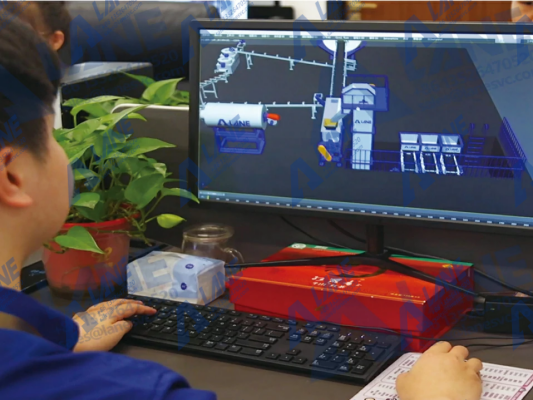
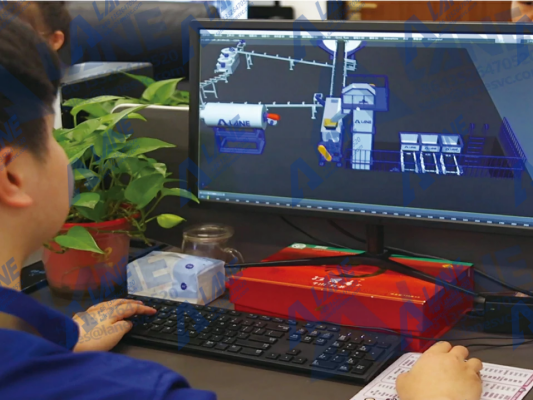
Equipment suppliers such as LANE, with extensive experience in industrial granulation and processing line integration, can provide detailed line configuration proposals modeled on capacity, energy costs, and predicted throughput, making the financial planning foundation cleaner for investors than general estimates.
What I’ve Seen Go Wrong in the Field
From what I’ve observed across multiple tofu cat litter factory machine facility setups, three problems come up repeatedly.
First, buyers under-spec the drying system to save upfront cost. It almost always leads to rework or product rejection down the line. Second, dust management gets treated as optional. It isn’t — both for compliance and for equipment longevity. Third, investors choose a tofu cat litter machine based on price per unit of capacity without accounting for spare parts availability or local technical support. A $30,000 savings on equipment that requires three-week lead times on critical spare parts is not a good trade.
Final Thoughts
The tofu cat litter sector offers genuine industrial opportunity — and the right tofu cat litter machine configuration is what separates profitable plants from expensive lessons — but only for investors who treat the equipment selection process with the rigor it deserves. Capacity, moisture control, automation level, and post-sale support all matter as much as the headline price. Suppliers like LANE who operate at industrial scale can provide configuration guidance that saves significant time and capital in the planning phase.
FAQ
Q1: What is the minimum investment required to set up a tofu cat litter factory?
Entry-level commercial lines with a tofu cat litter factory machine setup start from approximately $80,000–$120,000 USD for semi-automated configurations with 500 kg/h output. Fully automated industrial lines at 1,500 kg/h and above typically require $200,000–$400,000 USD or more.
Q2: What raw materials are used in tofu cat litter production?
The primary raw materials processed by a tofu cat litter factory machine are soy fiber (okara), pea fiber, corn starch, and food-grade binders. Some formulations incorporate activated charcoal or natural fragrance additives. Material sourcing cost and availability vary significantly by region.
Q3: How long does it take to commission a tofu cat litter machine production line?
From equipment delivery to stable production, commissioning typically takes four to eight weeks. This includes mechanical installation, electrical integration, test runs with raw materials, and operator training. Complex fully automated lines may require longer.
Q4: What certifications or compliance requirements apply to tofu cat litter production equipment?
Equipment destined for export markets typically requires CE certification for European buyers and may require specific electrical standard compliance (UL, CSA) for North American markets. Food-contact material certifications may apply depending on the raw material handling components. Buyers should confirm which standards their chosen tofu cat litter machine must meet before finalizing supplier contracts.
Q5: How is product quality controlled on an industrial tofu cat litter line?
Key control points are moisture content post-drying (target 8–12%), granule diameter consistency from the extruder die, and particle size distribution from screening. Most industrial lines integrate in-line moisture sensors and automatic screening rejection to minimize operator intervention.
Q6: Can a tofu cat litter factory machine line be adapted for other granulated products?
yes, thanks to improved die and formula, many extrusion molding systems can also be applied to other bio-based pellet products such as animal feed pellets and organic fertilizer pellets. This flexibility is worth considering at the specification stage if product diversification is part of the business plan.
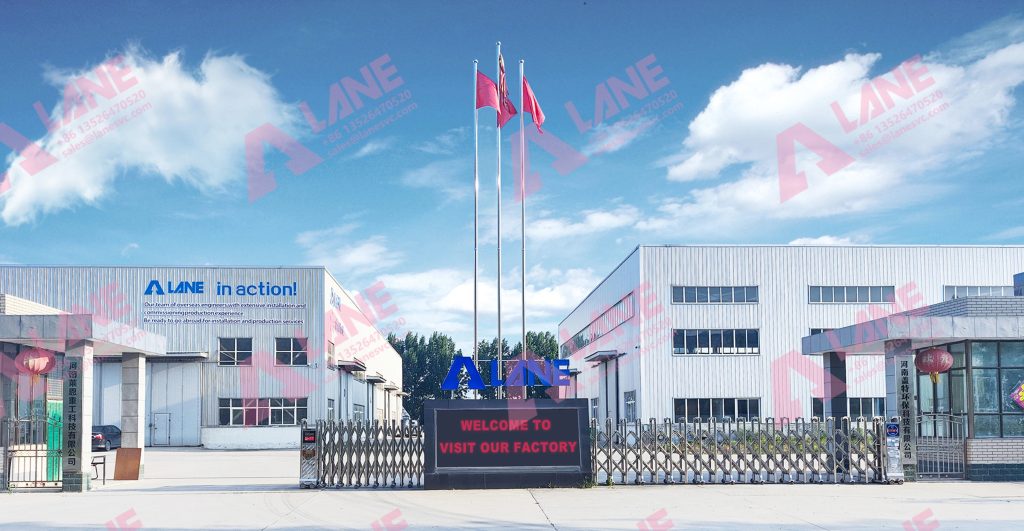
For more details, please feel free to contact us.
Henan Lane Heavy Industry Machinery Technology Co., Ltd.
Email: sales@lanesvc.com
Contact number: +86 13526470520
Whatsapp: +86 13526470520