

Complete Tofu Cat Litter Production Line: Setup & Cost Guide
If you’ve been watching the pet care manufacturing space lately, tofu cat litter is hard to miss. The global shift toward plant-based, biodegradable products has driven consistent demand growth — and producers who invested in a complete tofu cat litter production line early are now holding a significant competitive edge. But before you commit capital, you need a realistic picture of what setup actually looks like: which machines you need, how costs stack up, and where the real decision points are.
Let me walk you through it honestly.
Why the Complete Tofu Cat Litter Production Line Is Worth Examining Now
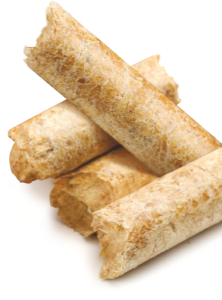
Tofu cat litter is produced from soybean residue, a by-product of soybean food processing. It features low dust, flushability and full natural compostability, and is gaining growing popularity among urban pet owners across Europe, North America and East Asia. Manufacturers enjoy solid profit margins and steady raw material supplies, while winning favor from eco-conscious consumers with its sustainable upcycling concept.
A complete tofu cat litter production line is not massively complex to operate. But it is precise. Each stage of the process needs to flow cleanly into the next — because a mismatch between granulation output and dryer capacity creates quality inconsistencies that are difficult to correct downstream.
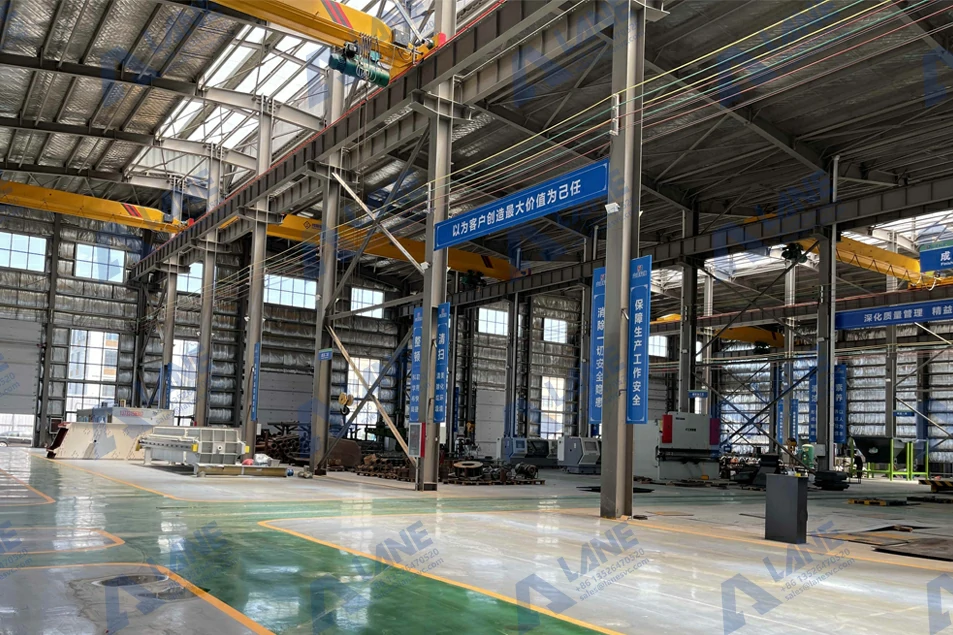
Core Equipment in a Complete Tofu Cat Litter Production Line
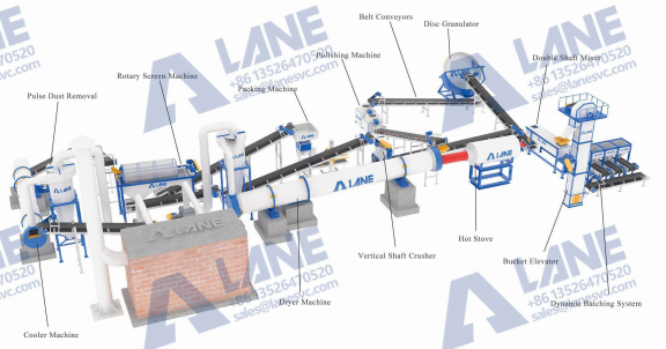
The standard equipment sequence for a complete tofu cat litter production line includes the following core machines:
- Hammer mill— reduces dried soybean residue to a consistent fine powder before blending
- Horizontal mixing machine— combines soybean powder with binding agents (typically corn starch or guar gum), colorants, and fragrance additives at controlled ratios
- Flat die pellet mill (tofu cat litter machine)— the core of the line; this tofu cat litter machine compresses blended material through a flat die to form the characteristic cylindrical granules; die compression ratio directly determines clumping hardness and surface integrity
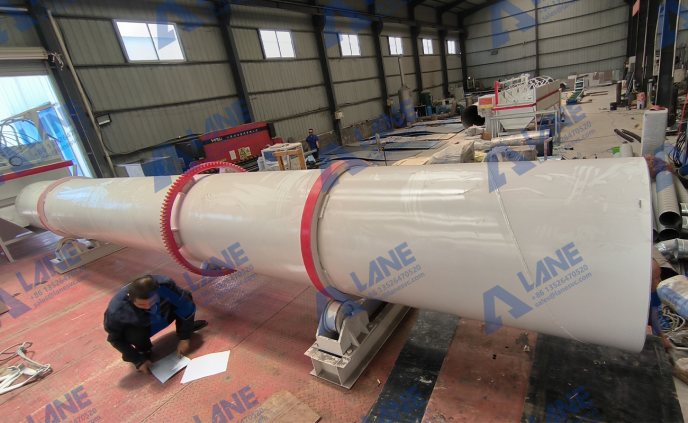
- Rotary drum dryer— removes post-extrusion moisture, bringing granule water content down to the 8–12% range required for shelf stability and packaging
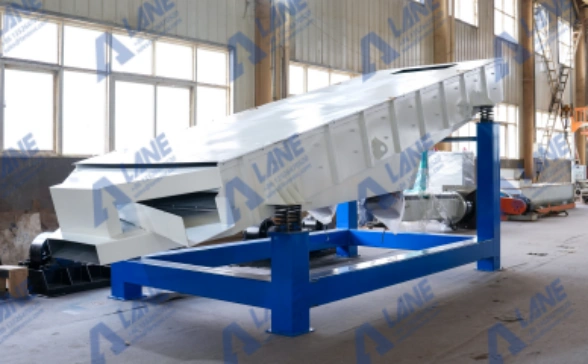
- Vibrating screen— separates oversized and undersized particles to deliver a uniform output diameter, typically 2–4mm
- Automatic packaging machine— fills and seals product into retail or bulk format bags with consistent weight accuracy
Every unit in a complete tofu cat litter production line needs to be matched to your target throughput. Undersizing any single machine creates a bottleneck that constrains the entire line’s effective output.
Setup Costs: A More Grounded Breakdown
Most cost guides for a complete tofu cat litter production line offer ranges so wide they’re effectively useless. Here’s something more concrete, based on real project data.
Small-scale line (500–1,000 kg/hour): Equipment investment typically falls between USD 60,000–90,000. This covers a basic flat die pellet mill, a compact rotary dryer, and semi-automatic packaging. Suitable for OEM contract work or regional market entry.
Mid-scale line (1,500–3,000 kg/hour): Budget USD 120,000–200,000 for equipment. At this scale, you’re integrating automated feeding, PLC process control, and full grading capability. This is where most serious market entrants operate.
Large-scale commercial line (5,000+ kg/hour): Full automation with multi-stage quality controls typically requires USD 250,000 and above.
Pricing listed above includes machinery alone. Costs for civil works, site utilities, raw material warehouses and operating capital typically add another 30–50% to the total investment. Always budget for these extra expenses at the project planning stage.
What Most Setup Guides Get Wrong
From what I’ve seen across multiple line installations, the flat die pellet mill in a complete tofu cat litter production line is the most consistently misspecified machine. Buyers focus on rated capacity and ignore die compression ratio. For tofu litter formulations, you need a ratio between 1:6 and 1:8 to achieve proper granule hardness without post-drying brittleness. Specify outside that range and you’re looking at clumping complaints before the first retail batch ships.
Raw material moisture is the other variable that catches people off guard. Fresh soybean residue frequently arrives at 65–80% moisture. A pre-drying step before the tofu cat litter machine is essential in most real-world setups — but it’s rarely included in entry-level project proposals because it adds both cost and floor space.
Machinery vendors specializing in organic feedstock processing outperform suppliers focused solely on pet-goods production when resolving operational hurdles. Take LANE as an example: the firm draws on decades of large-scale fertilizer manufacturing know-how in granulation and drying. This cross-industry expertise proves hugely valuable for regulating moisture shifts and maintaining tight pellet consistency. Always verify the practical field experience of a potential supplier’s engineering team before partnering up.
Key Decision Points Before You Build
What’s your daily production target?
Spec the line for realistic day-one demand with 20–30% headroom — not theoretical peak capacity.
How stable is your raw material supply?
Seasonal or variable soybean residue sourcing means you need buffer drying capacity built into the line design.
What markets are you serving?
EU and US export markets carry specific granule size and moisture content requirements. Build those standards into your spec from the start, not as an afterthought.
Do you need fragrance customization?
If multi-SKU production is part of your roadmap, spec a dedicated scenting drum now. Retrofitting later is disruptive and rarely cost-effective.
Conclusion: Building the Right Line
A properly configured complete tofu cat litter production line is one of the stronger investment propositions in pet product manufacturing right now. The raw material economics are favorable, the consumer demand trajectory is real, and the product’s biodegradable positioning is only gaining relevance.
Profit potential hinges entirely on accurate equipment specification prior to construction. Poorly configured production lines suffer not only from low throughput but also recurring quality defects that escalate over time and harm your brand reputation from the outset.
If you’re in the planning phase, work with a supplier who engages with your process design, not just product specs. Request trial granulation runs with your actual raw materials. And make sure the tofu cat litter machine at the center of your complete tofu cat litter production line is matched to the compression ratio your specific formulation requires.
Ready to move from planning to procurement? Contact our engineering team for a free production assessment and customized cost proposal.
FAQ
Q1: What are the main raw materials used in tofu cat litter production?
The primary material is dried soybean residue (okara), combined with natural binding agents such as corn starch or guar gum, food-grade colorants, and fragrance or deodorizing additives. Some formulations incorporate pea fiber or corn fiber to enhance clumping speed and absorption volume.
Q2: How long does commissioning a complete tofu cat litter production line take?
For a mid-scale configuration, allow 3–5 months from contract signing to operational commissioning. This includes equipment fabrication (typically 45–60 days), international shipping, civil installation, and trial production runs. Lines with full PLC automation may require an additional 4–6 weeks for control system calibration.
Q3: What output capacity should a first-time producer target?
A 1,000–1,500 kg/hour line generally offers the best balance of capital efficiency and operational flexibility for market entrants. It’s sufficient to supply regional retail or OEM accounts while keeping upfront investment at a manageable level.
Q4: What are the critical quality parameters for finished tofu cat litter?
Key indicators include granule diameter (2–4mm), moisture content (below 12%), clumping integrity under load, dust generation rate (below 0.5%), and water absorption speed. Premium-grade export products also require fragrance retention stability across a minimum 12-month shelf life.
Q5: How much production floor space does a complete tofu cat litter production line require?
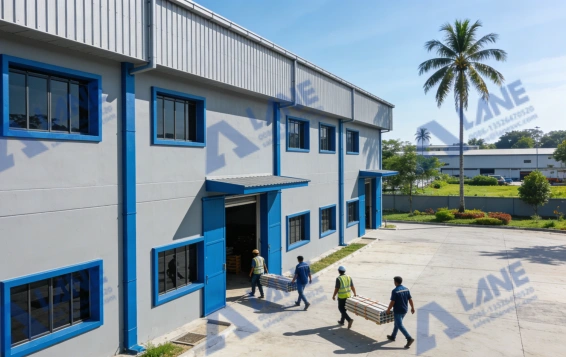
A mid-scale line processing 1,500–3,000 kg/hour typically requires 800–1,500 square meters of production floor area, depending on equipment layout, raw material buffer storage, and finished goods staging. Single-story facilities with a minimum ceiling height of 5 meters are strongly recommended to accommodate dryer and conveyor clearance.
Q6: Can one line produce multiple product variants?
Yes. Most properly configured lines support multi-SKU production through formulation changes and scenting drum parameter adjustments. Switching between significantly different formulations — for example, pure soybean versus a corn-fiber blend — typically requires a 2–4 hour flush and recalibration cycle, which should be reflected in your weekly production scheduling.
For more details, please feel free to contact us.
Henan Lane Heavy Industry Machinery Technology Co., Ltd.
Email: sales@lanesvc.com
Contact number: +86 13526470520
Whatsapp: +86 13526470520