

Vibrating Screener vs Rotary Screener for Cat Litter — Choosing the Optimal Screening Solution for Your Production Line
Vibrating Screener vs Rotary Screener for Cat Litter — Choosing the Optimal Screening Solution for Your Production Line
Why Vibrating Screener vs Rotary Screener for Cat Litter Matters
Screening is a fundamental part of cat litter production, directly impacting product uniformity, dust control, and consistency in final grading. In industrial scale manufacturing, correctly choosing between a vibrating screener vs rotary screener for cat litter can raise throughput, minimize material loss, and streamline downstream processes such as packaging and dust management. Both technologies separate particles by size, but they do so through markedly different motion principles and mechanical designs, which subsequently influence performance in various scenarios.
Understanding these differences is crucial for production engineers and plant managers seeking to enhance quality and optimize workflow in modern cat litter lines.
1. Screening’s Role in Cat Litter Production
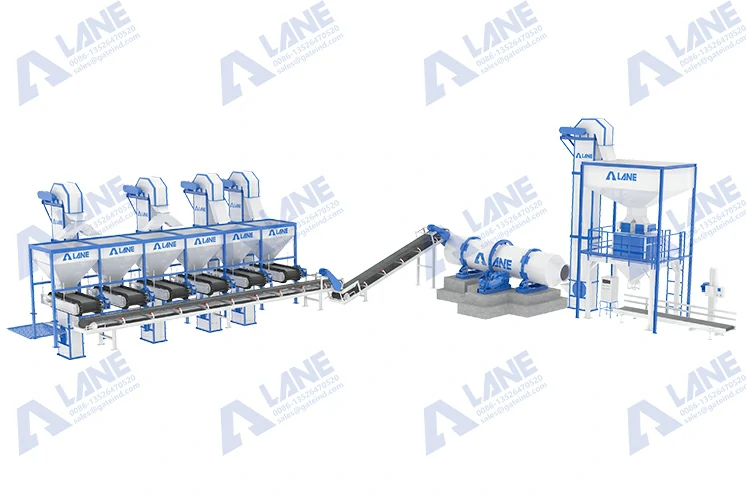
Before comparing specific equipment, it’s helpful to understand where screening fits into the overall cat litter process. Once raw materials are mixed and pellets formed, screening ensures that only correctly sized particles proceed to drying and packaging. Oversized chunks or fines are removed and can be returned to earlier stages or reprocessed, reducing waste and improving output quality. A well-designed screening stage also helps keep dust levels low — a key requirement in clean, efficient industrial environments. When comparing the vibrating screener vs rotary screener for cat litter, it’s important to assess how variations in particle shape and moisture content may influence screening consistency over long production runs.
2. How Vibrating Screeners Work
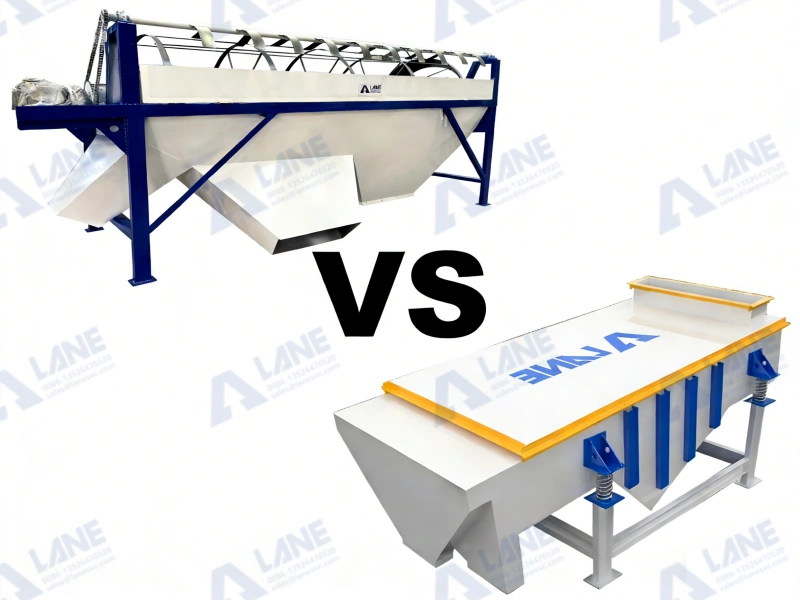
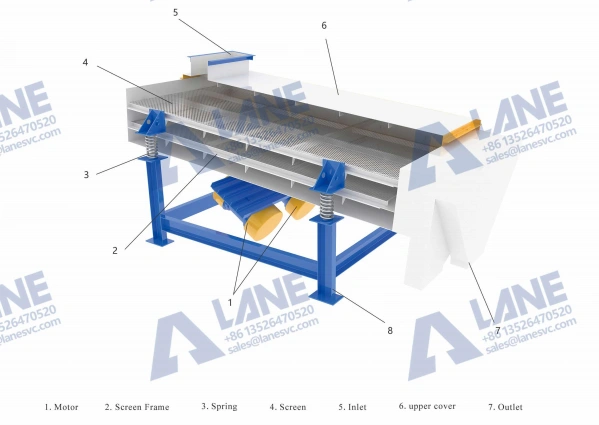
A vibrating screener separates material by rapidly shaking the screening surface, which throws particles against the screen so that smaller sizes fall through openings while larger particles move forward for discharge. This motion is typically generated by an offset motor or mechanical drive that induces vibration, agitating the material across the mesh surface. The dynamic motion encourages stratification, helping finer particles gradually work their way downward and pass through the screen.
Vibrating screeners are widely used because of their ability to manage high throughput, handle a range of material densities, and offer multi-deck options that allow simultaneous grading into several size fractions. For high-capacity cat litter lines where rapid classification and fine separations are required, vibrating screeners are often the preferred choice. In practice, a clear vibrating screener vs rotary screener for cat litter evaluation often includes reviewing historical throughput data and screening efficiency trends to pinpoint the most suitable equipment for specific formula blends.
3. How Rotary Screeners Work
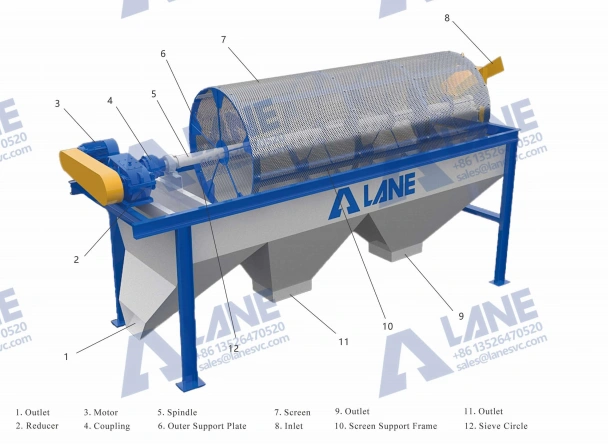
In contrast, a rotary screener — also known as a trommel or rotary drum screen — uses a rotating perforated cylinder to separate particles by size. As material enters the tilted drum, it tumbles and spirals due to the rotation. Smaller particles pass through the perforations, while larger ones continue through the length of the drum and are discharged at the end.
This tumbling action creates a gentle and continuous screening dynamic that excels when processing feedstocks with higher moisture or cohesive properties. For example, if a cat litter formulation uses raw materials that tend to clump or stick, the rotary screener’s smooth motion reduces the risk of screen clogging and supports more stable, uninterrupted operation.
4. Vibrating Screener vs Rotary Screener for Cat Litter — Key Differences
When evaluating vibrating screener vs rotary screener for cat litter, manufacturers should consider several important performance aspects:
- Screening Mechanism & Motion
Vibrating screeners rely on high-frequency vibration to force particles across a mesh, making them highly effective for stratifying a wide range of dry, uniform granules. Rotary screeners use drum rotation to create a tumbling action that gently guides particles through the screening surface. Both mechanisms separate by size, but the motion profile influences how different particle types behave during the process.
- Material Compatibility
As a rule, vibrating screeners are favored in cat litter production lines with dry, free-flowing materials because the oscillating motion accelerates throughput and reduces blockage. For litter feeds that contain residual moisture, slight stickiness, or biomass-rich blends, rotary screeners can offer smoother screening without the frequent blinding or packing that might hamper vibration-based equipment.
- Throughput & Production Efficiency
Vibrating screeners deliver higher overall throughput and multi-fraction grading options, which is valuable when peak productivity and rapid size classification are priorities. Rotary screeners typically provide more consistent separation under challenging feed conditions, albeit sometimes at a more moderate capacity compared to high-speed vibratory units.
- Maintenance, Noise & Energy Considerations
With simpler mechanical drives and fewer wear points, vibrating screeners can require more routine maintenance related to vibration motors and springs. Rotary screeners, with their smooth rotation and fewer moving parts exposed to shock loads, often operate with lower noise levels and reduced wear, making them suitable for environments where operator comfort and long service life are important.
5. Choosing the Best Screener for Your Cat Litter Production Line
Selecting between a vibrating screener vs rotary screener for cat litter should align with your specific production goals:
-
High Capacity, Fine Classification: If your line demands high throughput and precisely separated fractions — for example, during final screening before packing — a vibrating screener is often more apt.
-
Sticky or Cohesive Material Handling: When raw materials include a mix of biomass feeds or residual moisture that may cause clumping, a rotary screener’s tumbling motion maintains consistent performance with fewer interruptions.
-
Combination Approach: Some sophisticated cat litter lines integrate both types at different stages — vibrating screens for bulk, preliminary separation and rotary screens for gentle, final grading — maximizing quality and stability.
Understanding the material properties and production targets will guide you toward the optimum screening solution that supports both efficiency and product quality. Even within the broader topic of vibrating screener vs rotary screener for cat litter, many producers prefer a hybrid screening strategy — employing vibration early for coarse removal and rotary action for final fines grading — to maximize both capacity and product quality.
6. Screening Troubleshooting & Optimization Tips
While choosing the right screener is important, real-world production brings challenges that demand practical countermeasures:
-
Clogging in Vibrating Screens: Occurs when particles bind or pack; mitigate with regular screen cleaning cycles and selecting proper mesh sizes.
-
Rotary Screen Material Retention: For sticky feeds, ensure gentle feed rates and maintain drum rotation speed to prevent material bridging inside the cylinder.
-
Maintenance Scheduling: Preventive servicing of screens and drive systems reduces downtime and extends service life.
Integrating these tips into your operational SOPs enhances the practical value of this vibrating screener vs rotary screener for cat litter comparison and supports smoother cat litter line operation. For lines focused on high automation and minimal intervention, integrating an intelligent control system alongside the vibrating screener vs rotary screener for cat litter comparison can help dynamically adjust screen settings based on real-time material behavior.
Conclusion — Make an Informed Screening Equipment Choice
Ultimately, understanding the nuances of vibrating screener vs rotary screener for cat litter enables production engineers to tailor screening configurations that not only meet throughput targets but also support consistent particle sizing and reduced rework. Comparing vibrating screener vs rotary screener for cat litter reveals that both have distinct strengths and situational advantages. Vibrating screeners are excellent for high-volume, precision size grading, while rotary screeners bring stability and gentle handling for moisture-sensitive or cohesive feeds. The right choice ultimately depends on your production mix, material characteristics, and operational priorities.
For cat litter manufacturers seeking to optimize screening performance, exploring tailored equipment solutions that pair the strengths of both technologies can unlock higher efficiencies and more consistent product quality.
As a leading provider of advanced cat litter production systems, LANE’s precision vibrating screeners and rotary screening solutions are engineered for stability, minimal downtime, and superior particle grading — helping you get the most out of your biomass and traditional cat litter lines.
Ready to optimize your screening process and elevate product quality through a tailored vibrating screener vs rotary screener for cat litter setup? Contact LANE today for a customized screening solution and full production line consultation.
For more details, please feel free to contact us.
Henan Lane Heavy Industry Machinery Technology Co., Ltd.
Email: sales@lanesvc.com
Contact number: +86 13526470520
Whatsapp: +86 13526470520