

Understanding Tofu Cat Litter Ingredients and Their Role in Production Quality
Understanding Tofu Cat Litter Ingredients and Their Role in Production Quality
Introduction: Ingredients Are the Starting Point, Not the Final Answer
Tofu cat litter has gained popularity for its plant-based composition, flushable properties, and lower environmental impact. As demand increases, manufacturers pay closer attention to tofu cat litter ingredients and how they affect product performance. While ingredients define the basic characteristics of tofu cat litter, they do not determine final quality on their own.
In real production environments, tofu cat litter ingredients interact closely with processing conditions and equipment performance. Understanding this relationship is essential for manufacturers aiming to achieve consistent quality at scale.
What Are Tofu Cat Litter Ingredients?
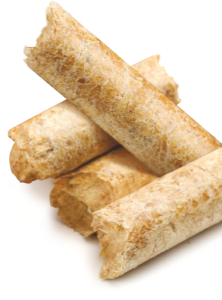
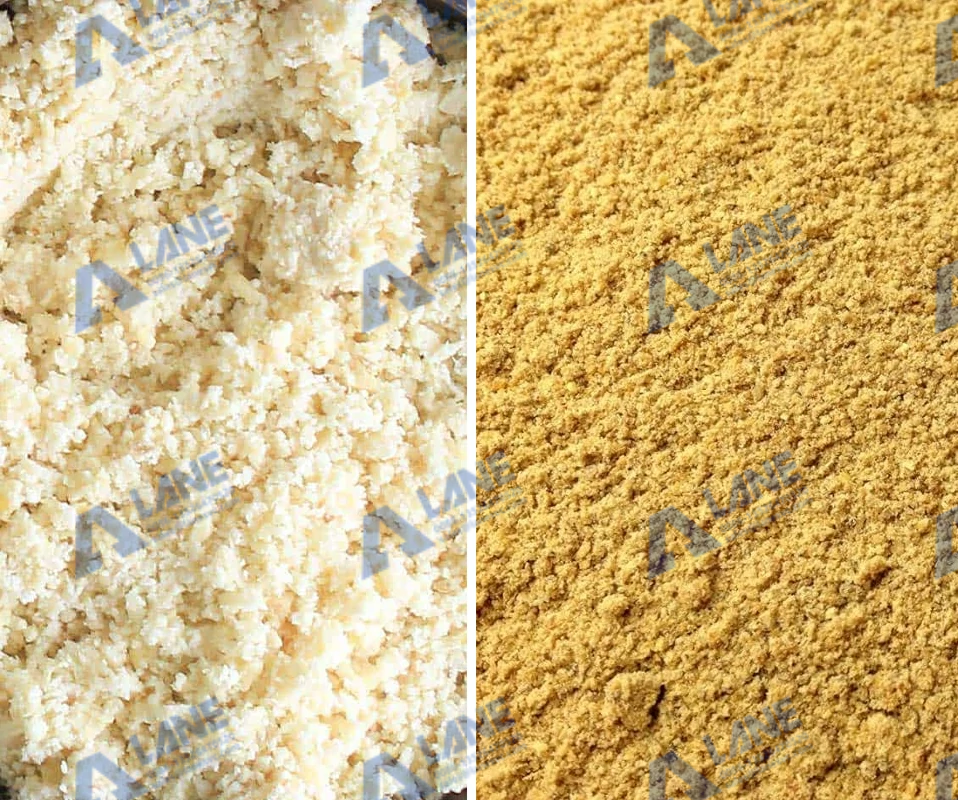
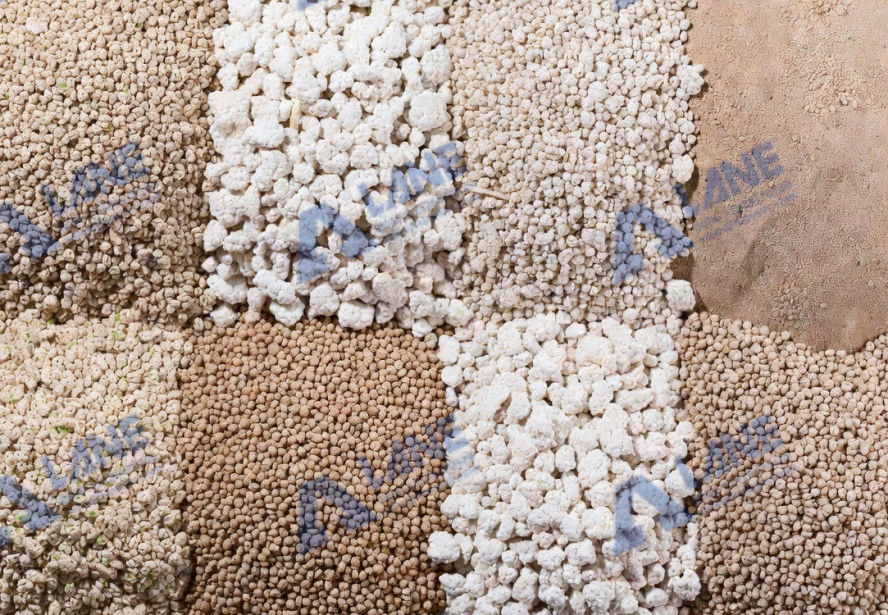
Tofu cat litter ingredients are typically derived from plant-based materials, most commonly soybean fiber or other legume by-products. These fibers are often combined with starch-based binders and small amounts of functional additives to improve clumping and structural stability.
Compared with mineral-based litter, tofu cat litter ingredients are lighter, more porous, and more sensitive to moisture. These properties contribute to fast absorption and flushability, but they also introduce unique challenges during processing. Variations in fiber length, moisture content, and binder ratios can significantly affect how the material behaves during forming, drying, and handling.
Because of this sensitivity, tofu cat litter ingredients require careful control throughout the production process.
How Tofu Cat Litter Ingredients Affect Final Product Performance?
The performance characteristics consumers notice most are directly linked to tofu cat litter ingredients, but they are amplified—or weakened—by processing quality.
Clumping behavior
Plant fibers absorb water quickly, allowing tofu cat litter to form clumps rapidly. However, if ingredient structure is damaged during processing, clumping strength may decline even if the formulation remains unchanged.
Dust generation
Low dust is one of the selling points of tofu-based litter. Poor handling of tofu cat litter ingredients during crushing or screening can break fibers and create excessive fines, increasing dust levels in the finished product.
Granule stability
Tofu cat litter ingredients tend to be softer than mineral granules. Without controlled processing, finished granules may break easily during transport or packaging, reducing product consistency.
These factors highlight why ingredient selection alone cannot guarantee stable product performance.
Processing Challenges Introduced by Tofu Cat Litter Ingredients
Manufacturers often underestimate how demanding the ingredients can be on equipment. Their organic structure responds differently to mechanical force compared with bentonite or crystal materials.
1.Sensitivity to mechanical stress
Excessive crushing or aggressive conveying can damage fiber structure, leading to weaker granules and higher dust levels.
2.Moisture sensitivity
Tofu cat litter ingredients absorb moisture easily, making drying control critical. Uneven moisture removal can result in fragile granules or inconsistent size distribution.
3.Particle size variation
Natural plant fibers are less uniform than mineral particles. Without proper screening, size variation becomes more pronounced and affects downstream processes.
These challenges explain why tofu cat litter production requires carefully coordinated equipment rather than isolated machine optimization.
Why Equipment Matters When Handling Tofu Cat Litter Ingredients
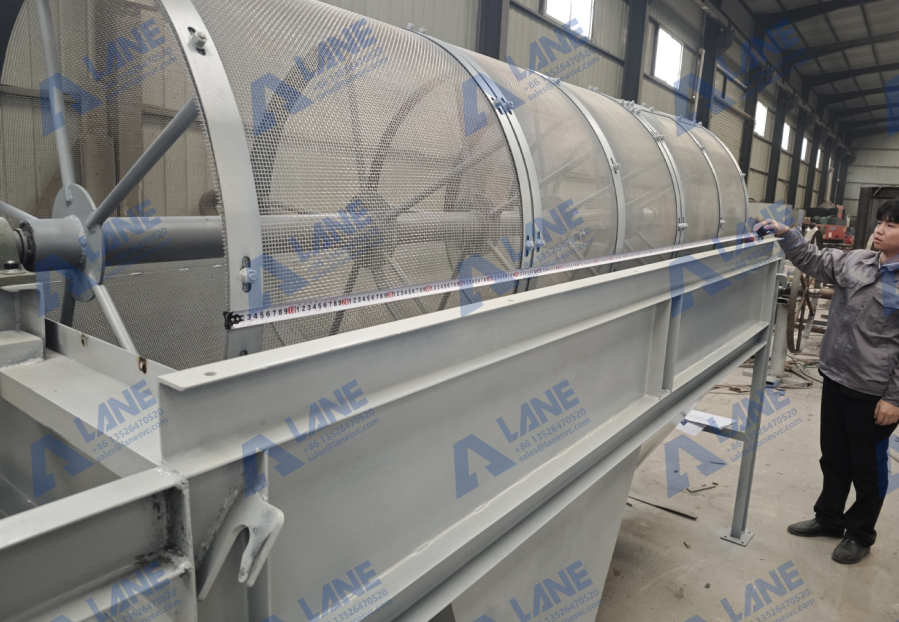
Equipment plays a defining role in how cat litter ingredients behave throughout production. Even with consistent raw materials, poor equipment coordination can undermine final quality.
Crushing equipment must reduce oversized material without over-fragmenting fibers. Screening equipment must separate fines effectively while protecting granule integrity. Material transfer systems must minimize unnecessary impact that could damage fragile particles.
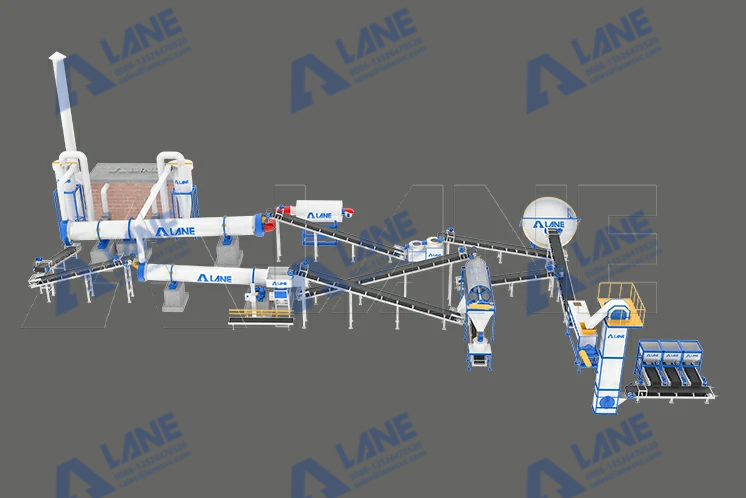
An integrated cat litter production line allows tofu cat litter ingredients to move through each stage under controlled conditions, reducing variation and improving repeatability. This systems-based approach is essential for stable large-scale production.
Typical Equipment Used in Tofu Cat Litter Production
Although formulations vary, most tofu cat litter production lines rely on a similar set of core equipment designed to handle plant-based materials gently and consistently.
- Pre-processing and conditioning equipment: Raw tofu cat litter ingredients often require conditioning to achieve uniform moisture and flow behavior before forming.
- Size control and crushing equipment: Controlled crushing ensures oversized material is adjusted without generating excessive fines that could compromise dust performance.
- Screening machines: Screening machines play a critical role in maintaining consistent particle size distribution, which directly affects clumping and packaging behavior.
- Integrated production lines: Rather than relying on standalone machines, many manufacturers benefit from integrated cat litter production lines designed to maintain stable material flow from start to finish.
Each piece of equipment contributes to how tofu cat litter ingredients perform as a finished product.
How Equipment Design Supports Ingredient Stability
Equipment designed specifically for plant-based materials reduces unnecessary stress on tofu cat litter ingredients. Smooth transitions, controlled speeds, and balanced separation help preserve fiber structure and maintain granule integrity.
From an equipment manufacturer’s perspective, the goal is not to force tofu cat litter ingredients to behave like mineral materials, but to respect their natural characteristics. This approach reduces dust, improves consistency, and extends equipment lifespan.
LANE’s Equipment-Oriented Perspective on Tofu Cat Litter Production
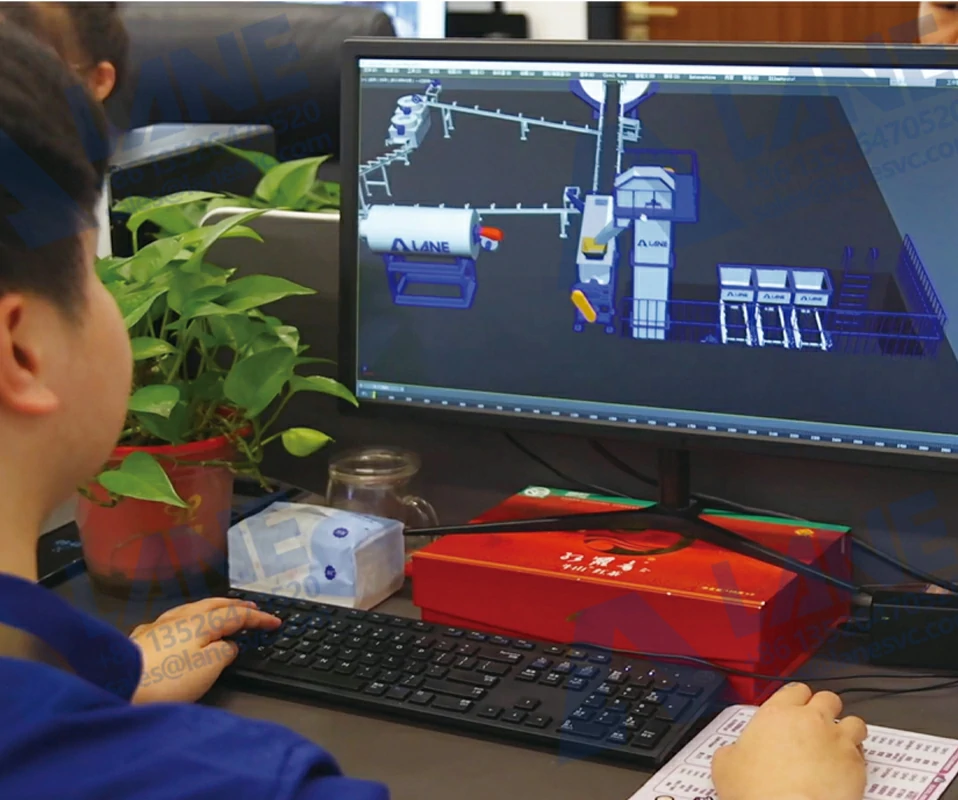
LANE focuses on providing equipment and production line solutions rather than formulating cat litter products. Our experience with fertilizer and granular material processing informs how we approach tofu cat litter ingredients from a mechanical and systems perspective.
We recognize that different tofu cat litter ingredients require different handling strategies. By focusing on equipment coordination and process stability, we help manufacturers achieve consistent output without excessive manual adjustment.
This philosophy emphasizes long-term reliability over short-term performance gains, supporting manufacturers as they scale production and expand product lines.
Connecting Ingredients, Equipment, and Long-Term Quality
The ingredients define what is possible, but equipment determines what is repeatable. Stable production relies on aligning ingredient properties with appropriate mechanical processing.
Manufacturers who invest in well-matched equipment are better positioned to maintain consistent quality across batches, even when ingredient characteristics vary slightly. This alignment reduces downtime, minimizes rework, and improves overall production efficiency.
Conclusion: Making Tofu Cat Litter Ingredients Work at Scale
Understanding tofu cat litter ingredients is essential, but true product consistency comes from how those ingredients are processed. Equipment design, line integration, and process stability play decisive roles in turning plant-based materials into reliable finished products.
For manufacturers focused on long-term growth, treating ingredients and production equipment as a unified system is the most effective path toward stable quality and scalable production.
For more details, please feel free to contact us.
Henan Lane Heavy Industry Machinery Technology Co., Ltd.
Email: sales@lanesvc.com
Contact number: +86 13526470520
Whatsapp: +86 13526470520