

Tofu Cat Litter vs Bentonite: Which Cat Litter Is Better for Commercial Production?
Walk into any pet supply store today and you’ll find shelves split almost evenly between two dominant litter types. The tofu cat litter vs bentonite debate has been running for years — and honestly, it’s heating up fast. For consumers, choosing the best cat litter comes down to odor control, dust levels, and price. For manufacturers and production planners, it’s a far bigger decision.
Let me tell you something that often gets overlooked in these comparisons: the production side matters enormously. When clients ask me which is the best cat litter to invest in manufacturing, my answer is never simple. Raw material sourcing, processing complexity, machinery requirements, market positioning — these factors shape which litter type makes sense to produce at scale. I’ve spent years working with equipment manufacturers and facilities across Asia, and the tofu cat litter vs bentonite divide goes far deeper than “natural vs clay.”
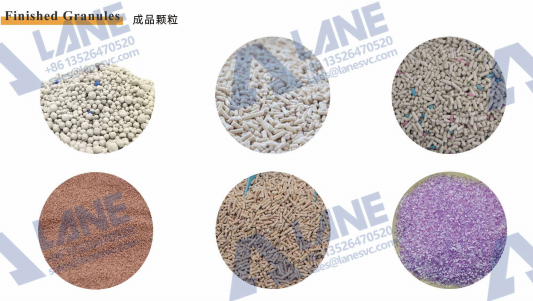
What Makes Bentonite Cat Litter Tick
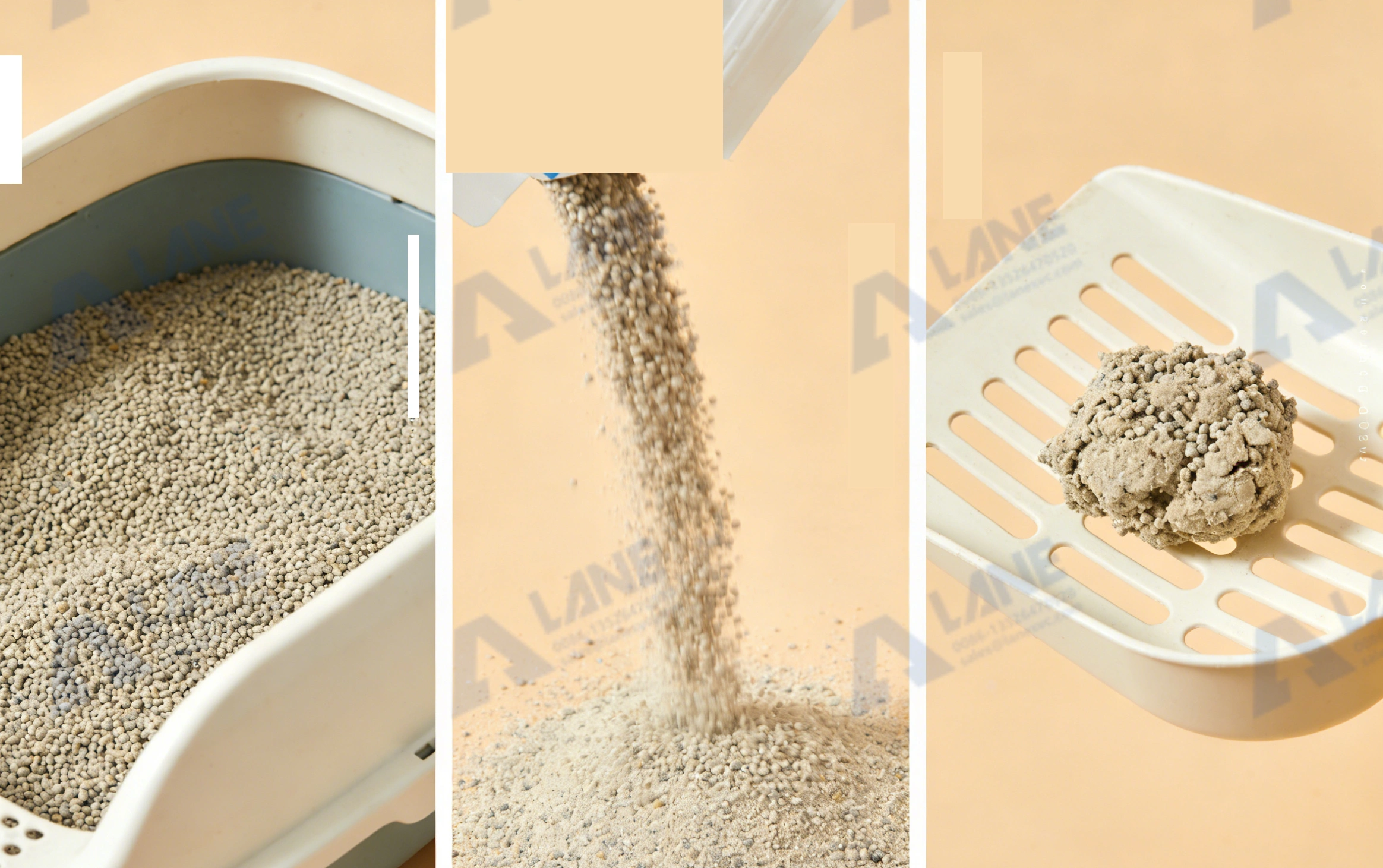
Bentonite has dominated the cat litter market for decades. Sodium bentonite clumps aggressively on contact with moisture. It’s cheap, widely available, and the production process is well-understood. For producers looking to quickly enter the best cat litter segment by volume, bentonite has historically been the default starting point.
The standard production line for bentonite cat litter involves several core machines:
- crusher— breaks down raw bentonite ore into workable particle sizes
- Raymond mill— grinds material to target mesh specifications
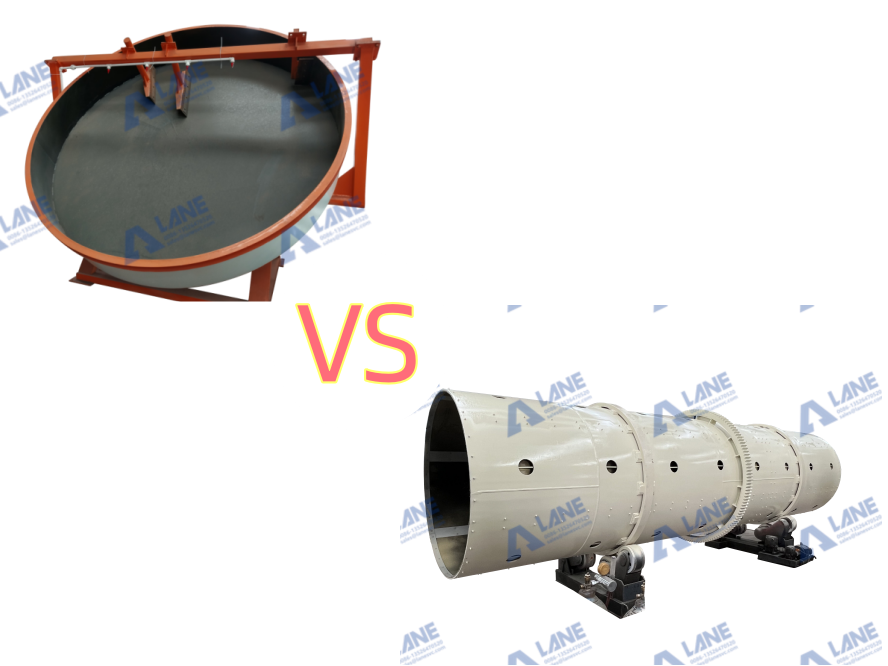
- Rotary drum dryer— removes excess moisture for optimal clumping performance
- Roller drum granulator — compresses fine powder into uniform granules
- Vibrating screen— classifies output by particle size
- Dust collector— manages particulate emissions throughout the line
Operationally, bentonite lines run fast and the technology is mature. The challenge, increasingly, is regulatory. Bentonite mining carries a significant environmental footprint, and several markets — particularly Western Europe — are imposing stricter limitations on clay-based litter imports. In the tofu cat litter vs bentonite conversation, this regulatory pressure is quietly shifting the balance.
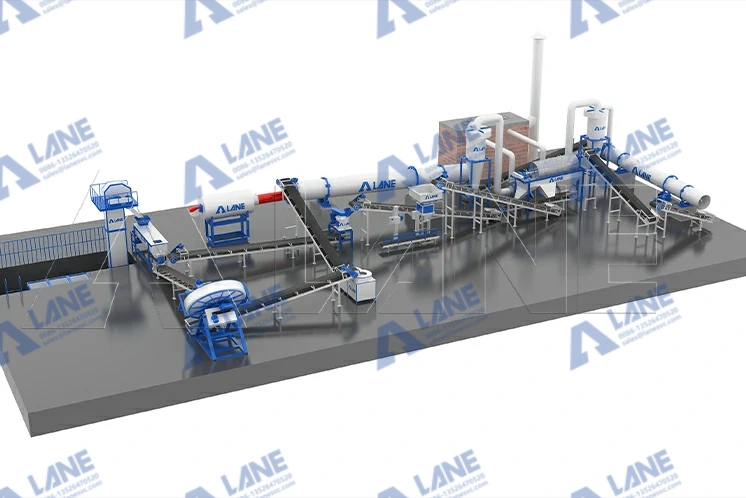
The Rise of Tofu Cat Litter: More Than a Trend
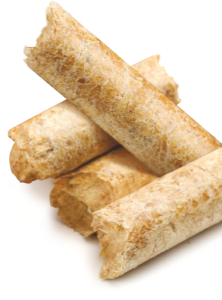
Tofu cat litter is actually made from the leftover tofu and soy milk. This is essentially “turning waste into treasure” and reusing agricultural waste. So its cost logic is completely different from other cat litters, as long as it is in a place where soybean processing plants are concentrated, the supply of raw materials is stable, and there is no need to worry about running out of stock at all.
However, although the raw materials look simple, they are more difficult to make than imagined. It is not just a random circle, the production process has very strict requirements for humidity and temperature, and must rely on extrusion molding, which is much more complex than the ordinary granulation process.
If you want to get tofu cat litter, these core equipment are absolutely indispensable:
- Crusher— reduces dried soybean residue to fine, workable fiber
- Screw extruder— the heart of the process; shapes moist fiber into cylindrical pellets
- Rotary drum dryer— brings moisture content down to the 8–12% range required for performance
- Cooling conveyor— stabilizes pellets post-drying to prevent breakage
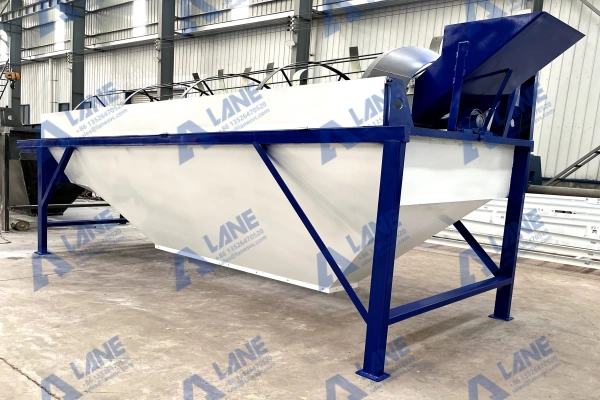
- Vibrating screener— removes fines and oversized pieces
- Automatic Packaging Machine— handles final product at line speed
From what I’ve seen, the extrusion stage is where most new operators run into trouble. Getting the moisture-fiber ratio right before the extruder is a skill that takes time to develop. The margin for error is narrower than with bentonite.
Once a tofu cat litter line is dialed in, though, quality consistency is excellent. The finished product is biodegradable, flushable in most plumbing systems, and carries essentially zero silica dust risk. From a best cat litter standpoint, these advantages are increasingly what premium buyers are paying for.
Commercial Production: Where the Real Comparison Happens
When evaluating tofu cat litter vs bentonite from a commercial production angle, the answer depends on what you’re optimizing for.
Bentonite wins on speed to market and lower initial complexity. If you’re entering a price-sensitive market and need volume fast, a well-configured bentonite line delivers. Capital costs are lower, and operational troubleshooting is simpler.
Tofu cat litter wins on long-term market positioning and export potential. Premium markets — Japan, South Korea, Germany, the United States — are actively shifting toward plant-based, low-dust, biodegradable options. Tofu cat litter commands higher retail price points and better margins, even if production costs are somewhat elevated.
This is something I’d flag clearly for any investor doing feasibility work: the best cat litter for your business isn’t always the one with the lowest production cost. It’s the one aligned with where your target market is heading. I’ve seen producers lock into bentonite infrastructure just before export markets pivoted hard toward plant-based alternatives — a painful position to recover from.
Companies like LANE, which specialize in large-scale industrial processing equipment, have noted this shift — more production lines being configured for tofu cat litter than in previous years, reflecting the broader market movement away from clay.
What the Numbers Tend to Show
Bentonite lines run at lower per-ton operating costs but face commodity market volatility. Tofu cat litter lines require more upfront process engineering but generate stronger margin profiles in premium channels. In the tofu cat litter vs bentonite growth race, plant-based alternatives are outpacing clay in developed markets. For producers serious about capturing best cat litter market share in the next decade, that trajectory is hard to ignore.
Summary and Final Take
The tofu cat litter vs bentonite question doesn’t have a single right answer. What it has is a clear directional signal: plant-based is gaining ground, and production infrastructure built now for tofu cat litter will serve commercial operators better in the decade ahead.
If you are still thinking about which production line to invest in, don’t rush to pat your head, it is recommended to do a down-to-earth research first. Where to import raw materials, where to export in the future, and how much budget to prepare, these core issues must first have a score in mind.
Don’t be dissuaded by the complex process of tofu cat litter – to put it bluntly, as long as you find a reliable equipment supplier, this job is actually not that difficult.
Frequently Asked Questions
- What is the main difference between tofu cat litter and bentonite cat litter in terms of raw materials?
Bentonite litter is made from mined sodium or calcium bentonite clay. Tofu cat litter uses dried soybean fiber — a byproduct from tofu or soy milk production. This makes tofu cat litter a renewable product, while bentonite relies on mineral extraction.
- Which type of cat litter is more environmentally friendly to produce?
In the tofu cat litter vs bentonite comparison, tofu holds a clear environmental advantage. It uses food industry waste as its primary input, is biodegradable, and produces no silica dust. Bentonite mining involves land disruption and significant particulate generation.
- Is tofu cat litter production more expensive than bentonite production?
Generally, yes — particularly at the line setup stage. Extrusion-based production requires more precise moisture management and process calibration. However, tofu cat litter typically commands higher retail pricing, making it a strong contender for best cat litter margins over the long term.
- What equipment is critical for tofu cat litter production?
The screw extruder is the most critical piece of equipment. Supporting machinery includes a pulverizer, rotary drum dryer, cooling conveyor, vibrating screener, and packaging system. Proper integration — especially moisture control ahead of extrusion — is essential for consistent product quality.
- Which cat litter type has stronger export market potential?
Tofu cat litter currently shows stronger growth in premium export markets across East Asia, North America, and Western Europe. Consumers are actively seeking low-dust, biodegradable alternatives, giving tofu cat litter a distinct best cat litter positioning advantage over bentonite.
- Can a facility produce both types of cat litter?
It’s technically possible, but machinery requirements differ significantly. In any tofu cat litter vs bentonite dual-line setup, bentonite lines center on grinding and roller compaction, while tofu lines require extrusion and different moisture management systems. Most production planners treat these as separate investments.
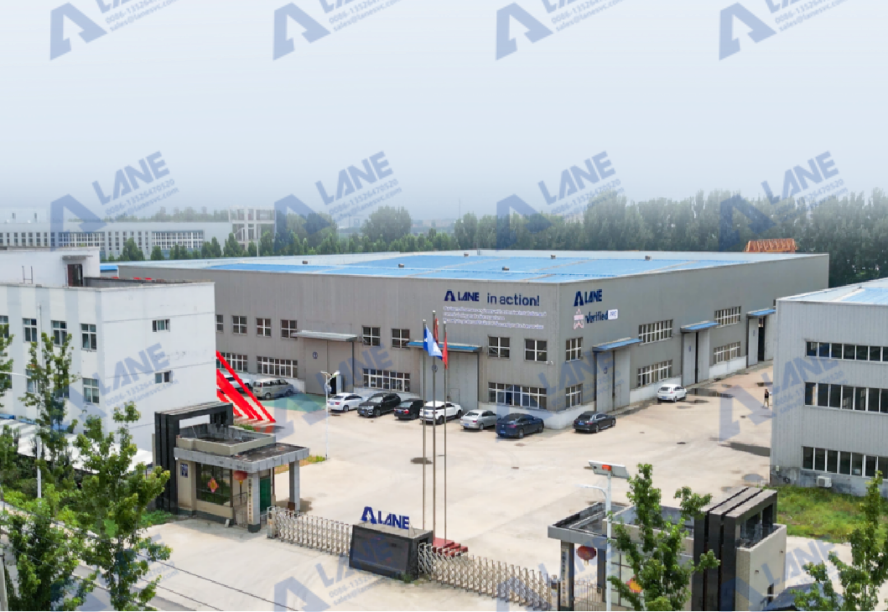
For more details, please feel free to contact us.
Henan Lane Heavy Industry Machinery Technology Co., Ltd.
Email: sales@lanesvc.com
Contact number: +86 13526470520
Whatsapp: +86 13526470520