

Tofu Cat Litter Raw Materials and Manufacturing Process: From Ingredients to High-Quality Pellets
Tofu Cat Litter Raw Materials and Manufacturing Process: From Ingredients to High-Quality Pellets
Tofu cat litter has become one of the most sought-after eco-friendly alternatives to traditional clay litter due to its biodegradability, low dust levels, flushability, and strong clumping performance. The foundation of a reliable tofu litter product is rooted in the tofu cat litter raw materials and manufacturing process, which together determine absorbency, odor control, pellet strength, and overall user satisfaction.
In this article we’ll break down the key materials used in tofu cat litter production and walk you through the complete process — from ingredient preparation to finished high-performance pellets — while highlighting how the right equipment and engineering approach from LANE Machinery enhances quality and efficiency.
1. What Are the Core Tofu Cat Litter Raw Materials?
Tofu cat litter is primarily made from plant-based, biodegradable components. Unlike clay litters that rely on mined minerals, tofu litter uses agricultural byproducts and natural binders, making it safer for pets and better for the environment.
Primary Ingredients
-
Soybean Residue (Okara / Soy Fiber): The backbone of tofu cat litter, okara is a byproduct from tofu or soy milk production. Its high fiber content creates a porous structure that absorbs moisture efficiently.
-
Corn Starch or Other Plant Starches: Used as a natural binder that helps pellets maintain shape and improve clumping behavior.
-
Guar Gum or Other Natural Binders: Added in smaller proportions to enhance pellet integrity and reduce breakage.
-
Calcium Carbonate: Often used as a filler and to help with odor control by neutralizing ammonia and other smells.
-
Optional Additives: Such as natural fragrances or antibacterial agents to further boost user experience without compromising biodegradability.
Understanding tofu cat litter raw materials and manufacturing process helps manufacturers ensure consistent pellet quality and long-term product performance in eco-friendly litter production.
Material Functions in Final Litter
Different raw materials contribute distinct performance characteristics in the finished product:
-
Soy fiber absorbs liquid rapidly and provides base structure.
-
Starches and binders ensure clump strength.
-
Calcium carbonate and odor modifiers help manage scent and hygiene.
These ingredients are selected and proportioned carefully to balance absorbency, clumping, dust control, and biodegradability — all essential to consumer expectations and market standards. A comprehensive approach to tofu cat litter raw materials and manufacturing process includes pre-treatment of high-moisture soybean residue, efficient mixing, and controlled pelletizing to achieve desirable absorbency and durability.
2. How Raw Materials Influence Pellet Performance
Understanding the relationship between tofu cat litter raw materials and final product performance is vital before designing the production process. When evaluating tofu cat litter raw materials and manufacturing process, it’s critical to account for moisture content and particle size to optimize clumping and minimize dust generation.
Moisture and Pellet Quality
Tofu byproducts often come with high moisture content. To ensure uniform pellet formation later in the line, materials must be conditioned and dried to a target moisture level (often around 10–15%), which significantly affects both pellet hardness and clumping performance.
Proper Material Ratios
Balancing the content of soybean residue, starch, and binders directly impacts absorbency and odor control. For example, too much starch may reduce absorbency even as it increases clump stability, while insufficient binder can lead to pellets that crumble under pressure.
These insights help manufacturers select the best proportion of raw materials for their product goals and guide the tofu cat litter raw materials and manufacturing process. 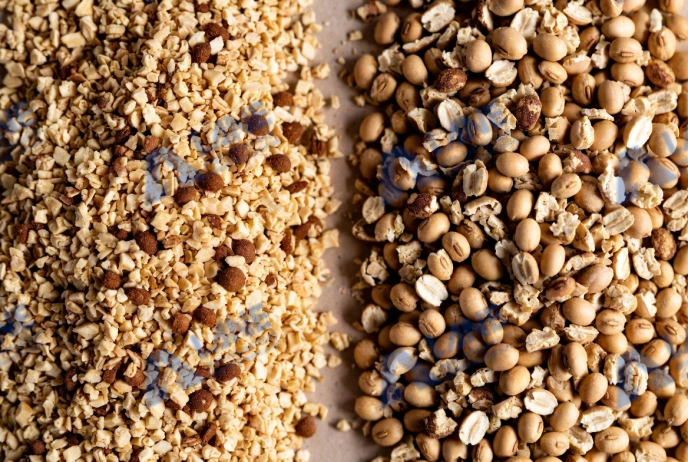
3. The Tofu Cat Litter Manufacturing Process Step by Step
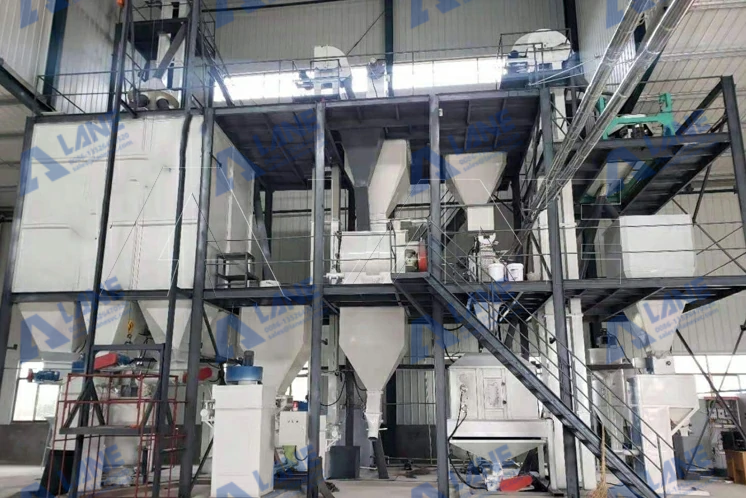
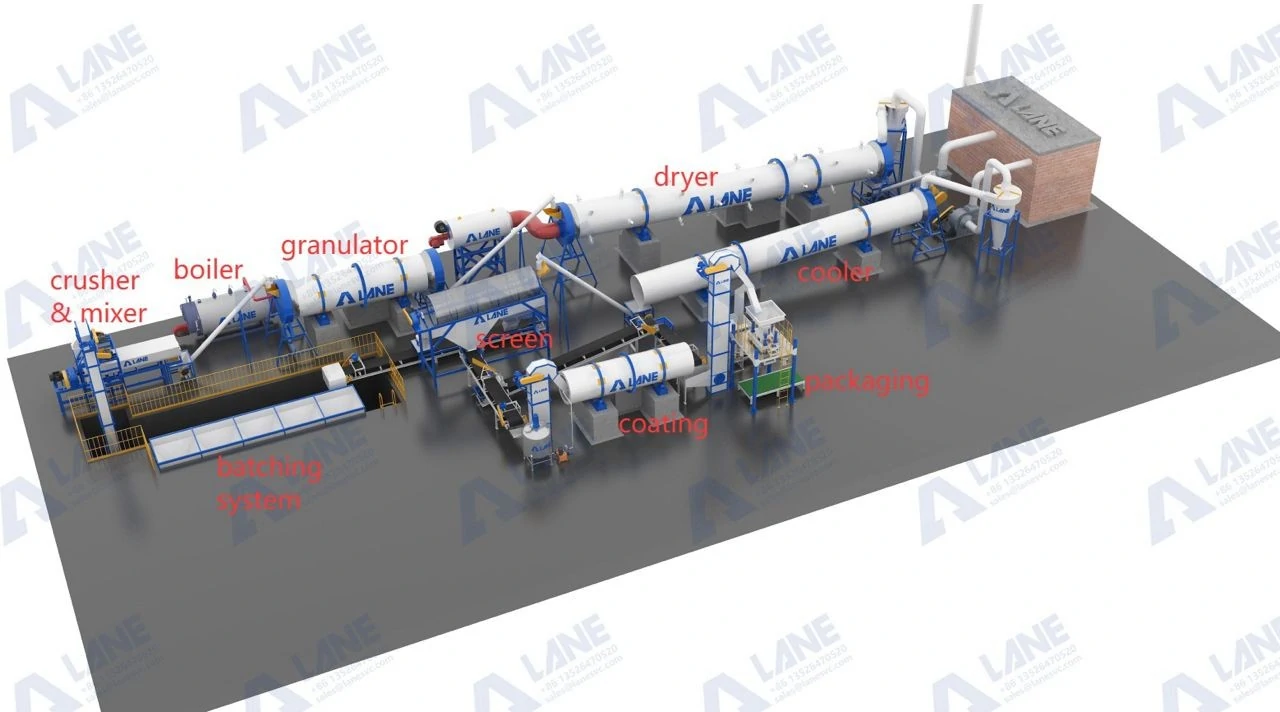
Evaluating tofu cat litter raw materials and manufacturing process early in plant design can reduce rework and waste during drying, screening, and packaging stages. A professional tofu cat litter raw materials and manufacturing process typically follows a structured flow that ensures consistent quality production at scale:
Step 1: Feeding and Preparation
Raw materials (soy fiber, starch, binder, additives) are first prepared and fed into the system, often using screw conveyors or elevators. This ensures a steady, controlled supply into the next stages.
Step 2: Mixing and Moisture Adjustment
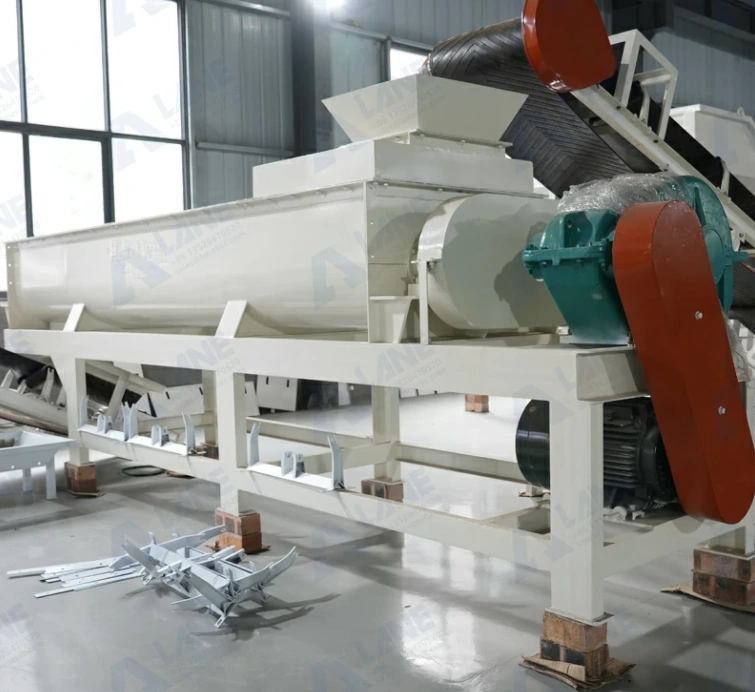
Materials are thoroughly mixed in a high-efficiency mixer with precise moisture control to create a uniform dough-like blend. At this stage, LANE’s mixers help maintain consistent material distribution, which is critical for stable pellet quality later.
Step 3: Granulation / Pellet Forming
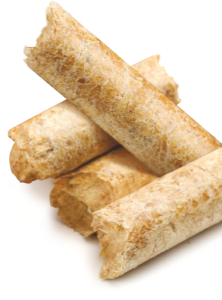
After mixing, the prepared material is directed into a granulator (such as a ring die or extrusion type) where it’s formed into pellets — usually around 2–4 mm in diameter — with uniform shape and density.
Step 4: Drying
Freshly formed tofu cat litter pellets contain residual moisture and must be dried to below 10% to improve hardness and storage stability. Dryers fitted in the production line remove this moisture at controlled temperatures.
Step 5: Cooling and Screening
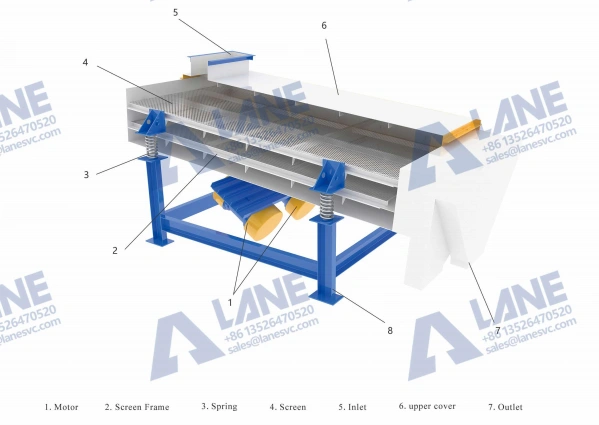
Once dried, pellets are cooled and then passed through vibrating screens to remove fines and separate off-spec particles. This step enhances consistency and prepares the product for packaging.
Step 6: Packaging
Final pellets are packed into moisture-proof packaging — often in 2kg, 5kg, or 10kg bags — ready for distribution. Automated packaging machines streamline this for volume production.
Each stage is designed to preserve performance attributes like clumping, low dust, and eco-friendliness, ensuring the final tofu cat litter product meets consumer expectations and regulatory standards.
4. Key Equipment Supporting the Process
A smooth and reliable tofu cat litter raw materials and manufacturing process depends on selecting the right machines:
- Raw Material Crushers
- Efficient Mixers
- Pelletizers / Granulators
- Dryers and Coolers
- Screeners and Packaging Systems
LANE Machinery’s engineering solutions for tofu cat litter raw materials and manufacturing process include tailored mixers and pelletizers that reduce operation variability and improve production line stability.
By choosing food-grade materials, corrosion-resistant contact parts, and optimized airflow designs, LANE Machinery’s integrated solutions help customers build reliable production lines with low dust and high throughput.
5. Practical Tips to Enhance Quality and Production Efficiency
To maximize the performance of your tofu cat litter line:
-
Start with high-quality soybean residue and natural binders to promote absorbency and clumping.
-
Control moisture precisely during mixing to avoid soft or friable pellets.
-
Use equipment with proper design for plant-based materials — anti-clogging features and sealed systems reduce dust and maintenance.
-
Monitor pellet size and moisture content throughout the line to catch deviations early and ensure consistent quality.
These practices result in tofu cat litter with good clumping performance, low dust production, and stable pellet strength, giving your product an edge in the eco-friendly cat care market.
6. Why Professional Support Matters for Tofu Cat Litter Production
A complete tofu cat litter raw materials and manufacturing process is more than just a series of steps — it requires engineering insight and support:
-
Raw material testing and formula adjustment help customize lines for local materials.
-
On-site commissioning and parameter setting ensure machines run optimally from day one.
-
Operator training and after-sales support reduce downtime and maintain product consistency over time.
LANE’s philosophy is to provide not just equipment, but complete, reliable solutions backed by engineering expertise and ongoing support — helping clients achieve efficient, high-quality tofu cat litter production.
7. Conclusion — Connecting Ingredients to Quality Performance
In modern cat litter factories, meticulous control of tofu cat litter raw materials and manufacturing process not only improves product performance but also supports environmental sustainability initiatives.
Tofu cat litter’s eco-friendly reputation stems from both the nature of its raw materials and the precision of its manufacturing process. By understanding the properties of plant-based ingredients and designing an optimized production flow with the right equipment, manufacturers can produce high-performance pellets with excellent clumping, low dust, and strong market appeal.
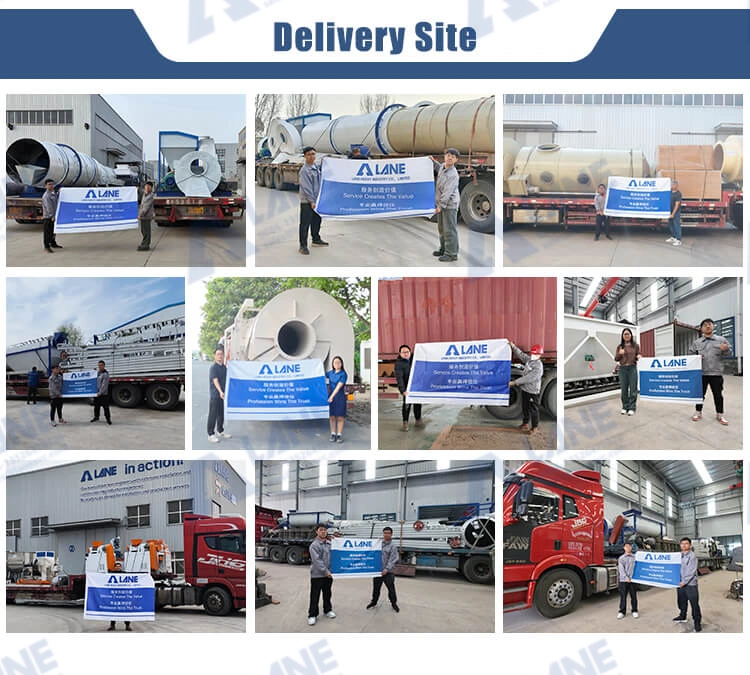
Real industrial projects show that optimized tofu cat litter raw materials and manufacturing process leads to low-dust, high-absorption products that meet export quality standards. Embracing a comprehensive tofu cat litter raw materials and manufacturing process not only ensures quality and efficiency but also supports brand strength in the growing sustainable pet care sector.
For more details, please feel free to contact us.
Henan Lane Heavy Industry Machinery Technology Co., Ltd.
Email: sales@lanesvc.com
Contact number: +86 13526470520
Whatsapp: +86 13526470520