

Tofu Cat Litter Raw Material Processing: Preparation, Consistency, and Industrial Readiness
Tofu Cat Litter Raw Material Processing: Preparation, Consistency, and Industrial Readiness
Table of Contents
-
Understanding Tofu Cat Litter Raw Material Processing
-
Common Raw Materials Used in Tofu Cat Litter Manufacturing
-
Key Quality Requirements for Tofu Cat Litter Raw Materials
-
Core Steps in Tofu Cat Litter Raw Material Processing
-
Processing Challenges When Handling High-Moisture Organic Materials
-
How Proper Raw Material Processing Improves Downstream Production Stability
-
Equipment Considerations for Tofu Cat Litter Raw Material Processing
-
Conclusion: Building a Reliable Foundation for Tofu Cat Litter Production
Understanding Tofu Cat Litter Raw Material Processing
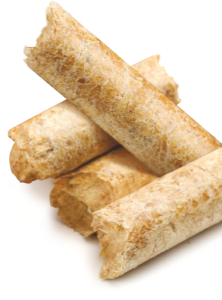
Tofu cat litter raw material processing is the first and arguably the most crucial step in ensuring a high-quality, stable end product. Unlike complete production line discussions, this stage focuses purely on preparing raw materials to meet the demands of consistent cat litter production. The goal is to standardize inputs, control moisture, and optimize material properties before they enter mixing, granulation, and drying stages.
Proper raw material processing also minimizes downstream challenges, allowing the production line to operate efficiently and maintain consistent pellet quality.
Common Raw Materials Used in Tofu Cat Litter Manufacturing
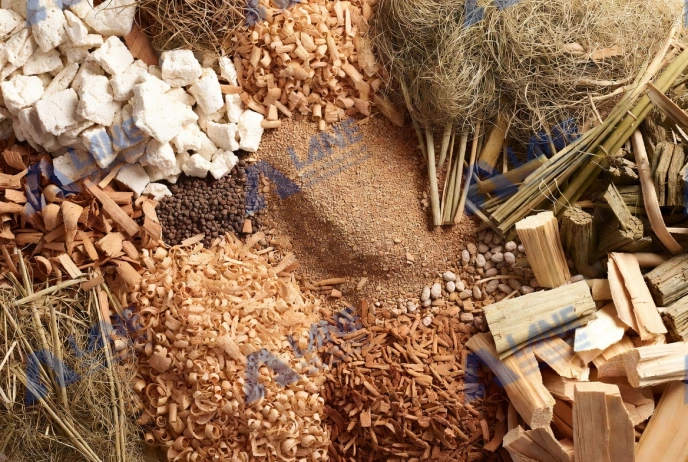
While soybean residue is one of the most widely used materials, tofu cat litter production can involve a variety of plant-based raw materials, each requiring specific processing approaches:
-
Soybean Residue – High in fiber, moisture-sensitive, and stable in supply.
-
Cassava-Based Materials – Starchy byproducts that require moisture and particle size control.
-
Plant Fibers and Starch-Based Byproducts – Offer alternative textures, but need additional pre-processing to remove impurities.
Understanding these materials allows manufacturers to tailor processing steps for optimal performance.
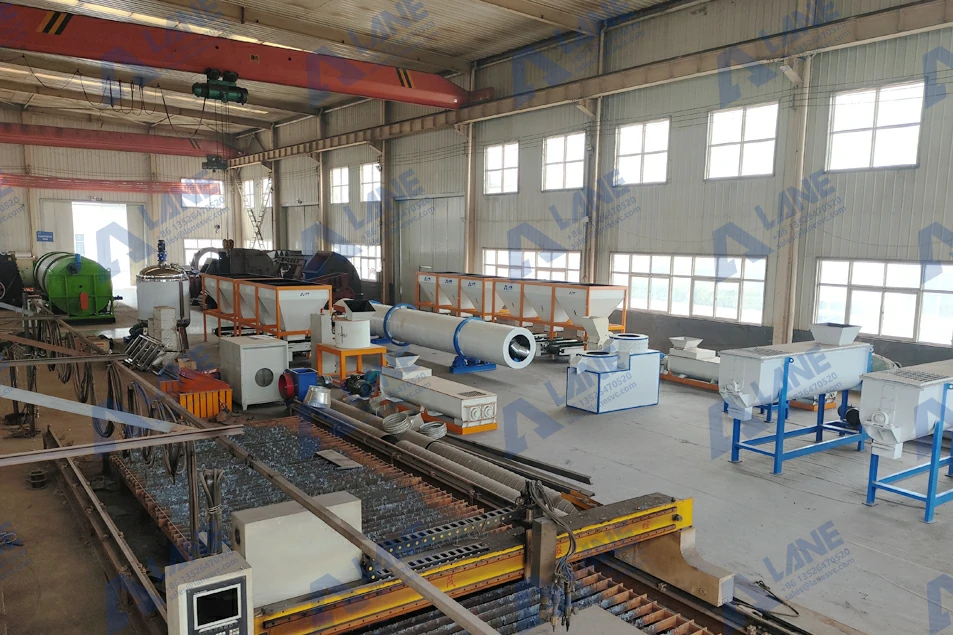
Key Quality Requirements for Tofu Cat Litter Raw Materials
Before materials enter the production line, they must meet specific quality standards:
-
Moisture Content: Keeping moisture within a precise range ensures downstream mixing and granulation efficiency.
-
Fiber Length and Structure: Uniform fiber helps pellets maintain shape and prevents excessive dust.
-
Impurities and Foreign Matter: Screening or sorting eliminates stones, shells, or other contaminants.
-
Odor and Stability: Raw material processing must reduce potential fermentation or sour smells.
By adhering to these requirements, manufacturers prevent variability in the final cat litter product.
Core Steps in Tofu Cat Litter Raw Material Processing
To achieve consistent quality, the following processing steps are recommended:
-
Pre-Sorting and Coarse Treatment
Raw materials are first inspected for large impurities. Coarse size adjustments may be required to facilitate uniform downstream processing. -
Grinding and Fiber Adjustment
Adjusting particle size or fiber length is crucial for achieving proper pellet formation. This step often involves hammer crushers, cage crushers, or vertical crushers. -
Homogenization and Pre-Mixing
Ensures that moisture and particle distribution are uniform. This is critical to avoid soft or uneven pellets. -
Moisture Regulation
High-moisture raw materials need controlled drying, while overly dry materials may require added humidity. Proper moisture regulation prevents dust formation and ensures pellet stability. -
Material Readiness Check
After all processing, raw materials should be tested for moisture, particle uniformity, and fiber integrity before entering the production line.
These steps collectively define tofu cat litter raw material processing, setting the stage for reliable downstream production.
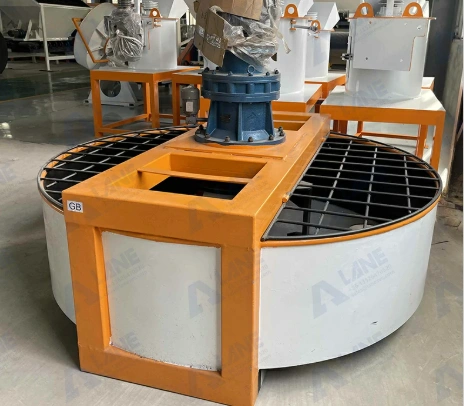
Processing Challenges When Handling High-Moisture Organic Materials
High-moisture plant byproducts, such as soybean residue or cassava pulp, present several processing challenges:
-
Variability in Water Content: Seasonal or supplier differences may alter moisture levels.
-
Material Stickiness: High moisture can cause clumping in mixers or crushers.
-
Storage Stability: Wet raw materials can ferment if not processed promptly.
Addressing these challenges requires equipment capable of flexible handling and robust pre-processing protocols.
How Proper Raw Material Processing Improves Downstream Production Stability
Efficient raw material processing directly affects:
-
Pellet Consistency: Uniform input leads to uniform size, density, and clumping strength.
-
Drying Efficiency: Pre-processed material dries evenly, reducing energy consumption and processing time.
-
Overall Line Performance: Stable raw material properties reduce jams, breakdowns, and unnecessary downtime.
By implementing these practices, manufacturers ensure that their cat litter production line operates smoothly and predictably.
Equipment Considerations for Tofu Cat Litter Raw Material Processing
Selecting the right equipment is key to successful raw material handling. Consider:
-
Adaptability: Machines must handle different raw material types and moisture levels.
-
Adjustability: Settings for particle size, fiber length, and blending intensity are critical.
-
Ease of Maintenance: Components should be easy to clean and replace to reduce downtime.
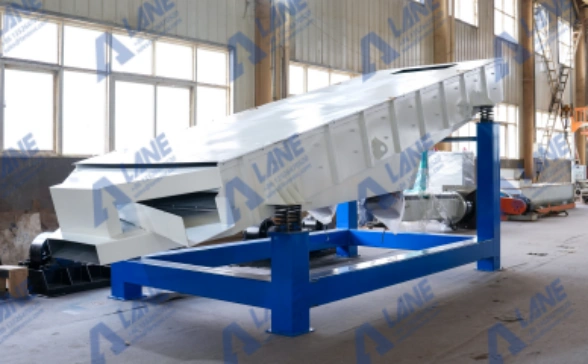
Manufacturers should focus on equipment systems rather than single devices, ensuring that the pre-processing stage feeds the production line efficiently.
Conclusion: Building a Reliable Foundation for Tofu Cat Litter Production
Tofu cat litter raw material processing is the backbone of stable and scalable production. By understanding material characteristics, controlling quality parameters, and employing appropriate equipment, manufacturers lay the groundwork for high-quality, consistent cat litter products.
Proper pre-processing not only reduces production risks but also enhances downstream efficiency and product performance. For a full view of integrated production, visit our solution page on Tofu Cat Litter Production From Soybean Residue for guidance on combining raw material processing with complete production line planning.
LANE has been dedicated to fertilizer and cat litter equipment for over twenty years. With first-class customized designs, it can meet diverse needs. The efficient response mechanism helps you solve equipment problems. The full-process service ensures you have the best experience.
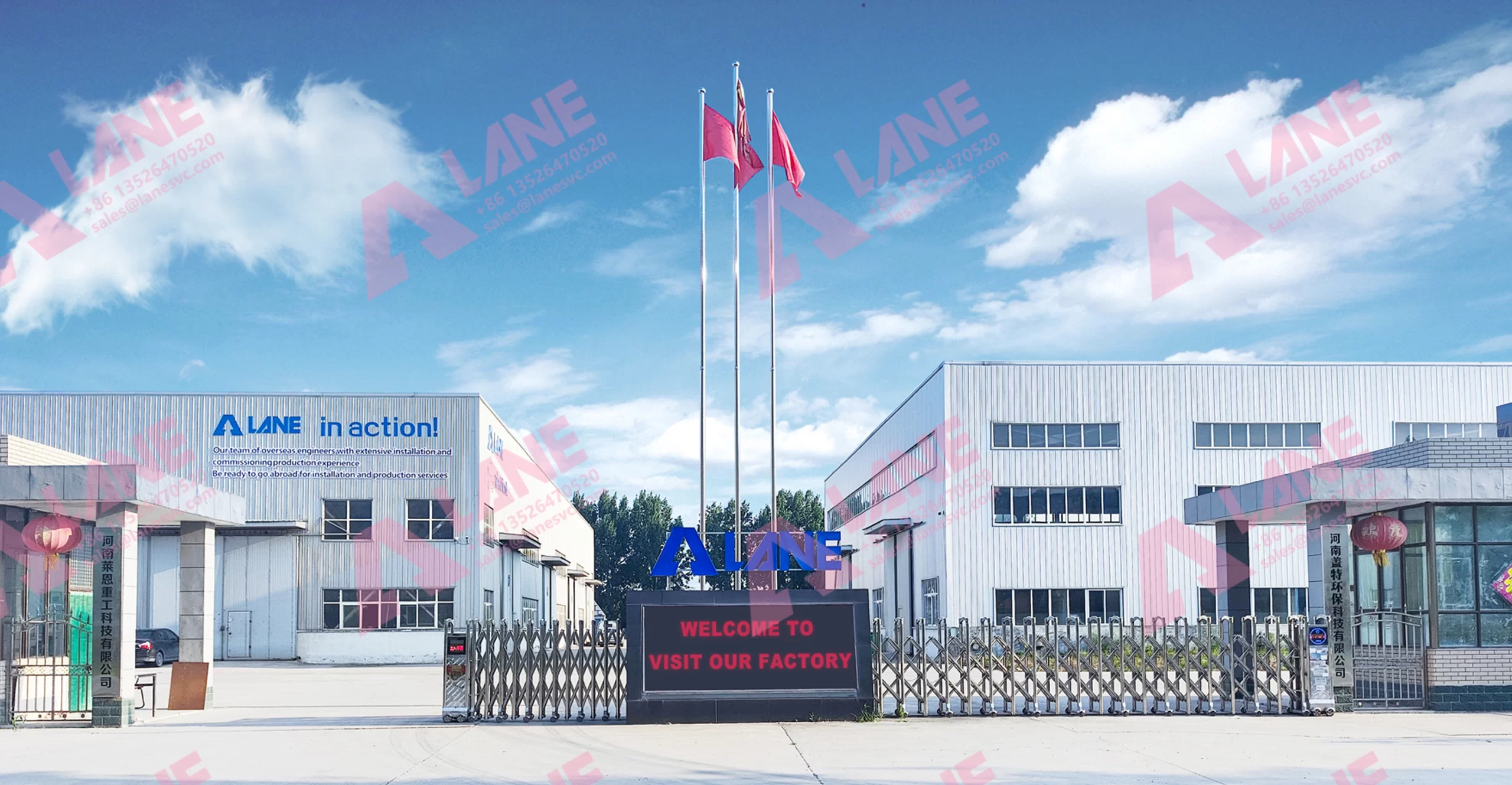
For more details, please feel free to contact us.
Henan Lane Heavy Industry Machinery Technology Co., Ltd.
Email: sales@lanesvc.com
Contact number: +86 13526470520
Whatsapp: +86 13526470520