

Tofu Cat Litter Production Process: From Bean Dregs to a Bag That Clumps
Tofu cat litter looks like a simple product: press soybean residue into pellets, dry them, bag them. The failures show up later, in the bag. Pellets that crumble in the box, dust that coats the bottom, a clump that breaks apart when the scoop lifts it.
The tofu cat litter production process is a moisture and starch process, not a pressing process. Get the water, the binder, and the drying curve right and the pellet behaves. Get them wrong and the line runs, the bags ship, and the complaints arrive three weeks later.
Why tofu is not bentonite
Bentonite litter is mined, crushed, and sized. Tofu litter is formulated and extruded. That difference decides the equipment list.
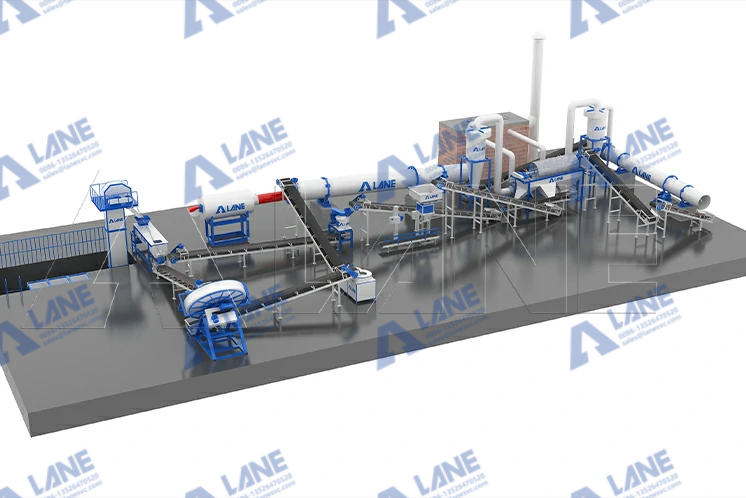
A tofu line needs a grinder, a mixer, an extruder, a dryer, a cooler, a screen, and a packing machine. A bentonite line needs crushing, sieving, and often granulation, but no starch gelatinization and no drying at the same moisture levels.
The tofu cat litter manufacturing plant is also more sensitive to feedstock. Wet bean dregs spoil within hours. Starch quality changes batch to batch. A formula that works in a lab mixer can fail in a continuous extruder.
The feedstock, and the clock
The base is soybean fiber, the residue left after soy milk or tofu production. It arrives wet, often at 70 to 80 percent moisture, and it starts fermenting quickly. That is the first design constraint: storage time, not storage space.
Starch, usually corn or tapioca, provides the binding and the clumping structure. A small amount of guar gum or a similar hydrocolloid helps the pellet hold together. Water is added at the mixer to reach the extrusion moisture, and optional additives handle odor or color.
Two practical rules follow. First, wet dregs need a use-it-or-dry-it plan, which usually means a dryer or a nearby supplier. Second, the formula should be fixed by a lab trial on your actual starch and fiber before the extruder is specified.
The tofu cat litter production process, step by step
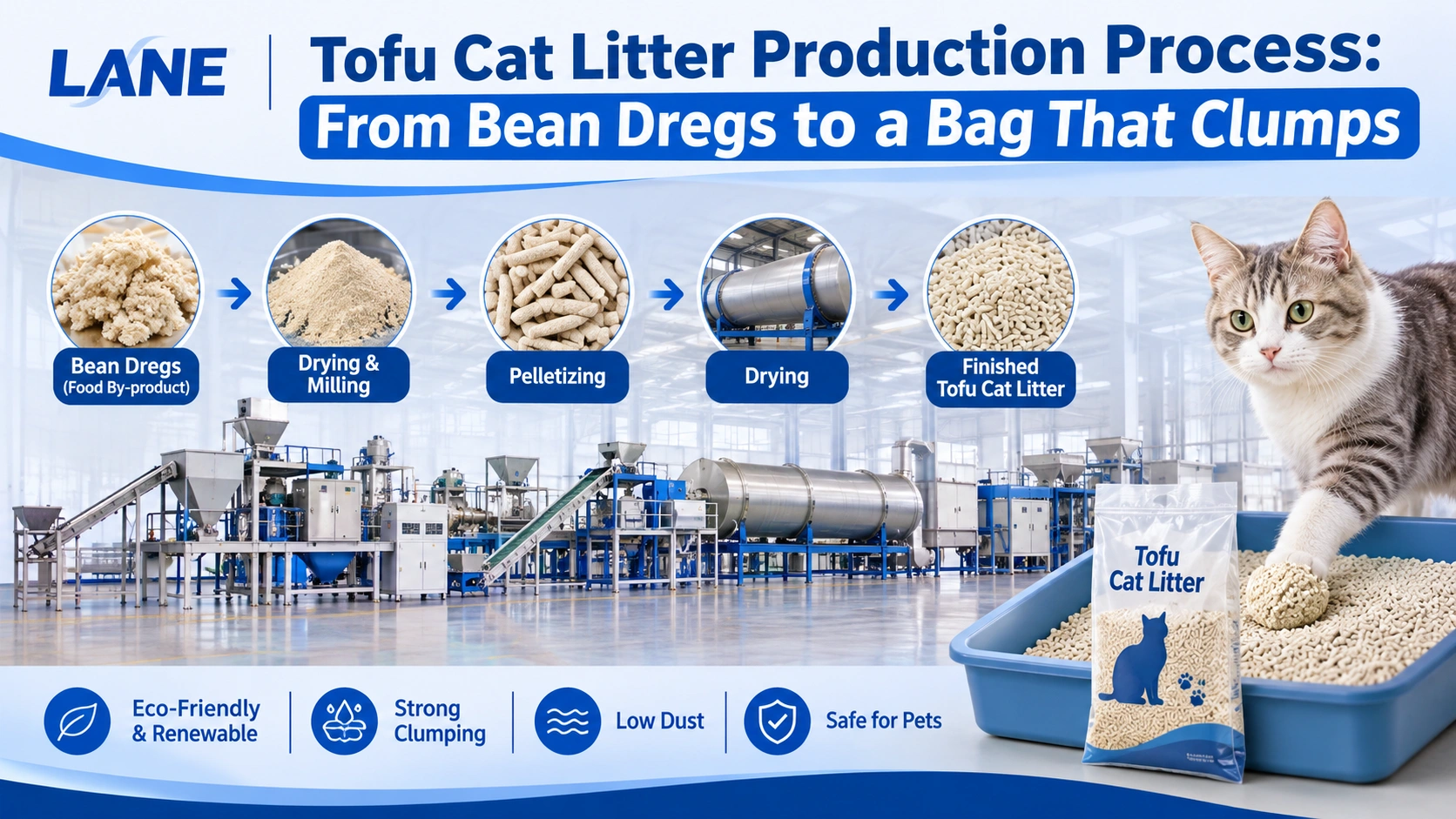
A published cat litter production system runs material through mixing, metal removal, fine mixing, molding, residue screening, drying, and packaging. Tofu lines follow the same logic with a wet feed.
Mixing comes first. A ribbon mixer or paddle mixer blends fiber, starch, and water into a uniform dough. Uniformity matters more than speed: dry pockets become weak pellets.
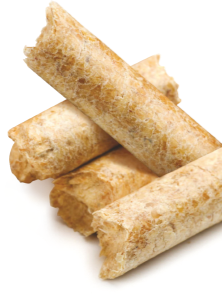
Extrusion is the step that decides the product. A twin-screw extruder or a flat-die pellet mill pushes the dough through a die at controlled temperature. One published tofu process runs extruder zones between 62 and 67 degrees Celsius, hot enough to gelatinize starch without cooking the fiber into a paste.
Drying follows. A multi-layer belt dryer or a rotary dryer brings the pellets from roughly 30 to 35 percent moisture down to a finished level that is usually below about 10 percent. The drying curve, not the setpoint, decides whether the pellet case-hardens.
Cooling, screening, and packing close the line. A vibrating screen separates fines and oversize, a cooler brings the pellet to bagging temperature, and an automatic packing machine fills 5, 10, or 20 kilogram bags.
The tofu cat litter making machine that matters most
Every unit on the line has a job, but the extruder sets the ceiling on quality.
The die diameter sets the pellet size, usually 2 to 4 millimetres. The die length and the screw configuration set the pressure and the starch cook. The cutter sets the length, usually 5 to 15 millimetres. Change one and the drying behavior changes with it.
A tofu cat litter making machine sold on tonnage alone often arrives with a die and screw set that suits one formula. Ask for the die options, the screw configuration, and the residence time at your moisture. Ask what happens when the starch supplier changes.
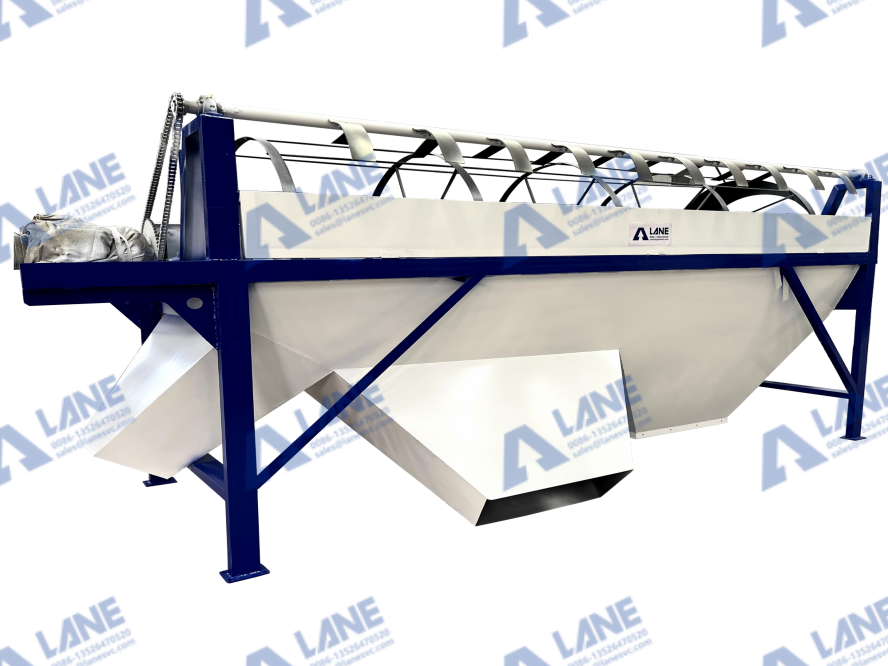
The dryer is the second decision. Belt dryers are gentler and easier to control per zone; rotary dryers are cheaper per tonne and less forgiving. For a product that has to clump, gentle drying usually pays for itself in fewer cracked pellets.
Water, energy, and the drying bill
Drying is the largest operating cost in most tofu lines, and the number is easy to calculate before the quotation.
One tonne of wet pellets at 35 percent moisture contains 350 kilograms of water and 650 kilograms of dry solids. Drying to 10 percent leaves about 72 kilograms of water in the product, so the dryer removes roughly 278 kilograms of water per tonne of wet feed.
Scale that by tonnage and by the dryer efficiency, and you have the fuel or steam demand. A line that looks cheap on equipment can lose the business case on drying energy.
Recovering waste heat from the dryer exhaust, or pressing more water out before drying, changes that number more than a discount on the machine.
Screening, dust, and the fines loop
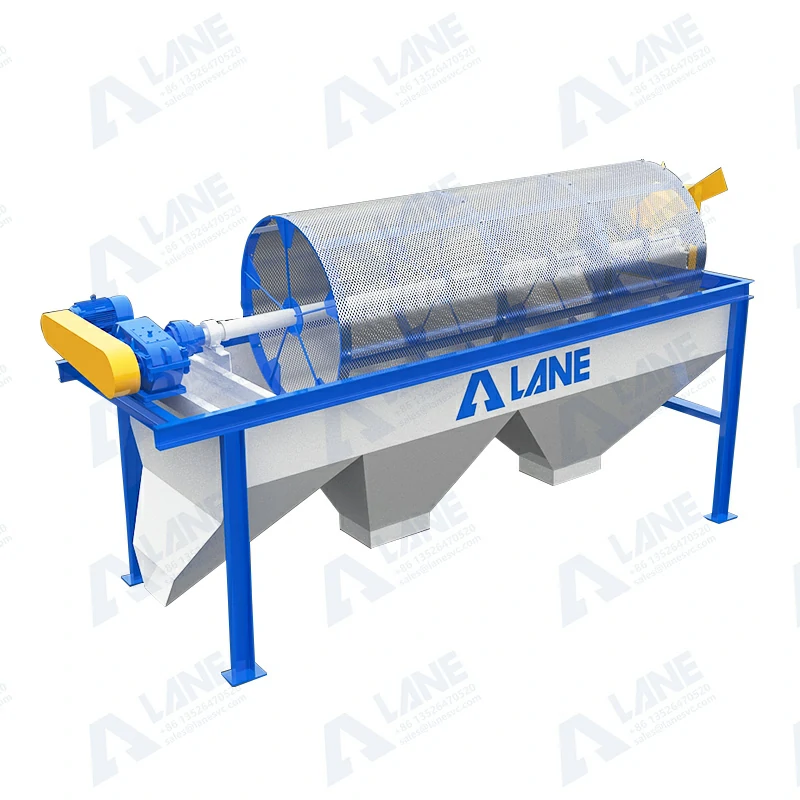
Tofu pellets break. The screen is not a quality check at the end; it is a capacity device in the middle.
Fines return to the mixer, oversize goes to a cage crusher and back, and on-spec pellets go to cooling and packing. A line without a fines loop sends product value to the floor and dust to the bag.
A tofu cat litter manufacturing plant that ignores dust control will fail its own bagging line inspection. Dust control belongs at every transfer: mixer discharge, extruder feed, dryer exit, screen, and packing head. A bag filter at each point costs less than the complaints and the cleanup.
What buyers test before they sign
Cat litter is judged by performance, not by appearance.
The usual tests are clumping strength, water absorption rate, dust content, pellet hardness, and finished moisture. Mold and microbial load matter for export and for long storage. Flushability claims need a dispersion test, not a marketing line.
Ask the supplier which tests the line is guaranteed against, and at what moisture and pellet size. A guarantee on tonnage alone does not cover any of them.
Sizing a tofu cat litter manufacturing plant
Start from the bag, not the machine. The tofu cat litter making machine is sized from the bag backward, not from the catalog.
A 1 tonne per hour line running 300 days at two shifts produces roughly 4,800 tonnes a year. At 10 kilogram bags, that is 480,000 bags. Check that number against your market before sizing the extruder.
Then work backward through the dryer. One tonne per hour of wet feed needs about 278 kilograms of water removed per hour. The dryer, the boiler or burner, and the exhaust handling are sized on that water load, not on the tonnage.
A tofu cat litter manufacturing plant sized on extruder tonnage alone will undersize the dryer. The building follows the dryer. Belt dryers are long and need floor space; rotary dryers are shorter and taller. A tofu cat litter manufacturing plant designed around a rotary dryer will not fit a belt dryer without a new layout.
What the line costs, and what quotes omit
There is no honest single price for the tofu cat litter production process. The number moves with capacity, dryer type, automation, stainless steel, and how much of the building and utilities sit inside the battery limits.
FAQ
What is tofu cat litter made of?
Soybean fiber left over from soy milk or tofu production, starch, water, and a small amount of binder. Some products add odor control agents.
How is tofu cat litter made?
The fiber, starch, and water are mixed into a dough, extruded into pellets, dried below about 10 percent moisture, cooled, screened, and packed.
How long does the tofu cat litter production process take?
Mixing and extrusion take minutes. Drying usually takes tens of minutes to a few hours depending on the dryer and pellet size. Total line time is dominated by drying and cooling.
What capacity should a tofu cat litter making machine have?
Start from annual sales, then divide by operating days and shifts. A 1 tonne per hour machine running 300 days at two shifts produces roughly 4,800 tonnes a year, which is more than most new brands can sell.
How much land does a tofu cat litter manufacturing plant need?
It depends on the dryer. Belt dryers are long and need floor space; rotary dryers are shorter and taller. Layout the dryer first, then the mixing and packing areas around it.
What moisture should the pellets be before drying?
Roughly 30 to 35 percent after extrusion. The exact figure depends on the formula and the die.
Why does tofu cat litter crumble?
Usually too little binder, poor starch gelatinization, or drying that is too fast. The pellet case-hardens and cracks instead of drying evenly.
How much does a tofu cat litter making machine cost?
It depends on capacity, dryer type, and scope. A complete line costs several times a single extruder, and the dryer is usually the largest single item.
Can the same line make bentonite litter?
Not without changes. Bentonite is crushed and sized, not extruded and dried, so the equipment set is different.