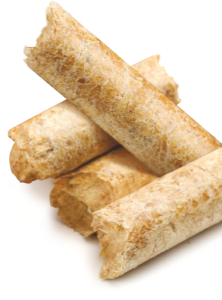


Tofu Cat Litter Production Line Cost: What Buyers Need Before They Budget
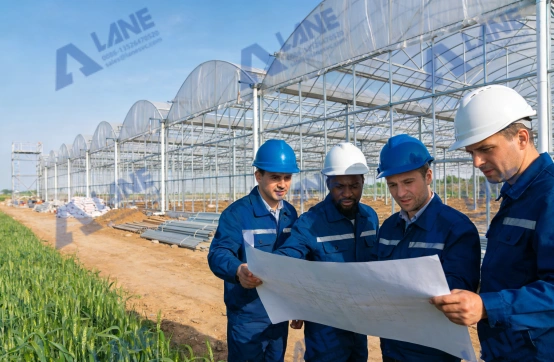
The first question most investors ask about a tofu cat litter project is simple: what does a tofu cat litter production line cost? The useful answer is not a single number. It is a cost framework that separates raw material preparation, extrusion, drying, screening, and packaging from the site, utilities, installation, and working capital a plant needs before it sells its first bag.
This guide is written for pet product manufacturers, factory investors, engineers, procurement managers, and project contractors. It follows the decision from market and product definition to process, equipment, cost, operations, and supplier selection.
Why tofu cat litter is becoming a mainstream pet product
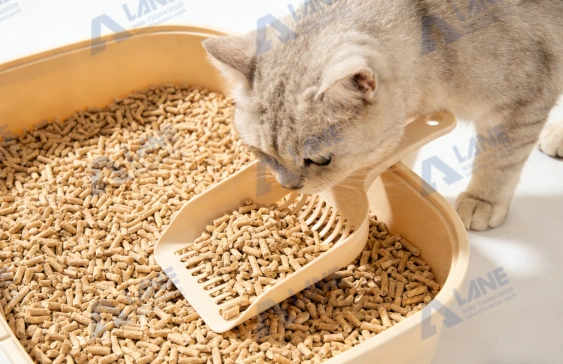
Tofu cat litter is made from plant-based materials such as soybean fiber, corn starch, guar gum, and pea fiber. It is biodegradable, low dust, flushable in many markets, and it clumps when wet, which makes it attractive to cat owners who want an eco-friendly alternative to clay litter.
The market has been growing with the pet industry. Market research published in 2026 estimated the global tofu cat litter market at about USD 1.27 billion in 2025, with a projected value of about USD 2.32 billion by 2032 and a compound annual growth rate of roughly 8.6 percent. The same research identifies tofu and plant-based formulations as a major driver of the broader plant-based cat litter category.
For an investor, those numbers explain the interest, but they do not explain the project. The tofu cat litter production line cost depends on the raw material supply, the capacity, the product specification, and the supplier’s scope of supply.
What a complete tofu cat litter production line includes
A tofu cat litter production line is an equipment sequence, not a shopping list. Each machine changes the material for the next stage, so the configuration has to start with the raw material and the finished product.
The core stages are:
- Raw material receiving, drying, grinding, and storage.
- Formula batching and dosing.
- Mixing and gelatinization.
- Extrusion and pellet forming.
- Drying and cooling.
- Screening and dust removal.
- Fragrance or additive coating.
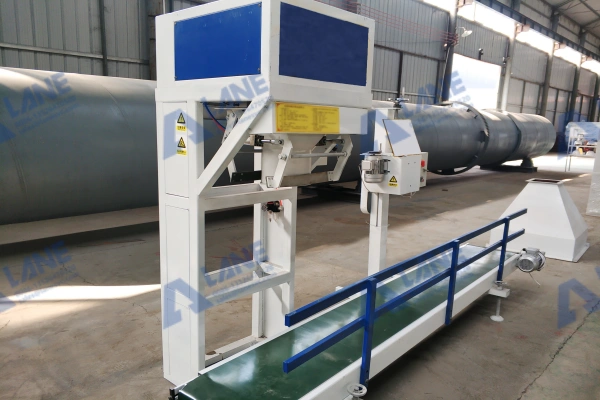
- Automatic weighing and packaging.
- Dust collection and process control.
When the scope is vague, the tofu cat litter production line cost becomes a list of machine prices. When it is written clearly, buyers can compare proposals against the same capacity, product, and delivery basis.
Tofu cat litter production line: process and product options
The process starts with the raw material. Soybean residue, often called okara, is the most common base. Fresh okara has high moisture and can ferment quickly, so it has to be dried or processed soon after collection. Some plants buy dry soy pulp powder, which is easier to store and batch. Corn starch, guar gum, pea fiber, calcium carbonate, and additives are blended into the formula to control clumping, hardness, dust, and odor.
The manufacturing route has two common forms:
- Extruded tofu cat litter, where the mixed dough is pushed through a die under pressure and cut into uniform pellets.
- Pelletized tofu cat litter, where dried powder is conditioned and pressed through a ring die to form dense cylinders.
Both routes need drying after forming, because the pellets carry moisture from mixing or conditioning. The dryer design is a major cost driver, and it affects product quality more than most buyers expect. A tofu cat litter production line that skips or undersizes the dryer will produce soft, dusty pellets that fail in the market.
Product options include:
- Standard tofu cat litter with basic clumping.
- Fragranced tofu cat litter with added odor control.
- Mixed tofu and bentonite litter for stronger clumping.
- Ultra-low-dust and flushable formulations.
- Colored or specialty pellets for brand differentiation.
The product range should be fixed before the line is specified, because fragrance spraying, coating, and packaging change the equipment list.
Tofu cat litter manufacturing plant: equipment and layout
The equipment in a tofu cat litter manufacturing plant follows the process:
| Stage | Core equipment | Main job |
|---|---|---|
| Raw material | Dryer, grinder, screw conveyor | Reduce moisture and create uniform powder |
| Batching | Hopper, scale, dosing system | Control the formula ratio |
| Mixing | Double shaft or ribbon mixer | Create a uniform dough or powder blend |
| Forming | Extruder or ring die pellet mill | Form pellets with consistent density |
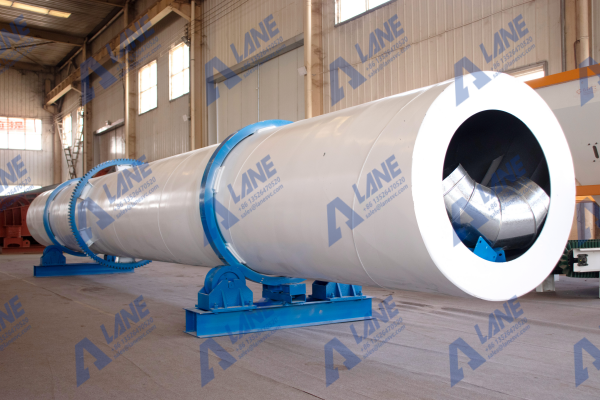
| Drying | Rotary or belt dryer | Remove moisture without damaging the product |
| Cooling | Cooler | Stabilize pellet temperature |
| Screening | Vibrating screen | Remove fines and broken pellets |
| Coating | Coating machine | Add fragrance or dust-control agents |
| Packaging | Automatic scale, bagging machine | Produce saleable bags |
| Environmental | Dust collector, air handling | Control dust and odor |
The layout should separate the wet side from the dry side. Raw material drying, mixing, extrusion, and drying generate moisture and heat. Screening, coating, and packaging need a cleaner environment because dust and fines affect bag weight and brand quality.
A tofu cat litter manufacturing plant also needs warehouse space for raw materials and finished goods, plus utilities sized for the dryer and extruder. Electricity demand is a recurring operating cost that should be estimated before the equipment is selected.
Working principles and technical advantages
The working principle of tofu cat litter production is starch-based binding and extrusion forming.
When the plant-based powder is mixed with water, the starch swells and gelatinizes. The mixture becomes a cohesive dough that can be shaped by an extruder or pellet mill. The pellets are then dried to a stable moisture level, cooled, screened, and coated.
The technical advantages of a well-designed line are:
- Consistent pellet size and density.
- Low dust through proper drying and screening.
- Reliable clumping when starch and binders are dosed correctly.
- Formula flexibility for fragrance, color, and additive changes.
- Higher output per line when the extruder and dryer are balanced.
The main process risk is moisture control. If the dough is too wet, the pellets deform and the dryer becomes a bottleneck. If it is too dry, the pellets break apart. The mixer, extruder, and dryer have to be designed as one system, not bought piece by piece.
Working principles and technical advantages
The working principle of tofu cat litter production is starch-based binding and extrusion forming.
When the plant-based powder is mixed with water, the starch swells and gelatinizes. The mixture becomes a cohesive dough that can be shaped by an extruder or pellet mill. The pellets are then dried to a stable moisture level, cooled, screened, and coated.
The technical advantages of a well-designed line are:
- Consistent pellet size and density.
- Low dust through proper drying and screening.
- Reliable clumping when starch and binders are dosed correctly.
- Formula flexibility for fragrance, color, and additive changes.
- Higher output per line when the extruder and dryer are balanced.
The main process risk is moisture control. If the dough is too wet, the pellets deform and the dryer becomes a bottleneck. If it is too dry, the pellets break apart. The mixer, extruder, and dryer have to be designed as one system, not bought piece by piece.
Investment factors: tofu cat litter production line cost breakdown
The tofu cat litter production line cost has to be split into capital and operating budgets.
A 0.5 tons per hour complete line in Thailand was documented at about USD 58,000 in equipment investment. A 1 ton per hour soybean cat litter line in Poland was documented at about USD 218,000 total investment, with raw material cost around USD 210 per ton and electricity consumption around 180 kWh per ton. A 3 tons per hour tofu cat litter line in Vietnam entered commissioning with tofu residue and corn fiber as primary raw materials.
Those numbers are project examples, not a universal price list. The tofu cat litter production line cost changes with capacity, automation, dryer type, packaging, and the supplier’s scope.
The full capital budget includes:
- Raw material preparation and drying equipment.
- Mixing, extrusion, and drying systems.
- Screening, coating, and packaging equipment.
- Dust collection and process control.
- Civil works, electrical, and utility connections.
- Installation, commissioning, and operator training.
- Raw material inventory and working capital.
Small semi-automated lines can be started with a relatively modest equipment budget, but buyers should add 20 to 50 percent above equipment price for site work, installation, and commissioning. A plant quoted only on machines will be under-budgeted by the time it produces its first bag.
A larger tofu cat litter manufacturing plant with more automation changes the split between equipment and civil works, and it also changes the spare parts and maintenance burden.
Operating cost and ROI
Operating cost for a tofu cat litter plant follows a predictable pattern. Raw materials are the largest recurring cost. Soybean residue, corn starch, guar gum, additives, and packaging can represent more than half of production cost depending on local supply.
Electricity is the second major cost because extrusion and drying are energy intensive.
Labor, maintenance, packaging, quality testing, and logistics make up the rest.
ROI should be modeled on selling price, utilization, and raw material availability. Published project examples show that utilization is the difference between a profitable line and an idle one. A 1 ton per hour line recovering its investment within 8 to 10 months is a scenario, not a guarantee. Buyers should pressure-test the model with local prices and a realistic ramp-up schedule.
Project execution, schedule, and risk management
Construction time for a tofu cat litter manufacturing plant depends on equipment lead times, civil works, and the supplier’s installation team. Small lines can be installed and commissioned within a few months. Larger plants with drying, coating, and automatic packaging need more time.
The main schedule risks are:
- Raw material supply and quality variation.
- Extruder and dryer lead times.
- Moisture control during commissioning.
- Dust control and ventilation.
- Packaging line integration.
- Operator training before the first commercial batch.
The commissioning plan should include a raw material test, line balancing, and a trial production run. Performance tests should be written into the contract before equipment is ordered, with agreed reference conditions for raw material moisture, ambient temperature, and pellet quality.
Operations, maintenance, and quality control
Maintenance on a tofu cat litter manufacturing plant is continuous rather than difficult. The highest-wear points are the mixer paddles, extruder screws or dies, dryer flights, screens, and conveyor belts.
Keep a daily checklist for material build-up, belt tracking, bearing temperature, and screen condition. Check raw material moisture on arrival because okara can vary between batches. Check dough moisture before extrusion, pellet moisture after drying, and fines after screening.
Quality control should test:
- Pellet size and length.
- Hardness and breakage.
- Moisture content.
- Clumping speed.
- Dust generation.
- Odor and fragrance consistency.
For products sold as flushable, the manufacturer should verify that the formulation and pellet size behave correctly in the target disposal system. Exporters should confirm the labeling and material requirements for each destination market.
Supplier selection and procurement checklist
Supplier selection should start with process fit, not machine price, when comparing a tofu cat litter production line cost.
Ask each candidate for:
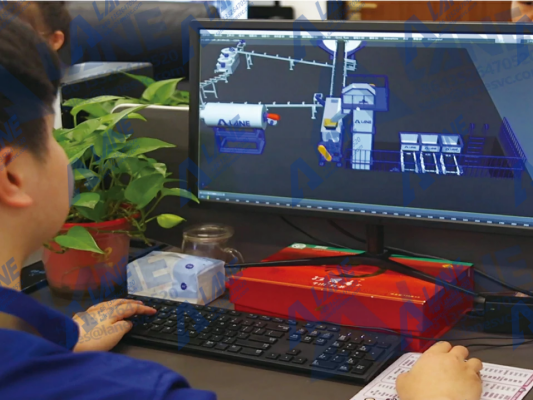
- A process flow diagram, material balance, and plant layout.
- A production test using your raw materials.
- A complete equipment list with capacity and installed power.
- A written dryer and dust-control specification.
- A scope split between equipment, engineering, civil works, installation, freight, and commissioning.
- References at comparable scale with contactable owners.
- Documentation for ISO 9001, CE, and material certificates.
- A spare parts policy and delivery time to the site.
Ask whether the supplier has built a tofu cat litter manufacturing plant or only a pellet mill line. The difference is not the extruder. It is the raw material preparation, drying, screening, and packaging system around it.
A qualified supplier will ask about raw material moisture, formula, pellet size, dust target, and packaging before quoting. If the supplier only asks about capacity, the tofu cat litter production line cost will not survive the first engineering review.
Project cases and market signals
Public project material shows that a tofu cat litter manufacturing plant is being built at industrial scale.
A 0.5 tons per hour line in Thailand was delivered with about USD 58,000 in equipment investment. A 1 ton per hour soybean cat litter line in Poland was documented with a total investment of about USD 218,000 and an expected raw material cost of about USD 210 per ton. A 3 tons per hour tofu cat litter pellet line in Vietnam entered commissioning using tofu residue and corn fiber, and a 5 tons per hour plant in Indonesia was completed and installed.
The Circle Economy Foundation has documented YONG LIN’s efforts to build a local tofu-based cat litter supply chain, turning soy pulp powder into eco-friendly litter through mixing, granulating, drying, and screening. That case shows how raw material sourcing can become part of the business model.
For a buyer, the lesson is to compare the process logic of the case, not the headline price. A case that explains raw material moisture, drying, screening, and commissioning is more useful than a case with a low price and no engineering detail.
LANE Machinery supplies cat litter production lines and fertilizer production equipment, and can design a tofu cat litter manufacturing plant with raw material preparation, extrusion, drying, screening, coating, and packaging under one process scope.
Frequently Asked Questions
What raw materials are used for tofu cat litter?
The main materials are soybean residue or okara, corn starch, guar gum, pea fiber, calcium carbonate, and additives such as fragrance. Some producers use dry soy pulp powder, which is easier to store and batch than fresh okara.
How long does it take to build a tofu cat litter manufacturing plant?
Small lines can be installed and commissioned within a few months. Larger plants with drying, coating, and automatic packaging need more time for equipment lead times, civil works, and commissioning.
Is tofu cat litter flushable?
Many tofu cat litter products are marketed as flushable because the plant-based pellets break down in water. Manufacturers should verify the formulation, pellet size, and disposal behavior for the target market before making a flushable claim.
What equipment is needed for tofu cat litter production?
The core set includes raw material drying and grinding, batching, mixing, extrusion or pellet forming, drying, cooling, screening, coating, packaging, and dust collection. The dryer and extruder must be balanced to control moisture.
Can one line produce different types of cat litter?
Yes, with the right configuration. A line can produce standard tofu litter, fragranced litter, mixed tofu and bentonite litter, and specialty pellets if the formula dosing, coating, and packaging systems are designed for changeover.
How do I choose a tofu cat litter production line supplier?
Compare raw material testing, process engineering, extruder and dryer balance, dust control, packaging integration, installation support, spare parts, and references. Ask for a process flow diagram, material balance, and plant layout, and confirm the supplier has built a similar project.