

Tofu Cat Litter Equipment: The Complete Guide to Production Lines, Machines, and Plant Investment
If you are reading this, you are not shopping for a single machine. You are deciding whether to build a tofu cat litter production line, and which tofu cat litter equipment supplier you can trust with a large capital investment. That deserves a real answer, not a machine price.
This guide orders the decisions the way a serious buyer makes them: market pull, process, equipment, cost and payback, technical tradeoffs, operations, and vendor qualification. We flag the variables that vary by site so you can price your own project.
Why Plant-Based Litter Is Gaining Ground
Cat ownership keeps climbing in mature markets, and owners read the box, not just the price. Clay and bentonite litter face questions about dust, mining footprint, and landfill. Plant-based alternatives, and tofu or soybean litter in particular, answer those concerns with a flushable, biodegradable product that clumps well and tracks less.
Association data from the American Pet Products Association (APPA) puts pet ownership near two-thirds of U.S. households, with total industry spending in the hundreds of billions. Natural and plant-based litter is the fastest-moving niche, and the direction is structural, not a fad. That is the part you can plan capacity around.
The producer-side pull is more specific. Tofu litter carries a better margin than commodity bentonite, its raw material is a renewable byproduct rather than a mined mineral, and the finished product earns a premium at retail. That is exactly why so many pet-product companies and new entrants are hunting for tofu cat litter equipment instead of buying finished bags.
The Production Process, Step by Step
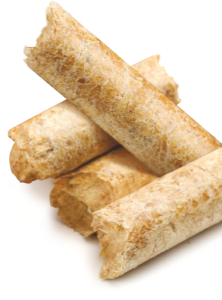
The process sounds simple. The details decide product quality. Tofu cat litter starts as soybean residue or soybean meal, held together with plant starch and a binder, then shaped, dried, and screened into consistent pellets.
Raw material preparation. Soybean residue arrives wet and variable. Stabilize moisture, break up clumps, and bring the material to a uniform size. Moisture swings are the leading cause of poor pellets and litter that falls apart quickly.
Metering and mixing. The formula is more than protein and starch. Producers add plant-based binders for clumping strength plus deodorizing and antibacterial additives. A qualified mixer and accurate liquid metering turn feed materials into a repeatable formula.
Extrusion and pelletizing. This is the heart of the line, where most technical risk sits. A ring-die pellet mill forces the blended material through a die with a specific compression ratio and hole diameter. Dense, uniform pellets come from matching die, conditioning, moisture, and pressure.
Drying. Fresh pellets carry too much moisture for stable storage. A dryer brings moisture to a target band, around 10% to 15%, and helps the pellets set. Overheating degrades binders and makes litter crumble.
Cooling and screening. Hot pellets pass through a cooler to reach ambient temperature, then a sifter removes fines and oversize. Recirculate the screened fraction whenever possible, because fines are lost revenue and a dust problem in the bag.
Packaging. Finished litter is metered, weighed, and sealed, often in moisture-proof, dust-reducing films. For private-label and OEM supply this stage also handles branding, where the better margin lives.
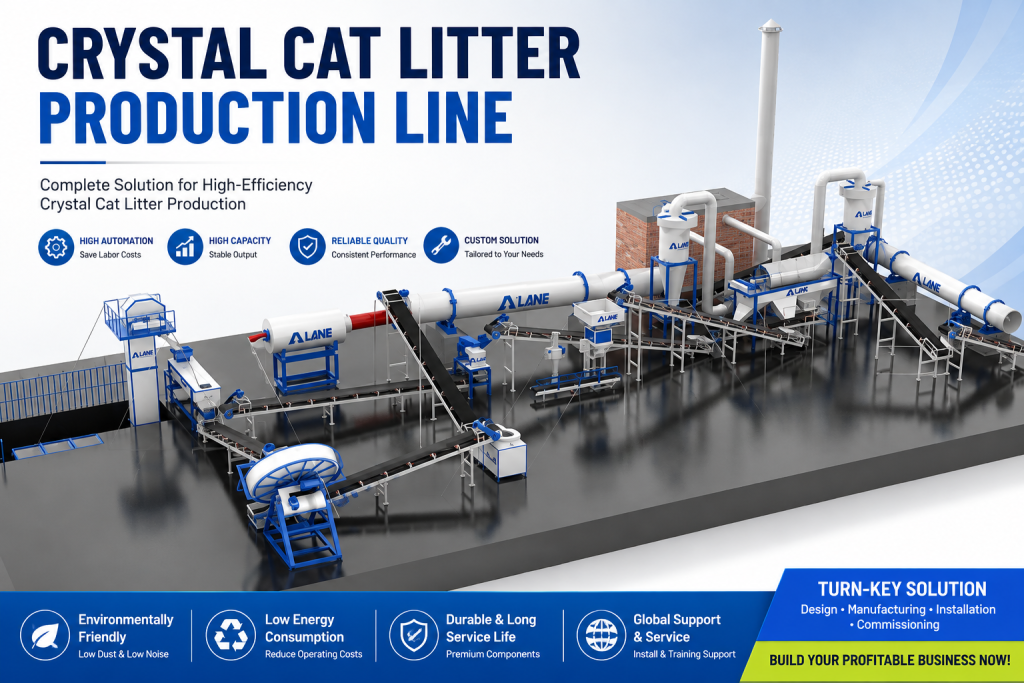
Core Equipment in a Tofu Cat Litter Production Line
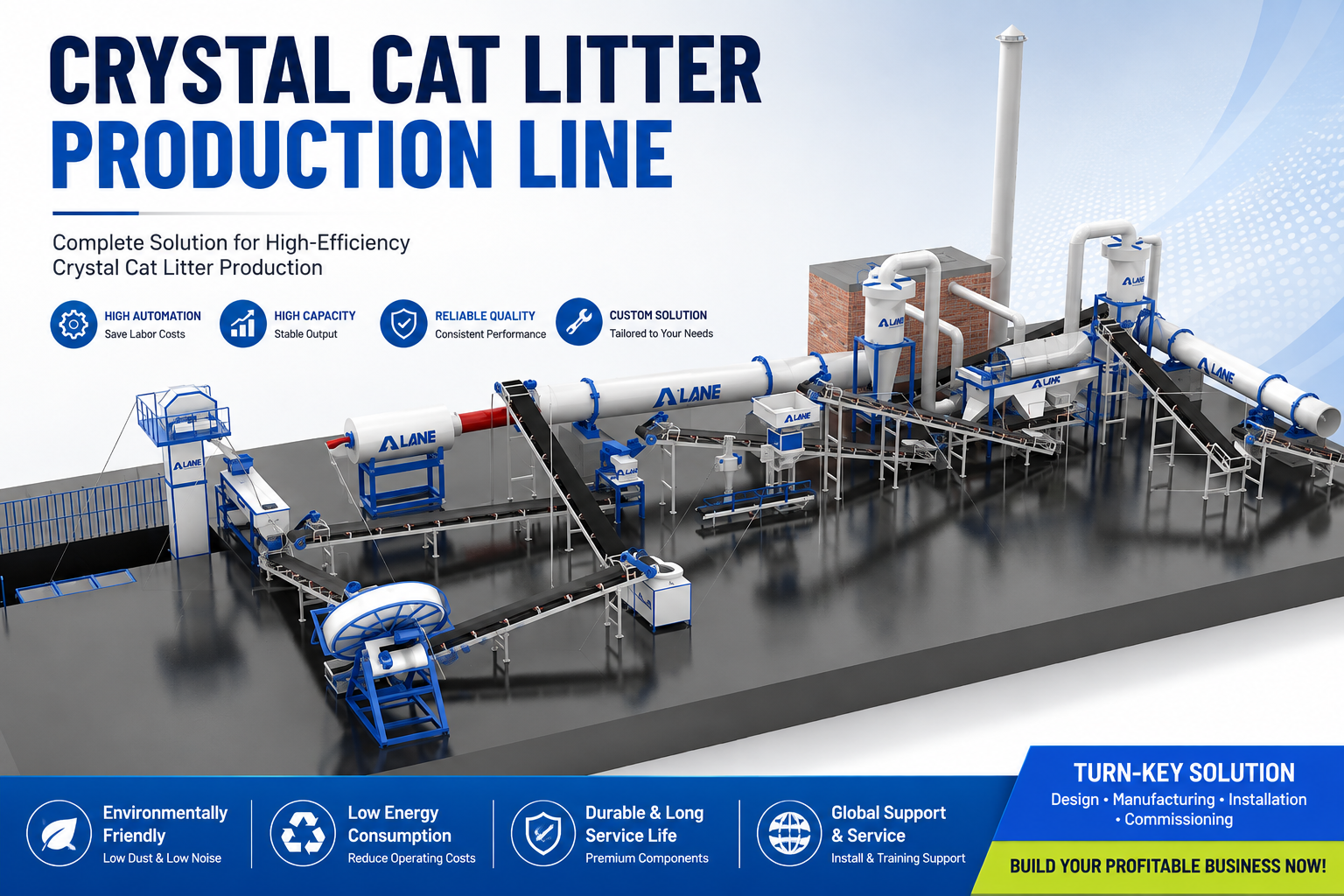
A tofu cat litter production line is a chain, and it is only as good as its weakest machine. These are the standard modules a supplier will quote.
Feeding and conveying. Receiving and metering raw material, with elevators or screw conveyors moving material between stages. Inconsistent feeding shows up later as pellet quality problems.
Mixing and metering unit. The blender for formula consistency and the dosing system for binders and additives. A ribbon or twin-shaft mixer is the workhorse here.
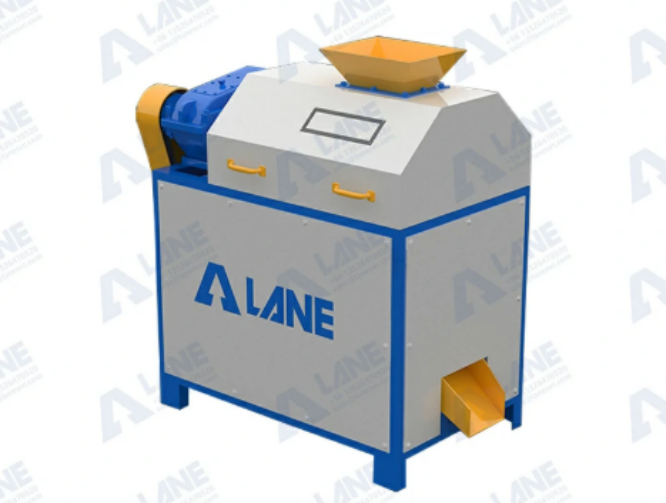
Pellet mill or extruder. The forming machine. In a tofu cat litter line this is normally a ring-die pellet mill sized to throughput, running a die optimized for plant-based feedstock.
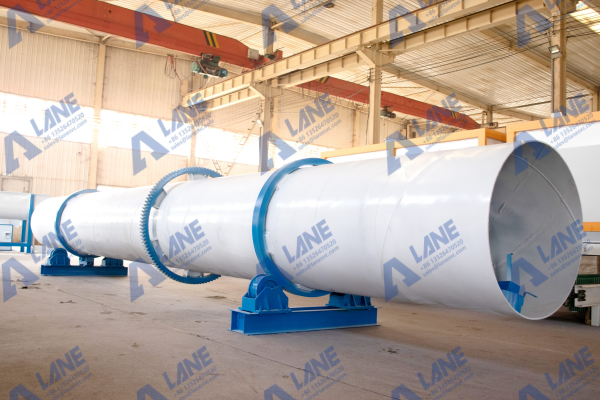
Dryer. A belt or rotary dryer depending on capacity and moisture load. A low-temperature belt dryer is common for tofu litter because it protects product properties.
Cooler and sifter. Cooling to ambient and screening fines and oversize, with fines recirculated.
Packaging and bagging. Automatic weighing, filling, and sealing sized to keep pace with the line.
Dust collection. Plant-based dust is a housekeeping and product problem. Good tofu cat litter equipment includes cyclone and bag-filter collection, and this is a differentiator you should ask about rather than assume.
Together these modules form the tofu cat litter making machine setup a real plant needs. A single pellet mill alone will not deliver a sellable product; forming, drying, and screening have to work as one system.
Choosing the Forming Technology
This is the most consequential technical decision, because the rest of the line is built around it and the two options produce genuinely different products.
A ring-die pellet mill compresses material through a die, producing dense, hard, uniform cylinders with low dust. It is the standard for tofu litter because density and low dust are exactly what retailers and owners buy. It needs more power and adds die and roller cost, but the product quality justifies it for a commercial brand.
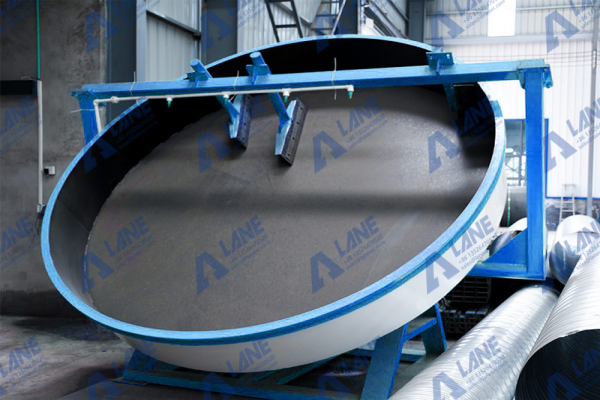
A disc or pan granulator uses rotation and moisture to build rounded granules. It suits bentonite and mixed products, is cheaper and gentler on power, and handles some hybrid formulas well. But it will not deliver the same density and dust profile as a pelleted tofu litter.
If your plan is premium flushable branded tofu litter, budget for a ring-die pellet mill engineered for plant-based feed. If your plan is a value bentonite-tofu blend sold on price, a disc granulator deserves a harder look. Choose the right tofu cat litter making machine for the product you intend to sell, not the cheapest price.
How Big Should Your Line Be?
Capacity is a market assumption, not a supplier decision. Tofu cat litter equipment ranges from small pilot units around 0.5 to 1 ton per hour up to 5 tons per hour or more. The right size depends on target sales, operating hours, shift structure, and the headroom you want before rebuilding.
Think about annual output. A 1 ton per hour tofu cat litter production line running one shift is roughly 2,000 to 2,400 tonnes a year. A 3 to 5 ton per hour line running two shifts can approach 15,000 tonnes. Capacity should match a realistic sales forecast plus headroom, not the biggest machine a vendor wants to sell.
Many buyers also choose a line that can take a second shift or a capacity upgrade, keeping capital aligned with demand.
What Does a Tofu Cat Litter Plant Cost?
Capex is the number everyone asks for and the one that varies most by site. A tofu cat litter production line around 0.5 ton per hour can be quoted in the tens of thousands of dollars for core forming equipment. A full automated multi-ton per hour turnkey line with drying, environmental controls, and packaging sits well into six figures. Online listings show individual machines in the low five figures, which tells you the machine price and the plant price are very different things.
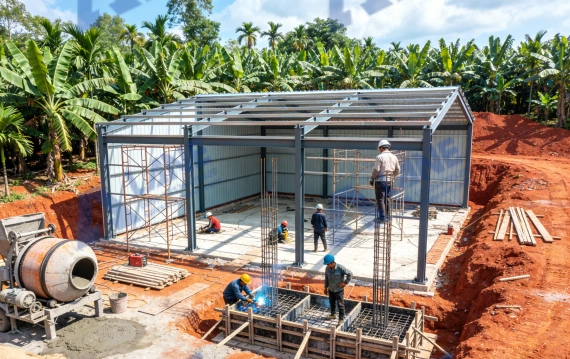
The honest breakdown covers four buckets: equipment and engineering, civil and installation, the drying and environmental system, and the packaging line. The drying system and the forming machine are usually the two largest single items.
Operating cost is where projects diverge. Recurring costs are raw material, energy for drying and forming, labor, packaging, and consumables such as dies and rollers. High-moisture raw material raises drying cost substantially, so the local price and moisture of available soybean residue is a core input to your pro forma. The tofu cat litter making machine is the visible cost, but it is rarely the deciding one.
Do not price your tofu cat litter equipment on machine cost alone. Factor in commissioning, training, spare parts, and the first year of consumables, then divide the total by projected annual profit. A slightly higher capex that runs reliably usually wins.
Technical Factors That Decide Whether Your Litter Sells
Tofu cat litter equipment is only an enabler. The product has to pass the tests that make a retailer take it and an owner repurchase.
Dust. Tofu litter sells on low dust, and production and packaging dust both hurt. Measure it at the bag, not the machine.
Clumping speed and strength. The binder and moisture balance determine how fast it clumps and whether the clump holds.
Moisture and hardness. Too wet and it softens and molds; too hard and it feels abrasive. Define the target band before commissioning the line.
Flushability and biodegradability. These claims must be defensible. Confirm the product satisfies the claim in your destination market, and be careful with flushability claims under strict local sewer rules.
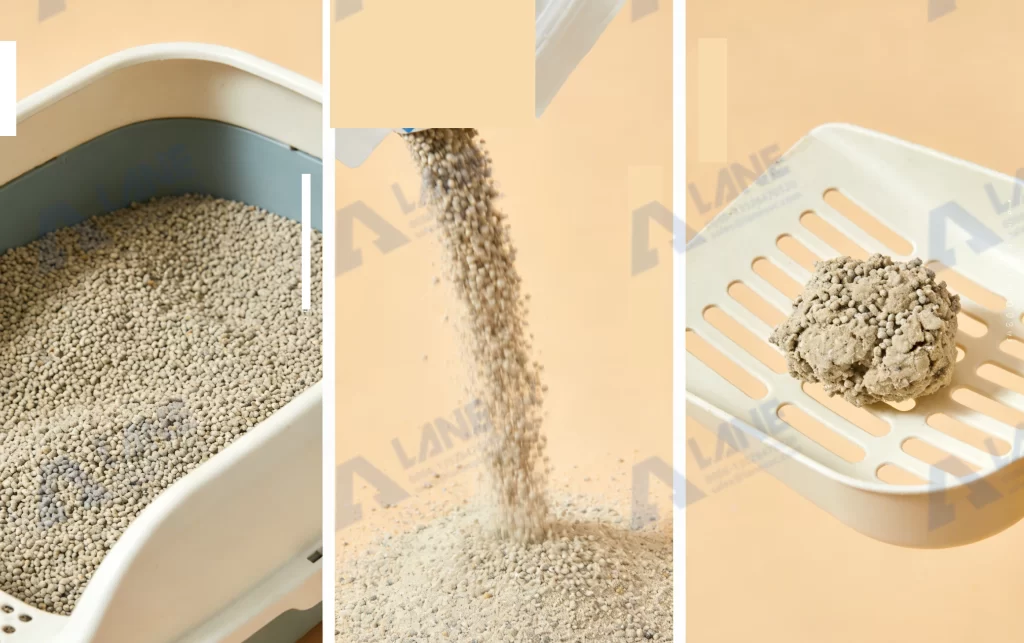
Density and bag economics. Pellet density affects how many grams fill a bag, which drives shipping cost and perceived value per package.
Odor control. Deodorizing and antibacterial additives are often the deciding purchase factor between brands, and they are engineered into the formula and dosing process.
A supplier who understands these factors can help you tune forming and drying on a real tofu cat litter making machine. A supplier who only sells steel cannot.
Maintenance and Daily Operations
Running a tofu cat litter production line profitably is about routine discipline as much as equipment.
Die and roller management. Track wear, keep spares on hand, and inspect compression surfaces before a quality problem appears.
Moisture calibration. Check raw material and finished-product moisture on a set schedule. Drift is the fastest route to a bad batch.
Screen and sifter care. Clean and inspect screens to keep fines recirculation efficient and stop dust entering the bag.
Lubrication and alignment. Follow the manufacturer schedule for bearings, gearboxes, and drives, and check alignment after any move.
Dust collection. Empty and maintain filters. A clogged system affects product quality and worksite safety.
Downtime tracking. Log downtime by cause. If drying is your most common stoppage, attack the dryer. Data beats guesswork.

How to Choose a Supplier
The machine is the easy part to compare. The supplier is where a tofu cat litter production line succeeds or stalls, so vet the company, not just the spec sheet.
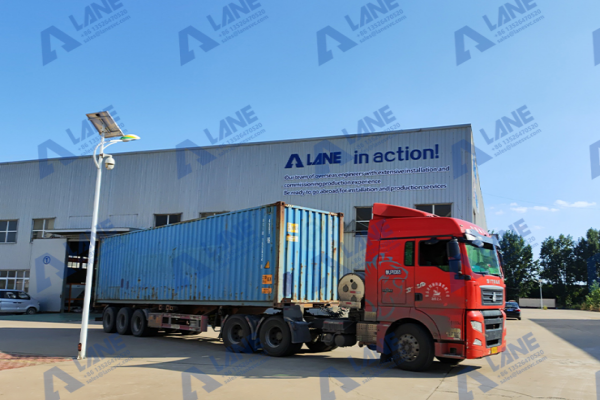
Ask for turnkey capability across the whole tofu cat litter production line, not just equipment. Can they engineer it, fabricate, deliver, install, commission, and train your team? A vendor that ships boxes and leaves is worth less than one that delivers a running plant.
Demand process and formula support. A strong tofu cat litter equipment supplier should understand the feedstock, the binder system, and the drying profile, and help you tune the formula on a real tofu cat litter making machine rather than merely bolt steel together.
Check references for the same product. A case study with an actual tofu cat litter production line is worth more than a generic pellet mill reference. Ask about real tonne-per-hour output versus rated output, commissioning time, and what went wrong.
Verify documentation and compliance. For equipment into the EU, ask about CE conformity and machinery safety documentation; for the U.S. or other markets, confirm the machine meets the codes and electrical standards your plant and insurer require.
Confirm the after-sales package. Spare-part availability, remote support, response time, and an on-site commissioning option. The first year is where weak aftersales shows up.
Consider third-party inspection. A pre-shipment inspection by an independent agency, or a factory audit, protects your payment terms and reduces the risk of a line that does not match the proposal.
Building the Business Case
Whatever the supplier tells you, the decision should rest on your own numbers. Feed in raw material cost per ton, target capacity and operating days, energy price, labor and packaging costs, and projected margin, then let that drive the line size and forming technology.
A realistic mid-sized line, say 1 to 2 tons per hour with a pellet mill, drying, cooling, screening, and packaging, requires a dedicated footprint, a trained crew, and capital that should be judged against a multi-year payback rather than a single price. Every project differs, so treat published figures as a benchmark and pressure-test them with your own quotations. We publish our own tofu cat litter production line references and would be glad to walk through specific configurations.
Frequently Asked Questions
What is tofu cat litter equipment?
Tofu cat litter equipment is the machinery used to produce soybean-based cat litter, from material handling and mixing through pelletizing, drying, cooling, screening, and packaging, running as one line.
How much does a tofu cat litter production line cost?
From a low five-figure sum for a single forming machine to well into six figures for an automated multi-ton per hour line. Include drying, environmental controls, packaging, installation, commissioning, and first-year consumables.
What is a tofu cat litter making machine?
It is the forming tofu cat litter making machine, usually a ring-die pellet mill or extruder, that shapes the blended soybean and starch material into dense pellets.
What is the difference between tofu and bentonite cat litter?
Tofu litter is plant-based, flushable, and biodegradable with lower dust, while bentonite is a mined clay litter that is heavier and generally not flushable. That choice drives different tofu cat litter equipment and target customers.
Which machine makes tofu cat litter pellets?
A ring-die pellet mill, the core tofu cat litter making machine, forms the pellets. The die compression ratio and hole diameter must be matched to the plant-based feedstock for density and low dust.
Can the same machine make tofu and bentonite cat litter?
Some equipment can, but the ideal forming technology differs. A ring-die pellet mill suits dense tofu pellets, while a disc granulator suits rounded bentonite or hybrid products.
Is tofu cat litter environmentally friendly?
Tofu cat litter is made from renewable plant byproducts, is biodegradable, and is flushable in many municipal systems. Verify claims against your destination market, and be cautious where sewer rules are strict.
What capacity should I start with?
Start with capacity that matches a realistic sales forecast plus headroom. Many producers begin around 1 ton per hour and expand with a second shift or a capacity upgrade as demand grows.
How do I choose a tofu cat litter equipment supplier?
Look for turnkey capability, process and formula support, verified tofu litter references, proper documentation and compliance, a strong after-sales package, and optional third-party inspection.
Summary
A tofu cat litter plant is a business decision dressed up as an equipment purchase. Get the market pull right, choose the forming technology and line size for the product you want to sell, price the full operating cost, and select a supplier who can deliver a running plant with the formula and support behind it. Done that way, a tofu cat litter production line becomes a defensible investment instead of a box of equipment waiting for a plan.