

Optimizing Soybean Residue Cat Litter Material Preparation: Pre-Treatment and Process Strategies
Optimizing Soybean Residue Cat Litter Material Preparation: Pre-Treatment and Process Strategies
Table of Contents
-
Introduction to Soybean Residue Cat Litter Material Preparation
-
Characteristics of Soybean Residue Affecting Pre-Treatment
-
Core Pre-Treatment Steps for Soybean Residue Cat Litter Material
-
Common Challenges in Soybean Residue Pre-Treatment
-
Equipment and Process Considerations
-
Benefits of Optimized Material Preparation
-
Conclusion: Building a Reliable Pre-Treatment Process for Soybean Residue Cat Litter
Introduction to Soybean Residue Cat Litter Material Preparation
Soybean residue cat litter material preparation is the foundation of producing consistent, high-quality tofu cat litter. Unlike a full production line discussion, this article focuses exclusively on pre-treatment of soybean residue, ensuring the raw material meets the standards necessary for downstream processing such as mixing, granulation, and drying.
Proper material preparation minimizes production risks, stabilizes pellet quality, and optimizes the efficiency of the entire production line. With growing interest in sustainable and plant-based cat litter, understanding the nuances of soybean residue pre-treatment has become essential for manufacturers. Effective soybean residue cat litter material preparation is the first step to ensuring that tofu cat litter meets industry standards and customer expectations.
Characteristics of Soybean Residue Affecting Pre-Treatment
Soybean residue, as a primary ingredient for tofu cat litter, has specific properties that require careful handling:
-
High fiber content: Ensures good absorption and clumping but requires fiber adjustment during pre-processing.
-
Moisture variability: Fresh residue can have moisture levels fluctuating widely depending on source and season.
-
Susceptibility to fermentation: Without proper pre-treatment, the raw material can develop odors or degrade, affecting pellet quality.
-
Particle size diversity: Coarse chunks can interfere with downstream mixing and granulation, necessitating controlled crushing and homogenization.
Recognizing these characteristics early enables manufacturers to design a pre-treatment process that reduces variability and enhances efficiency. Understanding these traits is essential for effective soybean residue cat litter material preparation, as it ensures the raw material is properly adjusted before entering the production line.
Core Pre-Treatment Steps for Soybean Residue Cat Litter Material
To produce consistent and high-quality pellets, soybean residue must go through several essential pre-treatment steps.
-
Coarse Sorting and Impurity Removal
Raw soybean residue often contains shells, stems, or foreign matter. Coarse screening and manual removal ensure only usable material enters the production line. -
Grinding and Fiber Adjustment
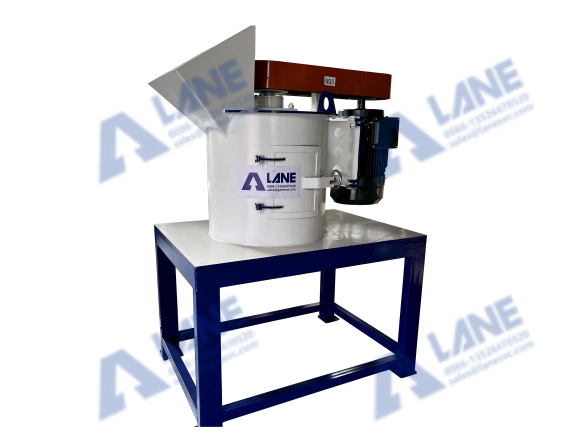
Controlling fiber length and particle size is crucial for forming stable cat litter pellets. Hammer crushers, vertical crushers, or cage crushers are typically employed to achieve a uniform texture suitable for granulation. -
Moisture Adjustment
Moisture content must be regulated to achieve ideal pellet formation. Wet residues may require partial drying, while overly dry material can be moistened. Maintaining consistent moisture reduces pellet breakage and dust. -
Homogenization and Pre-Mixing
Uniform blending ensures that particle size, fiber distribution, and moisture are consistent throughout the batch. This step directly impacts downstream granulation efficiency. -
Odor Control and Stability Treatment
For high-moisture or fermented residues, pre-treatment may include mild heat, aeration, or enzymatic treatments to reduce odor and stabilize material.
These pre-treatment steps lay the groundwork for a reliable production line and allow operators to produce pellets that meet customer expectations for clumping, absorption, and minimal dust. Each of these steps is crucial in soybean residue cat litter material preparation, providing a consistent foundation for granulation and drying processes
Common Challenges in Soybean Residue Pre-Treatment
Handling soybean residue is not without challenges. Manufacturers commonly encounter:
-
Moisture fluctuations: Seasonal changes or inconsistent supply require careful monitoring and adjustments.
-
Clumping and stickiness: High-moisture residues can adhere to equipment, slowing production and increasing cleaning requirements.
-
Raw material degradation: Delays in processing can lead to microbial growth or off-odors, compromising pellet quality.
-
Equipment wear: Fibrous materials can increase wear on grinders, mixers, and conveyors.
Effective soybean residue cat litter material preparation is the first step to ensuring that tofu cat litter meets industry standards and customer expectations. Addressing these challenges requires process planning, appropriate equipment selection, and operator awareness.
Equipment and Process Considerations
Selecting the right equipment is critical to handling soybean residue efficiently:
-
Flexible Crushers and Shredders: Capable of adjusting particle size and fiber length for varying raw material batches.
-
Moisture-Control Devices: Dryers, humidifiers, or aeration systems to maintain optimal moisture for granulation.
-
Mixers and Homogenizers: Ensure uniform material distribution, which improves downstream pellet quality.
-
Ease of Maintenance: Equipment designed for easy cleaning reduces downtime caused by sticky or fibrous residues.
Investing in suitable equipment simplifies soybean residue cat litter material preparation, reducing variability and improving overall production efficiency. Incorporating LANE’s soybean residue pre-processing solutions ensures that manufacturers can optimize their raw material handling while maintaining consistency and reliability across production batches.
Benefits of Optimized Material Preparation
Proper soybean residue cat litter material preparation delivers multiple advantages:
-
Improved Pellet Quality: Uniform particle size and moisture content produce stronger, more consistent pellets.
-
Reduced Production Downtime: Pre-treated raw material flows smoothly through the production line, lowering jams and breakdowns.
-
Enhanced Process Efficiency: Homogenized and stabilized material reduces energy consumption during drying and granulation.
-
Sustainable Operations: Efficiently processed organic waste minimizes waste and supports environmentally responsible production.
-
Foundation for Scaling Up: A stable pre-treatment process allows manufacturers to expand production without compromising quality.
Proper pre-treatment is not just about immediate output; it sets the stage for long-term production stability and reliability. By mastering soybean residue cat litter material preparation, manufacturers can ensure both pellet quality and long-term operational stability across the production line.
Conclusion: Building a Reliable Pre-Treatment Process for Soybean Residue Cat Litter
Soybean residue cat litter material preparation is a critical step in producing high-quality, consistent tofu cat litter. By understanding raw material characteristics, following systematic pre-treatment steps, and selecting the right equipment, manufacturers ensure that downstream processes like granulation, drying, and pellet packaging proceed efficiently.
Optimized pre-treatment also supports equipment longevity, reduces production disruptions, and provides a solid foundation for scalable, sustainable operations. For more detailed guidance on integrating pre-treated soybean residue into a complete cat litter production line, visit our solution page on Tofu Cat Litter Production From Soybean Residue.
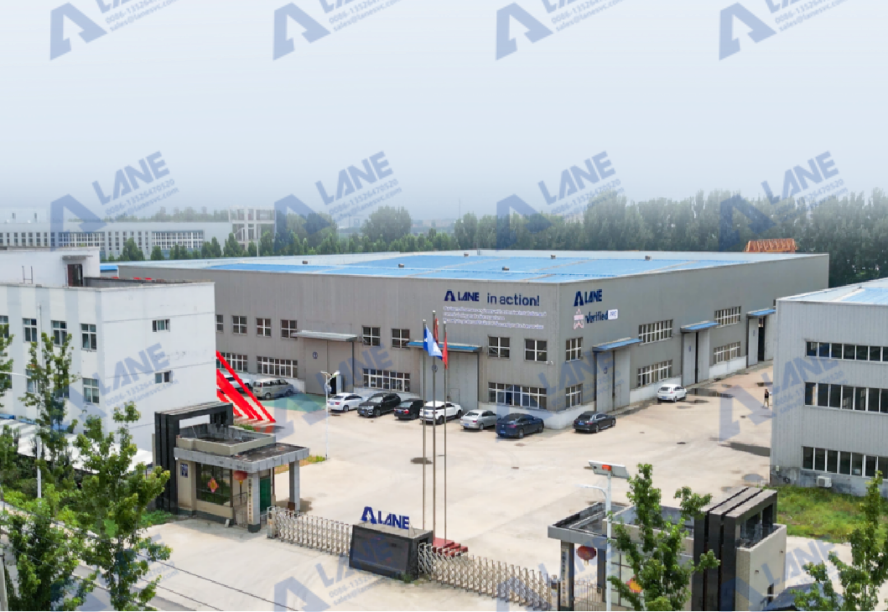
LANE has been specializing in fertilizer and cat litter equipment for over two decades. With top-tier customized design capabilities, we are equipped to meet a wide range of client requirements. Our efficient response mechanism ensures prompt resolution of equipment-related issues. Comprehensive full-process service guarantees an optimal experience throughout every stage.
For more details, please feel free to contact us.
Henan Lane Heavy Industry Machinery Technology Co., Ltd.
Email: sales@lanesvc.com
Contact number: +86 13526470520
Whatsapp: +86 13526470520