

Silica Gel vs Clumping Cat Litter: Production Insights, Market Trends, and Equipment Solutions for Cat Litter Manufacturers
Silica Gel vs Clumping Cat Litter: Production Insights, Market Trends, and Equipment Solutions for Cat Litter Manufacturers
Understanding Silica Gel vs Clumping Cat Litter
Choosing between silica gel vs clumping cat litter is a fundamental decision for both consumers and manufacturers. These two major types of cat litter each have distinct properties, benefits, and production considerations that influence product performance, market acceptance, and manufacturing strategies.
In the global cat litter market, clumping clay litter holds the largest market share due to its ease of waste removal and strong odor control, while silica gel crystal litters appeal to segments seeking superior moisture absorption and low dust levels. This contrast between product types reflects broader consumer trends and has direct implications for production line configuration and equipment selection.
1. What Is Silica Gel Cat Litter and Its Production Requirements?
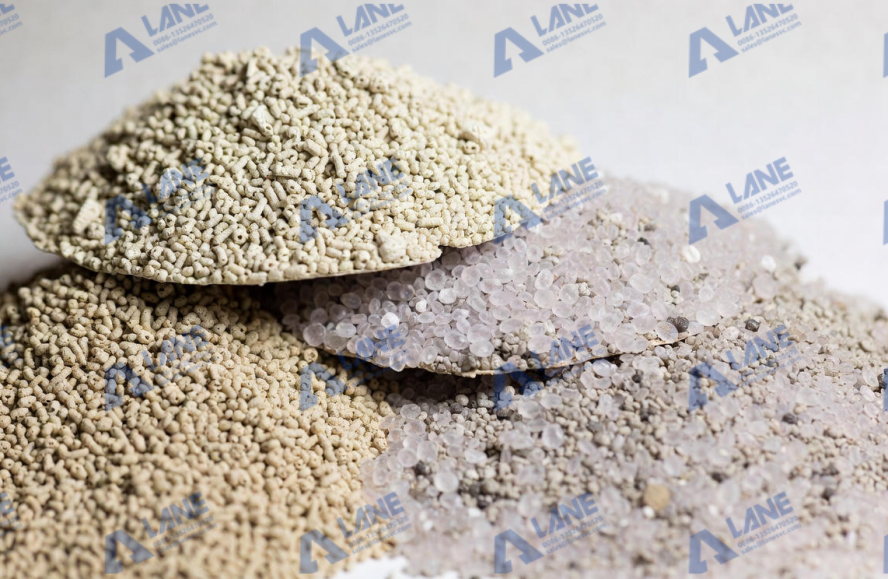
Silica gel cat litter — often referred to as crystal or silica crystal litter — is made from porous silica dioxide beads that absorb moisture and odors efficiently. The gel’s high surface area allows rapid entrapment of liquid and odor molecules, making it a popular choice for cat owners looking for low-maintenance and highly effective odor control.
From a manufacturing perspective, producing high-quality silica gel litter requires specialized drying, screening, and handling equipment to maintain bead integrity and ensure uniform particle size. Effective moisture control during production is critical, as uneven drying can lead to inconsistent absorbency and reduced product performance. When evaluating silica gel vs clumping cat litter, silica gel litter’s unique absorption mechanism — where moisture is drawn into porous beads and neutralizes odors internally — allows it to remain effective for 3–4 weeks in many single-cat households, often outperforming similar clumping options in longevity and odor management.
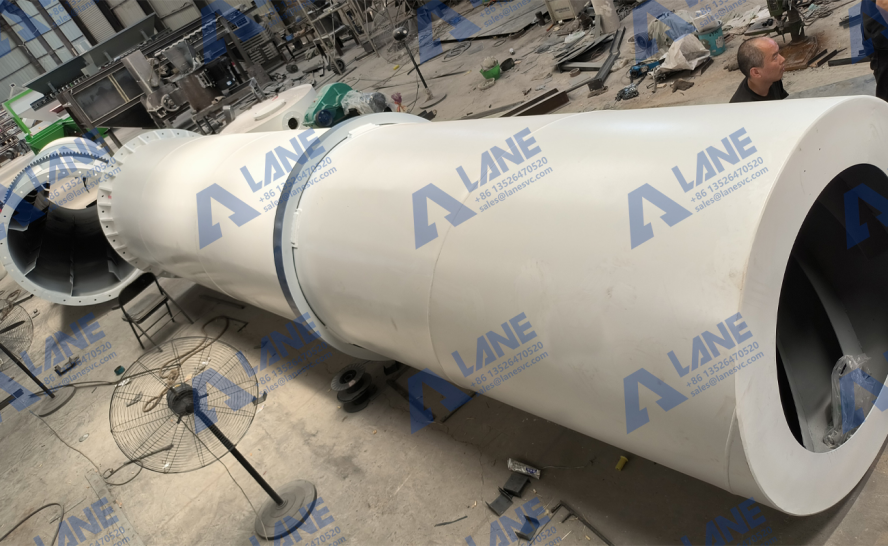
In recent years, manufacturers have also innovated by adding functional additives (such as activated carbon or antibacterial agents) and advanced packaging designs to enhance product appeal, especially in premium segments.
2. What Is Clumping Cat Litter and How It’s Made
Clumping cat litter typically refers to bentonite-based clay litters that form solid clumps upon contact with moisture. The ability to form clumps makes waste removal simple and effective — a major reason this type dominates the cat litter market. Clumping clay litter is affordable, widely available, and inherently familiar to many consumers.
In terms of manufacturing, clumping litter production generally relies on robust grinding and mixing systems to achieve the right particle size and distribution. These steps are essential for consistent clumping performance and odor control. Depending on the target product, additional granulation or drying equipment may be integrated to enhance physical properties.
3. Silica Gel vs Clumping Cat Litter: Market and Performance Comparison
To understand the market implications of silica gel vs clumping cat litter, it’s helpful to look at how each segment performs:
Moisture Absorption and Odor Control
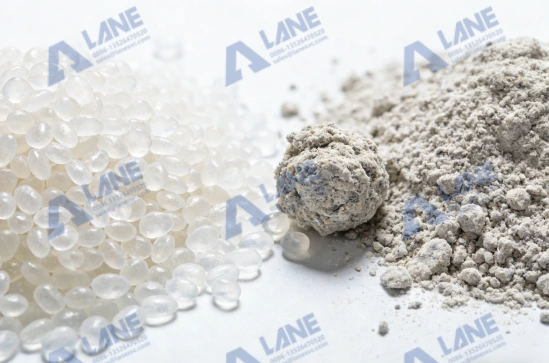
Silica gel excels in moisture absorption and odor trapping due to its porous crystal structure, often allowing one bag to last multiple weeks in a single-cat household. Clumping litter, while effective at odor control through physical clump formation, usually requires more frequent cleaning than silica gel. In direct testing of silica gel vs clumping cat litter, crystal litters consistently deliver excellent odor control and low dust, which makes them especially desirable in multi-cat environments and allergy-sensitive households.
In many premium cat litter markets, the debate between silica gel vs clumping cat litter often leans toward silica gel for households with allergy sensitivities, as its bead-based structure traps moisture and neutralizes odors with significantly lower airborne dust levels than traditional clay litters.
Ease of Use and Dust Levels
Clumping litter is easy to scoop and remove, which appeals to many pet owners. However, depending on formulation and production quality, clumping clay can generate more dust compared to silica gel litters, which are prized for their relatively low dust profiles.
Market Share and Growth
Clumping clay litter remains the largest segment in cat litter sales globally. At the same time, silica gel litter is growing in premium and urban markets due to convenience and long-lasting performance, making both categories vital for manufacturers to address with appropriate production lines.
When comparing silica gel vs clumping cat litter, many users report that silicone-based products may last longer (often up to a month per bag under typical use) and require less frequent full replacement than clumping clay options, offering convenience that aligns with modern pet owner lifestyles.
4. Production Challenges and Equipment Considerations
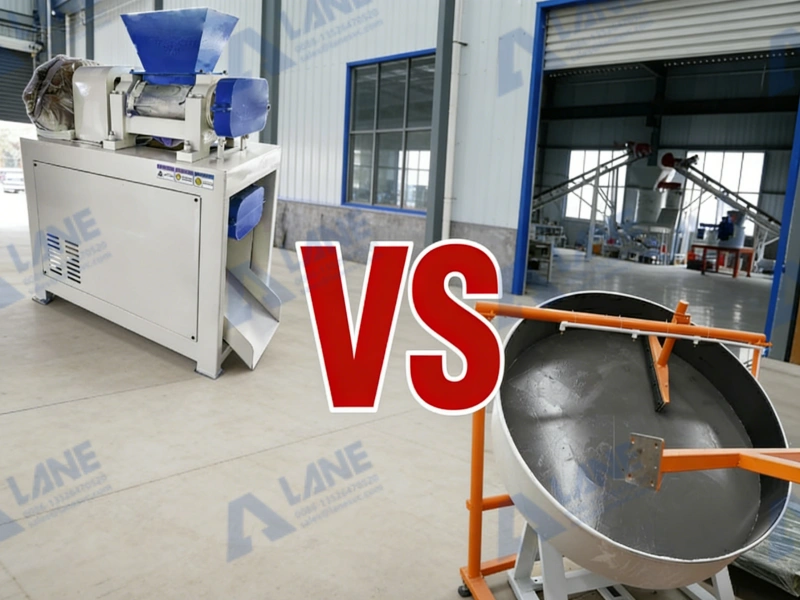
For cat litter manufacturers, understanding the technical differences between silica gel and clumping products translates into equipment planning and process optimization. For cat litter manufacturers deciding between producing silica gel vs clumping cat litter, flexible production equipment that can handle both crystal bead processing and clay granulation is essential to meet diverse market demand and shifting consumer preferences efficiently.
Raw Material Handling and Preparation
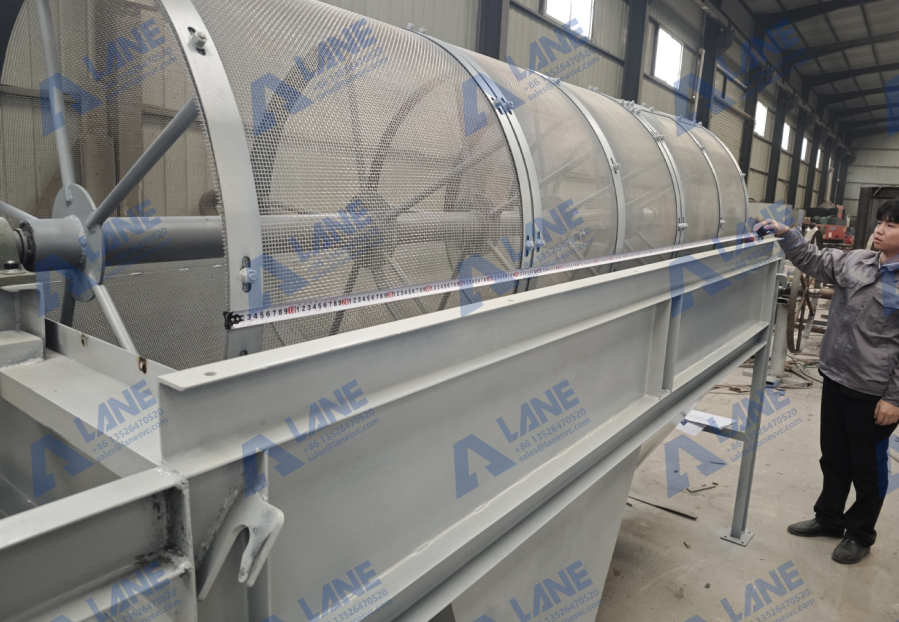
Silica gel litter often begins with carefully controlled drying and screening to maintain bead uniformity. Processing systems with precise temperature and moisture controls improve final product consistency. Clumping litter production, by comparison, may require robust milling and blending systems to ensure uniform clay particle sizes and additive dispersion.
Mixing, Granulation, and Packaging
Flexible cat litter production lines equipped with adjustable mixers, granulators, and dryers can support a wide range of formulations — from silica to clumping and even plant or biodegradable litters. Customizing process steps allows manufacturers to pivot between product types while controlling costs and quality.
5. How Manufacturers Can Use Equipment to Meet Market Demand
Today’s cat litter production equipment enables manufacturers to respond quickly to evolving consumer preferences across the silica gel vs clumping cat litter divide. With modular and scalable systems, producers can:
-
Adjust raw material feeds to produce either silica crystal beads or traditional clay granules.
-
Integrate moisture and odor-absorbing additives to enhance performance for specific market segments.
-
Use flexible packaging systems to cater to retail trends, such as resealable bags or subscription-ready formats.
This adaptability not only supports diversification but also allows mid-sized manufacturers to compete in premium niches (e.g., low dust, high-absorption products) without needing entirely separate facilities for each product type.
6. Aligning Production with Sustainability Trends
While clumping clay litter still leads in volume, demand for more sustainable and premium options is rising. Silica gel, especially when produced with environmentally optimized processes and recycled pack materials, can align with consumer preference for long-lasting and low-maintenance cat litter products.
Manufacturers may also explore integrating biodegradable components or plant-based fillers into clumping formulations, combining functional performance with sustainability. Flexible equipment allows such experimentation, helping brands capture niche markets and build stronger loyalty.
7. Consumer Preferences and Market Insights
Market reports show that clumping cat litter retains dominant share due to ease of use and cost-effectiveness, while the silica gel segment is expanding due to its high absorption and low maintenance. These insights give manufacturers guidance on where to allocate production capacity and how to target product messaging.
By understanding the nuances of silica gel vs clumping cat litter, manufacturers can better forecast demand, optimize inventory, and plan marketing strategies that resonate with different consumer segments. As industry data shows the cat litter market growing across both silica gel and bentonite clumping segments, understanding silica gel vs clumping cat litter differences helps manufacturers anticipate future demand and adapt production strategies accordingly.
Conclusion: Choosing the Right Production Strategy
In summary, the choice between silica gel vs clumping cat litter reflects deeper consumer trends and performance priorities. Manufacturers who invest in flexible production equipment — capable of producing both types effectively — can broaden their product portfolio, meet diverse market demands, and achieve better ROI.
Whether focusing on traditional clumping litters or premium silica gel products, aligning equipment capabilities with market insights is key to staying competitive and responsive in a growing global cat litter market.
👉 Ready to build your cat litter line? Contact our cat litter equipment expert today!
For more details, please feel free to contact us.
Henan Lane Heavy Industry Machinery Technology Co., Ltd.
Email: sales@lanesvc.com
Contact number: +86 13526470520
Whatsapp: +86 13526470520