

Silica Cat Litter Materials and Equipment Setup: What Manufacturers Must Know Before Building a Production Line
Silica Cat Litter Materials and Equipment Setup: What Manufacturers Must Know Before Building a Production Line
1. Why Silica Cat Litter Is Becoming a Popular Choice in the Pet Industry
As the global pet industry continues to expand, manufacturers are exploring new types of cat litter products to meet growing consumer demand. Among them, crystal litter has gained significant popularity due to its strong odor control and high moisture absorption.
Unlike traditional clay litter, silica cat litter is made from porous silica gel particles that absorb moisture and trap odor molecules effectively. These microscopic pores allow the material to absorb large amounts of liquid while remaining relatively lightweight and dust-free.
Because of these advantages, many investors are interested in entering this market. However, building a successful factory requires a clear understanding of Silica Cat Litter Materials and Equipment Setup.
Before investing in production equipment, manufacturers must understand the characteristics of the raw materials, the production process, and the machinery required to produce high-quality crystal cat litter.
A clear understanding of Silica Cat Litter Materials and Equipment Setup allows manufacturers to avoid costly design mistakes and build a production line that operates efficiently from the beginning.
2. Understanding the Core Raw Materials of Silica Cat Litter
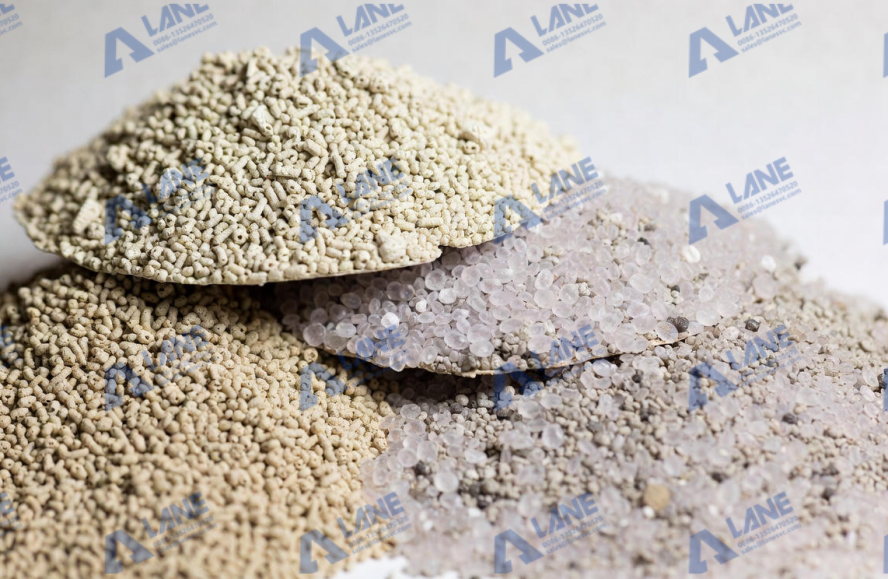
The main raw material used in crystal cat litter production is silicon dioxide (SiO₂), usually processed in the form of silica gel. This material forms a porous structure capable of absorbing liquid and neutralizing odor molecules.
Production typically begins with high-purity quartz sand, which is chemically processed to produce sodium silicate solution. The solution then reacts with acid to form a gel-like silica network that eventually becomes the final crystal particles.
In addition to silica gel, manufacturers may add several functional additives depending on the target product:
-
Activated carbon for enhanced deodorization
-
Fragrance additives for improved user experience
-
Antibacterial materials for hygiene improvement
-
Moisture indicator particles for visual saturation signals
The choice of raw materials directly affects the performance of the final product. Therefore, selecting appropriate materials is a critical step in Silica Cat Litter Materials and Equipment Setup.
When planning Silica Cat Litter Materials and Equipment Setup, manufacturers must carefully evaluate raw material purity because high-quality silica gel determines the final absorption capacity and product stability. High-purity quartz sand is typically used as the main raw material for producing silica gel.
3. From Chemical Gel to Crystal Granules: How Silica Litter Is Produced
The manufacturing process of silica cat litter is very different from clay or plant-based litter. Instead of simple grinding or pelletizing, the material is produced through a controlled chemical synthesis process.
The typical production stages include:
-
Chemical synthesis – quartz sand is converted into sodium silicate solution.
-
Gel formation – acid neutralization forms silica hydrogel.
-
Aging and stabilization – the gel structure develops a stable porous network.
-
Drying and thermal treatment – water is removed while maintaining the internal pore structure.
-
Granule formation and screening – particles are sized into uniform crystals.
For this reason, the success of a factory often depends on whether the Silica Cat Litter Materials and Equipment Setup properly matches the chemical synthesis process with the downstream granulation and drying systems.
This process creates microporous silica beads capable of absorbing moisture and ammonia molecules at the molecular level, which is the key reason why crystal litter provides long-lasting odor control.
Understanding this process is essential when planning Silica Cat Litter Materials and Equipment Setup, because each stage requires specialized equipment.
4. Essential Equipment for a Silica Cat Litter Production Line
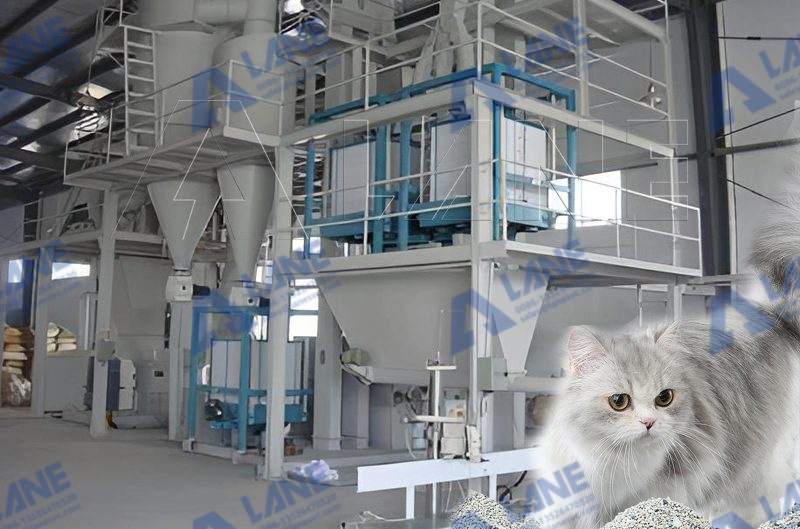
A complete crystal cat litter production line requires several core machines to ensure stable production.
Mixing Equipment
Before granulation or further processing, raw materials and additives must be blended evenly.
Common equipment used in silica litter production includes:
-
Horizontal Mixer
These machines ensure that additives such as deodorizing agents or color indicators are uniformly distributed throughout the material mixture.
Efficient mixing improves pellet consistency and reduces quality variations.
Granulation Equipment
In some production setups, silica powder or modified materials are formed into granules using:
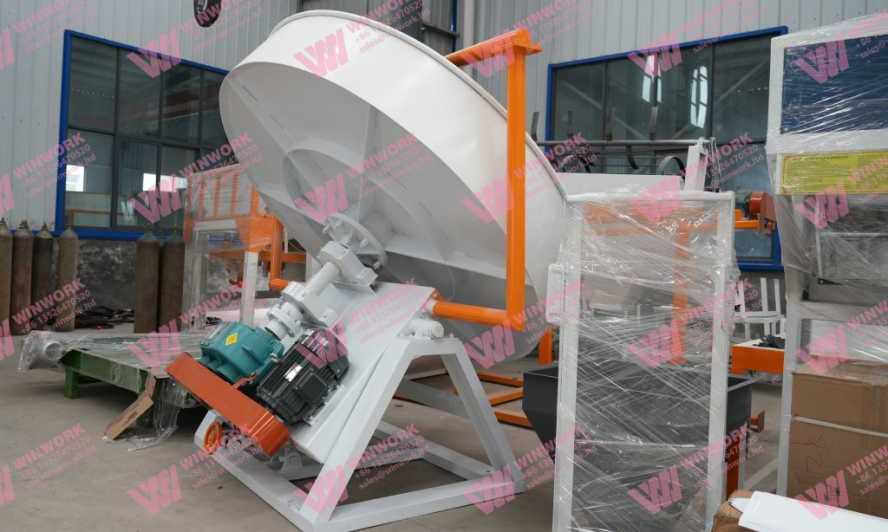
Disc Granulator (Pan Granulator)
The rotating disc and controlled water spray allow powder materials to gradually form spherical particles. The pellet size can be adjusted depending on product requirements.
This step is important in the overall Silica Cat Litter Materials and Equipment Setup because particle size directly influences absorption performance and user experience.
Drying Equipment
After granulation, pellets usually contain moisture and must be hardened through controlled drying.
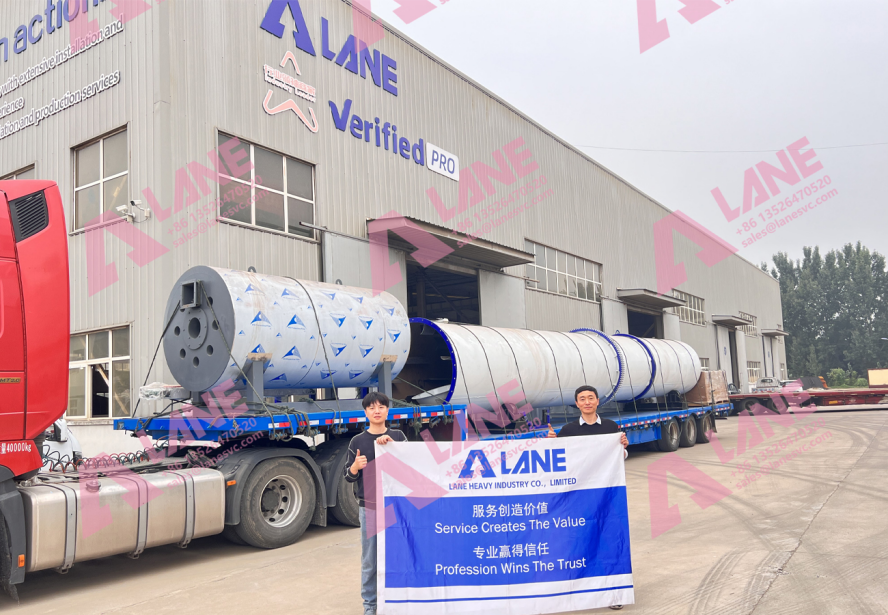
Rotary Dryers are commonly used in industrial production lines. They remove excess moisture while preserving the porous internal structure of silica particles.
Proper drying ensures:
-
stronger particles
-
reduced dust formation
-
improved storage stability
Screening and Packaging Equipment
Once the particles are fully dried, they must be classified by size.
Common equipment includes:
-
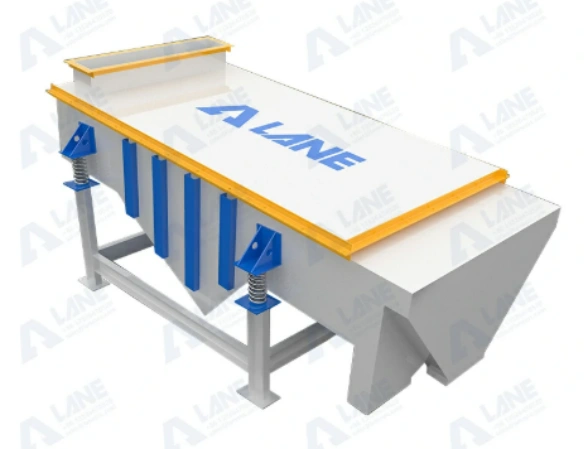
Rotary Screener or Vibrating Screen
-
Automatic Packing Machine
Screening ensures only qualified particles—usually between 2–5 mm—are delivered to the final packaging stage.
Unqualified particles can be recycled back into the production system to improve raw material utilization.
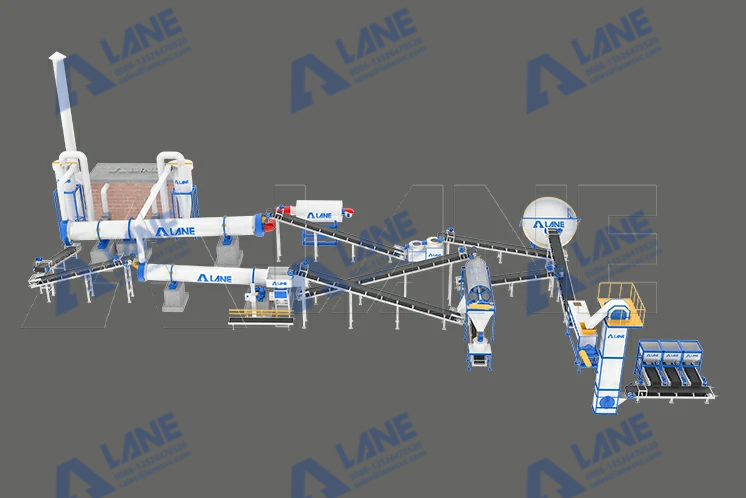
A well-planned Silica Cat Litter Materials and Equipment Setup ensures that mixing, granulation, drying, and screening equipment work together as an integrated production system.
5. Key Factors When Designing a Silica Cat Litter Production Line
When planning Silica Cat Litter Materials and Equipment Setup, manufacturers should consider several critical factors.
Raw Material Quality
The purity of quartz sand or silica gel strongly influences the absorption capacity and appearance of the final product. Even small impurities can affect crystal transparency and performance.
Production Capacity Planning
Factories usually design production lines based on expected market demand, for example:
-
Small production line: 1–3 tons per hour
-
Medium production line: 5–10 tons per hour
-
Large industrial line: 10+ tons per hour
Proper capacity planning helps prevent bottlenecks between equipment.
Automation and Process Control
Modern cat litter factories increasingly rely on automated control systems such as PLC monitoring and automated feeding systems.
Automation improves:
-
production stability
-
energy efficiency
-
labor cost management
6. LANE’s Solutions for Silica Cat Litter Production
At LANE, we focus on providing integrated engineering solutions for cat litter manufacturers worldwide.
Our Silica Cat Litter Materials and Equipment Setup solutions typically include:
-
Raw material handling systems
-
High-efficiency mixing equipment
-
Precision granulation machines
-
Drying and screening systems
-
Automatic packaging equipment
Our engineering team can design customized production lines based on:
-
raw material characteristics
-
factory layout
-
production capacity requirements
With years of experience in cat litter equipment manufacturing, LANE helps customers build reliable and scalable production systems.
7. Conclusion
Crystal cat litter is becoming an important segment of the global pet care market due to its excellent odor control and high moisture absorption.
However, building a successful factory requires careful planning of Silica Cat Litter Materials and Equipment Setup.
By selecting the right raw materials and integrating appropriate equipment such as mixers, granulators, dryers, and screening machines, manufacturers can build an efficient and stable production system.
With professional engineering support and reliable equipment solutions, companies can successfully enter the growing crystal cat litter market and achieve long-term production efficiency.
For more details, please feel free to contact us.
Henan Lane Heavy Industry Machinery Technology Co., Ltd.
Email: sales@lanesvc.com
Contact number: +86 13526470520
Whatsapp: +86 13526470520