

Case Analysis: 1.5–2 t/h Recycled Paper and Wood Litter Pellet Plant in Istanbul
Case Analysis: 1.5–2 t/h Recycled Paper and Wood Litter Pellet Plant in Istanbul
1. Project Overview and Objectives
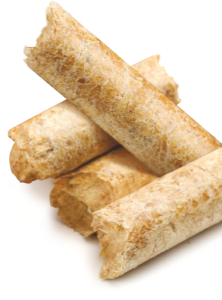
In 2025, a sustainability-oriented pet product manufacturer based in Istanbul commissioned a 1.5–2 t/h recycled paper and wood litter pellet plant in Istanbul to diversify its product portfolio and seize growing demand for eco-friendly cat litter. The primary objective was to build a medium-capacity pellet plant capable of processing locally sourced recycled paper and wood waste into high-quality, absorbent litter pellets that meet European biodegradability and performance expectations. In the context of rising demand for sustainable pet supplies, a recycled paper and wood litter pellet plant in Istanbul can position brands to compete effectively in both local and export markets.
This project aimed not only to improve environmental performance by valorizing waste biomass but also to create a profitable production system with reliable output quality and stable operational costs. Implementation included consulting on process design, equipment selection, onsite installation, and commissioning support.
2. Why Istanbul: Strategic Market and Regional Context
Istanbul stands at a unique crossroads of Europe and Asia, offering access to both Western and emerging pet care markets. In recent years, the pet supplies sector in Turkey has seen steady growth aligned with global trends toward environmentally conscious products. Consumers increasingly prefer biodegradable and plant-based cat litter alternatives, such as wood and recycled paper pellets, due to their renewability and reduced dust characteristics.
Additionally, Istanbul’s logistics infrastructure and industrial ecosystem enable efficient distribution to major urban centers across Europe and the Middle East, reducing lead times and transportation costs for finished products. Establishing a recycled paper and wood litter pellet plant in Istanbul allows local manufacturers to turn recycled paper and wood residues into biodegradable cat litter pellets that appeal to environmentally conscious consumers.
3. Customer Requirements and Solution Planning
The client specified several key requirements for this 1.5–2 t/h recycled paper and wood litter pellet plant in Istanbul:
-
Capacity: A stable throughput between 1.5 and 2 tons per hour to match current demand forecasts.
-
Raw Materials: Use of recycled paper, cardboard waste, and locally sourced wood residues for enhanced sustainability.
-
Product Specifications: Uniform pellet size, high absorbency, low dust emission, and compliance with EU pet product standards.
-
Automation: Integration of automated batching, mixing, and packaging to ensure consistency and reduce operating costs.
Integrating modern control systems into a recycled paper and wood litter pellet plant in Istanbul helps operators monitor moisture content and pellet density, ensuring products meet strict quality criteria.
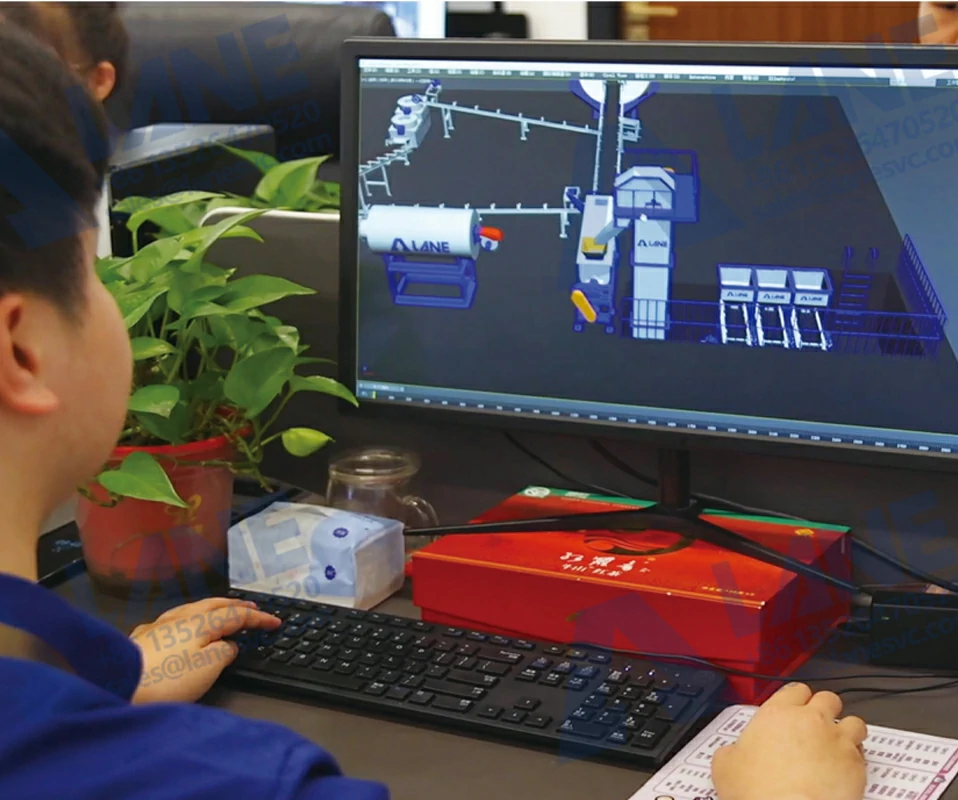
Based on these goals, a tailored solution plan was developed, focusing on combining recycling capabilities with efficient pelletization technology. The plan emphasized flexibility to adapt future raw materials and product variants without major retrofits.
4. Raw Materials Selection: Recycled Paper & Wood
Selecting recycled paper and wood as core raw materials reflects both sustainability priorities and practical performance considerations:
-
Recycled Paper: Pulpized paper waste offers a soft, highly absorbent base for cat litter, and turning it into pellets reduces landfill disposal challenges.
-
Wood Waste: Wood byproducts such as sawdust and wood chips provide structural integrity and natural odor control in pellet form.
-
Eco-friendly Profile: Combining these materials supports the shift toward renewable and biodegradable pet care products with lower environmental impact compared with traditional clay litters.
Operators of a recycled paper and wood litter pellet plant in Istanbul benefit from reduced raw material costs and low dust production, making these pellets more user-friendly and environmentally sound than traditional clay litters.
By leveraging locally sourced recycled paper and wood residues, the project ensured raw material cost efficiency while aligning with the client’s ecological branding strategy.
5. Production Line Configuration and Key Equipment
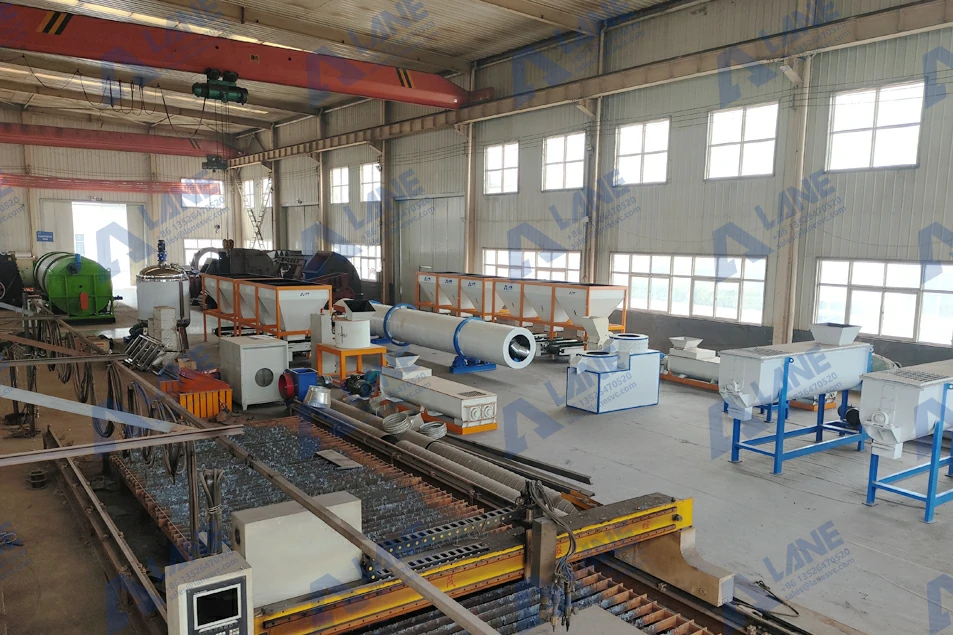
A well-designed recycled paper and wood litter pellet plant in Istanbul integrates efficient shredding, mixing, pelletizing, drying and screening technologies to ensure stable output and consistent pellet quality. To meet the project objectives, the 1.5–2 t/h recycled paper and wood litter pellet plant in Istanbul was configured with a comprehensive set of production equipment:
- Raw Material Pre-processing
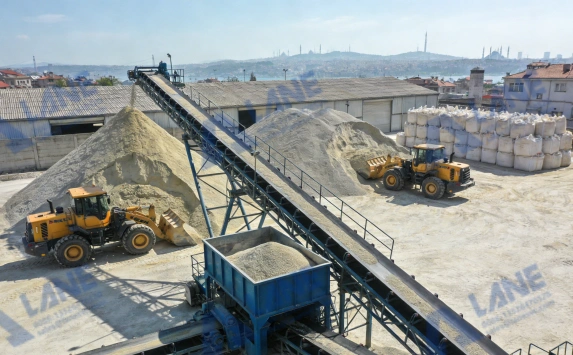
Recycled paper and wood residues were transported to the production area and passed through shredders and hammer mills to achieve consistent particle size for pellet formation. This step ensured uniform feedstock and prevented downstream blockages.
- Mixing and Conditioning
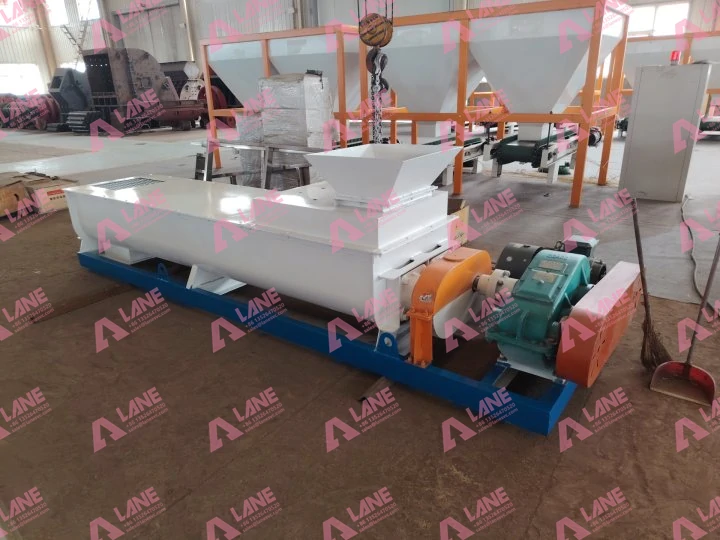
The crushed materials were fed into a mixer with controlled moisture addition to achieve optimal binding characteristics without chemical additives.
- Pelletizing
A ring die pellet mill processed the conditioned mixture into pellets of 3–6 mm diameter, a common size for wood and paper-based cat litter that balances absorption and easy handling.
- Drying and Cooling
After granulation, pellets passed through a rotary dryer to reduce moisture content, then through a cooling system to stabilize structure and hardness.
- Screening and Packaging
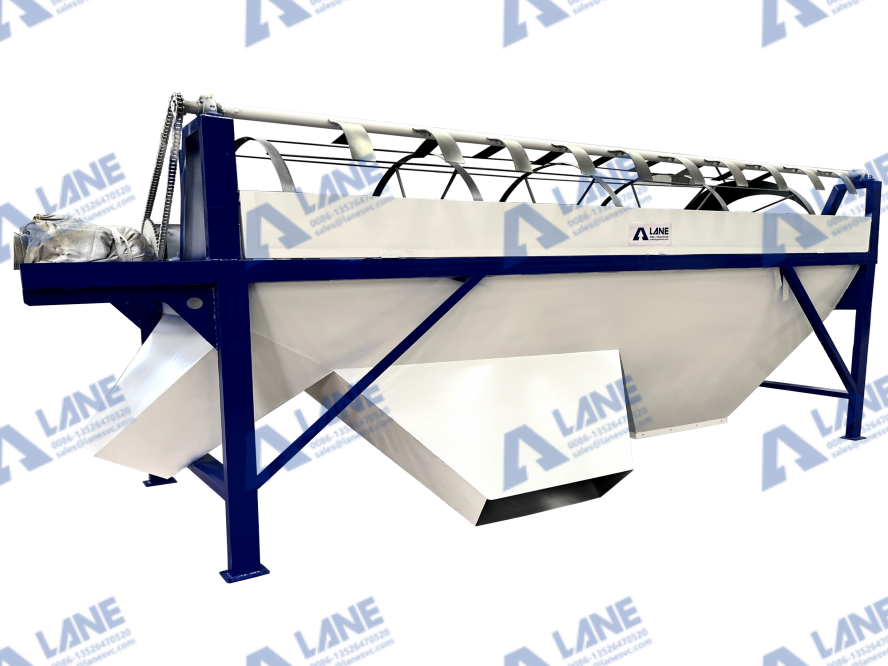
Screeners separated oversized and undersized pellets for recycling back into the process, ensuring uniform final product quality. An automated packaging line then filled bags according to the target weights specified by the client.
This configuration combined proven granulation and biomass processing technologies with industry-specific optimizations for cat litter production.
6. Plant Installation and Commissioning Process
Installation of the 1.5–2 t/h recycled paper and wood litter pellet plant in Istanbul followed a structured schedule:
- Site Preparation: Concrete flooring, material handling zones, and utility connections were prepared in advance.
- Equipment Placement: Critical machinery (mixer, pellet mill, dryer, screener, packaging units) was positioned according to workflow efficiency.
- Electrical and Control Integration: PLC systems were installed for central control of batching, pelletizing, and packaging functions.
- Trial Runs and Adjustment: After mechanical setup, trial runs optimized moisture levels, pellet density, and material flow, ensuring the line consistently achieved the targeted 1.5–2 t/h throughput.
Throughout commissioning, onsite engineers also trained the client’s operators in routine maintenance, safety protocols, and troubleshooting.
7. Operational Performance and Output Quality
Once commissioned, the 1.5–2 t/h recycled paper and wood litter pellet plant in Istanbul demonstrated stable performance with the following characteristics:
-
Consistent Throughput: Operational data showed sustained production within the client’s 1.5–2 t/h target, enabling predictable output planning.
-
Uniform Pellet Quality: Pellets exhibited consistent size distribution and structural integrity suitable for retail cat litter applications.
-
Low Dust and Good Absorbency: Due to raw material choice and process control, the final pellets showed minimal dust and strong moisture uptake, aligning with consumer expectations for eco-litter products.
Customer feedback emphasized the plant’s reliability and the professional support provided during handover.
8. Environmental and Regulatory Compliance
Environmental compliance was integral to the project, given Istanbul’s commitment to sustainable industry practices:
-
Dust Control: Pulse dust collection units were installed at key stages (crushing, mixing, screening) to capture airborne particles and maintain a clean work area.
-
Waste Recycling: Off-spec pellets and fines were reintroduced into the process, minimizing waste.
-
Product Safety: The final recycled paper and wood litter pellets met applicable safety standards for pet products sold in EU markets.
These measures ensured the plant operated responsibly and met regulatory expectations, supporting the client’s long-term sustainability goals.
9. Economic Benefits and ROI for the Client
Installing the 1.5–2 t/h recycled paper and wood litter pellet plant in Istanbul delivered clear economic upside:
-
Raw Material Savings: Utilizing recycled paper and locally sourced wood waste lowered input costs compared with imported clay or silica.
-
Operational Efficiency: Automated material handling and control systems reduced labor requirements and improved production consistency.
-
Market Premiums: Eco-friendly litter products commanded higher retail prices, boosting revenue potential.
-
Short Payback Period: Based on pellet sales forecasts and production costs, the client projected a payback period of under three years.
Overall, this case demonstrated how tailored production line solutions can generate strong ROI while supporting sustainable product strategies.
10. Conclusion – Lessons Learned and Best Practices
The 1.5–2 t/h recycled paper and wood litter pellet plant in Istanbul case highlights several best practices for similar projects:
-
Clear alignment of production goals with market demand
-
Strategic raw material sourcing to maximize sustainability and cost efficiency
-
Tailored equipment configuration to match capacity and product specifications
-
Thorough commissioning and operator training for long-term reliability
-
Strong environmental and safety controls to meet regulatory standards
The recycled paper and wood litter pellet plant in Istanbul project demonstrated how recycled paper and wood can be valorized efficiently, turning waste streams into high-value cat litter products. By integrating these practices, manufacturers can realize efficient, eco-conscious pellet plants capable of producing high-quality recycled paper and wood cat litter.
For more details, please feel free to contact us.
Henan Lane Heavy Industry Machinery Technology Co., Ltd.
Email: sales@lanesvc.com
Contact number: +86 13526470520
Whatsapp: +86 13526470520