

Preventing Cat Litter Pellets Too Soft in Production
Preventing Cat Litter Pellets Too Soft in Production
Introduction: The Importance of Pellet Firmness
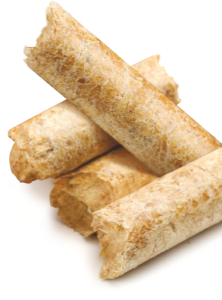
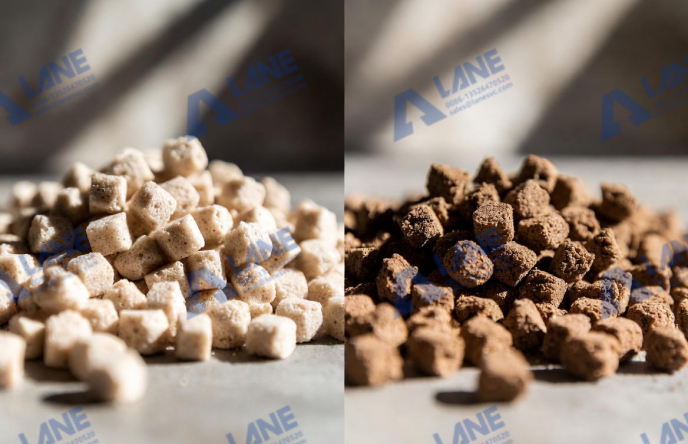
In modern cat litter production, cat litter pellets too soft can cause a cascade of production and quality issues. Soft pellets often crumble during handling, create excessive dust, and compromise packaging efficiency. One of the most frequent challenges our clients face is cat litter pellets too soft, which can compromise both packaging efficiency and the final product experience. End users may notice poor clumping performance, uneven absorption, or difficulty in scooping, all of which can negatively impact brand reputation.
Maintaining the proper firmness of cat litter pellets requires careful attention at multiple stages of the production line. From raw material selection to granulation, drying, cooling, and screening, each stage can affect the final pellet hardness. Understanding the factors that cause soft pellets and implementing appropriate equipment solutions is critical for producing a high-quality, reliable product that meets customer expectations consistently.
Primary Causes of Cat Litter Pellets Too Soft
Soft pellets can originate from several common production issues:
1. Raw Material Moisture and Composition
The water content and composition of raw materials have a direct impact on pellet strength. If the moisture is too high or unevenly distributed, pellets may fail to compact properly during granulation. Certain raw materials, such as tofu cat litter base or bentonite, absorb water differently, and inconsistent moisture can leave pellets too soft internally.
2. Mixing and Homogeneity
Uniform mixing is essential. When ingredients are not thoroughly blended, variations in moisture content and particle distribution lead to soft spots in pellets. This is especially true in blended formulas or pellets incorporating multiple raw materials, which require careful monitoring to maintain consistency.
3. Granulation Pressure and Equipment Performance
Insufficient pressure or inconsistent operation of the granulator can produce under-dense pellets that deform or crumble easily. Our LANE cat litter granulator machine is designed to maintain uniform pellet density and reduce softness without increasing breakage. Its stable operation and adjustable pressure settings ensure that each batch meets the desired firmness standards. If the granulator is not properly calibrated, it is common for cat litter pellets too soft to emerge, resulting in weak clumps and dust generation.
4. Drying and Cooling Deficiencies
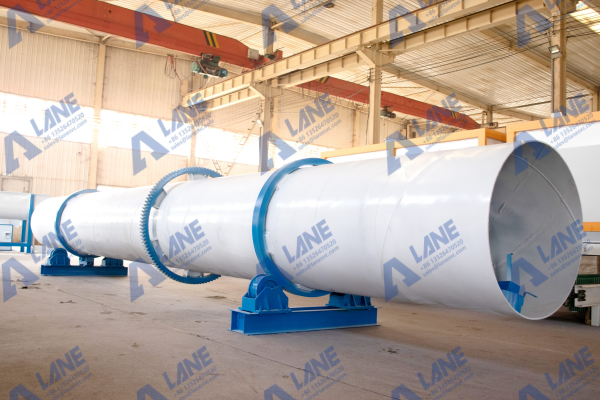
Even well-formed pellets can become soft if drying and cooling are not adequately controlled. Residual moisture after drying may cause pellets to deform or become fragile. Cooling machines stabilize pellet hardness and prevent post-drying softening. Improper drying curves are another hidden cause of cat litter pellets too soft, especially when surface moisture is removed faster than internal moisture. Integrating LANE drying and cooling solutions ensures that each pellet reaches optimal moisture content and maintains its shape during handling.
5. Downstream Handling and Screening
Soft pellets are more vulnerable to damage during screening, conveying, and packaging. Using proper equipment to gently handle pellets can reduce breakage and dust. This highlights the importance of considering the entire production line, rather than focusing solely on a single piece of equipment.
LANE Equipment and Solutions to Maintain Pellet Strength
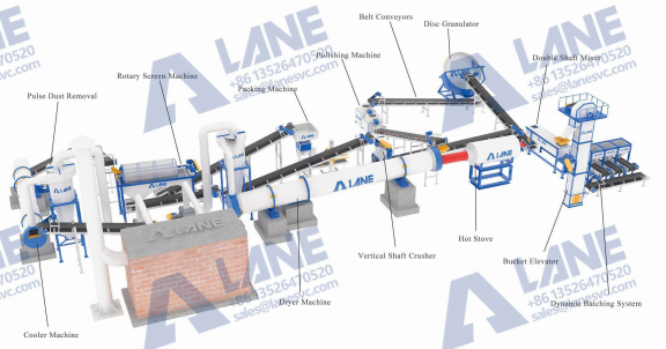
To address the issue of cat litter pellets too soft, selecting the right granulator and drying system is essential. To prevent cat litter pellets too soft, LANE focuses on equipment selection and process integration:
Granulator Machine
Our cat litter granulator machine ensures consistent compression and density for various pellet types, including tofu, bentonite, and blended formulas. Adjustable pressure settings and stable operation prevent softness while minimizing breakage.
-
Supports multiple pellet formulas and production capacities
-
Maintains uniform pellet shape across batches
-
Designed for continuous, reliable operation
Drying and Cooling Equipment
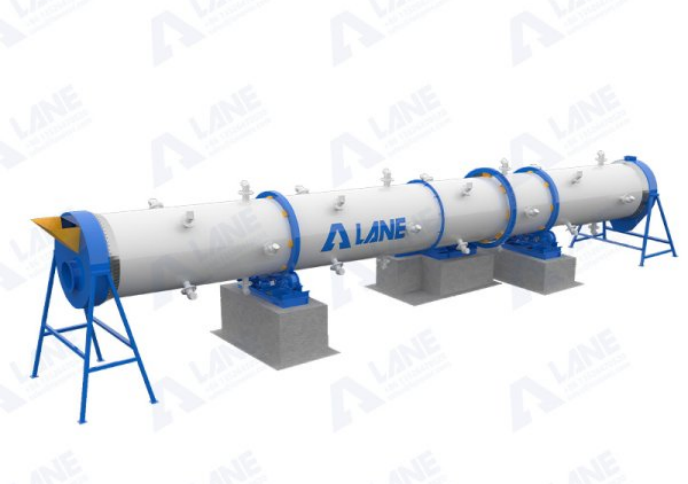
Proper drying and cooling are critical. LANE rotary drum dryers and cooling machines regulate internal moisture, stabilize pellet hardness, and reduce post-processing softening:
-
Adjustable airflow and temperature control
-
Efficient cooling to prepare pellets for packaging
-
Compatible with various pellet formulas
Integrated Production Line Approach
Soft pellets are rarely caused by a single machine. LANE emphasizes a system-level approach:
-
Granulation → Drying → Cooling → Screening → Packaging
-
Continuous monitoring of moisture, pellet density, and hardness
-
Early adjustments prevent large batches of soft pellets
Incomplete coordination between granulation, drying, and cooling equipment is a common reason manufacturers experience cat litter pellets too soft even with quality raw materials. This holistic approach ensures that each component works in harmony, reducing the likelihood of soft pellets and maintaining overall production efficiency.
Monitoring and Quality Control Practices
Even with the right equipment, ongoing monitoring is essential:
-
Moisture Control
-
Measure moisture in raw materials and finished pellets
-
Adjust granulation, drying, and cooling parameters to maintain target levels
-
-
Pellet Hardness Testing
-
Regular sampling to measure compression strength
-
Detect weak pellets early to prevent quality issues
-
-
-
Inspect granulator rolls, dryer temperature sensors, and cooling fans
-
Prevent wear or misalignment that can reduce pellet firmness
-
By combining these quality control measures with reliable LANE equipment, manufacturers can consistently produce firm pellets that meet both production and customer requirements. By regularly measuring pellet hardness, manufacturers can detect early signs of cat litter pellets too soft before large batches are affected.
Additional Considerations for Consistent Pellet Quality
-
Formula Adjustments: Minor tweaks in raw material ratios can improve pellet firmness without altering product performance.
-
Process Timing: Granulation and drying durations must be balanced to avoid under-compression or incomplete drying.
-
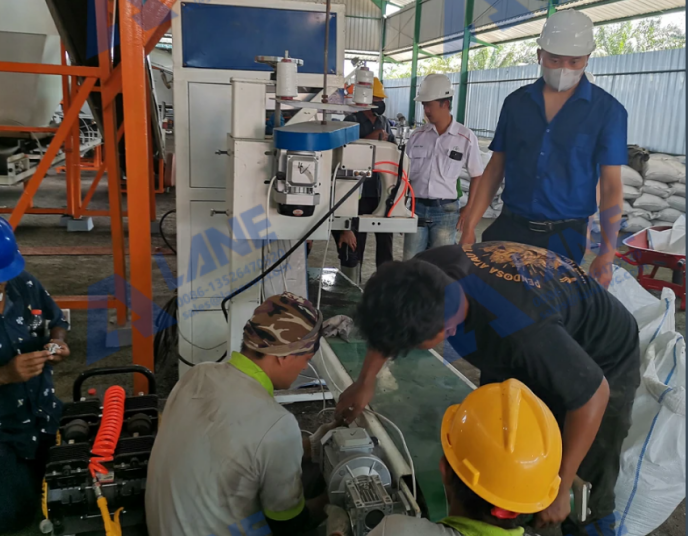
Operator Training: Skilled operators who understand the impact of machine settings and raw material variations are crucial for consistent results.
Additional Strategies for Long-Term Pellet Quality
Maintaining firm cat litter pellets over time requires not just equipment and process optimization, but also careful planning for long-term production stability. Factors such as seasonal variations in raw materials, shifts in ambient humidity, and changes in batch size can all impact pellet hardness. Implementing a predictive monitoring system that tracks pellet moisture, granulator pressure, and drying performance allows manufacturers to make proactive adjustments before pellets become too soft.
LANE’s experience with multiple cat litter production lines highlights the importance of equipment adaptability. Our machines are designed to handle variations in raw material and production conditions, ensuring consistent pellet firmness even when external factors fluctuate. Integrating these adaptive systems into the production line reduces the risk of soft pellets and increases overall line efficiency, helping manufacturers maintain product quality batch after batch.
Conclusion: Ensuring Stable Cat Litter Pellets
Preventing cat litter pellets too soft requires attention to every stage of production, from raw materials to final packaging. Preventing cat litter pellets too soft requires a combination of high-quality equipment, proper process integration, careful monitoring, and experienced operation. LANE’s experience as a cat litter equipment manufacturer ensures that production lines achieve consistent pellet hardness, reduce breakage, and maintain product quality.
By leveraging LANE’s granulators, dryers, and cooling solutions in a coordinated production line, manufacturers can meet customer expectations and maintain efficiency throughout production.
For more details, please feel free to contact us.
Henan Lane Heavy Industry Machinery Technology Co., Ltd.
Email: sales@lanesvc.com
Contact number: +86 13526470520
Whatsapp: +86 13526470520