

Pine Cat Litter Production Line — Complete Guide to Process & Equipment Integration
Pine Cat Litter Production Line — Complete Guide to Process & Equipment Integration
Introduction — Why a Pine Cat Litter Production Line Matters
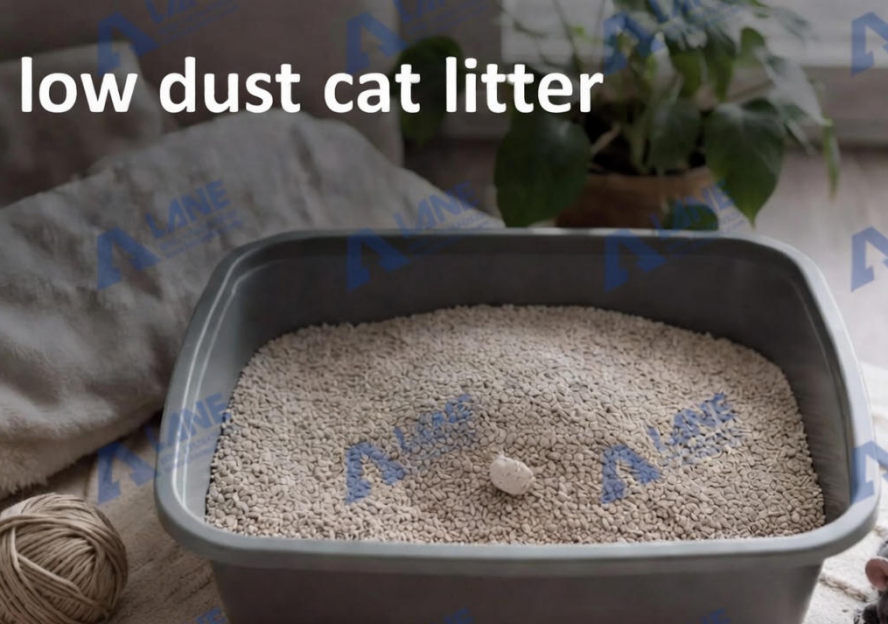
In today’s pet care market, sustainable alternatives to traditional clay litter are increasingly sought after. Among these, pine-based formulas stand out due to their biodegradability, natural odor control, and lightweight texture. Establishing a well-engineered Pine Cat Litter Production Line not only meets these market demands but also enables manufacturers to differentiate their products with eco-friendly value propositions.
Unlike standard mineral systems, pine cat litter production involves handling fibrous wood materials that behave differently under pressure, heat, and vibration. A deep understanding of the Pine Cat Litter Production Line workflow, combined with precise equipment selection and integration, is crucial to achieving consistent quality, optimal throughput, and minimized waste.
1. Raw Materials for Pine Cat Litter Production
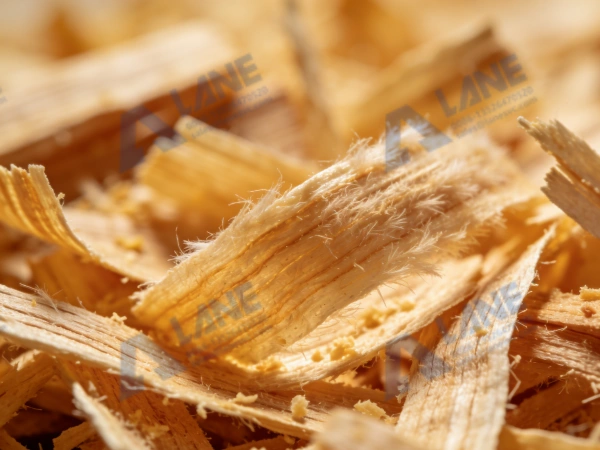
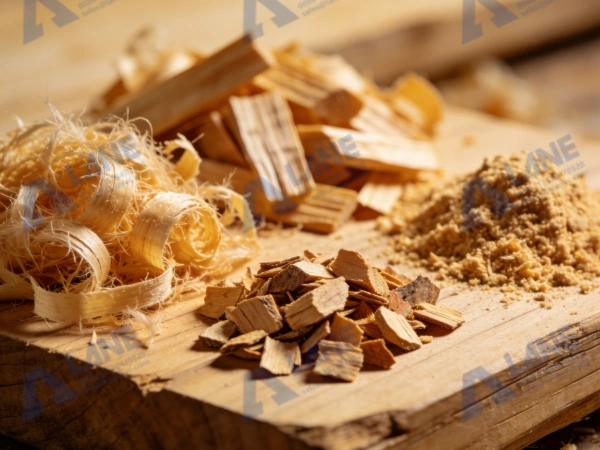
A robust Pine Cat Litter Production Line begins with raw materials that are both high quality and consistent. Pine wood shavings, chips, or sawdust are the most common feedstocks. Their natural cellulose and resin content contribute to excellent moisture wicking and odor absorption.
However, wood fibers can vary in texture and moisture content, which means pre-processing is essential before entering the main production stages. Proper preparation ensures that the fibers feed smoothly into mixers and granulators, reducing wear on equipment and improving pellet consistency.
2. Pre-processing — Preparing Pine Wood Fibers
Before shaping pine cat litter particles, raw pine wood must be processed to prepare it for the production line:
- Crushing and Screening
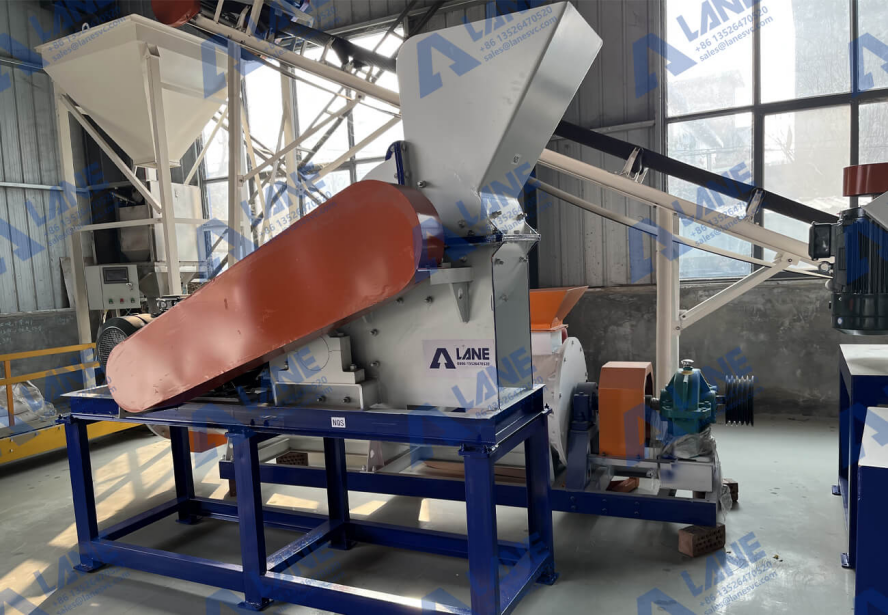
Wood shavings and chips are first reduced in size using crushers or hammer mills. This step transforms uneven fibers into smaller granules that are easier to mix and form.
- Drying and Moisture Control
Moisture content above optimal thresholds can lead to poor pellet formation or inconsistent drying downstream. Hot-air dryers in the Pine Cat Litter Production Line ensure that wood fibers achieve a uniform moisture level suited for blending and pressing.
Effective pre-processing enhances the stability of downstream equipment and reduces variations in pellet performance.
- Mixing — Formulating for Consistency
Once wood fibers are conditioned, they move to the mixing stage. Here, blending machines combine pine feedstocks with binders, natural additives, or scent enhancers to tailor the final litter formula. Consistent mixing prevents clumping issues and ensures that each batch behaves predictably in final use.
Automated dosing and mixing systems are often integrated into a Pine Cat Litter Production Line to maintain accurate ratios and reduce manual intervention, significantly improving batch repeatability.
4. Pelletizing — Core Shaping Step
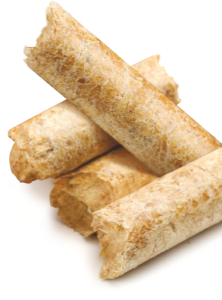
Pelletizing is the central mechanical process in a Pine Cat Litter Production Line, transforming blended raw material into stable, usable litter form. Pellet mills specifically designed for wood fibers press material into uniform pellets using high pressure. Key considerations for this stage include:
-
Pressure and temperature control to ensure stable pellet structure;
-
Die size and roller configuration to achieve desired pellet diameters and densities;
-
Feed consistency to prevent unshaped fines or blockages.
Well-matched pelletizing equipment helps achieve pellets with excellent moisture wicking and odor control — essential attributes for pine cat litter.
5. Drying & Cooling — Stabilizing Pellet Structure
After pelletization, fibers remain warm and retain residual moisture. The next step is to remove excess moisture and cool pellets to a stable temperature. Controlled drying prevents deformation and microbial growth, while cooling enhances mechanical strength. In a Pine Cat Litter Production Line, multi-stage drying and cooling systems are arranged to:
-
Gradually reduce moisture to target levels;
-
Maintain pellet integrity;
-
Optimize energy use and airflow patterns.
These systems work in tandem with pelletizing equipment to deliver consistent, high-quality pellets ready for final processing.
6. Screening & Dust Control — Refining Product Output
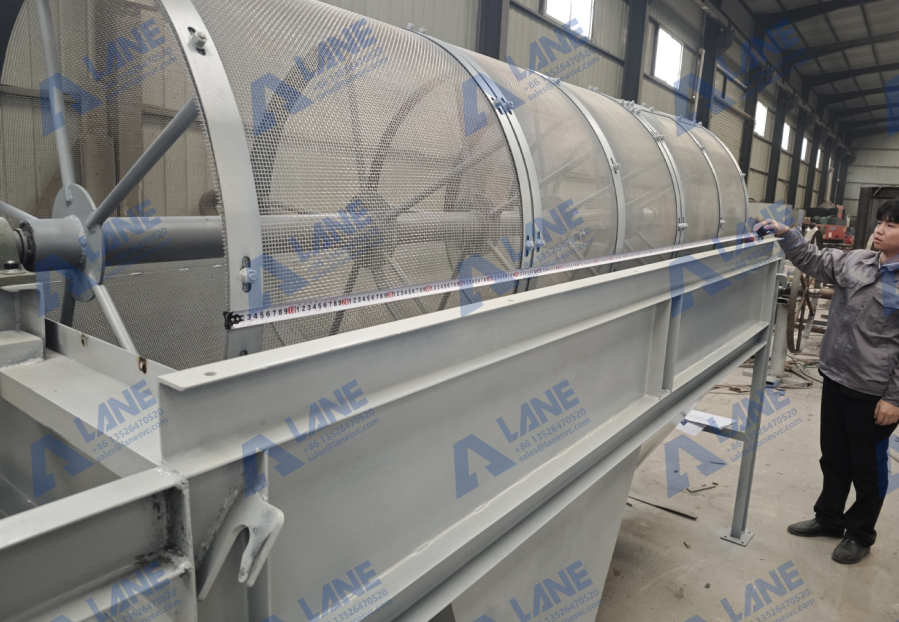
Post-drying, pellets typically pass through screening systems that classify them by size. Screening ensures that out-of-spec pellets and dust fines are separated from the main product stream. In a pine litter context, effective dust control and screening help reduce airborne particles that can impact both worker safety and product performance.
Modern screening solutions within a Pine Cat Litter Production Line often integrate automated dust extraction and fine particle recirculation, improving both environmental compliance and material utilization.
7. Packaging — Final Step for Market Readiness
Once properly classified, pine cat litter moves into automated packaging units. These units handle weighing, bagging, sealing, and labeling, ensuring consistency in product presentation. Packaging solutions for a Pine Cat Litter Production Line often include:
-
Multi-head weighers for precise fill control;
-
Sealing and palletizing modules for logistical integration;
-
Optional RFID or barcode tracking for traceability.
Automated packaging reduces labor intensity and improves throughput, which is critical in larger production environments.
8. Industrial Line Design — Layout & Workflow Optimization
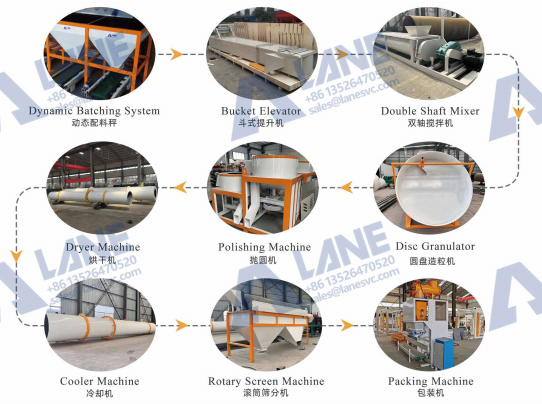
Beyond individual machines, a successful Pine Cat Litter Production Line must integrate equipment into a coherent, efficient workflow. Key industrial design considerations include:
-
Logical sequencing of pre-processing, pelletizing, drying, and packaging;
-
Material handling systems that reduce manual intervention;
-
Space planning that supports dust control paths and maintenance access;
-
Scalability for future capacity upgrades.
Effective line design enhances production stability and allows easy adaptation when switching formulas or scaling capacity. These principles are fundamental to building modern, automated production lines that meet both performance and safety standards.
9. Quality Control — Ensuring Consistent Performance
Throughout the Pine Cat Litter Production Line, quality control checkpoints help maintain final product standards. Typical parameters include:
-
Pellet weight and dimensions;
-
Moisture content and absorbency;
-
Dust percentage and particle size distribution;
-
Odor control effectiveness.
Automated sensing and data capture systems can be integrated at key points to monitor these metrics in real time and trigger alerts when criteria fall outside defined thresholds. In this way, quality is managed proactively rather than reactively.
Conclusion — Building a Sustainable, Efficient Pine Cat Litter Production Line
A well-designed Pine Cat Litter Production Line blends a thorough understanding of raw material behavior with optimized equipment selection and layout design. From pre-processing pine fibers to pelletizing, drying, screening, and packaging, each stage plays a decisive role in the final product’s performance and market acceptance.
By integrating tailored equipment and engineering expertise, manufacturers can achieve consistent throughput, excellent product quality, and reduced environmental impact. For companies planning to expand or upgrade their production capabilities, exploring customized line solutions can unlock new efficiencies and competitive advantages.
📌 Find out how LANE’s tailored solutions support every stage of your cat litter production line — from raw material handling to finished product packaging.
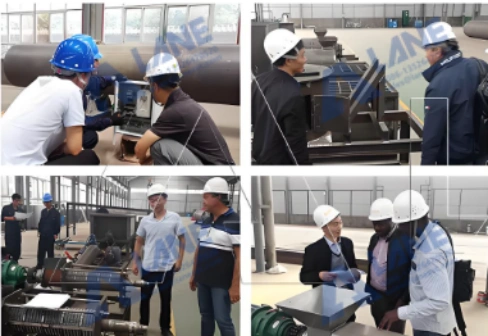
Focusing on customized services, LANE is always available for your inquiries.
For more details, please feel free to contact us.
Henan Lane Heavy Industry Machinery Technology Co., Ltd.
Email: sales@lanesvc.com
Contact number: +86 13526470520
Whatsapp: +86 13526470520