

Organic Cat Litter Production Line Cost Factors: How Investment, Materials, and Equipment Shape Your Bottom Line
Organic Cat Litter Production Line Cost Factors: How Investment, Materials, and Equipment Shape Your Bottom Line
Introduction
Designing and operating a successful organic cat litter production line requires a clear understanding of organic cat litter production line cost factors, from initial capital expenses to ongoing operational and material costs. With the pet care market expanding rapidly and demand rising for eco-friendly and biodegradable cat litter products, manufacturers and investors are paying closer attention to how production costs influence profitability, scalability, and product quality. Globally, cat litter equipment pricing can range widely based on capacity and configuration, and total project costs are shaped by multiple interlinked factors.
1. Core Equipment Investment and Capital Costs
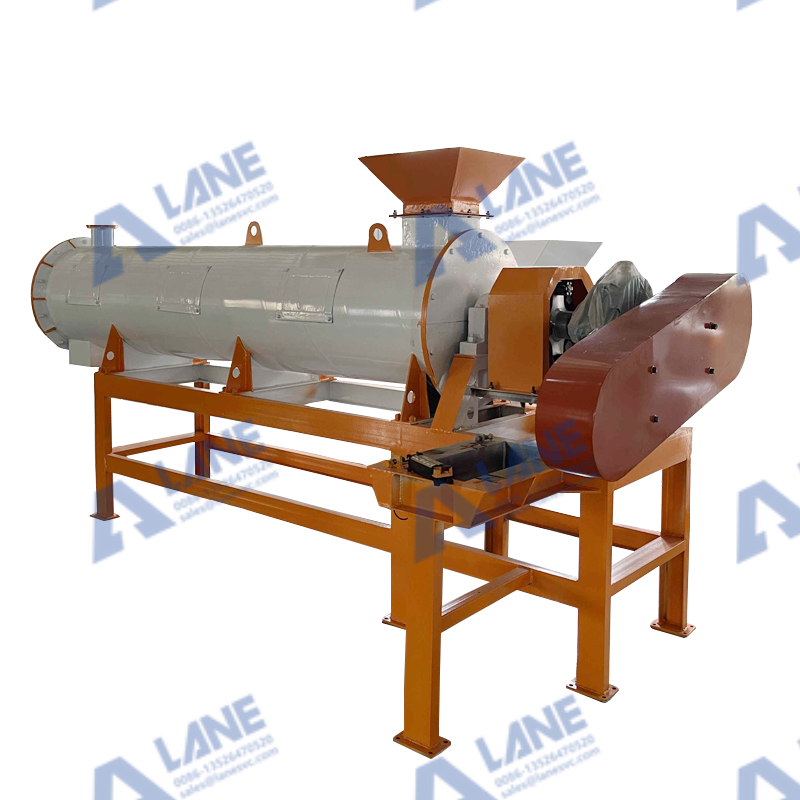
One of the most significant organic cat litter production line cost factors is the initial investment in production equipment. The cost of machinery can vary substantially based on production capacity, automation level, material compatibility, and build quality.
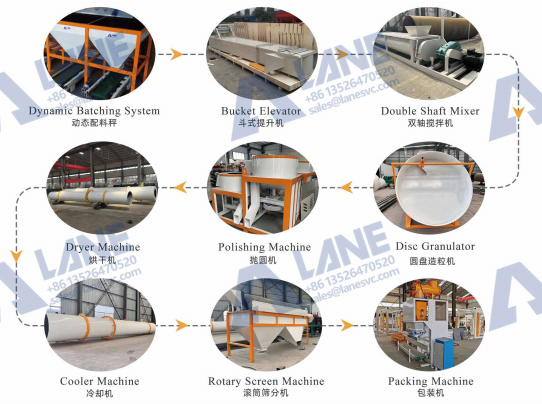
For instance, basic cat litter production lines — whether designed to process mineral-based clay or organic raw materials like tofu dregs or wood fiber — generally include a set of essential machines such as mixers, granulators, dryers, coolers, screeners, and packaging units. According to industry cost estimates, small-scale lines with a capacity of 1–2 t/h might start at around $25,000–$45,000, while large automatic plants can exceed $150,000–$300,000 or more when fully configured with drying, screening, and packaging systems.
-
Small entry lines: Basic equipment and low automation settings
-
Medium commercial lines: Balanced automation with higher throughput
-
Large automated plants: Fully integrated production systems with minimal manual handling
The level of automation directly affects the price — fully automated lines with smart controls and PLC systems offer higher productivity and lower labor costs but increase upfront investment compared to semi-automatic setups. Some brands factor in the long-term value of organic cat litter production line cost factors such as equipment lifespan and depreciation rather than focusing only on initial purchase price.
2. Raw Material Costs and Availability
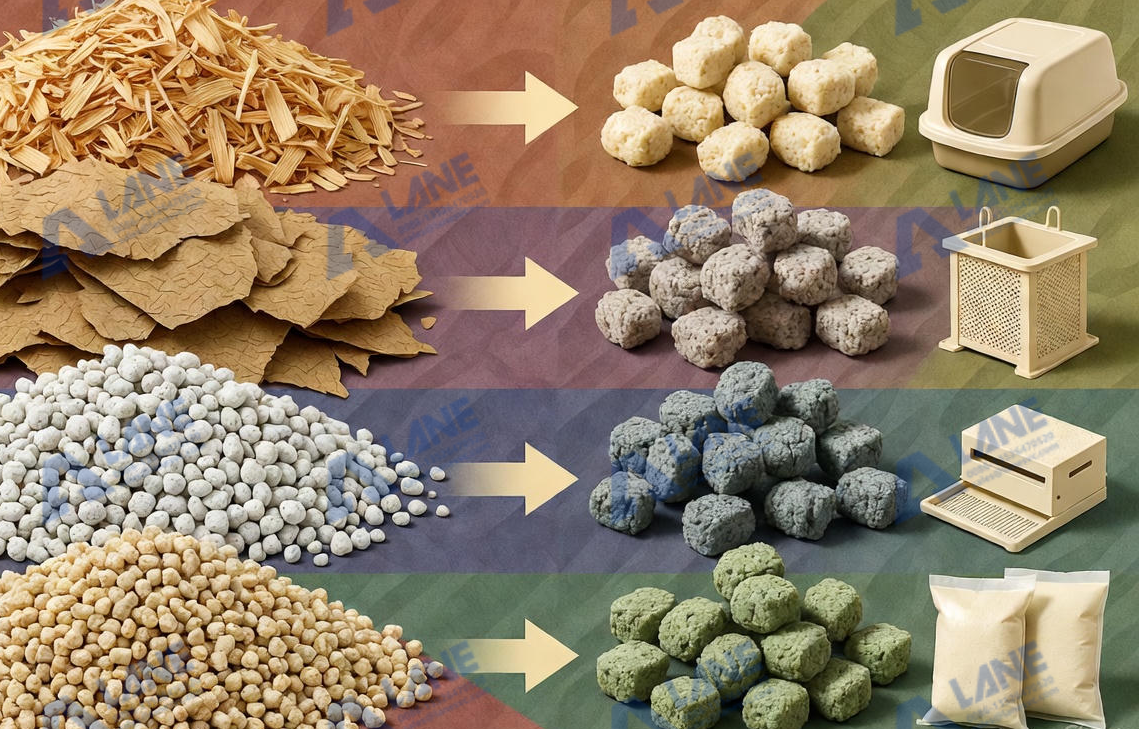
Another crucial consideration among organic cat litter production line cost factors is the choice and source of raw materials. Organic cat litter formulas often incorporate biodegradable inputs such as tofu residue, corn cob, wood chips, paper pulp, or other plant fibers, each with distinct price profiles and supply dynamics.
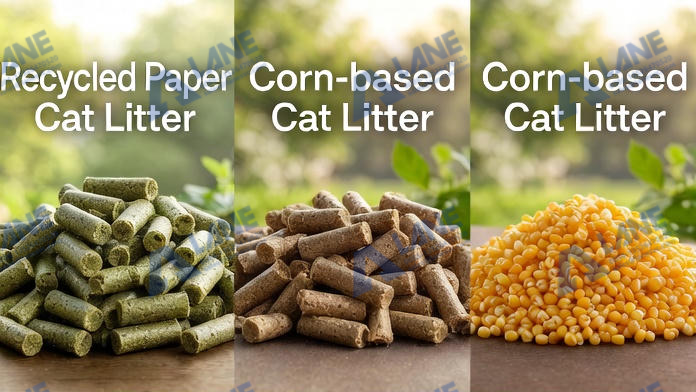
The cost of these raw materials can fluctuate seasonally and regionally, and using higher-grade organic inputs typically increases the material cost component of production. In contrast, traditional mineral raw materials like bentonite clay may be more stable and less volatile but come with their own environmental and logistics costs. Organic and bio-based litter materials often demand specialized pre-processing equipment to handle the unique physical properties of plant fibers, which can further influence equipment selection and associated costs.
3. Production Scale and Capacity Impact on Costs
Production scale plays a major role in shaping organic cat litter production line cost factors. Larger production capacities generally achieve lower unit costs due to economies of scale, where increased throughput spreads fixed costs like depreciation and labor over greater production volumes.
Industry cost reporting shows that lines with higher capacities (e.g., 5–7 t/h and above) require larger footprints, more robust conveyors, high-capacity dryers, and often enhanced environmental control systems, resulting in step increments in equipment cost and infrastructure requirements. Larger lines also demand greater planning in terms of power supply, floor space, and workflow optimization.
4. Operational and Ongoing Costs
Operational costs — including labor, energy, maintenance, and environmental compliance — are central among organic cat litter production line cost factors once equipment is installed and running.
1) Energy and Utilities
Drying and granulating organic materials can be energy-intensive processes, and power costs vary significantly by region. Facilities with access to lower energy costs can see a reduction in ongoing operating expenses, while regions with higher utility rates may add pressure to operating margins.
2)Labor and Maintenance
Even with automation, technicians and operators are needed to monitor systems, maintain equipment, and manage quality control. Labor cost differences across countries can substantially affect total operating expenditures, with developing regions often offering lower labor expenses than developed markets. Different regions can show large variation in organic cat litter production line cost factors, especially when energy, labor, and raw materials are priced significantly differently.
3)Environmental Compliance and Dust Control
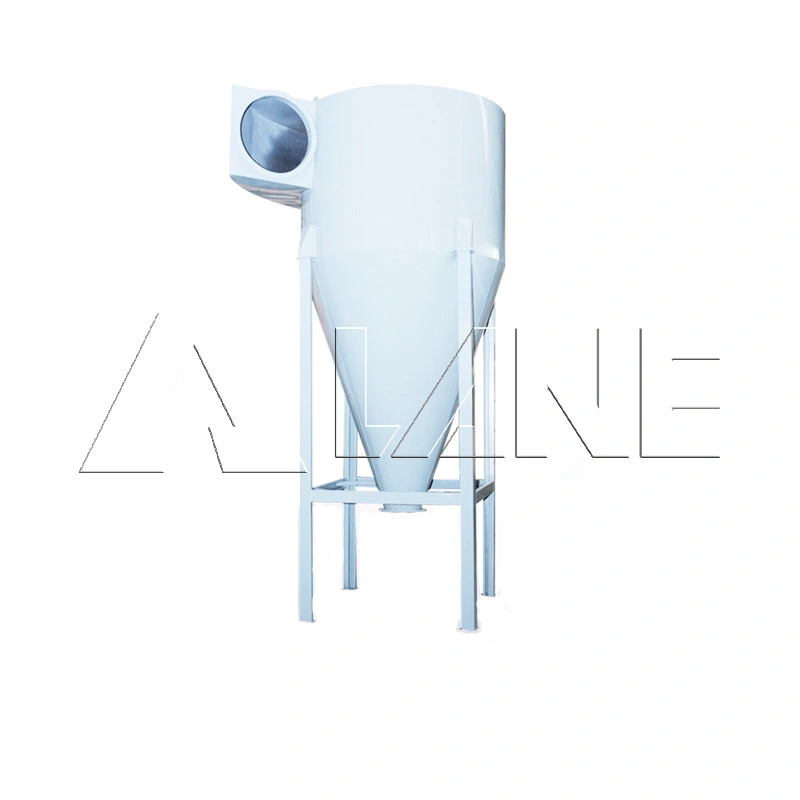
Production lines processing organic and mineral materials alike require dust extraction and emission control systems to meet regulatory standards. While clay processing typically generates more fine particulates and necessitates advanced dust collection systems, organic material lines may need additional handling for particulate matter or moisture variations. Compliance with workplace health and safety standards can incur additional costs but is essential for sustainable operation.
5. Site Infrastructure and Auxiliary Costs
Beyond core production machinery, other infrastructure costs form part of organic cat litter production line cost factors:
-
Facility construction or rental: Larger lines may require significant floor space and controlled environments.
-
Utility installation: Power, water, and logistics access can add to initial project budgets.
-
Compliance permitting: Environmental and safety approvals may require investment in monitoring systems and certifications.
Planning for these auxiliary expenses up front helps avoid unexpected budget overruns during installation and commissioning.
6. Logistics and Supply Chain Costs
Logistics costs, including shipping, customs, and material handling, influence both initial equipment purchase costs and ongoing material procurement. Heavy and bulky production machines often incur significant freight charges, and transporting raw materials like plant fibers or clay from distant suppliers adds to landed costs.
Recognizing these logistics factors early is essential when estimating the organic cat litter production line cost factors in a business plan. For many producers, annual cost reviews — analyzing organic cat litter production line cost factors such as transport, storage, and material fluctuations — lead to better budget forecasting and fewer surprises.
7. Return on Investment (ROI) and Profitability
Understanding how various organic cat litter production line cost factors interact enables manufacturers to model return on investment (ROI) and break-even timelines more accurately. While initial capital expenditures may appear high for automated, high-capacity lines, the potential for durable equipment, reduced labor, and higher throughput often leads to long-term cost savings. By analyzing performance data alongside organic cat litter production line cost factors, manufacturers can strike a balance between operational efficiency and product pricing that meets market expectations.
For example, investing moderately more in build quality and automation can reduce downtime and maintenance frequency, enhancing uptime and lowering cost-per-unit produced. Coupling efficient production with premium, eco-friendly product positioning often yields better pricing power in the market — a key strategic advantage over lower-cost commodity bentonite litter production. Importantly, understanding organic cat litter production line cost factors helps define whether investing in a fully automated line or a hybrid semi-automatic solution makes more economic sense for a specific business model.
Conclusion
Evaluating organic cat litter production line cost factors holistically — from equipment and raw materials to operational expenses and ROI dynamics — ensures that manufacturers can make informed decisions that balance investment with long-term profitability and product quality. Cost elements like production scale, energy usage, labor rates, and logistics all contribute to the final picture. Manufacturers who thoroughly analyze these factors and work with experienced integrators can design cost-optimized, high-performance production lines that meet market demand efficiently.
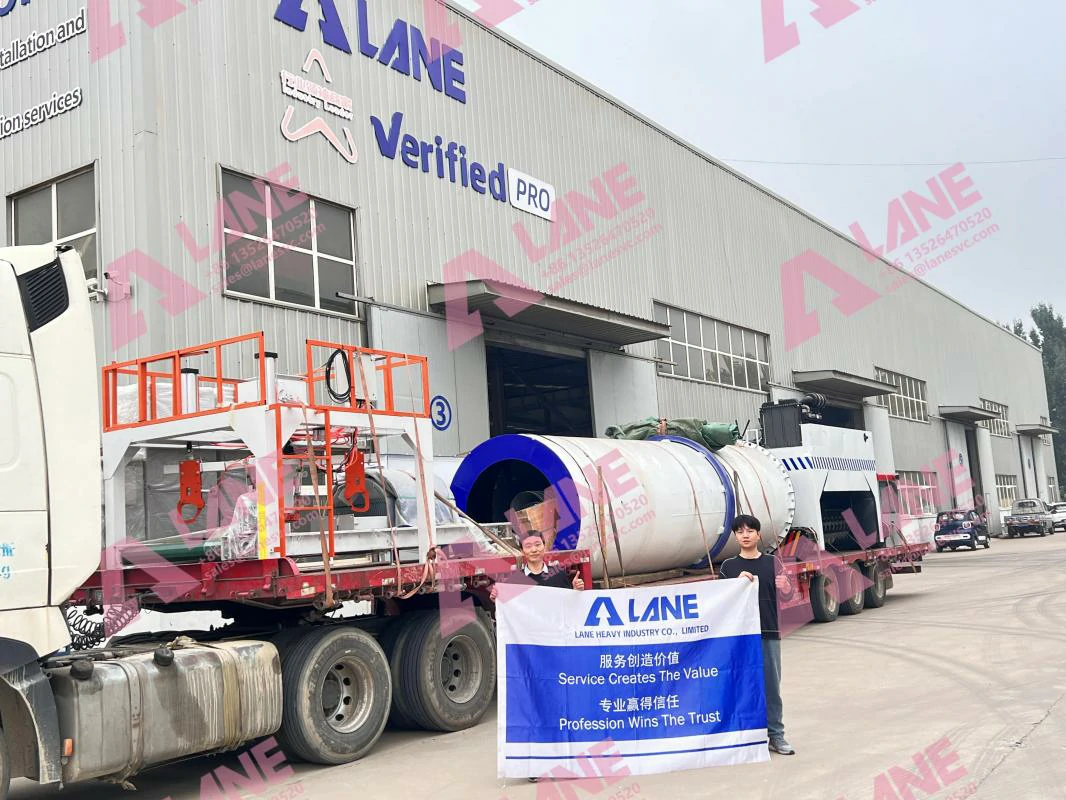
If you are planning or upgrading the production line of organic cat litter products, understanding these cost components will help you formulate a more accurate budget, enhance efficiency, and achieve business growth. LANE has always adhered to the concept of “serving customers wholeheartedly”, and has made every effort to meet your needs, matching you with the most suitable solution.
For more details, please feel free to contact us.
Henan Lane Heavy Industry Machinery Technology Co., Ltd.
Email: sales@lanesvc.com
Contact number: +86 13526470520
Whatsapp: +86 13526470520