

Odor Control Technology Requirements for Production Equipment in Modern Cat Litter Manufacturing
Odor Control Technology Requirements for Production Equipment in Modern Cat Litter Manufacturing
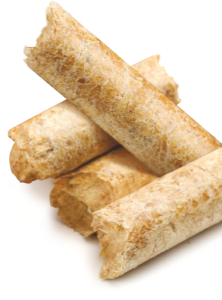
The pet care industry has seen rapid growth in recent years, and cat litter products are now expected to deliver stronger odor control, low dust levels, and better environmental performance. As consumer expectations increase, manufacturers must pay close attention to the odor control technology requirements for production equipment used in cat litter manufacturing.
Odor is primarily caused by compounds such as ammonia, hydrogen sulfide, and other volatile organic compounds generated when cat waste interacts with litter materials. Effective production equipment must therefore integrate multiple odor control strategies—from raw material processing to pellet formation and drying.
Activated carbon and similar materials can trap odor molecules through adsorption, which is why they are widely used in odor-control cat litter formulations.
For manufacturers, meeting these odor control technology requirements for production equipment is not only about product performance but also about maintaining a clean and safe production environment.
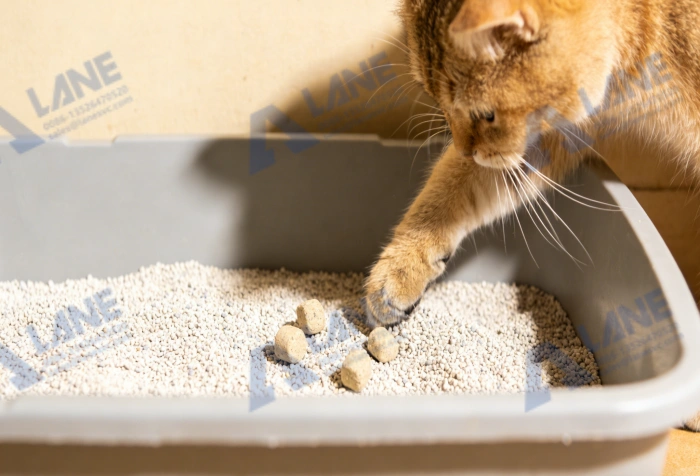
A Crucial Part of Cat Litter Production-Odor Control
In cat litter manufacturing, odor management plays a key role in both product quality and factory operations.
First, strong odor control improves the end-user experience. Cat owners prefer litter products that neutralize ammonia quickly and maintain freshness over time.
Second, odor control technologies help improve production conditions. Without proper ventilation and dust management systems, litter production plants may accumulate unpleasant smells and airborne particles.
Many modern cat litter products use natural deodorizing materials such as activated carbon, zeolite, or plant-based biochar to enhance odor absorption capacity. Studies show that biochar-based additives can significantly reduce volatile odor compounds in litter formulations.
Therefore, understanding the odor control technology requirements for production equipment is essential for manufacturers who want to produce high-quality, competitive cat litter products.
Major Sources of Odor During Cat Litter Manufacturing
Several stages of production may generate odors if not properly controlled.
- Raw Material Processing
Natural materials such as soybean fiber, bentonite clay, or plant residue may contain moisture or organic components that release odors during crushing and mixing.
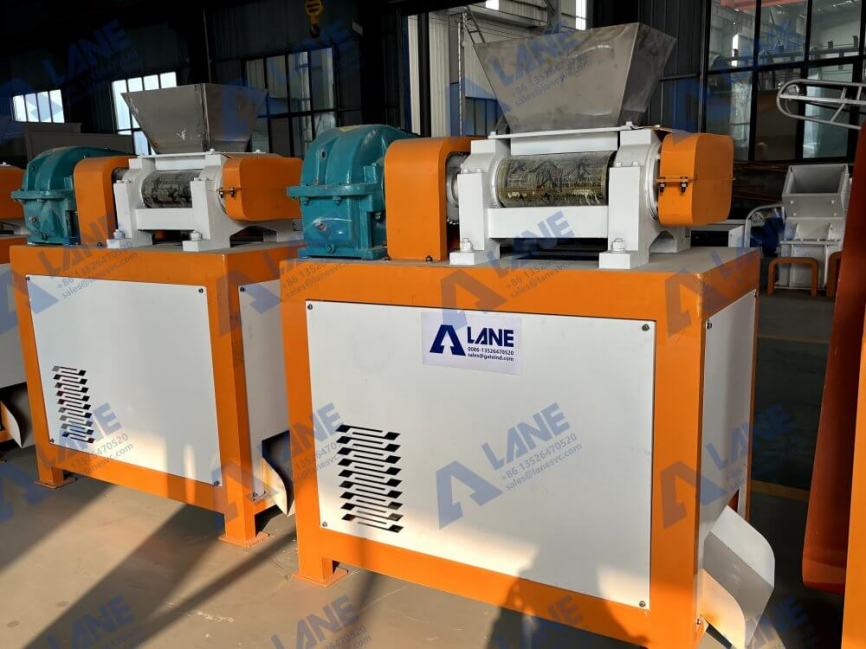
- Granulation and Conditioning
During pellet formation, moisture and additives are introduced into the material mixture. If airflow and ventilation are insufficient, odors can accumulate around the granulation equipment.
- Drying Process
The drying stage is one of the main sources of odor emission. High temperatures can release volatile compounds from raw materials and additives.
- Screening and Packaging
Dust particles generated during screening can carry odor compounds throughout the workshop.
Because of these challenges, modern factories must implement odor control technology requirements for production equipment across the entire production line.
Key Odor Control Technology Requirements for Production Equipment
To achieve effective odor management, production equipment must meet several technological requirements.
1. Integrated Dust Collection Systems
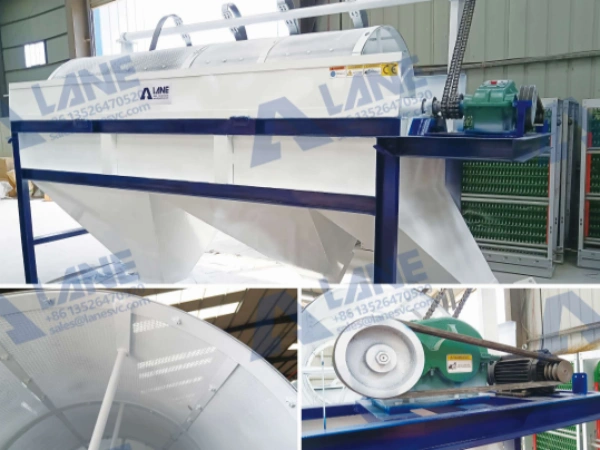
Dust particles often carry odor molecules. High-efficiency dust collectors help capture fine particles and reduce airborne contamination.
2. Closed Conveying Systems
Enclosed conveyors and sealed transfer systems prevent odor leakage during material transport.
3. Ventilation and Air Filtration
Industrial ventilation systems combined with carbon filters can remove ammonia and volatile organic compounds from factory air.
4. Optimized Process Layout
Proper equipment layout helps maintain airflow direction and prevent odor concentration in specific production zones.
When manufacturers evaluate equipment suppliers, these odor control technology requirements for production equipment should be considered a core design parameter.
Material-Based Odor Reduction Technologies
Odor control does not rely solely on machinery. Material formulation also plays an important role.
Many cat litter products combine mineral materials with deodorizing additives such as activated carbon. Activated carbon has a highly porous structure that can adsorb ammonia and hydrogen sulfide molecules, effectively reducing unpleasant odors.
Similarly, plant-based litters made from soybean fiber or starch can include natural deodorizing agents to enhance odor reduction performance. Some premium products are capable of reducing ammonia odor by more than 90% within 24 hours.
Production equipment must therefore support precise dosing and mixing of these additives, which is another key aspect of the odor control technology requirements for production equipment.
Dust and Airflow Management in Cat Litter Production Lines
Dust control and airflow management are closely related to odor reduction.
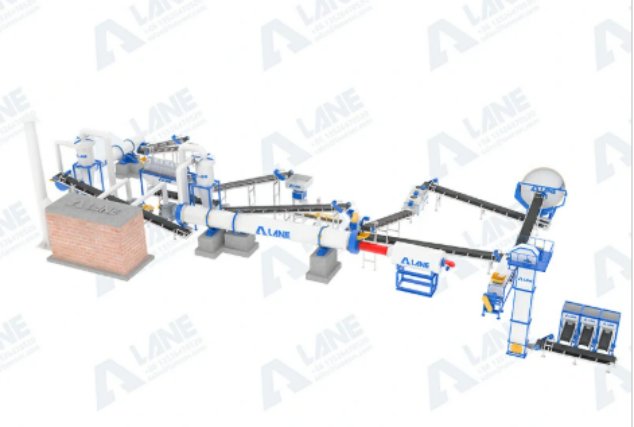
Modern production lines typically include:
-
cyclone dust collectors
-
controlled airflow ventilation channels
These technologies help remove fine particles generated during crushing, screening, and packaging.
Because odor molecules often attach to dust particles, reducing dust concentration significantly improves overall odor control performance. For this reason, dust management is an essential part of the odor control technology requirements for production equipment in modern cat litter factories.
Intelligent Additive and Spray Systems for Odor Control
Advanced production lines may also include automated spray systems that apply fragrance agents or binder solutions during pellet processing.
Precision spray technology can maintain consistent dosage rates regardless of production speed, ensuring uniform odor-control performance in the final product.
These systems allow manufacturers to apply deodorizing agents evenly across pellets while reducing chemical waste and improving production efficiency.
Such innovations are increasingly becoming part of the odor control technology requirements for production equipment.
How LANE Machinery Designs Odor-Optimized Production Equipment
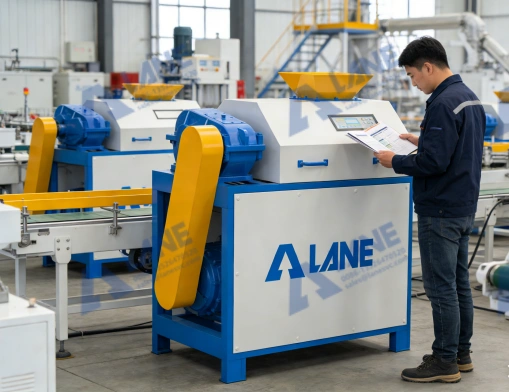
At LANE Machinery, odor control is considered an integral part of production line engineering rather than an afterthought.
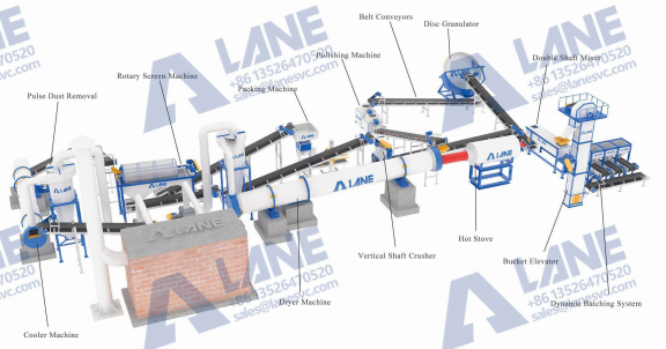
Our cat litter production systems integrate multiple odor-reduction strategies, including:
-
sealed material conveying systems
-
high-efficiency dust collection modules
-
optimized granulation and drying airflow design
-
intelligent additive mixing systems
LANE also focuses on process optimization, ensuring that each stage—from raw material preparation to final packaging—maintains stable environmental conditions.
By combining engineering design with practical manufacturing experience, LANE helps clients meet modern odor control technology requirements for production equipment while improving product consistency and factory cleanliness.
Future Trends in Cat Litter Deodorization Technology
The future of cat litter production is moving toward more sustainable and efficient odor-control technologies.
Key trends include:
-
bio-based deodorizing materials
-
low-dust pellet technology
-
automated odor monitoring systems
-
intelligent ventilation and filtration systems
As global demand for eco-friendly cat litter products continues to rise, manufacturers must invest in advanced production technologies that meet evolving odor control technology requirements for production equipment.
FAQ – Odor Control in Cat Litter Manufacturing
1. Why is odor control important in cat litter production equipment?
Odor control improves both product quality and factory working conditions. Proper technology ensures that cat litter effectively neutralizes ammonia and other unpleasant smells.
2. What materials are commonly used for odor control in cat litter?
Common deodorizing materials include activated carbon, zeolite, plant biochar, and natural mineral additives that absorb odor compounds.
3. Can production equipment influence odor control performance?
Yes. Equipment design affects mixing quality, airflow management, dust removal, and additive distribution, all of which impact odor control.
4. How can manufacturers improve odor control in existing production lines?
Upgrading dust collection systems, improving ventilation, and installing precision additive dosing systems are effective ways to enhance odor control performance.
For more details, please feel free to contact us.
Henan Lane Heavy Industry Machinery Technology Co., Ltd.
Email: sales@lanesvc.com
Contact number: +86 13526470520
Whatsapp: +86 13526470520