

Why Modular Cat Litter Production Machinery Fits Modern Factory Expansion
Why Modular Cat Litter Production Machinery Fits Modern Factory Expansion
Introduction
As the global cat litter market continues to diversify, manufacturers face increasing pressure to respond quickly to changing product requirements, fluctuating demand, and tighter production timelines. In this environment, traditional fixed production lines often struggle to keep pace.
Modular cat litter production machinery has emerged as a practical solution for factories that value flexibility, scalability, and long-term stability. Rather than building rigid lines that are difficult to modify, more manufacturers are choosing modular systems that allow production capacity and functionality to grow alongside the business.
For modern cat litter factories, modular design is no longer an optional feature—it is becoming a strategic foundation for sustainable expansion.
What “Modular” Really Means in Cat Litter Production Machinery
In industrial manufacturing, modular design is often misunderstood. Modular cat litter production machinery does not mean assembling unrelated machines or sacrificing system stability for flexibility.
In practice, modular design refers to:
-
Clearly defined functional units
-
Standardized mechanical and control interfaces
-
Independent modules that operate within a coordinated system
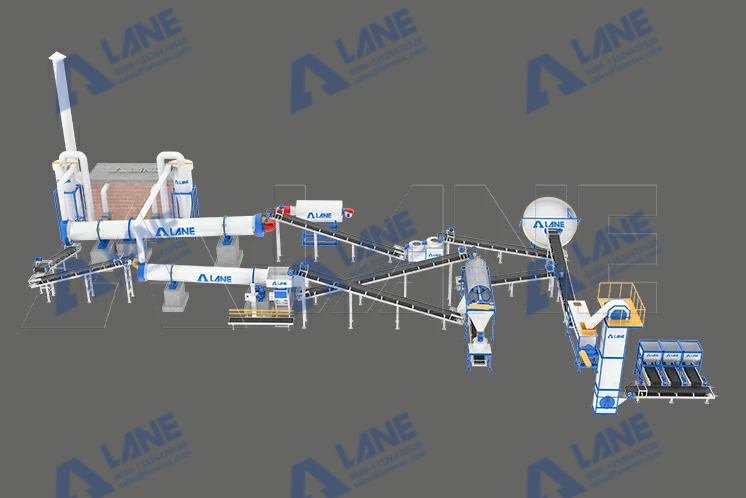
Each module performs a specific task—such as crushing, screening, drying, or packaging—while remaining fully compatible with the rest of the line. This structure allows manufacturers to adjust or upgrade individual modules without redesigning the entire production system.
Why Traditional Fixed Lines Limit Factory Growth
Many early-stage factories rely on fixed production lines designed around a single product type or capacity target. While this approach may reduce initial investment, it often creates long-term constraints.
Fixed lines typically make it difficult to:
-
Increase output without major reconstruction
-
Adapt to new formulations or raw materials
-
Reduce downtime during upgrades or maintenance
As demand grows or product specifications change, these limitations become increasingly costly. Modular cat litter production machinery addresses this issue by allowing manufacturers to expand or reconfigure production in stages, minimizing disruption and financial risk.
Instead of committing to maximum capacity from day one, factories can grow incrementally—adding or upgrading modules as needed.
Core Modules That Define Production Flexibility
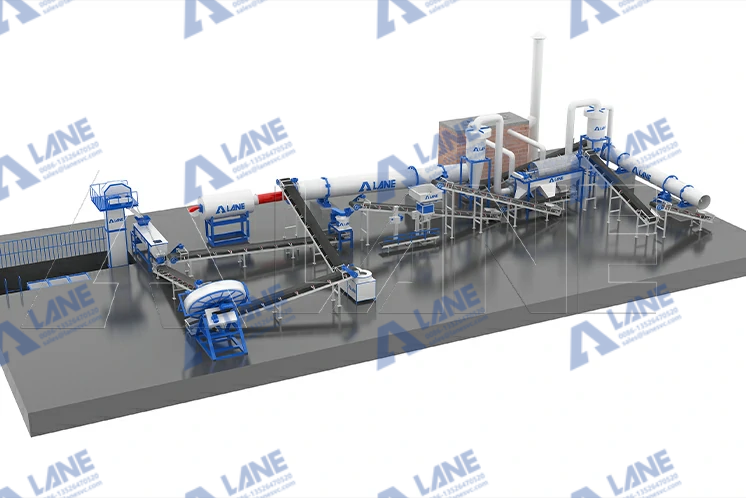
The strength of modular cat litter production machinery lies in how individual modules work together to support flexible, stable output. While configurations vary, most modular systems include several key functional areas.
Raw material handling modules ensure consistent feeding and reduce variability before processing begins. Crushing or shaping modules are designed with adjustable parameters, allowing operators to control granule structure without excessive breakage.
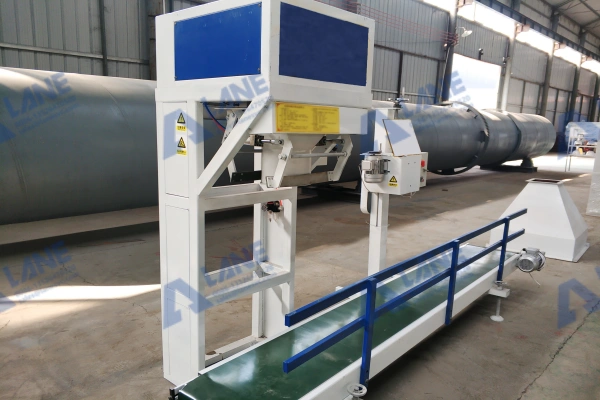
Screening modules define particle size distribution and improve product consistency, while drying modules manage moisture levels critical to clumping performance and shelf stability. Packaging modules complete the system by ensuring accurate, efficient final output.
Because each module operates independently within a unified system, manufacturers can upgrade specific functions without affecting the entire line.

Why Modular Machinery Matters for OEM Manufacturers
OEM manufacturers face unique challenges. Customer requirements change frequently, formulations vary across brands, and production schedules must remain flexible. Modular cat litter production machinery supports these demands by allowing rapid adjustments without prolonged downtime.
With modular systems, OEM producers can:
-
Switch between product specifications more efficiently
-
Allocate capacity dynamically across different orders
-
Reduce risk when onboarding new customers
This flexibility becomes a competitive advantage, especially for factories serving multiple markets or export destinations. Rather than relying on multiple dedicated lines, modular machinery allows OEM manufacturers to maximize equipment utilization while maintaining consistent quality.
System Integration Still Matters in Modular Design
While flexibility is a major advantage, modular cat litter production machinery must still function as a cohesive system. Poorly integrated modules can create bottlenecks, synchronization issues, and inconsistent output.
Effective modular systems are designed with:
-
Unified control architecture
-
Matched capacity across modules
-
Predictable material flow between stages
This level of integration ensures that flexibility does not come at the expense of stability. Modular design, when executed properly, enhances system reliability rather than undermining it.
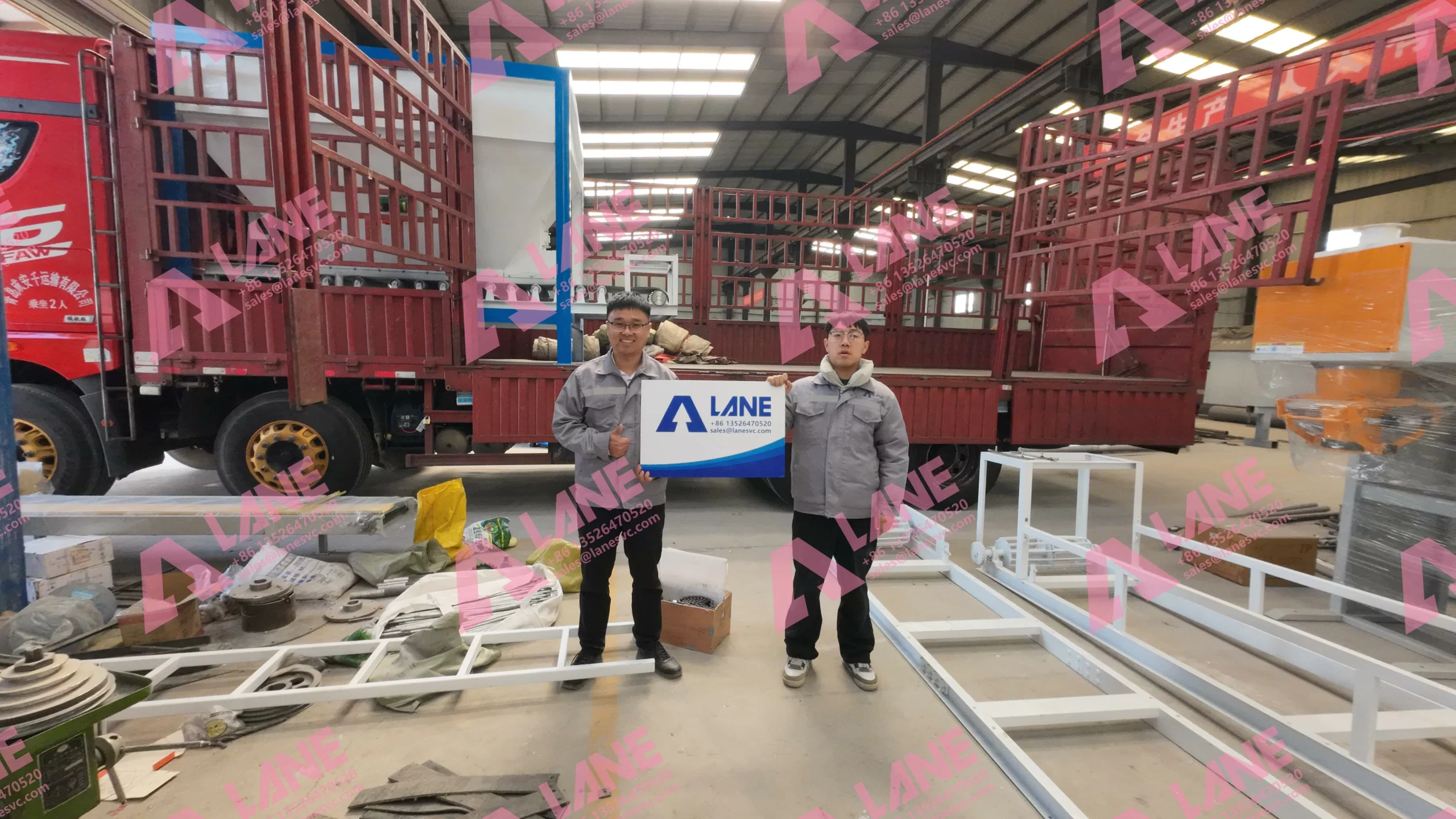
As an equipment manufacturer, LANE emphasizes system-level planning alongside modular flexibility. Each module is engineered not only to perform its individual task, but also to operate smoothly within the complete production environment.
Planning for Expansion from Day One
One of the greatest advantages of modular cat litter production machinery is the ability to plan for future expansion from the earliest design stage.
By defining standardized interfaces and scalable layouts, manufacturers can:
-
Add capacity without stopping existing production
-
Introduce new process modules as product lines expand
-
Reduce capital pressure through phased investment
This forward-looking approach allows factories to respond to market changes with confidence, avoiding rushed upgrades or compromised output quality.
Manufacturers that plan expansion early often achieve better long-term cost control and smoother operational growth.
A Long-Term View on Production Stability
Stability is a critical concern for any high-output factory. Modular cat litter production machinery contributes to stability by isolating issues within individual modules rather than allowing them to disrupt the entire system.
Maintenance can be scheduled more efficiently, upgrades can be implemented with minimal interruption, and performance optimization can focus on specific stages rather than the whole line.
Over time, this modular approach supports more predictable output, lower operating risk, and greater confidence in meeting customer demand.
Conclusion
Modular cat litter production machinery aligns closely with the realities of modern manufacturing—where flexibility, scalability, and stability must coexist. By allowing factories to grow incrementally and adapt to changing requirements, modular systems reduce risk while supporting long-term expansion.
For manufacturers seeking to build or upgrade cat litter production facilities, modular design offers a practical path forward. When supported by experienced equipment engineering and system integration, modular machinery becomes more than a configuration choice—it becomes a strategic advantage.
For more details, please feel free to contact us.
Henan Lane Heavy Industry Machinery Technology Co., Ltd.
Email: sales@lanesvc.com
Contact number: +86 13526470520
Whatsapp: +86 13526470520