

How to Start Cat Litter Production Business: A Practical Guide for New Manufacturers
How to Start Cat Litter Production Business: A Practical Guide for New Manufacturers
1. Understanding the Cat Litter Market Opportunity
Starting a cat litter production business begins with understanding market demand. The global cat litter industry is expanding as pet ownership rises worldwide, prompting increased demand for various litter types, including traditional clay, plant-based, and eco-friendly formulations. With this diversification, niche segments like tofu or wood-based cat litter are gaining traction for their environmental benefits and consumer appeal.
Before launching a business, new manufacturers should assess the market in their target region — including competitor presence, common materials, and consumer preferences — to determine which products will have the greatest chance of success.
2. Developing a Business Plan and Strategy
A strong business plan is foundational when figuring out how to start cat litter production business. Key elements include:
-
Market Analysis: Identify potential customers and competitors.
-
Product Selection: Decide whether to focus on clay, plant-based, tofu, or bamboo litters.
-
Capacity Planning: Determine production scale — from small lines to larger operations.
-
Financial Forecast: Estimate investment costs, operating expenses, and projected revenues.
According to industry data, costs for a typical cat litter plant vary widely depending on capacity and setup, ranging from around $20,000 for small lines to more for larger commercial systems.
By planning ahead, you can align your resources with your business objectives and choose the right production model for your situation.
3. Choosing Raw Materials and Cat Litter Types
Selecting the right raw materials is another key step in the early phase of how to start cat litter production business. Each type of litter has its own advantages and market base:
-
Bentonite/Clay Litter: Offers strong clumping and odor control — a traditional choice.
-
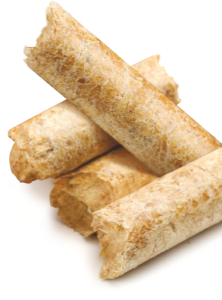
Plant-Based Litter: Made from materials like wood, paper, or agricultural residues.
-
Tofu or Bamboo Litter: Increasingly popular due to biodegradability and low dust.
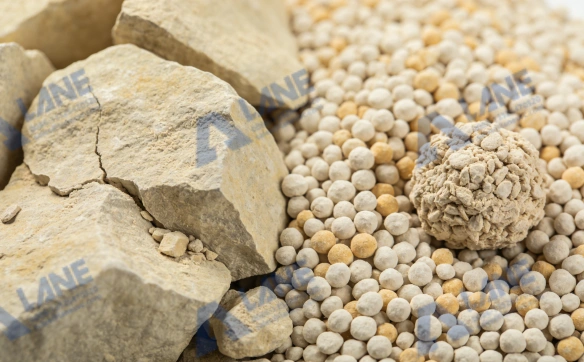
For entrepreneurs wondering how to start cat litter production business, evaluating regional preferences — for example, the strong shift toward plant-based litters in North America and Asia-Pacific — helps determine what product formulas and capacities to prioritize.
Understanding material availability, cost, and processing requirements helps define your product line and manufacturing approach. When you explore how to start cat litter production business, it’s essential to understand not only the market demand but also raw material sourcing — for example, plant-based sources such as soybean by-products are increasingly used in eco-friendly production lines as supply chains mature across Asia.
4. Setting Up Production: Factory and Equipment Planning
Once you know what product you plan to produce, the next step in how to start cat litter production business is setting up the physical production line. Key considerations include:
Factory Requirements
- Space & Layout: A minimum workshop height.
- Utilities: Power supply, water, and waste handling.
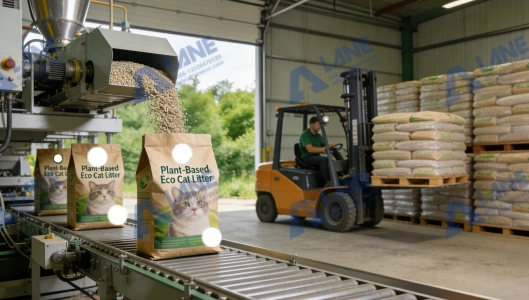
- Workflow: Raw material receiving, mixing, granulating, drying, cooling, and packaging.
A clear part of how to start cat litter production business is deciding on your production capacity and equipment configuration, since small-scale lines start from modest investments while medium and large commercial systems provide higher throughput and efficiency.
Equipment Selection
Key machinery for continuous cat litter production includes:
-
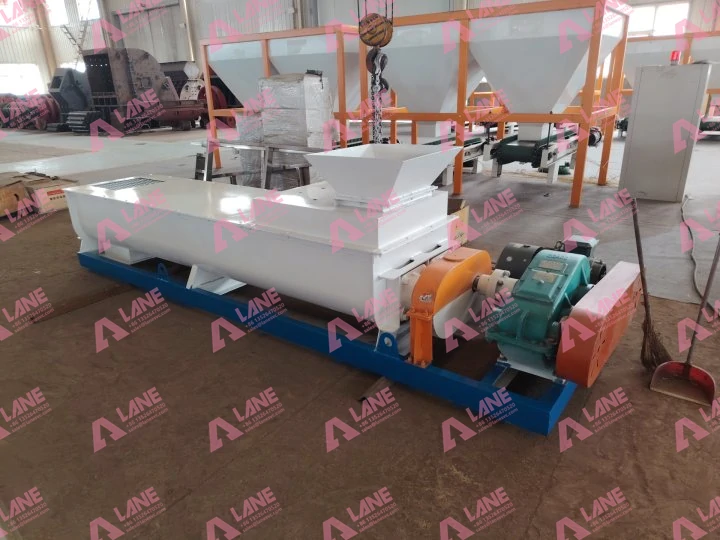
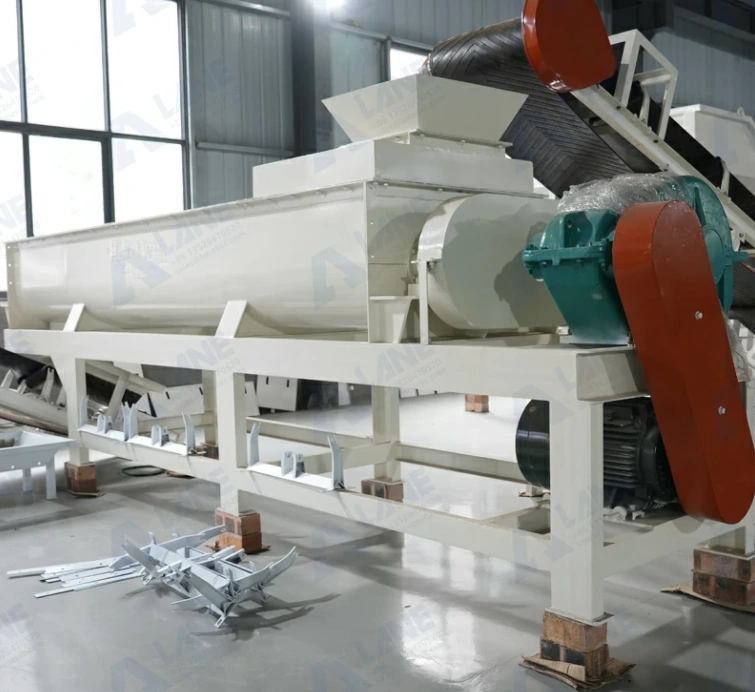
Crushers and mixers for raw material pre-processing.
-
Pellet mills or granulators to shape litter pellets.
-
Dryers and coolers to remove moisture and stabilize pellets.
-
Screening and packaging systems for final product.
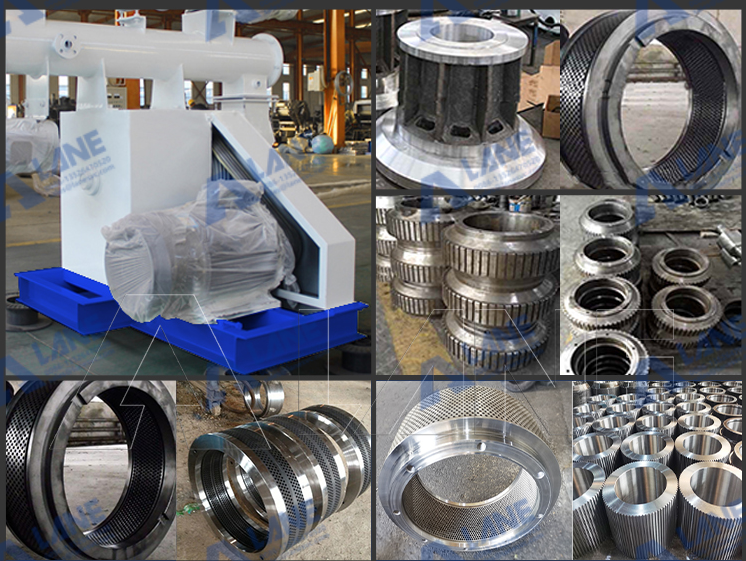
Selecting the right combination of equipment ensures high product quality and production efficiency.
5. Installation, Technical Training, and Trial Production
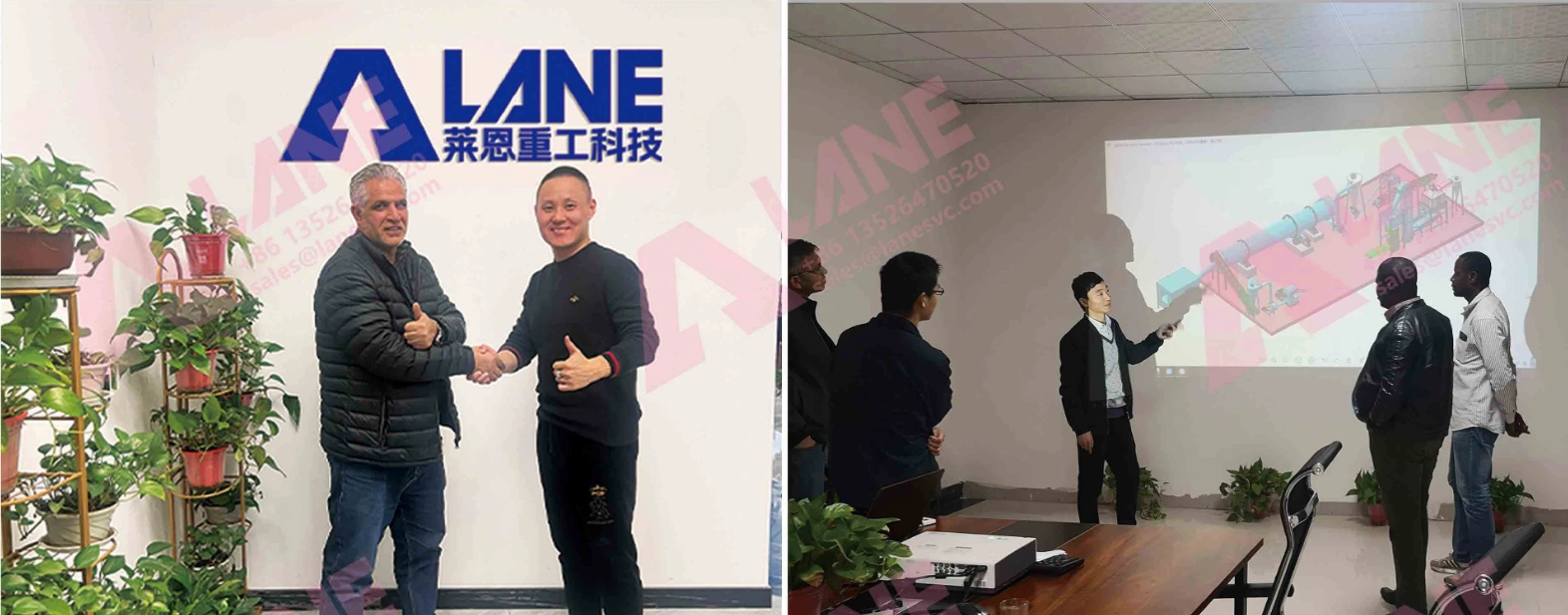
Successfully understanding how to start cat litter production business also means ensuring your team knows how to operate and maintain the equipment. This phase includes:
- Professional Installation: Technicians install and calibrate equipment.
- Staff Training: Operators learn how to manage production runs, adjust parameters, and conduct routine maintenance.
- Trial Production Runs: Early test batches confirm product quality and stability.
Reliable partners can assist with installation and training, reducing your time to first production and helping avoid costly mistakes.
6. Quality Control, Compliance, and Certifications
Quality assurance is a key step in teaching someone how to start cat litter production business. You must ensure that every batch meets product standards and safety requirements. Implement procedures to monitor:
-
Particle size consistency
-
Moisture and odor control
-
Packaging integrity
Additionally, certain regions require compliance with environmental and industrial regulations. Preparing for waste management, dust control, and certification will ensure legal operation and customer trust.
7. Sales Channels, Marketing, and Distribution
Once production is underway, you must establish channels to sell your product. Consider:
-
Wholesale to retailers and pet product distributors.
-
E-commerce platforms to reach direct consumers.
-
Export options, especially in regions where pet ownership is growing.
Pricing, packaging, and branding also influence market success. Many entrepreneurs consider how to start cat litter production business alongside marketing strategy and distribution planning — especially as online and subscription sales channels expand for pet products worldwide, offering flexible routes from batch productions to large retail partnerships.
8. Cost, Revenue, and Profitability Expectations
Understanding how to start cat litter production business also means being realistic about financial performance. Startup costs vary based on capacity, automation level, and material choices. As mentioned earlier, small-scale setups can begin around $20,000+, while larger mid-scale lines might reach six figures.
Revenue depends on production efficiency, product pricing, and market demand. Many manufacturers balance high-volume sales with niche, higher-margin eco-friendly litter products to optimize profit.
9. How LANE Helps You Start and Grow Your Cat Litter Production Business
Opening a cat litter production business is easier with the right industrial partner. LANE Machinery provides comprehensive support for businesses looking to enter or expand in this sector. From initial planning to production ramp-up, LANE’s expertise covers:
Custom Production Line Design
LANE engineers design cat litter lines tailored to your chosen materials — whether bentonite clay, plant-based fibers, or tofu residues — and production goals. This includes layout, throughput, and workflow optimization.
Turnkey Equipment Supply
LANE offers a full suite of processing equipment, including crushers, mixers, pellet mills, dryers, and packaging systems that form a complete production line. This one-stop solution reduces the complexity of coordinating multiple suppliers.
Installation & Training Services
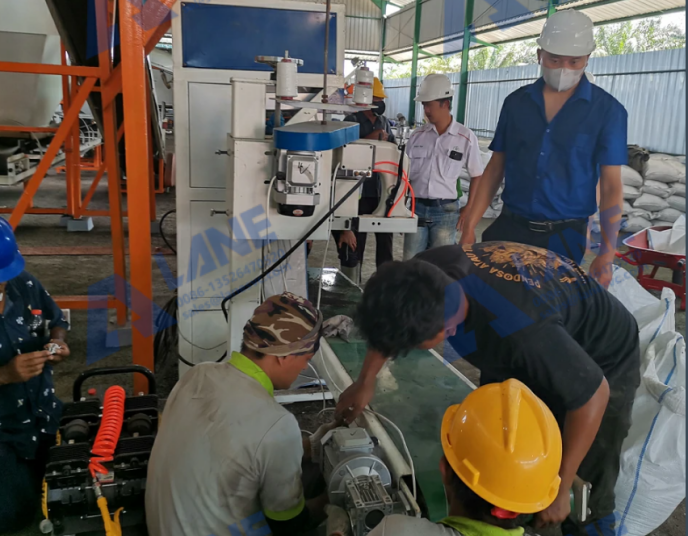
LANE’s global service team assists with onsite installation, commissioning, and operator training — ensuring that your team is ready to run production efficiently from day one.
Ongoing Technical Support
Once production begins, LANE continues to support optimization and expansions — helping you adjust production parameters, maintain equipment, and scale as demand grows.
These comprehensive services help reduce your learning curve, minimize risks, and accelerate your business launch.
10. Conclusion – Starting Strong With the Right Tools and Support
Learning how to start cat litter production business demands market understanding, solid planning, and the right technological foundation. By carefully selecting materials, planning factory layout, choosing suitable equipment, and working with experienced partners like LANE Machinery, aspiring manufacturers can build efficient, compliant, and profitable production operations.
Whether your focus is traditional clay litter, eco-friendly plant-based varieties, or mixed product lines, a clear strategy supported by the right equipment and services will set your business up for long-term success.
For more details, please feel free to contact us.
Henan Lane Heavy Industry Machinery Technology Co., Ltd.
Email: sales@lanesvc.com
Contact number: +86 13526470520
Whatsapp: +86 13526470520