

How to start a tofu cat litter business locally: equipment, process, and cost checklist

Cat litter is heavy and cheap per pound, so freight decides who wins a regional market. Soy and pea fiber litter is one of the few categories where a small plant competes with imports, because the raw material often comes from a tofu or soy milk operation a few miles away. This guide covers how to start a tofu cat litter business locally: materials, process, equipment, investment drivers, and supplier selection.
Why local production can work
Bentonite travels cheaply as bulk ore and expensively as finished litter, so a plant near the customer removes most of the freight.
The material offers a second advantage. Tofu and soy milk plants produce okara, the pulp left after soybeans are ground and filtered. Fresh okara is roughly 80 percent water, so it spoils within days and costs money to dispose of, which makes it cheap input for a litter plant next door.
Demand supports the model, since plant fiber litter sells on clumping, low dust, and flushability through the same channels as clay. The American Pet Products Association’s National Pet Owners Survey is the reference U.S. retailers use when sizing a category. Without local soy processing and cheap drying fuel, though, the numbers get hard, which is why most of the risk in how to start a tofu cat litter business locally sits in fiber supply.
What tofu cat litter is made of
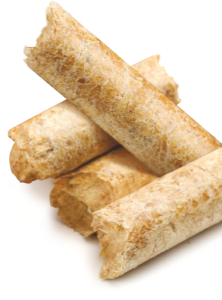
Tofu cat litter is an extruded fiber pellet, mostly plant fiber bound with starch and a gum.
| Material | Role | What to verify |
|---|---|---|
| Soy or pea fiber | Body, absorbency, clumping base | Moisture, particle size, grit |
| Corn or potato starch | Binder and expansion | Gel strength, batch variation |
| Guar gum or sodium alginate | Extra green strength | Dose rate against cost per ton |
| Activated carbon or baking soda | Odor control | Loading rate, dust contribution |
| Citric acid or sodium benzoate | Mold control | Permitted rate in the destination market |
Fix the specification before shopping for machines, because die plate, dryer residence time, and screen decks follow from it: 1.5 to 2.0 mm diameter for standard grade or 2.0 to 3.0 mm for long grain, 4 to 10 mm length, moisture at or below 10 percent, and targets for absorption, hardness, and dust.
Raw material choices set the rest of the tofu cat litter manufacturing process, from die selection to the drying profile.
The tofu cat litter manufacturing process
A commercial tofu cat litter manufacturing process runs in six stages, and the extruder is only one of them.
Fiber preparation
Wet okara cannot enter the mixer at 80 percent moisture. It is pressed and dried, or blended with dried fiber in a measured ratio.
Grinding and dosing
Fiber is ground to pass a 20 to 60 mesh screen, then weighed with starch, binder, and additives, since dosing that drifts a few percent changes clumping behavior for a whole shift.
Mixing and conditioning
A ribbon or paddle mixer blends the dry ingredients, then steam or warm water brings the batch to target moisture and temperature so starch gelatinizes before the die. Uneven conditioning is the usual reason one batch is hard and the next crumbles.
Extrusion and forming
A single or twin screw extruder pushes the mix through a die plate. The die sets diameter, a rotating knife cuts length, and screw speed with die open area controls density.
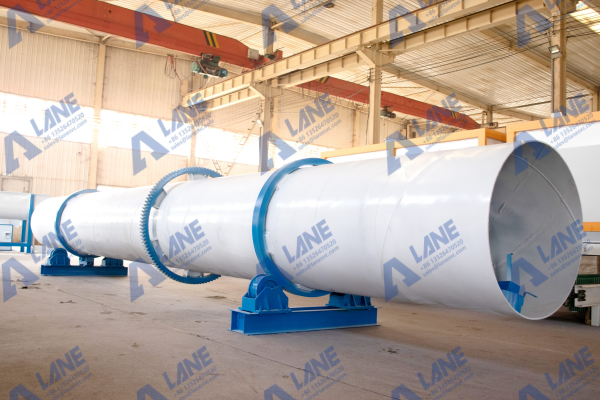
Multi layer mesh belt dryers with two or three temperature zones do this work: the first zone removes surface water quickly, and later zones dry the core slowly enough that pellets do not crack. Over drying wastes fuel and under drying guarantees mold. This is where a tofu cat litter manufacturing process loses money first, so check the arithmetic.
A line making 1,000 kg per hour of wet pellets at 38 percent moisture carries 620 kg of dry solids; finishing at 9 percent leaves about 681 kg total, so roughly 319 kg of water has to leave hourly. If the dryer evaporates only 250 kg, the extruder drops to about 780 kg per hour and the one ton rating is gone.
Cooling, screening, dust collection, and packing
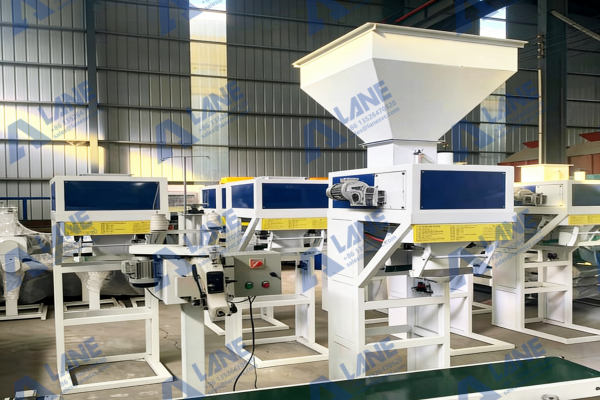
Pellets cool to near ambient temperature before bagging so condensation does not form inside. A two deck vibrating screen splits grades and removes fines, while a cyclone and bag filter keep the hall breathable. Packing uses an auger filler or linear weigher for 2.5, 5, and 10 kg bags.
What a tofu cat litter production line includes
Every unit on a tofu cat litter production line is sized against the units around it.
| Unit | Function | Sizing note |
|---|---|---|
| Grinder and dosing | Reduces fiber to extrusion ready size, weighs additives | Screen size sets capacity and fines |
| Mixer with liquid addition | Blends and conditions the batch | Residence time against cycle time |
| Extruder with die and cutter | Forms pellets to diameter and length | Die open area limits throughput |
| Multi layer belt dryer | Reduces moisture to specification | Evaporation capacity in kg per hour |
| Heat source | Gas, biomass, steam, or electric | Fuel cost and control accuracy |
| Screener, dust collection, packing | Grades product, controls dust, fills bags | Mesh range, air volume, weighing accuracy |
A tofu cat litter production line is sized around the dryer, not the extruder. Capacity tiers run 0.3 to 0.5 tons per hour for a pilot line, 1 to 2 for a regional producer, and 3 to 5 for national retail or export, and the drying section grows faster than anything else, so plan hall space around it.
Investment factors: build the model before the shopping list
Equipment quotes are often the smaller half of the project. Budget in three blocks: equipment and installation, including freight, duty, and supervision; site and utilities, covering floor reinforcement for the dryer, power distribution, and dust ducting; and working capital for fiber, packaging, and the first run. The question that decides how to start a tofu cat litter business locally at a profit sits upstream of all three: what does fiber cost per ton, delivered to the mixer?
Rank the cost lines honestly: fiber, starch and binder, drying fuel, electricity, labor, packaging film, and outbound freight. The tofu cat litter manufacturing process concentrates cost in fiber and drying fuel, so cheap fiber and cheap fuel beat automation every time.
Capacity math should use finished tonnage. A line rated at one ton per hour of wet pellets yields about 0.68 tons per hour of packed litter, roughly 1,600 tons a year on one shift.
Comparing process routes before you commit
| Route | Main input | Core equipment | Main quality risk |
|---|---|---|---|
| Extruded soy or pea fiber | Okara or dried plant fiber | Extruder and belt dryer | Moisture, pellet hardness |
| Bentonite clay granulation | Mined clay | Crusher, mixer, granulator, dryer | Dust, granule strength |
| Wood or pine pellet | Sawdust, wood fiber | Ring die pellet mill, cooler | Soft pellets, resin odor |
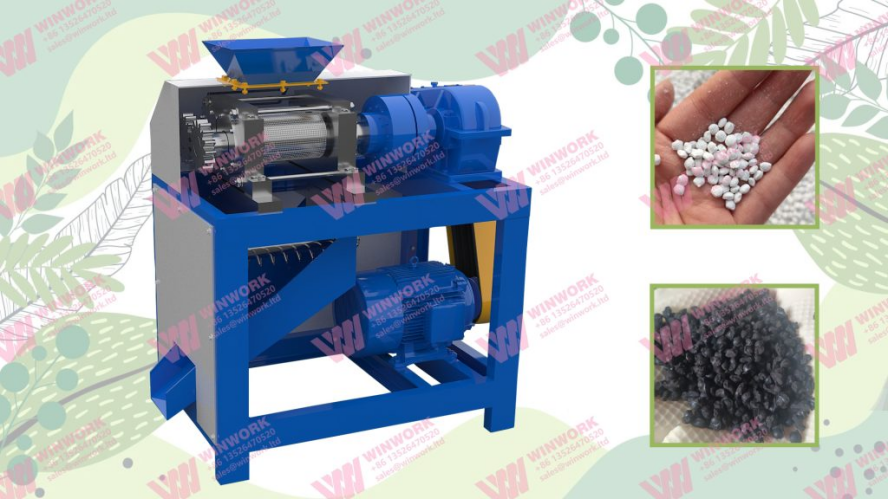
If you are weighing how to start a tofu cat litter business locally, compare routes on material access and where quality risk sits. A ring die pellet mill forms fiber pellets for less cost, but diameter tolerance, hardness, and dust are harder to control, which is what buyers of tofu style litter pay for.
Site, utilities, and compliance
A one ton per hour line usually needs a covered hall in the low hundreds of square meters and about 6 meters of clear height for a multi layer dryer. Before signing a lease, confirm electrical load, gas or biomass supply, water, compressed air, and dust extraction routing, then ask any supplier bidding on how to start a tofu cat litter business locally for a full load list.
There is no single federal product standard for cat litter in the United States, but local air and solid waste rules still cover drying emissions and dust, and export destinations add labeling and import rules. Wood packaging should meet ISPM 15. In regulated markets it is reasonable to require safety design to ISO 12100, electrical equipment to IEC 60204-1, control panels labeled to UL 508A for North America, and lockout points identified for OSHA 29 CFR 1910.147. A quality system built on ISO 9001:2015 makes retail audits easier.
Commissioning, quality control, and maintenance
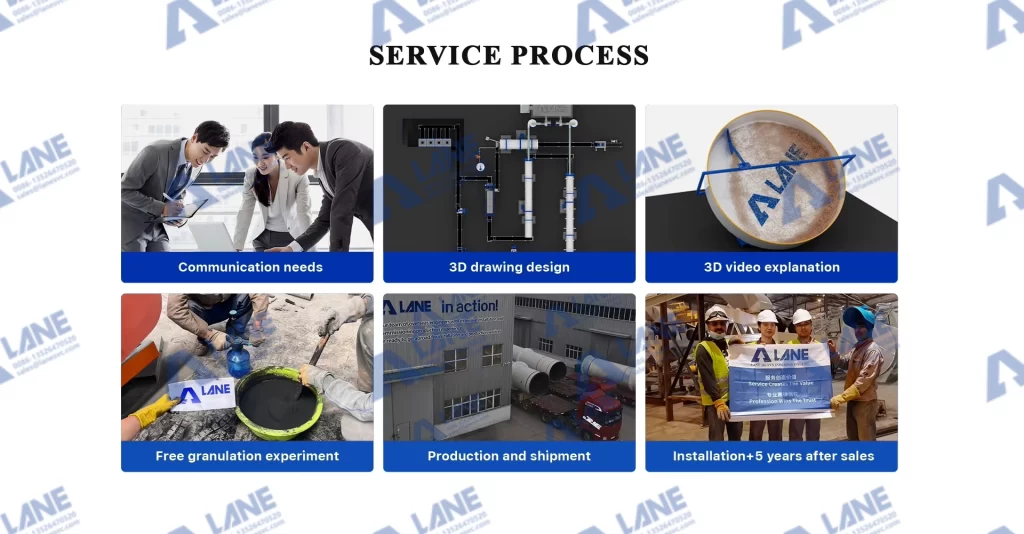
Commissioning is where a tofu cat litter manufacturing process either holds its specification or drifts from it. Insist on two factory acceptance tests: run the extruder and dryer on representative fiber, and measure capacity as finished product at target moisture rather than wet throughput. A line that meets its rating on easy material often fails on the third shift.
Daily checks cover moisture by oven test, diameter and length by sieve, hardness, dust, and clumping. Weekly maintenance covers screw and die wear, dryer belt tracking and seals, burner service, screen mesh, and dust filters, with lockout before any intervention. Track wet input, finished output, and downtime, and keep spare die plates, screws, belts, and screen meshes on site. If output falls while input holds steady, the die is worn or the dryer has lost capacity.
What to ask a tofu cat litter production line supplier
- Will you run a trial on my fiber and send me pellets with test results?
- Is the quoted capacity wet tonnage or finished tonnage, and at what moisture?
- What is the dryer evaporation capacity in kilograms of water per hour, and how was it calculated?
- Which parts wear, at what interval, and what does a year of wear parts cost?
- Are motors, switchgear, and control panels certified for my market, UL or CE?
Call three references running the same capacity on similar fiber, and ask what broke first. A tofu cat litter production line supplier who cannot name the wear parts and their lead times is quoting a catalog rather than your project.
FAQ
How much does it cost to start a tofu cat litter business?
No single figure holds up, because drying capacity, automation, and building condition move the total a long way. Budget the three blocks described above, then compare quotations against identical capacity and moisture targets.
What capacity should a first tofu cat litter production line have?
Most new producers start at 1 to 2 tons per hour of wet throughput, enough to supply regional retail while demand builds. Reserve floor space for a second dryer module, because drying capacity limits growth.
Where do I source raw material, and how do I store it?
Start with tofu and soy milk plants within economic haul distance, since okara is their disposal cost. Fresh okara spoils in days, so it must be pressed and dried or blended with dried fiber.
Do I need permits to manufacture cat litter?
Cat litter is not regulated like animal feed in most markets, but zoning, drying emissions, dust control, and worker safety rules still apply, and exports add labeling requirements. Permits rarely decide how to start a tofu cat litter business locally, but they can delay construction, so confirm the details locally.
How long does it take to get a line running?
Plan on four to six months from purchase order to trial production when the building is ready. Manufacturing and factory acceptance take four to eight weeks, ocean freight four to six, and site acceptance three to four.
Can one line make other products?
Usually yes, with a die and formula change, because a tofu cat litter production line shares its extruder, dryer, and screens with other pellet products such as organic fertilizer granules. Confirm expected capacity on the second product in writing.
How do I keep shelf life predictable?
Many tofu litters are labeled 18 to 24 months. Shelf life depends on how well the tofu cat litter manufacturing process controls finished moisture, so base the claim on your own testing rather than a competitor’s bag.
Next step
Do the fiber and drying math before the equipment shopping list. Send your pellet specification, target moisture, and a sample of local fiber to a supplier, then ask for a capacity matched layout with dryer evaporation data and a factory test on that fiber. The first step in how to start a tofu cat litter business locally is usually that fiber sample, not a machine order. LANE Machinery builds cat litter and fertilizer production lines and quotes around your material rather than a catalog capacity.