

How to Choose a Cost-Effective Cat Litter Production Line: A Practical Guide for New Investors and Manufacturers
How to Choose a Cost-Effective Cat Litter Production Line: A Practical Guide for New Investors and Manufacturers
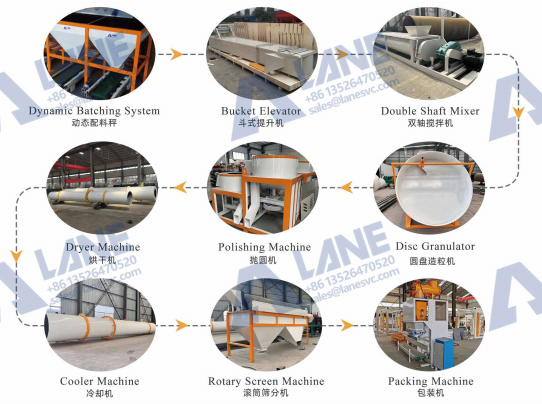
Before evaluating investment costs, manufacturers must understand the structure of a typical cat litter production system. A complete production line usually includes several key stages.
The general production process includes:
-
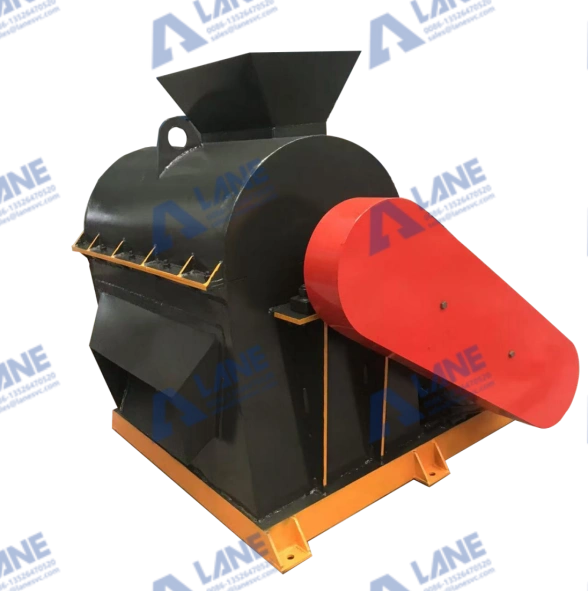
Raw material crushing – large materials such as bentonite or plant fiber are crushed into smaller particles.
-
Mixing and formulation – additives such as deodorants or binders are mixed evenly.
-
Granulation or pelletizing – powder materials are pressed into uniform litter pellets.
-
Drying and cooling – excess moisture is removed to stabilize the pellet structure.
-
Screening and grading – vibrating screens separate qualified particles.
-
Automatic packaging – finished litter is weighed, sealed, and prepared for shipping.
This integrated process ensures stable pellet size, strong clumping performance, and consistent product quality.
Understanding these steps is essential when evaluating how to choose a cost-effective cat litter production line, because every stage influences overall production efficiency.
Key Factors That Determine Production Line Cost
Many buyers focus only on equipment price, but the real cost of a production line is determined by multiple factors.
Production Capacity
The required output directly affects equipment size and investment level.
Typical production capacities include:
-
300–500 kg/h – small startup factories
-
1–2 t/h – medium-scale regional brands
-
3–5 t/h or more – industrial production plants
Choosing the wrong capacity often leads to inefficient investment. Therefore, when considering how to choose a cost-effective cat litter production line, production planning should match realistic market demand.
Raw Material Type
Different cat litter materials require different process configurations.
Common raw materials include:
-
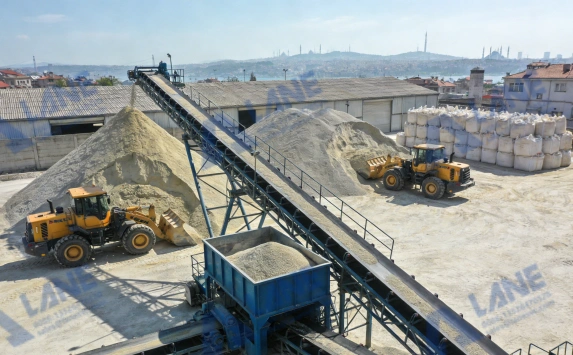
Bentonite clay
-
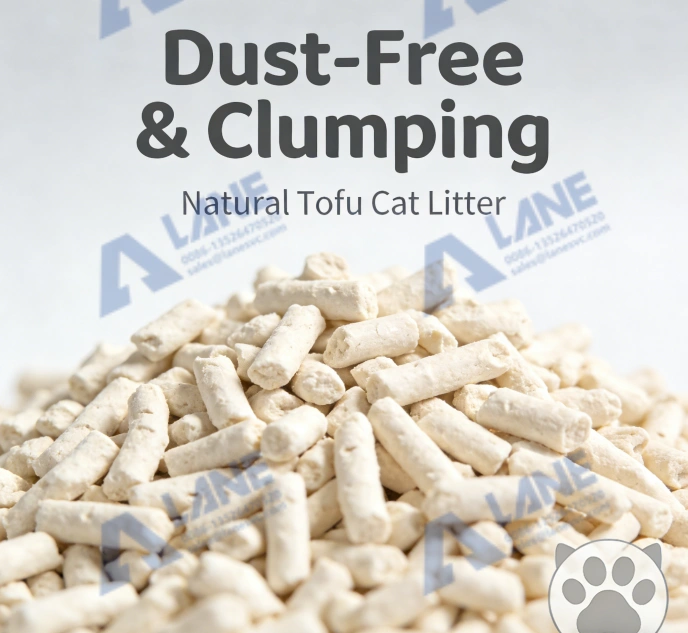
Tofu residue and plant fibers
-
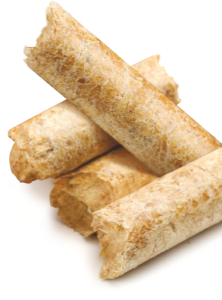
Wood or paper pulp
-
Silica crystal materials
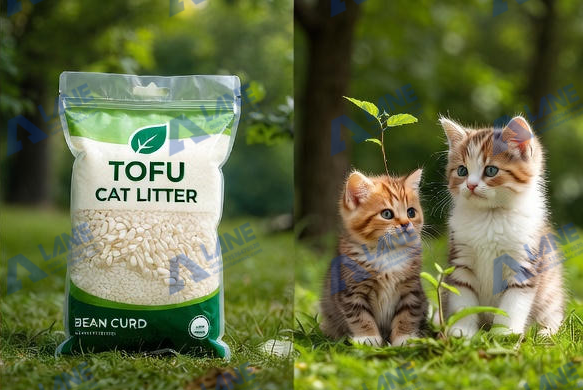
For example, tofu litter production usually requires extrusion pelletizers and controlled drying systems, while bentonite litter production often uses disc or roller granulators.
Selecting equipment compatible with the material type is a critical part of how to choose a cost-effective cat litter production line.
Automation Level
Automation significantly affects both investment and long-term operating cost.
Two common production line configurations include:
Semi-automatic systems:
-
Lower initial investment
-
Suitable for startups
-
Requires more labor
Fully automated production lines:
-
PLC control system
-
Stable output
-
Reduced labor requirements
When evaluating how to choose a cost-effective cat litter production line, manufacturers should consider the balance between automation investment and long-term operational efficiency.
Matching Production Capacity with Your Business Plan
Many investors make the mistake of selecting oversized equipment in the early stage. While high-capacity systems appear attractive, they may lead to low utilization rates and unnecessary capital expenditure.
A practical strategy for startups is to begin with a modular production line design.
Typical capacity recommendations:
-
Startup factory: 300–800 kg/h
-
Growing regional brand: 1–2 t/h
-
Export-oriented manufacturer: 3–5 t/h or higher
LANE Machinery often recommends modular layouts that allow future expansion. This approach helps investors implement how to choose a cost-effective cat litter production line without over-investing in the initial stage.
Choosing the Right Granulation Technology
Granulation is the core process that determines pellet strength, size, and product appearance.
Several granulation technologies are widely used in cat litter manufacturing.
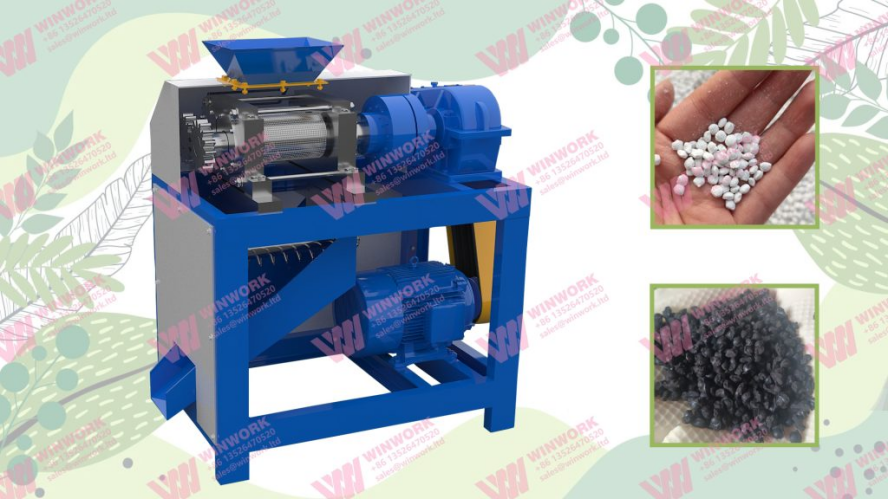
Double roller extrusion granulators compress powder materials directly into pellets.
Advantages include:
-
Low energy consumption
-
Stable particle size
-
Reduced dust generation
LANE double roller granulators are widely used for bentonite and mineral cat litter production due to their durability and stable pellet quality.
Extrusion Pellet Machine
Extrusion pelletizers are often used for plant-based cat litter such as tofu litter.
Advantages include:
-
Adjustable pellet size
-
Strong pellet density
-
Flexible mold replacement
In the process of how to choose a cost-effective cat litter production line, selecting the correct granulation technology ensures both product quality and operational efficiency.
Automation vs Semi-Automatic Production Lines
Automation level is another major factor affecting production cost.
Semi-automatic production lines typically require manual feeding and packaging, while automated systems integrate batching, mixing, and packaging with PLC control.
Modern cat litter production plants often include:
-
intelligent drying control
-
automatic packaging machines capable of 4–20 bags per minute
For companies planning large-scale manufacturing, automated systems often provide better long-term returns when evaluating how to choose a cost-effective cat litter production line.
Hidden Costs Many Buyers Ignore
Equipment price is only one part of the total investment. Many factories underestimate hidden costs that affect profitability.
Key hidden costs include:
Energy Consumption
Drying systems consume significant energy during production.
Maintenance and Spare Parts
Low-quality equipment often leads to frequent repairs.
Dust Control and Environmental Systems
Dust collection systems are important to maintain product quality and workplace safety.
A professional equipment supplier will consider these factors when designing how to choose a cost-effective cat litter production line.
How LANE Machinery Designs Cost-Effective Production Lines
At LANE Machinery, the focus is not simply selling equipment but designing reliable production systems.
LANE provides integrated solutions including:
-
raw material testing and process evaluation
-
energy-efficient drying systems
-
automated packaging and control systems
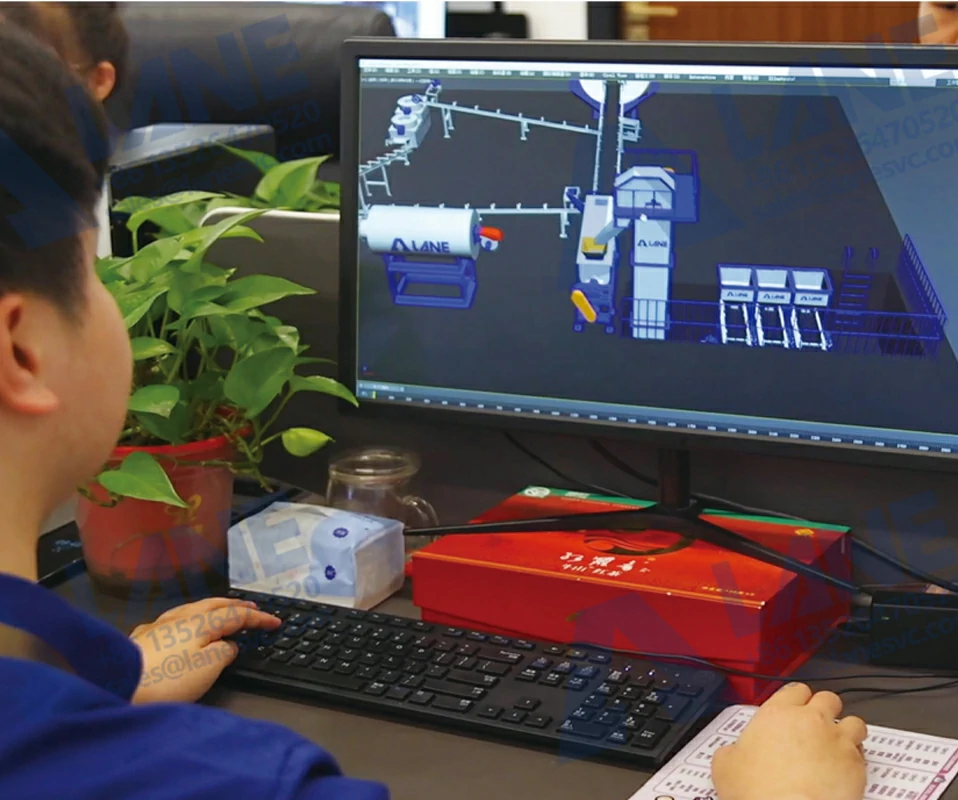
Key advantages of LANE equipment include:
-
heavy-duty granulators with durable roller materials
-
optimized mixing systems for uniform formulations
-
modular production layouts for future expansion
By combining engineering experience with practical production requirements, LANE helps clients implement how to choose a cost-effective cat litter production line that delivers stable production and long-term profitability.
Frequently Asked Questions (FAQ)
1. What is the average cost of a cat litter production line?
The investment cost depends on capacity and automation level. Small production lines may start from tens of thousands of dollars, while large industrial plants require higher investment.
2. What is the most important machine in the production line?
The granulator is usually the core equipment because it determines pellet size, density, and overall product quality.
3. Can one production line produce multiple types of cat litter?
In many cases, molds and process parameters can be adjusted to produce different pellet shapes. However, some materials such as tofu litter and bentonite litter may require different equipment configurations.
4. How long does it take to install a cat litter production line?
Typically, equipment manufacturing takes about 30–60 days, followed by installation and commissioning depending on project scale.
Conclusion
Understanding how to choose a cost-effective cat litter production line is essential for building a profitable cat litter manufacturing business. Instead of focusing only on equipment price, manufacturers should evaluate production capacity, raw material compatibility, automation level, and long-term operating costs.
With extensive industry experience and customized engineering solutions, LANE Machinery helps clients design reliable and scalable cat litter production lines that balance investment cost with long-term productivity.
For more details, please feel free to contact us.
Henan Lane Heavy Industry Machinery Technology Co., Ltd.
Email: sales@lanesvc.com
Contact number: +86 13526470520
Whatsapp: +86 13526470520