

High-Capacity Cat Litter Production Line Integration: Designing a Scalable and Efficient Manufacturing System
High-Capacity Cat Litter Production Line Integration: Designing a Scalable and Efficient Manufacturing System
1. When Cat Litter Demand Outgrows Small-Scale Production
With the continuous growth of the global pet industry, the demand for cat litter is increasing rapidly. Many manufacturers eventually find that their existing small-scale production equipment can no longer meet market demand.
Typical signs include:
-
Production capacity cannot keep up with orders
-
Equipment coordination between different processes is inefficient
-
Excessive manual operation
-
Inconsistent product quality
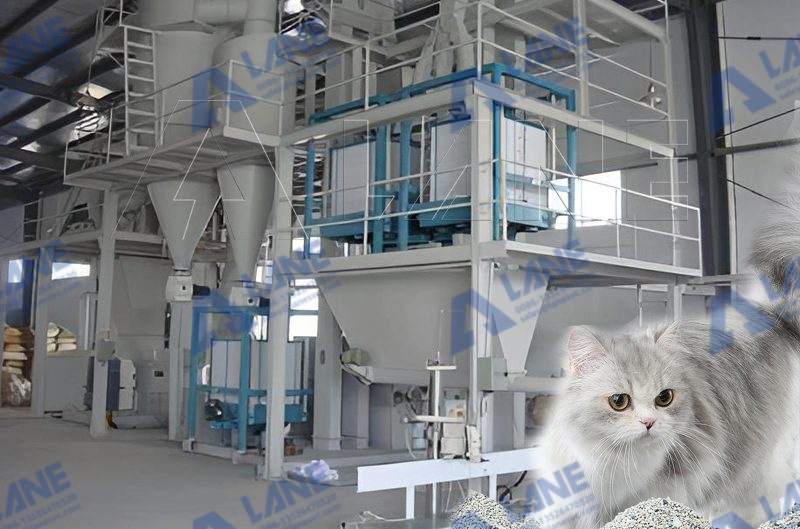
At this stage, manufacturers often need to consider High-Capacity Cat Litter Production Line Integration to achieve large-scale, stable production through a systematic production line design.
For cat litter manufacturers, increasing production capacity is not simply about adding more machines. The key is to ensure that every piece of equipment operates in a coordinated system. A well-designed High-Capacity Cat Litter Production Line Integration improves production efficiency while maintaining product consistency.
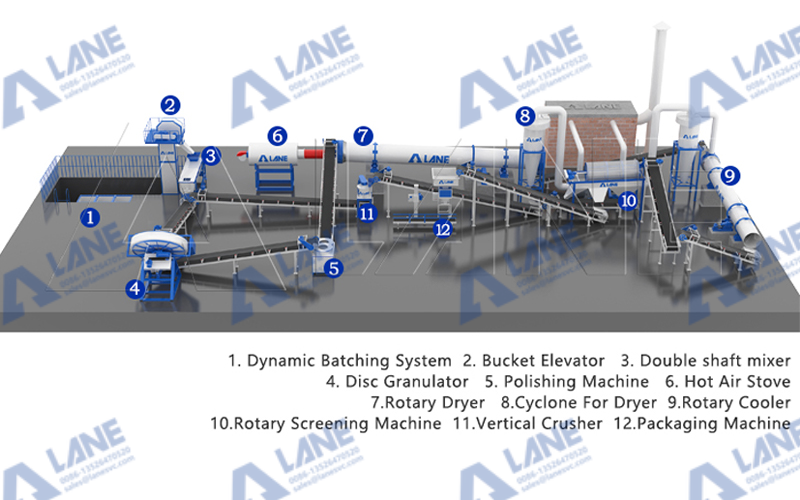
2. What Defines a High-Capacity Cat Litter Production Line
A true high-capacity production system relies on the efficient integration of multiple production stages rather than the performance of a single machine.
A typical cat litter production line usually includes:
-
Raw material crushing system
-
Raw material mixing system
-
Granulation system
-
Screening system
-
Automatic packaging system
These processes must operate in a coordinated production rhythm to ensure continuous manufacturing. If one piece of equipment becomes a bottleneck, the entire line will be affected.
In most industrial cat litter manufacturing plants, powdered raw materials are first mixed evenly, then processed into pellets through granulation equipment, followed by drying, screening, and packaging processes.
Through proper High-Capacity Cat Litter Production Line Integration, manufacturers can build a fully continuous production system that improves productivity and reduces operational costs.
3. Core Equipment That Determines Production Capacity
In a high-capacity cat litter manufacturing plant, several key machines directly influence the overall production efficiency.
Granulation System
Granulation is the core process in cat litter production.
LANE’s Double Roller Granulator uses dry extrusion technology to compress powder materials into dense pellets through two counter-rotating rollers. This design offers several advantages:
-
🔹Adjustable pellet size
-
🔹High pellet strength
-
🔹Low dust generation
-
🔹Stable continuous operation
Dry extrusion granulation technology is widely used for mineral-based materials such as silica or bentonite cat litter because it can produce uniform granules with strong hardness and minimal dust.
For certain bentonite cat litter production processes, a Disc Granulator can also be used to produce round pellets through centrifugal rolling and controlled moisture addition.
Both solutions are suitable for High-Capacity Cat Litter Production Line Integration, depending on raw material characteristics and production goals.
Mixing System
The mixing stage plays a crucial role in maintaining consistent product quality.
Common raw materials used in cat litter production include:
-
Bentonite clay
-
Plant fiber materials
-
Starch-based binders
-
Deodorizing additives
These materials must be evenly mixed before granulation to ensure proper pellet formation and absorption performance.
LANE commonly supplies the following mixing equipment:
-
🔹Horizontal Mixer
-
🔹Twin Shaft Mixer
-
🔹Disc Mixer
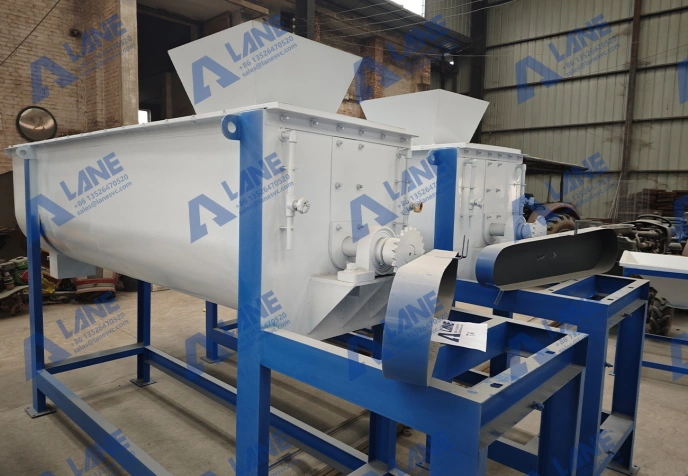
High-efficiency mixing ensures uniform distribution of moisture and additives, which significantly improves pellet formation and overall production efficiency.
This step is particularly important in High-Capacity Cat Litter Production Line Integration, where process stability directly affects production output.
Drying System
For bentonite cat litter and plant-based cat litter products, drying equipment is another critical component.
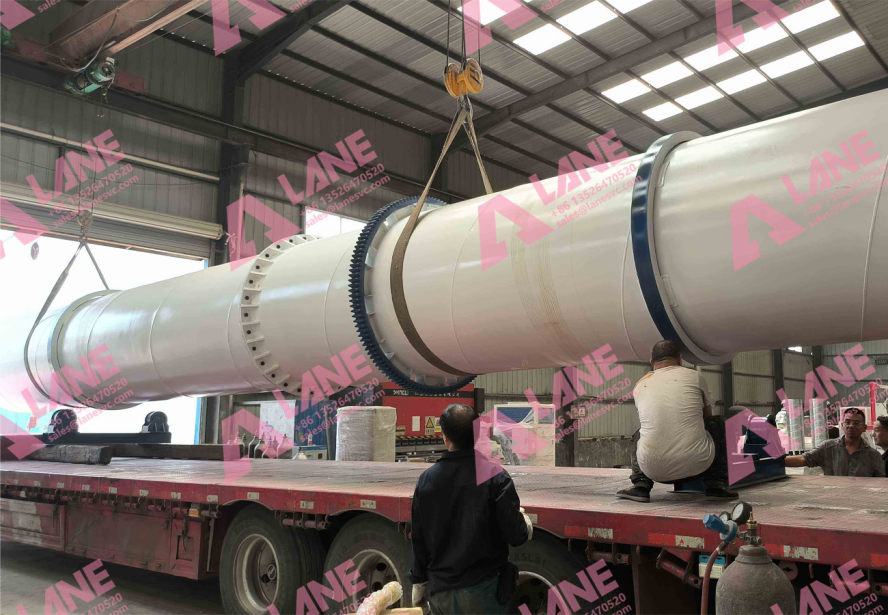
After granulation, pellets typically contain relatively high moisture content. Industrial drying equipment such as Rotary Dryers is used to reduce moisture and improve pellet hardness.
Proper drying also enhances product durability during storage and transportation.
A well-designed drying system significantly contributes to the overall efficiency of High-Capacity Cat Litter Production Line Integration.
4. Integration Challenges Many Factories Overlook
During factory expansion, many companies purchase new equipment but still fail to improve production efficiency.
The most common reason is poor production line integration.
Capacity Mismatch Between Equipment
For example:
-
Granulator output exceeds dryer capacity
-
Mixing system cannot supply materials fast enough
These issues create bottlenecks and frequent production interruptions.
Material Conveying Problems
Improper conveying system design may cause:
-
Material blockages
-
Excessive recycling of returned materials
-
Dust pollution in the workshop
These problems can significantly affect the stability of High-Capacity Cat Litter Production Line Integration.
Low Automation Level
Production lines that rely heavily on manual control often suffer from:
-
Inaccurate raw material feeding
-
Production rhythm fluctuations
-
Low equipment utilization
Many modern cat litter factories are now adopting PLC control systems to automate the production process and improve operational stability.
5. LANE’s Engineering Approach to Production Line Integration
In LANE’s engineering projects, production line design follows three core principles to ensure efficient High-Capacity Cat Litter Production Line Integration.
Process-Oriented Design
Production lines are designed according to raw material characteristics, such as:
-
Bentonite cat litter
-
Tofu cat litter
-
Biomass cat litter
Each material requires different processing technologies and equipment configurations.
Modular Equipment Layout
LANE adopts a modular production line design that offers several advantages:
-
💡Easier capacity expansion
-
💡Simplified maintenance
-
💡Flexible automation upgrades
This approach makes High-Capacity Cat Litter Production Line Integration more suitable for long-term industrial investment.
Long-Term Technical Support
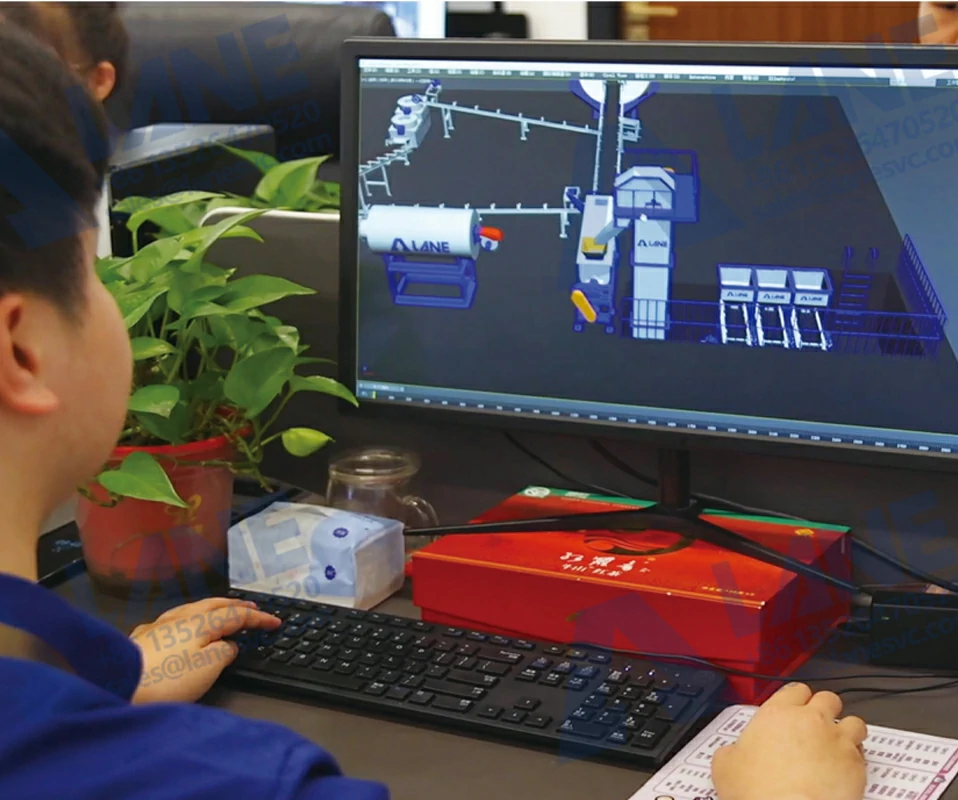
LANE provides comprehensive support beyond equipment supply, including:
-
Production line design
-
Installation and commissioning
-
Operator training
-
Remote technical support
Our engineering team also offers rapid response after-sales service and long-term spare parts supply for cat litter production systems.
6. Planning for Future Expansion
For companies entering the cat litter manufacturing industry or planning to expand capacity, it is important to consider future scalability during the initial planning stage.
Recommended strategies include:
- ✅Reserving space for additional equipment
- ✅Using modular production layouts
- ✅Planning automation upgrades in advance
- ✅Implementing standardized conveying systems
With proper planning, manufacturers can easily expand their systems through High-Capacity Cat Litter Production Line Integration without significant reconstruction costs.
7. Conclusion
As the global pet industry continues to grow, the demand for cat litter products is expanding rapidly.
For manufacturers, building a stable and scalable production system is essential to remain competitive.
Through effective High-Capacity Cat Litter Production Line Integration, companies can:
-
Improve production efficiency
-
Maintain stable product quality
-
Reduce manufacturing costs
-
Achieve sustainable long-term growth
At LANE, our philosophy is simple:
We don’t just supply machines — we deliver complete cat litter production solutions.
For more details, please feel free to contact us.
Henan Lane Heavy Industry Machinery Technology Co., Ltd.
Email: sales@lanesvc.com
Contact number: +86 13526470520
Whatsapp: +86 13526470520