

What a Fully Automatic Cat Litter Line Means for Consistent, Large-Scale Production
What a Fully Automatic Cat Litter Line Means for Consistent, Large-Scale Production
As cat litter manufacturers move toward larger production volumes, one challenge becomes increasingly difficult to manage: consistency. Output can grow quickly, but maintaining stable quality across thousands of tons is far more complex. This is where a fully automatic cat litter line becomes more than just a technical upgrade—it becomes a foundation for large-scale production.
Unlike semi-automated setups that still rely heavily on manual intervention, a fully automatic cat litter line is designed to control the entire process flow with minimal variability. For manufacturers aiming to scale while preserving product reliability, automation plays a decisive role.
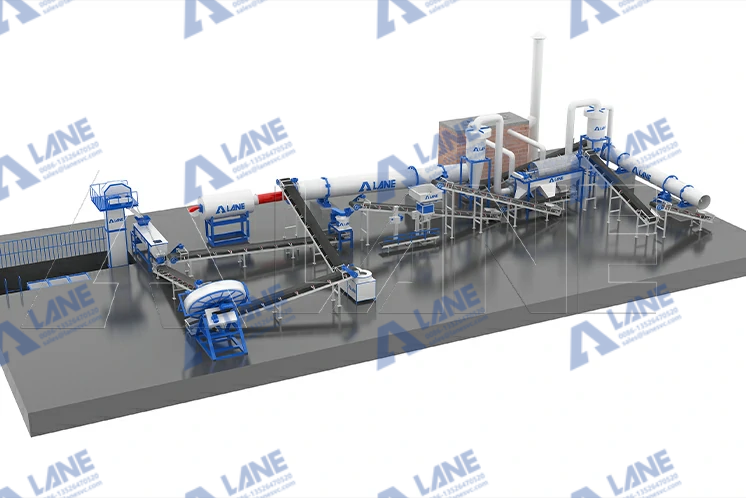
Why Consistency Becomes Harder at Larger Production Volumes
In small or medium-scale factories, quality adjustments are often handled manually. Operators can intervene quickly, compensate for raw material changes, or slow down production when issues arise. At large scale, however, this approach no longer works.
As output increases, so does process complexity. Multiple machines operate simultaneously, material flow accelerates, and even minor deviations can propagate across the entire line. Under these conditions, manual control introduces more variability rather than reducing it.
A fully automatic cat litter line addresses this challenge by replacing subjective decisions with predefined process logic. Parameters are set, monitored, and adjusted automatically, allowing consistency to be maintained even as production volumes grow.
What Defines a Fully Automatic Cat Litter Line
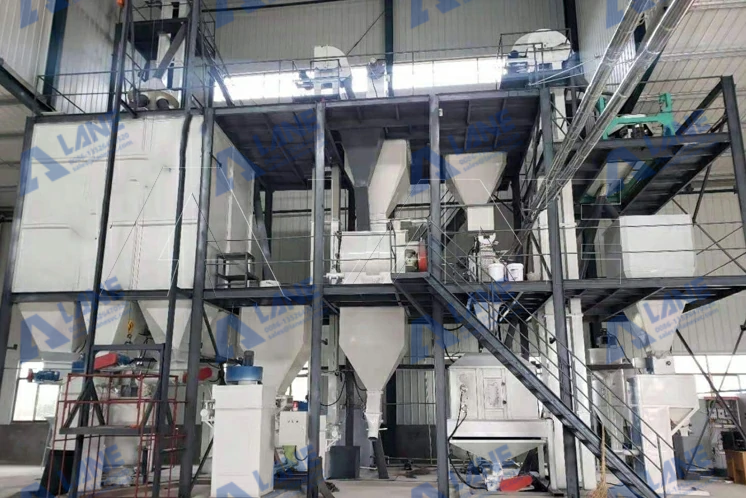
It is important to clarify what “fully automatic” actually means. Automation is often misunderstood as simply adding automatic features to individual machines. In reality, a fully automatic cat litter line functions as an integrated system.
Key characteristics include:
-
Continuous material flow from feeding to packaging
-
Centralized control and monitoring
-
Automatic coordination between each production stage
Rather than isolated machines working independently, all equipment operates under a unified process strategy. This system-level integration is what enables stable, repeatable output at scale.
Production Stages That Benefit Most from Automation
Automation delivers value across the entire production process, but its impact is especially clear in several critical stages.
1. Raw material feeding and dosing
Automated feeding systems ensure consistent input ratios, reducing batch-to-batch variation caused by manual weighing.
2.Crushing and granule preparation
Controlled crushing helps maintain uniform particle size, which directly affects clumping behavior and dust levels.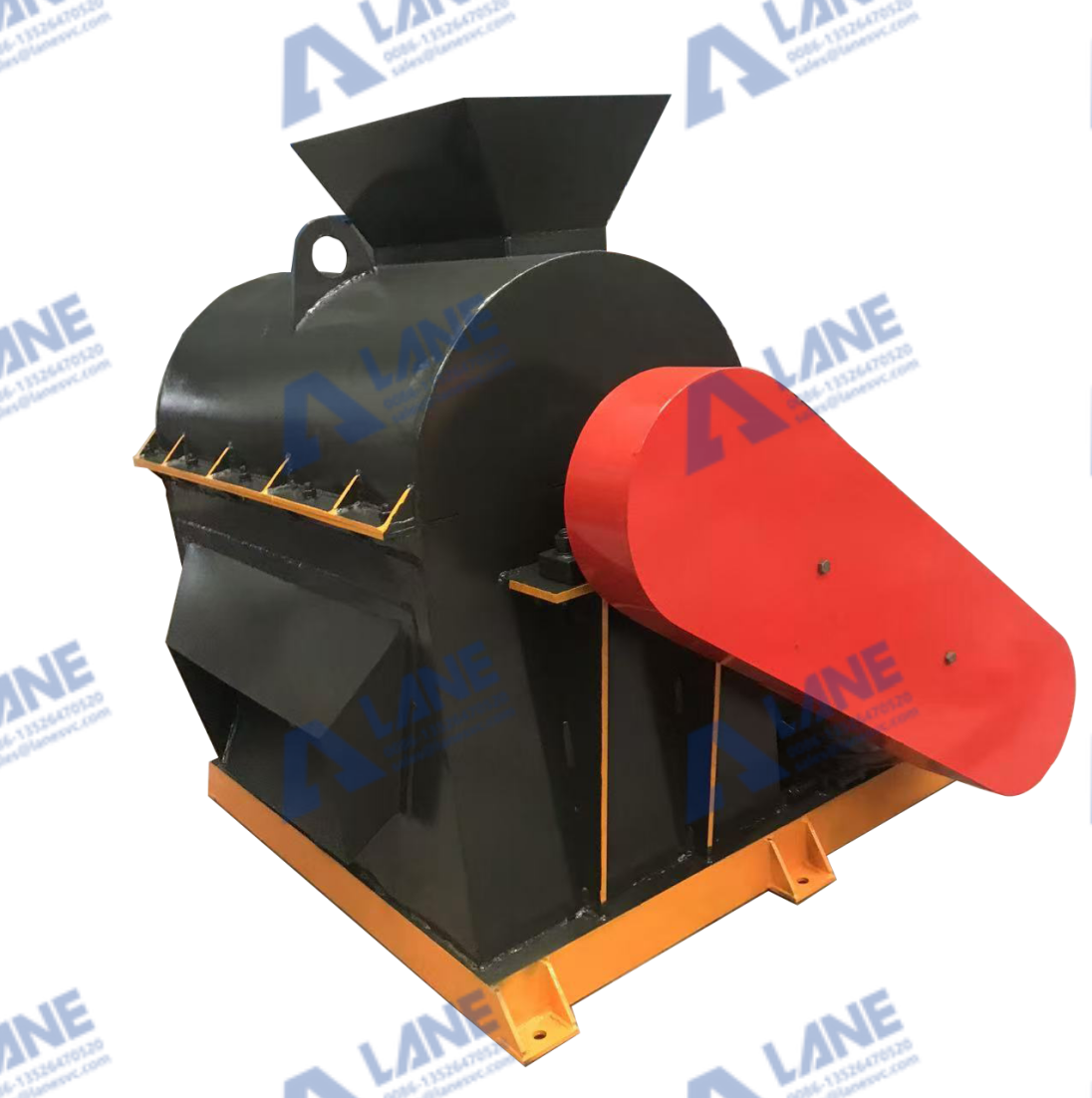
3.Screening and material circulation
Automated screening systems separate qualified granules from oversized or undersized particles and return them efficiently into the process.
4. Drying and cooling
Temperature and residence time are precisely controlled, preventing moisture inconsistency that often leads to quality complaints.
5.Pre-packaging buffering
Material buffering before packaging helps stabilize line speed and reduces interruptions downstream.
Each of these stages contributes to the overall reliability of a fully automatic cat litter line when they are properly synchronized.
Automation as a Tool for Output Stability
One of the most valuable benefits of a fully automatic cat litter line is output stability. Stability does not come from running machines faster, but from controlling variability.
Automation improves stability through:
-
Fixed operating rhythms
-
Repeatable parameter settings
-
Reduced dependence on operator judgment
Once optimal settings are established, they can be replicated across shifts and production cycles. This repeatability is essential for manufacturers supplying consistent products to multiple markets or brands.
As a result, quality control becomes proactive rather than reactive.
Labor Efficiency Without Losing Oversight
A common misconception is that automation eliminates the need for skilled personnel. In practice, a fully automatic cat litter line changes the role of labor rather than removing it.
Operators transition from hands-on operation to system supervision. Their focus shifts to:
-
Monitoring performance indicators
-
Managing alarms and deviations
-
Conducting preventive maintenance
This shift reduces reliance on highly specialized manual skills while improving overall control. Labor efficiency increases without sacrificing process visibility or accountability.
Scalability Built into the Line Structure
Large-scale production rarely remains static. Demand grows, product lines expand, and capacity requirements change. A fully automatic cat litter line is designed with this reality in mind.
Because process logic is centralized and equipment coordination is standardized, capacity expansion can often be achieved by:
-
Adding parallel modules
-
Increasing throughput within defined limits
-
Replicating proven line configurations
This scalability allows manufacturers to grow without redesigning their entire production system, reducing both cost and operational risk.
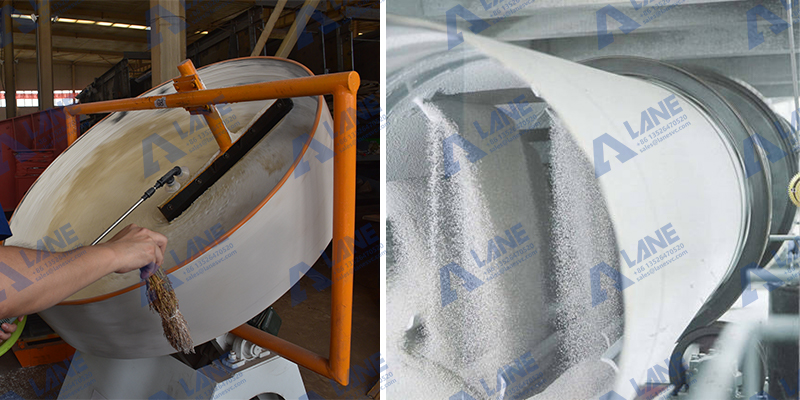
Why Equipment Integration Determines Automation Success
Automation alone does not guarantee performance. Many automation failures can be traced back to poor equipment integration rather than control systems themselves.
If individual machines operate at mismatched speeds or incompatible capacities, even the most advanced automation cannot prevent bottlenecks. A successful fully automatic cat litter line depends on balanced equipment selection and coordinated system design.
This is where experienced equipment manufacturers add significant value. Understanding how machines interact under real production conditions is essential for long-term stability.
LANE focuses on manufacturing cat litter equipment that is engineered for system compatibility, not just standalone performance. By emphasizing integration and process balance, automation becomes reliable rather than fragile.
Choosing Integrated Line Solutions Over Fragmented Procurement
Some manufacturers source equipment from multiple suppliers, assembling their own production lines over time. While this approach may reduce initial costs, it often complicates automation later.
Integrated solutions for a fully automatic cat litter line offer:
-
Unified control architecture
-
Faster commissioning
-
Clear technical responsibility
For factories planning long-term operation and expansion, integrated line design simplifies both management and maintenance.
Conclusion: Automation as a Production Foundation
A fully automatic cat litter line is not merely an efficiency upgrade. It is a structural investment in consistency, scalability, and long-term reliability.
As production volumes increase and market expectations rise, automation provides the framework needed to maintain control without sacrificing flexibility. With properly integrated equipment and a system-oriented design approach, manufacturers can achieve large-scale production while preserving the quality standards their markets demand.
For more details, please feel free to contact us.
Henan Lane Heavy Industry Machinery Technology Co., Ltd.
Email: sales@lanesvc.com
Contact number: +86 13526470520
Whatsapp: +86 13526470520