

Environmental Protection Renovation Plan for Cat Litter Production Line: Strategies for Green Transformation and Compliance
Environmental Protection Renovation Plan for Cat Litter Production Line: Strategies for Green Transformation and Compliance
In recent years, the cat litter manufacturing industry has entered a new phase where environmental protection is no longer optional but a strategic necessity. With global consumption rising and sustainability becoming a mainstream consumer expectation, having a well-defined environmental protection renovation plan for cat litter production line has become essential for manufacturers aiming for compliance, long-term competitiveness, and sustainable growth.
Traditional cat litter production methods — especially those involving mineral handling, drying, and screening — can generate significant dust emissions and energy consumption. As environmental regulations tighten and consumer demand shifts toward eco-friendly products, producers must adjust their facilities to reduce pollutants, improve energy efficiency, and limit environmental impact.
The Significance of Environmental Protection Renovation
Environmental issues in cat litter production are not hypothetical. Large-scale processing of raw materials like bentonite and biomass often leads to dust in the workshop and emissions in the surrounding environment. In markets like Europe, plant configurations must meet strict occupational safety and environmental standards, including dust control, energy efficiency, and noise reduction — aspects that cannot be addressed without a systematic environmental protection renovation plan for cat litter production line.
Environmental renovation also aligns with consumer trends. As more pet owners seek eco-friendly products, manufacturers with green production reputations enjoy better brand positioning and broader market access. Chinese cat litter manufacturers, for example, are increasingly investing in low-dust and environmentally compliant production techniques to serve both domestic and global markets where sustainability credentials matter.
Assessing Environmental Challenges in Cat Litter Lines
Before planning renovation, it’s crucial to assess the main environmental challenges in an existing cat litter production line:
-
Dust and Particulate Emissions: Crushing, mixing, and screening can release fine particulates.
-
Energy Consumption: Traditional thermal drying consumes large amounts of energy.
-
Wastewater & Solid Waste: Certain additive processes or cleaning stages may generate liquid or solid waste.
-
Noise & Safety: High-speed machinery contributes to workshop noise and safety hazards.
In developing an environmental protection renovation plan for cat litter production line, it is critical to assess existing dust emission sources and design control measures that meet both local standards and long-term sustainability goals.
A comprehensive environmental protection renovation plan for cat litter production line must begin with detailed mapping of these issues, determining their sources, and quantified emission levels. This helps define priorities — whether for dust control, energy upgrades, or waste management.
Dust and Particulate Reduction Techniques
Dust is typically the most visible and regulated pollutant in litter manufacturing. Key engineering solutions include:
-
Bag filters and cyclone collectors installed at dust-prone stages.
-
Enclosed conveying and negative-pressure ventilation to prevent particulate spread.
-
Local extraction hoods at crushers, mixers, and sieves.
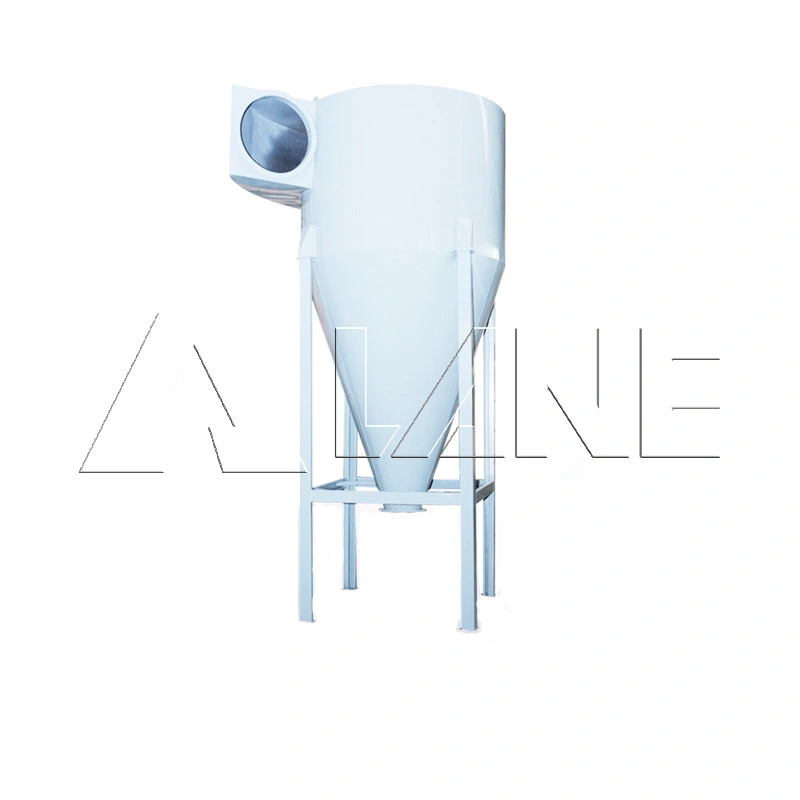
In a turnkey cat litter production line project, high-efficiency dust collectors are paired with automated bag-filter systems to capture dust before it enters the workshop atmosphere. These systems can significantly lower workplace PM levels and meet local environmental standards. A successful environmental protection renovation plan for cat litter production line not only reduces airborne particulates but also improves energy efficiency and lowers overall operating costs through integrated heat recovery systems.
Energy Efficiency and Heat Recovery in Dryers
Drying represents one of the highest energy-consuming stages in cat litter production. An effective environmental protection renovation plan for cat litter production line introduces energy-saving design by:
-
Using heat recovery systems to reuse exhaust heat.
-
Integrating thermal insulation and variable frequency drives (VFD) on blowers.
-
Adopting closed-loop airflow systems to reduce heat loss.
Some modern solutions include modular rotary dryers with integrated PID temperature control and heat recycling configurations that reduce fuel consumption and improve thermal efficiency — a win-win for cost and environmental compliance.
Wastewater and Solid Waste Management
Most cat litter lines focus on dry solids and dust, but certain stages — such as equipment cleaning or additive preparation — can produce wastewater or solid residue. A robust renovation plan considers:
-
Basic wastewater pretreatment and recirculation systems.
-
Filtration units to recover fine solids.
-
Reuse strategies where possible (e.g., using wastewater for pre-mixing after treatment).
These systems ensure the plant’s water discharge complies with local regulations while minimizing wastewater generation. Manufacturers that implement an environmental protection renovation plan for cat litter production line with proper wastewater and solid waste management systems can enhance both environmental performance and consumer confidence in sustainably produced cat litter.
Continuous Monitoring and Compliance Tracking
Upgrading physical equipment is only part of an effective renovation plan. Automated monitoring systems that track dust concentration, temperature, airflow, and emissions in real time help ensure ongoing compliance. These systems provide alerts when parameters drift outside acceptable ranges, enabling proactive management rather than reactive fixes.
Engineering teams often recommend that an environmental protection renovation plan for cat litter production line should include closed-loop conveying systems, modular dust collectors, and real-time emissions monitoring to maintain compliance and support cleaner production.
FAQ: Customers’ Top Environmental Renovation Questions
Q1: What triggers the need for an environmental protection renovation plan for cat litter production line?
Environmental requirements may arise from government regulations, local emissions limits, or customer demand for greener production. Facilities with high dust concentrations or energy consumption typically benefit most from renovation.
Q2: What are the primary environmental problems in cat litter plants?
Common issues include dust release during crushing and screening, heat waste in drying, and particulate discharge. Addressing these involves dust control systems, thermal efficiency improvements, and enclosed processes.
Q3: How long does environmental renovation take and what affects cost?
Renovation time and cost depend on plant size, existing infrastructure, and scope of upgrades. A detailed assessment often precedes accurate planning and budgeting.
Q4: Can existing equipment be retrofitted to meet environmental standards?
Yes. Many equipment modules — such as dust collectors, heat recapture systems, and monitoring sensors — can be retrofitted without full replacement.
Q5: How does LANE support environmental protection renovation for cat litter lines?
LANE combines on-site assessment, tailored retrofit design, modular environmental equipment, and commissioning support to ensure compliance and performance. Practical upgrades include closed dust systems and energy efficient drying.
How LANE Implements Environmental Renovation
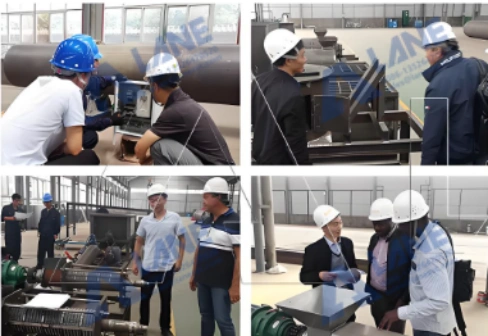
As a manufacturer of cat litter production lines, LANE takes a holistic approach in designing environmental upgrades. Specific solutions include:
-
High-efficiency dust collection modules placed at key emission points.
-
Advanced drying systems with heat recovery and insulated airflow.
-
Workshop layout redesigns to segregate dust-prone zones.
-
Monitoring systems for real-time environmental data tracking.
By integrating these into the renovation plan, LANE helps plants achieve regulatory compliance and operational efficiency without disrupting production schedules.
Long-Term Benefits of Green Production
Implementing an effective environmental protection renovation plan for cat litter production line delivers multiple benefits:
-
Lower risk of regulatory penalties.
-
Improved workshop air quality and worker safety.
-
Reduced energy costs and operational waste.
-
Enhanced product appeal due to sustainability credentials.
In markets where environmental standards are becoming stricter, a proactive renovation strategy becomes an investment in competitiveness rather than a compliance burden. When executing an environmental protection renovation plan for cat litter production line, it is important to integrate dust suppression and emissions monitoring into the airflow system design to ensure workshop air quality and compliance with environmental standards over time.
Conclusion
Transitioning to an environmentally compliant production line is essential for modern cat litter manufacturers seeking stability, sustainability, and market acceptance. An environmental protection renovation plan for cat litter production line goes beyond simply reducing emissions — it enhances energy efficiency, improves safety, and positions a business for long-term success. By combining equipment upgrades with process redesign and ongoing monitoring, companies can achieve both environmental goals and operational excellence.
If you are planning a renovation or want to explore tailored solutions, LANE’s engineering team can provide comprehensive support from assessment to implementation — ensuring your production line meets today’s environmental expectations while preparing for future challenges.
For more details, please feel free to contact us.
Henan Lane Heavy Industry Machinery Technology Co., Ltd.
Email: sales@lanesvc.com
Contact number: +86 13526470520
Whatsapp: +86 13526470520