

Eco-Friendly Pulp Cat Litter Production Line Solution for Sustainable and Scalable Manufacturing
Eco-Friendly Pulp Cat Litter Production Line Solution for Sustainable and Scalable Manufacturing
Why Recycled Pulp Is Ideal for Eco-Friendly Cat Litter Production
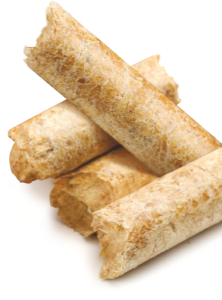
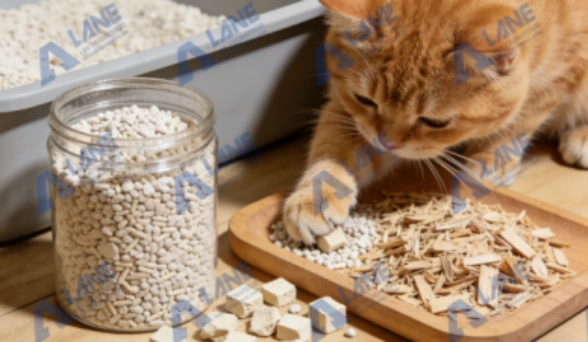
The global shift toward biodegradable pet products has significantly accelerated demand for recycled fiber-based litter materials. In this context, an Eco-Friendly Pulp Cat Litter Production Line Solution offers manufacturers a practical pathway to transform waste paper, cardboard residue, and secondary pulp fiber into high-performance cat litter products.
Recycled pulp presents several advantages. It is widely available, cost-stable, and derived from renewable waste streams. Compared with bentonite or silica-based materials, pulp fiber is biodegradable and aligns with environmental regulations in many regions.
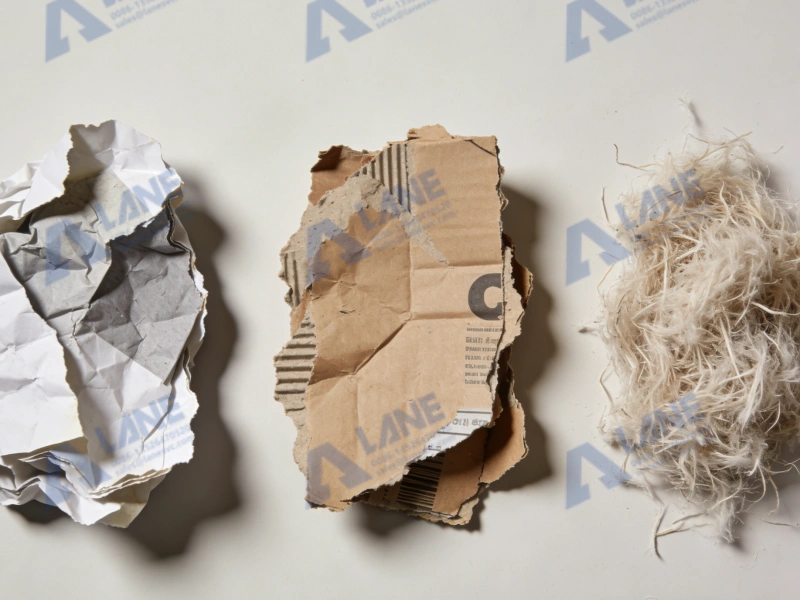
From a processing perspective, pulp fiber behaves differently from mineral materials. It has high water absorption capacity but lower bulk density. Therefore, designing an effective Eco-Friendly Pulp Cat Litter Production Line Solution requires careful control of moisture, fiber distribution, and structural stability during forming and drying.
Interestingly, many mechanical principles used in organic fertilizer granulation can also be applied here. Fiber conditioning, moisture adjustment, and pellet stabilization share similarities with biomass processing systems. This technical overlap makes integrated production line design both feasible and efficient.
Process Flow of an Eco-Friendly Pulp Cat Litter Production Line Solution
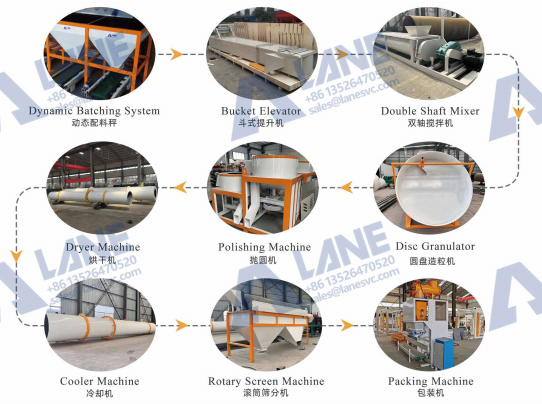
A well-structured Eco-Friendly Pulp Cat Litter Production Line Solution follows a coordinated and sequential workflow. Rather than focusing on isolated machines, it is the interaction between stages that ensures final pellet quality.
- Raw Material Preprocessing
Recycled pulp blocks or compressed paper waste must first be loosened and reduced in size. This step improves fiber uniformity and prepares the material for mixing.
- Fiber Conditioning and Crushing
Secondary crushing or shredding ensures consistent fiber length. Uneven fiber size can result in weak pellets or structural collapse during drying.
- Mixing and Moisture Adjustment
Pulp requires precise moisture regulation. Excess water leads to deformation, while insufficient moisture reduces binding strength. A controlled mixing environment is essential for stabilizing fiber distribution.
- Pelletizing or Granulation
Depending on product positioning (pellet-type or granular litter), forming can be completed using extrusion or disc-based granulation systems. The forming stage determines pellet density and durability.
- Drying
Because pulp pellets retain internal moisture, gradual and uniform drying is required to prevent cracking. Heat distribution must remain stable throughout the process.
- Screening and Packaging
Oversized or undersized particles are recycled. Proper screening improves product consistency and reduces dust generation.
Through this structured workflow, an Eco-Friendly Pulp Cat Litter Production Line Solution ensures that recycled materials are converted into stable, market-ready litter products.
Key Technical Challenges in Pulp Cat Litter Manufacturing
Although recycled pulp is sustainable, it introduces several engineering challenges.
- Moisture Instability
Fiber materials absorb water quickly, yet they also release moisture unpredictably during drying. This requires continuous monitoring throughout the production cycle.
- Low Bulk Density
Compared with mineral-based litter, pulp pellets may lack sufficient density. Without optimized compaction and forming pressure, pellets can become fragile.
- Fiber Entanglement
Long fibers can wrap around shafts and rotating components. Equipment design must reduce clogging risks.
- Dust Control
Fine fiber particles may generate airborne dust. Integrated dust collection systems improve both environmental compliance and operational cleanliness.
An effective Eco-Friendly Pulp Cat Litter Production Line Solution addresses these issues not by upgrading a single machine, but by adjusting the entire process logic.
Equipment Configuration Logic for an Eco-Friendly Pulp Cat Litter Production Line Solution
Selecting equipment for an Eco-Friendly Pulp Cat Litter Production Line Solution is not about choosing the most powerful machines. It is about balancing process stability, energy efficiency, and maintainability.
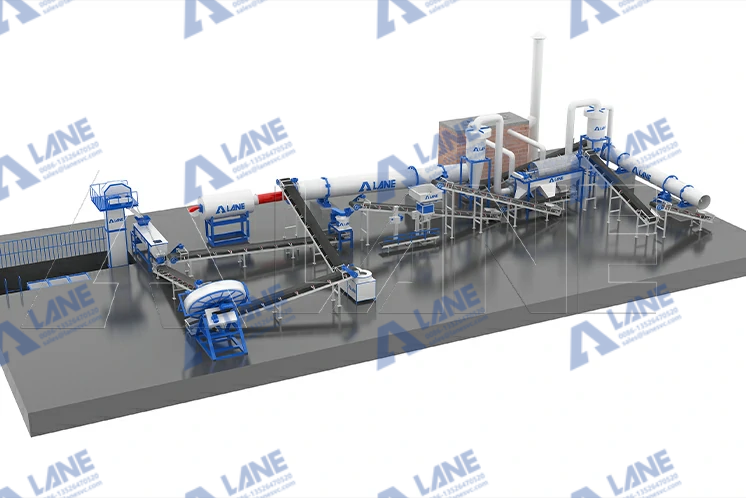
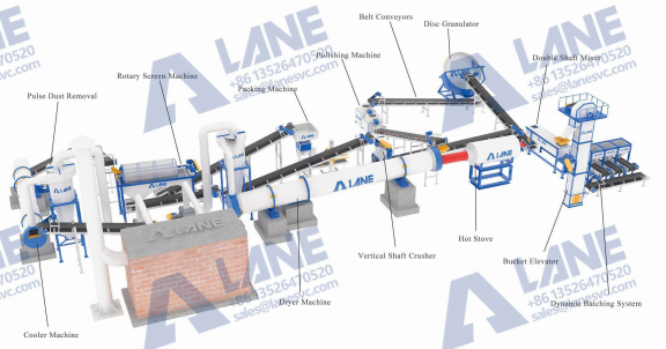
A typical configuration includes:
-
Fiber crusher or shredder
-
Horizontal mixing system
-
Pelletizing or disc granulation equipment
-
Rotary drying system
-
Vibrating screening machine
-
Conveying and packaging units
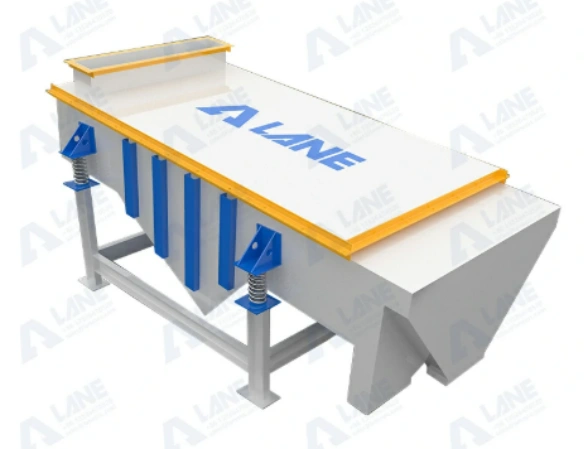
The sequence and matching of these units determine production stability. For example, inconsistent crushing affects mixing uniformity. Inadequate mixing influences pellet integrity. Uneven drying results in structural cracking.
When designing an Eco-Friendly Pulp Cat Litter Production Line Solution, engineers must evaluate:
-
Raw material moisture range
-
Target pellet size
-
Production capacity scalability
-
Energy consumption targets
-
Maintenance accessibility
Rather than emphasizing isolated equipment performance, the focus remains on system integration and long-term operational reliability.
How Integrated Line Design Improves Stability and Energy Efficiency
Integrated design is the defining advantage of a well-planned Eco-Friendly Pulp Cat Litter Production Line Solution. Instead of operating as separate mechanical units, each stage communicates through controlled material flow and thermal balance.
For instance:
-
Heat generated in drying can be partially reused.
-
Rejected pellets can be automatically recycled to the mixing stage.
-
Moisture sensors can adjust feed rate dynamically.
This coordination minimizes waste, reduces downtime, and improves product consistency.
Moreover, energy efficiency becomes achievable when airflow, drum rotation, and material throughput are harmonized rather than independently adjusted.
Scalable Eco-Friendly Pulp Cat Litter Production Line Solutions for Different Capacities
Market demand varies significantly. Some manufacturers focus on regional distribution, while others aim for export-scale production. Therefore, an Eco-Friendly Pulp Cat Litter Production Line Solution must remain adaptable.
Scalability is achieved by:
-
Expanding mixing and pelletizing modules
-
Increasing drying capacity
-
Adding parallel screening lines
Instead of redesigning the entire factory, modular expansion allows manufacturers to grow without structural overhaul.
This scalability ensures that the Eco-Friendly Pulp Cat Litter Production Line Solution remains viable for both emerging producers and established industrial operators.
Conclusion: Building a Future-Oriented Eco-Friendly Pulp Cat Litter Production Line Solution
Sustainability is no longer a marketing slogan. It has become a structural requirement in modern pet product manufacturing. By transforming recycled fiber into high-performance litter, manufacturers can reduce environmental impact while maintaining product quality.
A carefully engineered Eco-Friendly Pulp Cat Litter Production Line Solution integrates raw material preparation, forming stability, moisture control, and energy-efficient drying into a unified system. The result is not simply a production line, but a sustainable manufacturing strategy.
For companies planning to enter or upgrade fiber-based litter production, system-level design remains the decisive factor.
LANE is always ready to receive your inquiries and is more than willing to provide customized solutions for your production.
For more details, please feel free to contact us.
Henan Lane Heavy Industry Machinery Technology Co., Ltd.
Email: sales@lanesvc.com
Contact number: +86 13526470520
Whatsapp: +86 13526470520