

Eco-Friendly Cat Litter Materials vs Traditional Clay Litter Materials: A Complete Comparison for Performance and Sustainability
Eco-Friendly Cat Litter Materials vs Traditional Clay Litter Materials: A Complete Comparison for Performance and Sustainability
Introduction
As pet ownership continues to rise around the world, so does the demand for high-performance cat litter products. Today’s manufacturers are increasingly evaluating eco-friendly cat litter materials vs traditional clay litter materials not only for product performance but also for sustainability and consumer preference trends. Traditional clay litter — typically made from bentonite clay — has long been a mainstay in the industry due to strong clumping and odor control, but environmental concerns and health-related considerations are driving interest in plant-based, paper, wood, and other alternative eco materials.
In this article, we will explore the key differences between eco-friendly and clay materials, how they perform in everyday use, and what production line considerations manufacturers should be aware of when working with both material categories.
1. Traditional Clay Litter Materials: What They Are and Why They’re Popular
Traditional clay litter materials, especially sodium bentonite clay, are mined from natural geological formations and processed into granular particles that absorb liquid and form clumps when wet. These materials are widely used due to their ability to trap moisture quickly and create firm clumps that are easy to scoop and clean.
Benefits of Traditional Clay Materials
-
Strong Clumping and Absorbency: Clay particles expand upon contact with moisture, creating dense granules that hold liquid and reduce odor.
-
Generally Affordable: Due to established supply chains and abundant mineral resources, clay materials often offer good cost per performance.
-
Familiar Performance: Many consumers are accustomed to clay litter’s feel and behavior in litter boxes.
Despite these strengths, there are trade-offs when comparing eco-friendly cat litter materials vs traditional clay litter materials. Traditional clay is often heavier, generates more airborne dust, and is not readily biodegradable after use. Dust concerns in particular can affect both factory air quality and consumer use environments, highlighting the importance of effective dust control systems in production lines. Consumer surveys show that preferences for eco-friendly cat litter materials vs traditional clay litter materials often depend on lifestyle, living space, and environmental values.
2. Eco-Friendly Cat Litter Materials: Types and Advantages
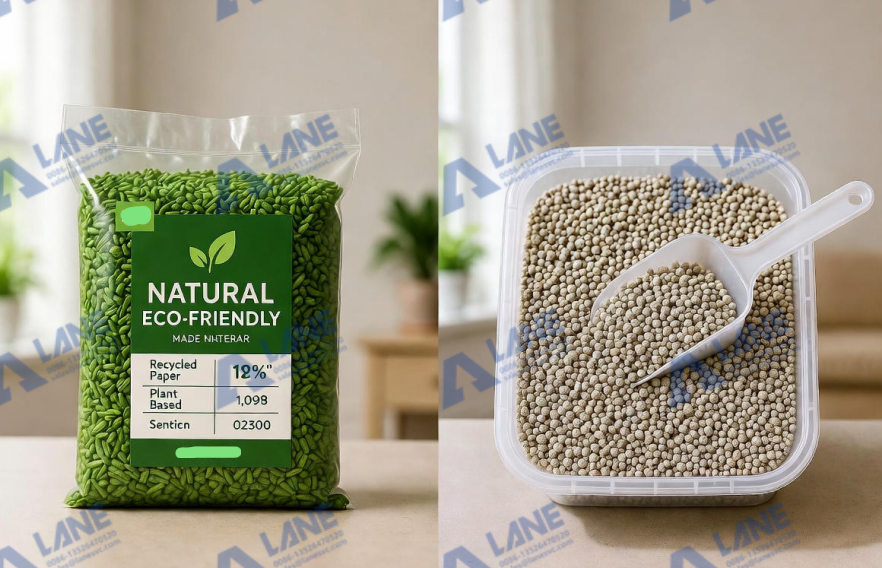
Eco-friendly cat litter materials come from renewable, biodegradable, or recycled sources. These alternatives are increasingly popular among consumers who value low environmental impact and safer materials for pets and humans alike.
Common Eco-Friendly Materials
-
Plant-Based Materials – Such as corn, wheat, or other grains. These are generally biodegradable and often offer good absorbency.
-
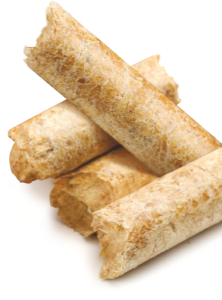
Recycled Paper & Wood Pellets – Lightweight and biodegradable, wood or paper litters often generate minimal dust and provide natural odor mitigation.
-
Biodegradable Tofu and Cassava Materials – Natural protein and starch-based litters can offer competitive clumping and low dust performance.
Eco materials typically break down more readily in composting conditions or controlled disposal environments, which can significantly reduce landfill burden compared with clay litter.
3. Performance Comparison: Eco-Friendly vs Clay Materials
The core issue in evaluating eco-friendly cat litter materials vs traditional clay litter materials is how well the materials perform in everyday use.
Absorbency and Clumping
When evaluating eco-friendly cat litter materials vs traditional clay litter materials, it’s important to consider how absorption and clumping performance vary across different ingredient bases. Clay litter often exhibits excellent absorbency and clump formation due to the natural swelling characteristics of bentonite. By contrast, some eco materials — particularly tofu and high-quality plant blends — have been engineered to achieve competitive clumping performance, combining natural fibres and starches to achieve rapid moisture capture.
Dust Generation
Many eco options, when compared for eco-friendly cat litter materials vs traditional clay litter materials, demonstrate lower tracking and dust generation in both homes and manufacturing environments. One of the most noticeable differences for consumers and production environments alike is dust production. Eco materials, especially wood and recycled paper pellets, tend to generate significantly less dust than clay litter, which is beneficial for respiratory health and reduces the load on dust collection systems in production lines.
Odor Control
In controlled consumer trials contrasting eco-friendly cat litter materials vs traditional clay litter materials, biodegradable litters often outperformed clay in dust emission while maintaining competitive odor control. Odor management depends on composite material properties. While clay naturally traps nitrogenous waste, eco alternatives often require additional natural binders or mixes with additives (such as baking soda) to achieve comparable odor control, especially in high humidity environments. In many modern formulations, eco-friendly cat litter materials vs traditional clay litter materials are blended to balance biodegradability with strong clumping and odor control.
4. Production Line Considerations for Different Materials
Producing cat litter from traditional clay versus eco materials involves distinct considerations, especially regarding equipment configuration and process design. These differences are critical for manufacturers when planning investments and optimizing output quality. Production planners assessing eco-friendly cat litter materials vs traditional clay litter materials also need to optimize dust management and granulation settings to ensure consistent output quality.
Raw Material Handling Differences
Traditional clay cat litter production lines often require robust crushing, milling, and high-temperature drying stages to prepare bentonite for granulation. In contrast, eco materials like corn, paper, or wood fibres may benefit from gentler processing to preserve material integrity and reduce dust creation.
Granulation & Drying
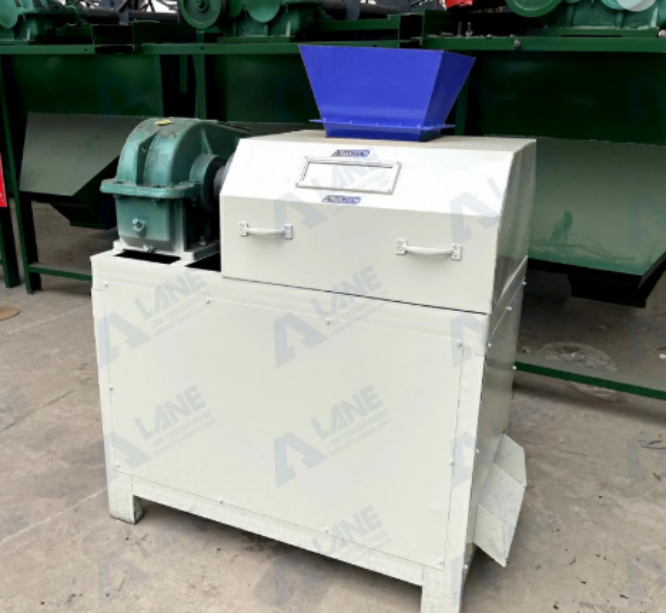
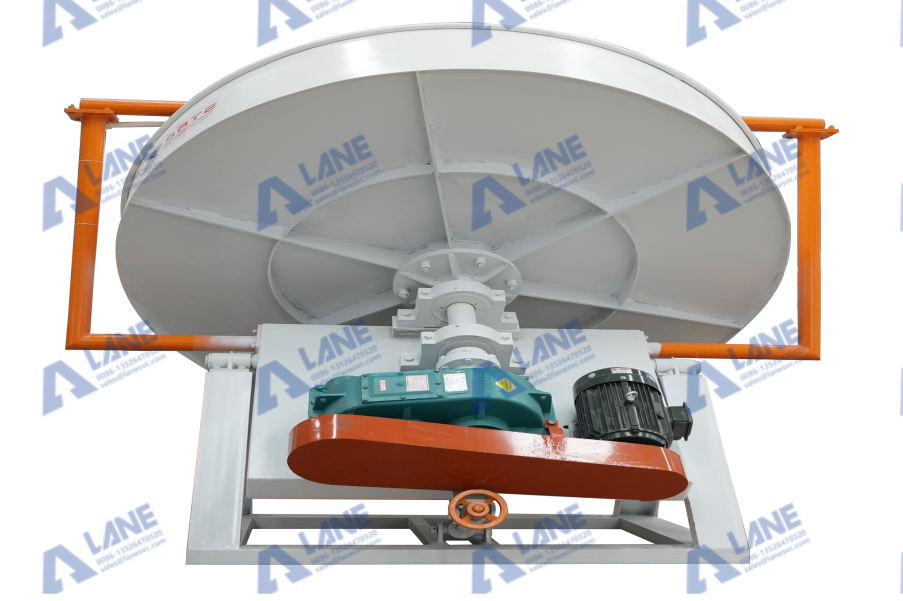
Eco materials sometimes require customized granulators and specific drying profiles to ensure that biodegradable particles form stable granules without fragmentation. Clay granulation can rely on established rotary or disc granulators designed for dense mineral powders.
Dust Management
From a production perspective, dust collection systems remain critical when processing clay litter raw materials due to their fine particulate nature, whereas some eco materials inherently produce less fine dust, enabling potentially lower investment in negative pressure systems.
5. Cost Implications of Eco-Friendly vs Clay Litter Materials
When weighing eco-friendly cat litter materials vs traditional clay litter materials, cost considerations extend beyond raw material price. Evaluating long-term costs must include comparing eco-friendly cat litter materials vs traditional clay litter materials, because reduced waste disposal and transport costs can offset higher raw material prices for sustainable litters.
- Raw Material Costs
Clay remains one of the more cost-effective base materials due to established mining and logistics pipelines. However, eco materials like specialty grains or recycled feedstock may carry higher raw material costs depending on sourcing and seasonality.
- Production Expenses
Despite higher raw material costs, eco materials can sometimes decrease operational expenses. For example, reduced dust generation can simplify dust extraction requirements, and lightweight materials may reduce shipping costs.
- Retail Positioning
Eco materials can often command a price premium in the marketplace due to consumer preferences for sustainable products. This can offset higher production costs and position eco products as a value-added offering compared with traditional clay litter.
6. LANE’s Support for Sustainable and Traditional Production Lines
Understanding both eco-friendly cat litter materials vs traditional clay litter materials is one thing — implementing production systems that can handle these differences effectively is another. LANE offers advanced production line solutions that support a broad range of materials, from classic bentonite clay formulations to more sustainable plant-based and mixed formulas.
- Modular Production Design
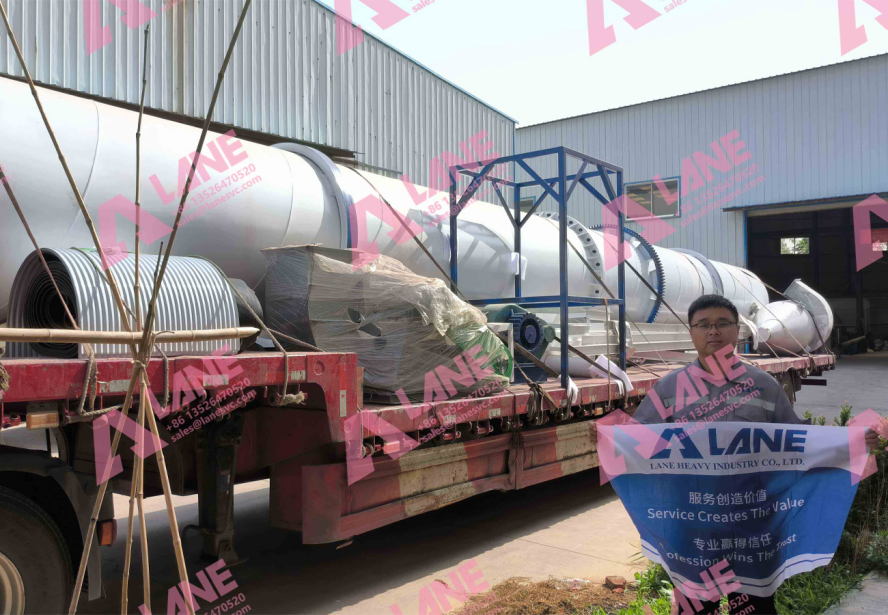
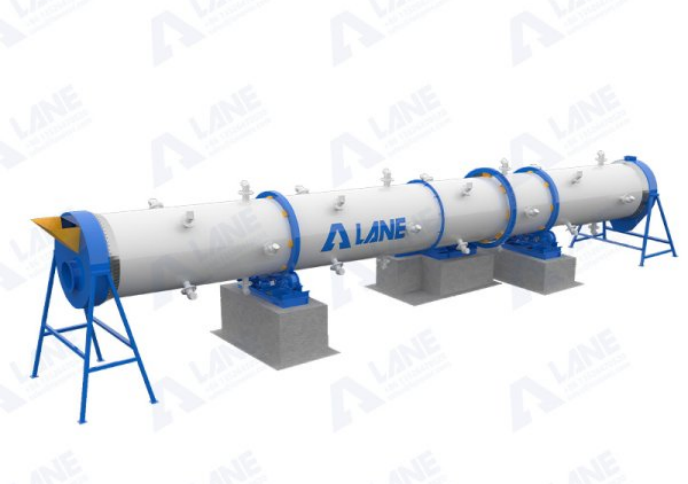
LANE’s cat litter production lines are designed with modular components — including crushers, mixers, granulators, rotary dryers, coolers, screeners, and automatic packaging units — that can be adapted for different material types without excessive downtime or capital waste.
- Eco-Friendly Material Integration
For manufacturers interested in exploring eco alternatives, solutions like LANE’s mixed cat litter production line allow blending of plant-based materials with clay or other inputs, providing flexibility in product development while maintaining consistent quality and environmental credentials.
- Global Service and Support
LANE also delivers global service support — from pre-purchase consultation and sample testing to installation and after-sales technical guidance — helping brands navigate the technical demands of producing both traditional and eco-friendly cat litter products.

7. Practical Tips for Manufacturers
Manufacturers that need to balance eco-friendly cat litter materials vs traditional clay litter materials effectively can benefit from these practical strategies:
✔ Conduct raw material compatibility tests before full-scale production.
✔ Choose adaptable production lines that handle varied granulation and drying profiles.
✔ Invest in modular dust control to ensure stable output quality across materials.
✔ Incorporate sensory tests (e.g., dust, odor) in QA procedures to align with consumer expectations.
Conclusion
Both eco-friendly cat litter materials vs traditional clay litter materials have unique performance profiles and production implications. While clay litter remains a strong performer in clumping and cost efficiency, eco-friendly alternatives deliver sustainability benefits that resonate with current market trends. By understanding these differences and leveraging flexible, well-designed cat litter production lines — such as those offered by LANE — manufacturers can optimize their output for quality, cost, and environmental performance simultaneously.
For more details, please feel free to contact us.
Henan Lane Heavy Industry Machinery Technology Co., Ltd.
Email: sales@lanesvc.com
Contact number: +86 13526470520
Whatsapp: +86 13526470520