

Why Equipment Design Determines the Success of Eco Friendly Cat Litter Materials
Why Equipment Design Determines the Success of Eco Friendly Cat Litter Materials
Eco friendly cat litter materials have become a clear direction for the global pet industry. From plant-based fibers to biodegradable starch blends, manufacturers are investing heavily in sustainable alternatives that reduce environmental impact while maintaining acceptable performance for end users.
However, many producers quickly discover that switching to eco friendly cat litter materials is not simply a matter of sourcing greener raw materials. In real-world manufacturing, the success or failure of these materials is often determined by equipment design, system compatibility, and process stability rather than by material formulation alone.
For OEM manufacturers and private-label producers, understanding this relationship is critical before scaling up production.
Eco Friendly Cat Litter Materials Behave Differently in Production
Unlike traditional mineral-based litter, eco friendly cat litter materials tend to be:
-
More sensitive to moisture
-
Less tolerant of excessive mechanical stress
-
Variable in density and fiber structure
-
Prone to dust or granule breakage if improperly handled
These characteristics do not mean eco friendly cat litter materials are inferior. Instead, they require manufacturing systems that are designed with material behavior in mind.
In many cases, production issues arise not because the materials are unsuitable, but because existing equipment was originally optimized for heavier, more rigid inputs.
Equipment Is the Bridge Between Sustainability and Consistency
From a manufacturing perspective, eco friendly cat litter materials only perform well when equipment acts as a controlled interface rather than a forceful processor.
This is where equipment design becomes decisive.
Well-matched systems can:
-
Preserve granule integrity
-
Reduce dust generation
-
Maintain consistent particle size
-
Stabilize moisture levels throughout processing
Poorly matched systems, on the other hand, amplify the weaknesses of eco friendly cat litter materials, leading to unstable output and higher rejection rates.
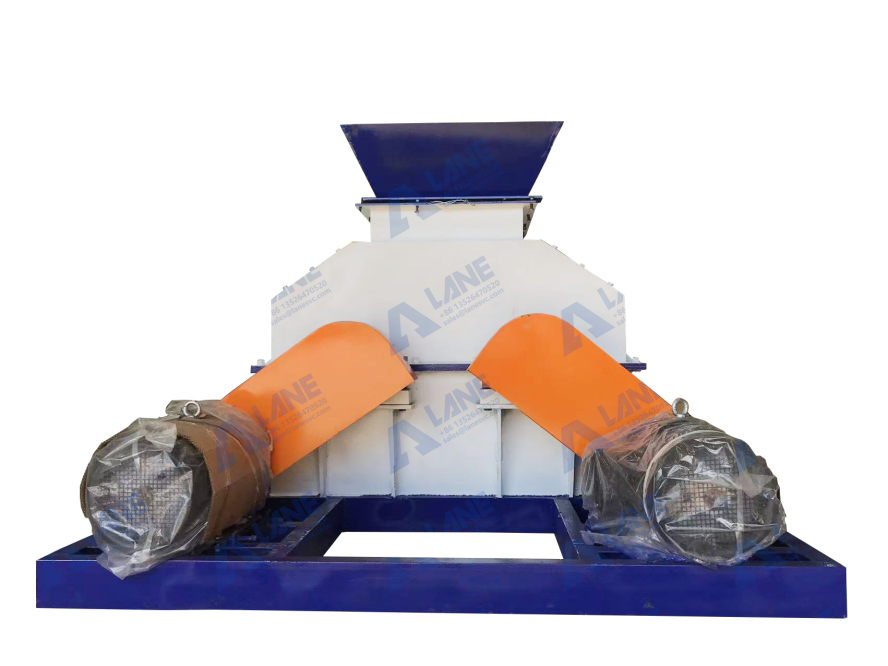
Crushing and Shaping: Precision Over Power
One of the most common mistakes in eco friendly litter production is applying excessive crushing force. Plant-based and biodegradable materials often fracture rather than compact when exposed to aggressive mechanical pressure.
A properly designed crushing or shaping unit should allow:
-
Adjustable force control
-
Uniform stress distribution
-
Gradual material shaping instead of sudden impact
This ensures that eco friendly cat litter materials form stable granules without excessive fines.
Screening Systems Must Adapt to Material Variability
Screening plays a much larger role when working with eco friendly cat litter materials. Variations in fiber length, moisture content, or density can significantly affect particle separation efficiency.
Effective screening systems should offer:
- Flexible grid configuration
- Mild vibration mode
- High separation accuracy, no need for excessive stirring
Rather than forcing material through a fixed screening process, adaptable equipment allows producers to fine-tune output quality as raw material properties change.
Eco Friendly Materials Require Precise Drying Control
Moisture management is one of the most underestimated factors in eco friendly cat litter materials manufacturing.
Excess moisture leads to:
- Poor clumping performance
- Granule deformation
- Increased microbial risk during storage
Over-drying, however, can weaken granules and increase dust.
Modern drying systems must balance:
- Temperature stability
- Airflow distribution
- Residence time control
Only with precise drying control can eco friendly cat litter materials maintain consistent performance from batch to batch.
Integrated Systems Reduce Risk at Scale
Small-scale trials with eco friendly cat litter materials often look promising. Problems usually emerge during scale-up.
This is where integrated production lines outperform isolated machines.
Integrated systems:
- Minimize material transfer damage
- Reduce exposure to uncontrolled humidity
- Synchronize output between stages
By designing equipment as a coordinated system rather than individual units, manufacturers significantly reduce quality fluctuations.
Why Equipment Flexibility Matters for OEM Manufacturers
OEM producers face an additional challenge: customer requirements change frequently.
One brand may prioritize low dust, while another demands faster clumping or lighter weight packaging. Eco friendly cat litter materials magnify these differences.
Flexible equipment allows OEM manufacturers to:
-
Adjust settings without hardware replacement
-
Handle multiple formulations on one line
-
Respond quickly to new market demands
This flexibility becomes a competitive advantage, not just a technical feature.
The Equipment Manufacturer’s Role in Sustainable Production
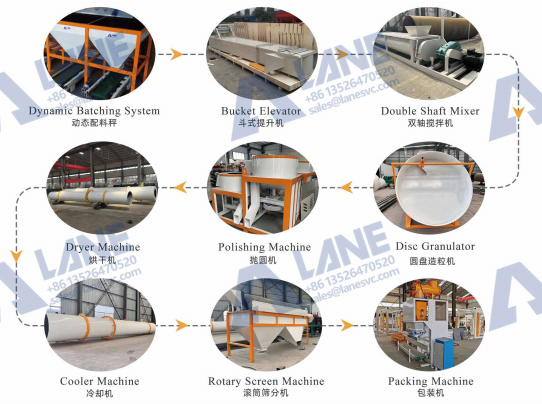
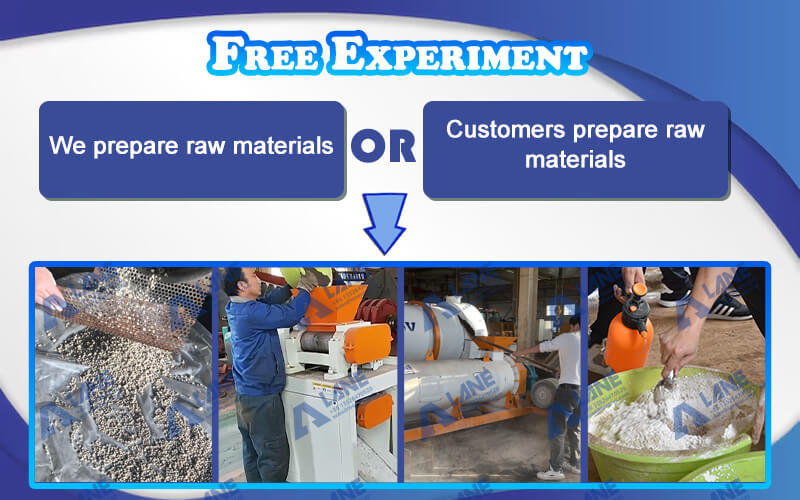
As an equipment manufacturer, LANE does not produce cat litter itself. Instead, we support OEM manufacturers by providing systems that allow eco friendly cat litter materials to perform reliably at industrial scale.
Our approach focuses on:
-
Material behavior analysis
-
Equipment customization
-
Long-term production stability
Rather than offering generic machines, we design equipment with sustainability-oriented materials in mind, helping manufacturers reduce trial-and-error costs and shorten time to market.
Sustainability Is a System Outcome, Not a Material Label
The shift toward eco friendly cat litter materials reflects a broader industry transition toward responsible manufacturing. However, sustainability cannot rely on material selection alone.
Without appropriate equipment design:
-
Waste increases
-
Energy efficiency drops
-
Product consistency suffers
True sustainability emerges when materials, machines, and manufacturing logic work together as a unified system.
For OEM producers aiming to scale responsibly, investing in the right equipment is not an optional upgrade—it is the foundation that allows eco friendly cat litter materials to succeed in real production environments.
Final Thoughts
Eco friendly cat litter materials offer significant environmental and commercial potential, but only when supported by equipment designed for their unique characteristics.
By focusing on adaptability, precision, and system integration, manufacturers can turn sustainable materials into stable, market-ready products. And with the right equipment partner, the transition becomes a strategic advantage rather than a production risk.
Our company offers localized customization services. We can plan the best solution based on the characteristics and specific circumstances of your products, and also design production lines, all for your satisfaction.
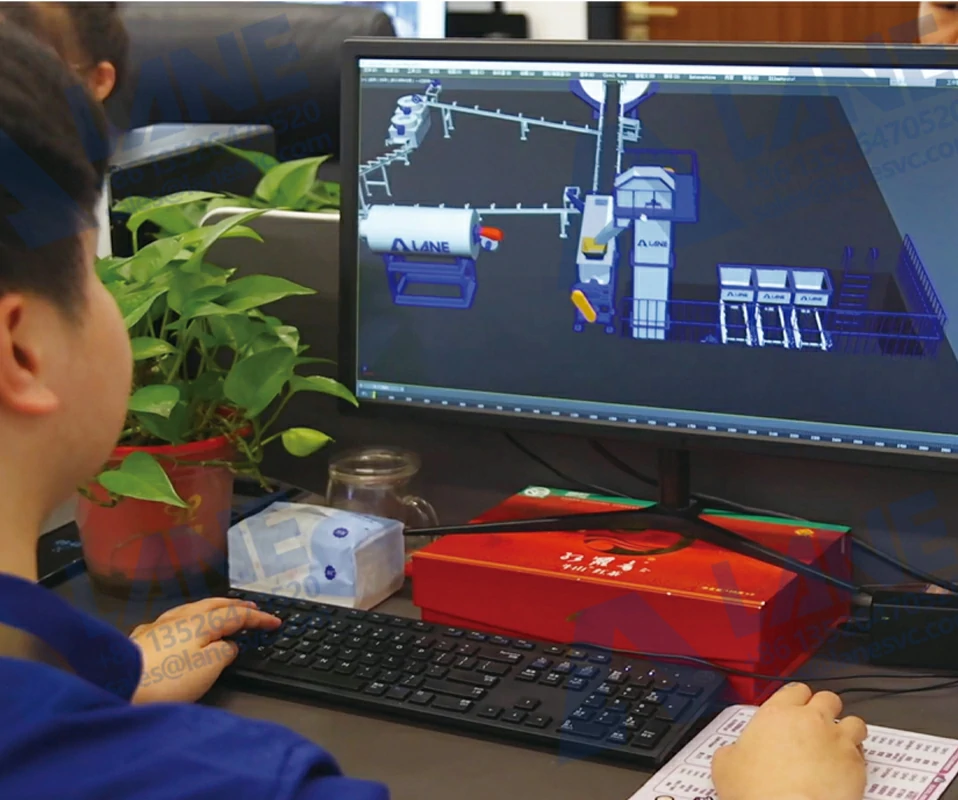
For more details, please feel free to contact us.
Henan Lane Heavy Industry Machinery Technology Co., Ltd.
Email: sales@lanesvc.com
Contact number: +86 13526470520
Whatsapp: +86 13526470520