

Eco-Friendly Biodegradable Cat Litter Market Trends and What It Means for Sustainable Production
Eco-Friendly Biodegradable Cat Litter Market Trends and What It Means for Sustainable Production
Introduction: Why Eco-Friendly Litter Is Leading Market Change
In recent years, eco-friendly biodegradable cat litter market trends have revealed a significant shift toward sustainable pet care products around the world. The global cat litter market continues its dynamic expansion with growing demand for convenience, hygiene, and environmentally responsible alternatives to traditional clay litter. Sales of biodegradable cat litter grew by around 17% in 2023, showing a clear shift in consumer preference toward products that offer both performance and reduced environmental impact.
At the same time, the biodegradable cat litter segment is emerging as a fast-growing niche within the broader natural and eco-friendly litter category, driven by rising environmental awareness and stronger preference for plant-based and compostable solutions.
Recent eco-friendly biodegradable cat litter market trends show that biodegradable products made from corn, wood, and wheat are expanding their share as consumers increasingly prioritize environmental impact and landfill reduction.
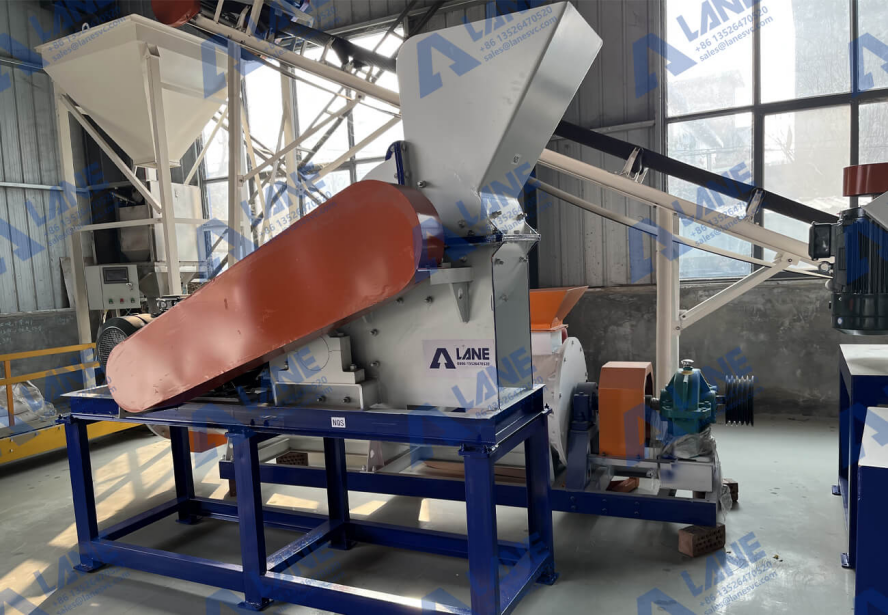
Understanding eco-friendly biodegradable cat litter market trends helps manufacturers, distributors, and investors align their strategies with evolving consumer demands and regulatory landscapes — a crucial step toward sustainable growth in the pet care industry. We can design the scheme according to your specific requirements and manufacture the equipment that best meets your needs and put it into your production process.
1. What Is Eco-Friendly Biodegradable Cat Litter and Why It Matters
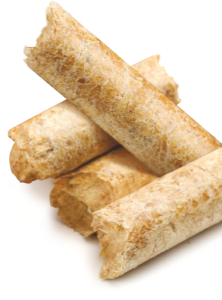
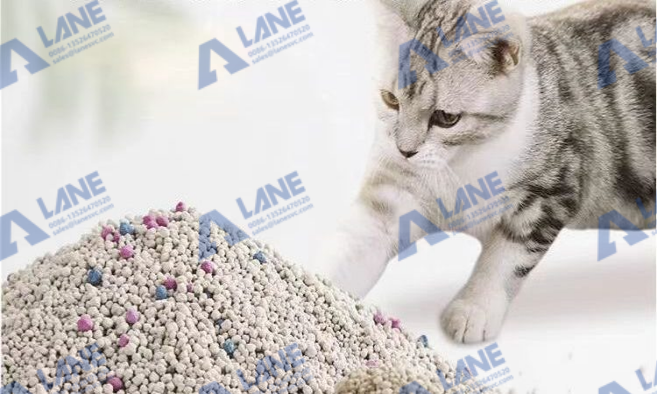
Biodegradable cat litter refers to litter products crafted from naturally occurring or renewable materials that break down more easily in composting environments compared with traditional clay or silica litters. Common raw materials include wood fiber, corn, rice husk, recycled paper, and other plant-based feedstocks.
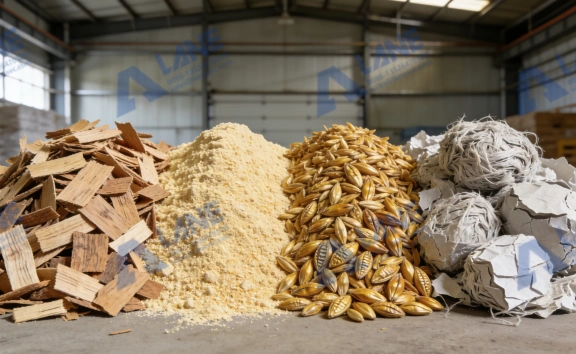
Consumers increasingly choose these products for several reasons:
-
Reduced environmental footprint: Unlike non-biodegradable clay, plant-based litter decomposes more readily after disposal.
-
Non-toxic and low dust: Natural compositions reduce respiratory irritation in pets and owners.
-
Sustainability appeal: Eco-friendly products align with broader lifestyle choices supporting green consumption.
Such attributes make this category attractive, especially among urban pet owners who place a premium on product safety and environmental responsibility.
2. Key Drivers Behind Eco-Friendly Biodegradable Cat Litter Market Trends
Multiple forces are driving the accelerated adoption of eco-friendly biodegradable cat litter in global pet markets:
Growing Environmental Awareness
A large portion of cat owners now prioritize sustainability when choosing litter products. Research shows that around 40% of pet owners cite environmental sustainability as a top purchase factor in 2023, fueling demand for greener litter options.
Shift in Material Preferences
An increasing share of new cat litter products launched in recent years incorporates biodegradable and plant-based materials such as corn, wheat, and wood fibers — responding directly to market demand for alternatives to mined bentonite clay.
Regulatory and Social Pressure
Environmental agencies and consumer groups are advocating for reduced landfill waste and decreased use of non-renewable resources, putting pressure on manufacturers to innovate with biodegradable compositions.
Innovation and Performance Improvements
Modern biodegradable litters are rapidly improving in performance, with better odor control, clumping behavior, and texture compared to earlier generations, making them more competitive with traditional products.
These drivers are influencing not only product offerings but also manufacturing investments into sustainable production lines — signaling strong long-term potential for biodegradable litter production.
3. Market Growth and Forecast: A Broader Perspective
The global biodegradable cat litter market is seeing robust growth — valued at around USD 1.10 billion in 2024, and expected to expand significantly through the next decade as eco-trends take hold.
Another industry forecast projects the global biodegradable cat litters market to reach roughly USD 2.87 billion by 2035, growing at a CAGR of over 9% between 2025 and 2035.
These projections reflect not only stronger demand for sustainable products, but also broader shifts in consumer expectations around pet care products that are safe, natural, and environmentally friendly.
4. Regional Insights: Leading Markets and Growth Hotspots
Regional variations in the adoption of eco-friendly biodegradable cat litter are notable:
-
North America: Leading adoption, driven by high pet ownership rates and strong sustainability awareness.
-
Europe: Close second due to stringent environmental standards and high product quality expectations.
-
Asia-Pacific: Emerging as the fastest-growing region thanks to urbanization, rising incomes, and expanding pet care retail channels.
Data indicates that eco-friendly biodegradable cat litter market trends are particularly strong in North America and Europe, where sustainability initiatives and regulatory support accelerate adoption of plant-based litter products. In many of these markets, online platforms and subscription services are also driving accessibility and convenience for consumers seeking eco-conscious products.
5. Challenges Facing the Biodegradable Cat Litter Segment
Despite strong momentum in eco-friendly biodegradable cat litter market trends, several challenges remain:
Cost Sensitivity
Biodegradable litter products typically cost more than traditional clay-based alternatives, sometimes priced 20–35% higher, which can limit adoption among price-sensitive consumers.
Raw Material Supply Variability
Sourcing consistent and high-quality biodegradable feedstocks such as corn or wood fiber can be affected by seasonal availability and agricultural cycles, complicating production planning.
Consumer Education
Some consumers still prefer well-established clay litters due to familiarity, perceived performance, or price — requiring ongoing education about the benefits of biodegradable alternatives. Retail data shows that eco-friendly biodegradable cat litter market trends are increasingly shaped by e-commerce and specialty pet store growth, with online platforms accounting for around 30% of total cat litter sales and driving higher visibility for sustainable litter options.
These factors highlight why companies investing in environmentally friendly production technologies should also focus on cost optimization, supply chain partnerships, and user education campaigns.
Despite higher production costs, recent eco-friendly biodegradable cat litter market trends reflect a growing willingness among younger consumers to pay premiums for sustainable options, supporting long-term investment in green product lines.
6. Production Implications: Sustainable Manufacturing Strategies
To respond to these trends and challenges, cat litter manufacturers are optimizing production capabilities, including:
✔ Investing in flexible production lines that accommodate diverse feedstocks (wood, corn, rice husk, paper, etc.).
✔ Deploying process controls that enhance pellet consistency, odor control, and low dust performance.
✔ Leveraging automation to improve throughput, reduce waste, and control production costs.
At the heart of these strategies is the need to align production operations with eco-friendly biodegradable cat litter market trends — translating consumer preferences into scalable, high-quality products suited for modern retail channels. Manufacturers responding to eco-friendly biodegradable cat litter market trends are investing in advanced processing technology and automated production lines to balance performance, cost, and environmental sustainability.

7. How Sustainable Production Adds Competitive Value
Manufacturers who adopt sustainable production not only appeal to environmentally conscious consumers but also benefit from:
🌍 Stronger brand positioning — eco-centric products signal quality and responsibility.
📈 Differentiated product portfolios — meeting niche demands while competing with mainstream brands.
📦 Expanded distribution opportunities — retailers increasingly seek green products to fill premium segments.
This aligns with broader industry patterns showing that eco-friendly products tend to generate higher customer loyalty and recurring purchases, especially in developed markets.
Conclusion: Turning Trend Insight into Action
Recent eco-friendly biodegradable cat litter market trends illustrate a clear shift toward sustainability, align with global environmental priorities, and present substantial opportunities for manufacturers willing to innovate.
By understanding these trends — from consumer drivers to regional adoption patterns — businesses can make informed decisions about production investments, product development, and market positioning. Incorporating sustainable production processes not only meets current demand but also prepares companies for future growth in a competitive, eco-aware marketplace. Understanding eco-friendly biodegradable cat litter market trends enables companies to forecast demand more accurately and design production capacity that aligns with both sustainability goals and consumer expectations.
We are LANE, specializing in fertilizer and cat litter equipment for 35 years. We are dedicated to providing one-stop customized services for equipment, with over 120 international project cases and full-process after-sales service, ensuring you the best experience.

For more details, please feel free to contact us.
Henan Lane Heavy Industry Machinery Technology Co., Ltd.
Email: sales@lanesvc.com
Contact number: +86 13526470520
Whatsapp: +86 13526470520