

Custom Cat Litter Line Design for Tofu and Wood Materials: A Tailored Approach to Biomass Cat Litter Production
Custom Cat Litter Line Design for Tofu and Wood Materials: A Tailored Approach to Biomass Cat Litter Production
Introduction — Why a Custom Cat Litter Line Design Matters
In an era where eco-friendly pet products are rapidly gaining market share, the demand for tailored manufacturing solutions has surged. A custom cat litter line design for tofu and wood materials allows producers to build cat litter formulations that capitalize on the biodegradable, low-dust, and sustainable nature of plant-based inputs. Unlike standard mineral litter lines designed for clay alone, bespoke systems accommodate the unique physical traits of tofu residue and wood fiber — such as moisture content, fiber brittleness, and heat sensitivity — to deliver consistent, high-quality output. This type of specialized line not only supports differentiated product features but can also improve production efficiency and reduce long-term costs.
Crafting a custom line involves more than assembling equipment; it requires an integrated view of how raw materials behave, how machines interact, and how workflows are optimized to ensure both product performance and operational stability.
1. Understanding Tofu and Wood Materials in Cat Litter Production
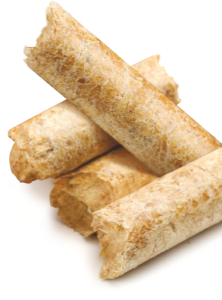
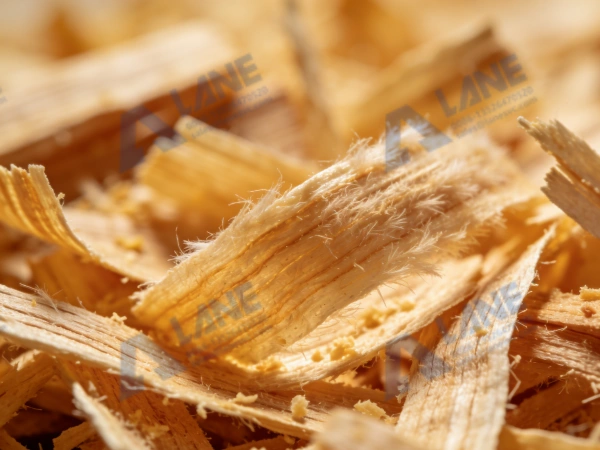
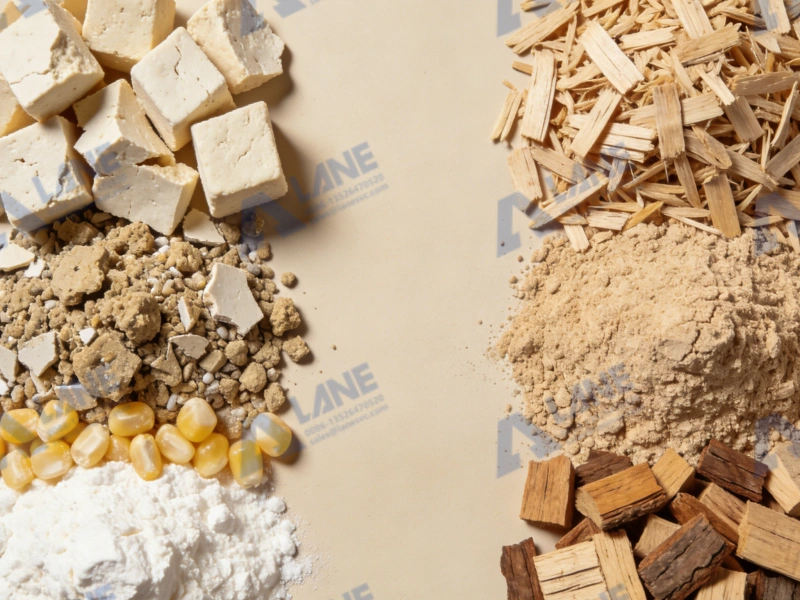
Tofu cat litter typically originates from soybean residue and other plant byproducts, valued for its flushable quality, biodegradability, and strong absorption properties. Comparatively, wood materials — including chips, sawdust, and wood fiber — offer an ultra-lightweight, low-dust alternative with natural odor management. Plant-based litters have emerged as compelling alternatives to traditional clay formulas due to their performance and environmental benefits.
These materials vary significantly in texture and moisture content. Tofu residues are often moist and fibrous, while wood fines may be lighter and more porous — meaning that the custom cat litter line design for tofu and wood materials must be flexible enough to handle both without compromising throughput or product uniformity.
2. Principles of Custom Cat Litter Line Design for Tofu and Wood Materials
Designing a tailored cat litter production line begins with foundational equipment and finishes with an optimized workflow. Key aspects to consider include how raw materials are pre-processed, what granulation or shaping method is selected, and how drying/cooling is controlled.
- Raw Material Handling & Pre-Processing
Since tofu and wood materials differ in hardness and moisture, raw material feeders, conveyors, and pre-mixing systems must be robust and adaptable. For example, heavy fibrous feeds benefit from adjustable screw conveyors and pre-mixing bins that ensure consistent supply into the next stage. Fine particle wood dust, meanwhile, may require controlled negative pressure to prevent buildup and dust hazards during transport. When evaluating a custom cat litter line design for tofu and wood materials, manufacturers should also consider how raw material variability and seasonal feedstock shifts could influence equipment settings and final pellet consistency.
- Granulation & Pellet Formation for Biomass Inputs
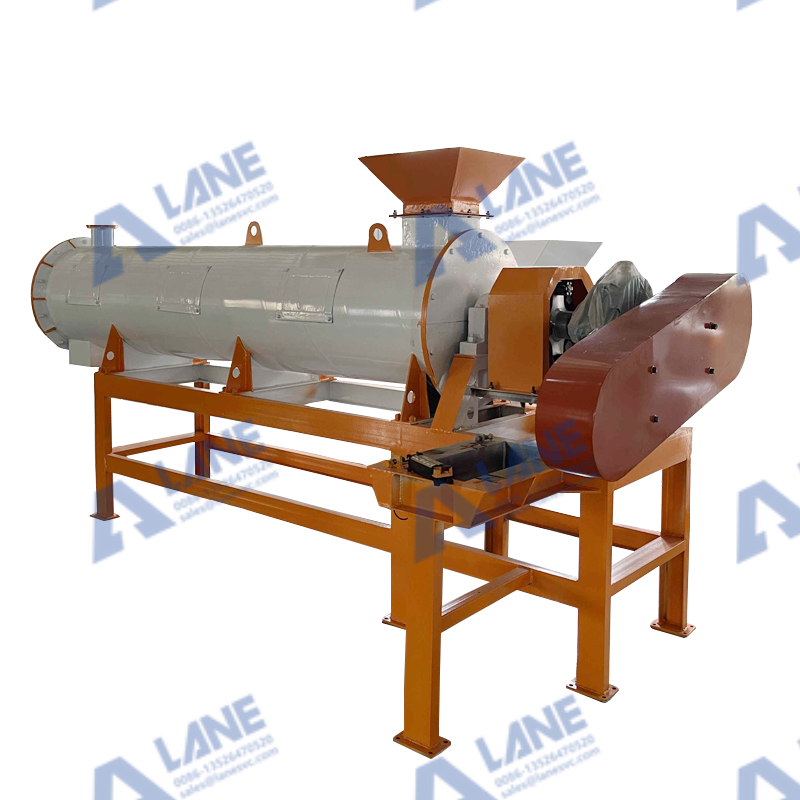
At the heart of any cat litter line is the pelletizer or granulator. For mixed biomass feeds like tofu and wood, machines such as disc granulators or ring die pellet mills — configured with adjustable dies and roller pressure — support stable formation of biomass pellets. High-efficiency granulation not only improves water absorption and clumping attributes but also enhances physical uniformity. Many advanced machines achieve high granulation rates and low dust levels, even with materials that inherently have uneven moisture profiles.
- Drying and Cooling Configuration
Both tofu and wood cat litter benefit from gentle yet thorough moisture removal after pellet formation. Custom drying systems, often comprising rotary drum dryers or mesh belt dryers, allow incremental heat application to protect material integrity. Subsequent cooling sections reduce temperature gradually to prevent pellet deformation and prepare the product for screening and packaging. Balancing heat exposure and cooling time is crucial in a custom cat litter line design for tofu and wood materials — missteps here can lead to brittle pellets or excessive fines.
- Screening & Dust Control Optimization
Once dried and cooled, pellets are screened to sort uniform sizes and eliminate oversized fragments or fines. Screen selection (mesh size and vibration frequency) depends on target product spec. Meanwhile, integrated dust control systems — incorporating cyclones and bag filters — ensure particulate emissions remain low, protecting both personnel and downstream packaging equipment. This kind of design is especially vital in biomass lines, where lighter wood particles are more prone to airborne dispersion. Experienced engineers know that a successful custom cat litter line design for tofu and wood materials must integrate dust capture and screening subsystems that are calibrated specifically for low-density, fibrous biomass streams.
3. Strategic Layouts for Custom Biomass Cat Litter Lines
A thoughtful layout directly influences workflow efficiency and safety. Two common strategies are:
- Modular vs Dedicated Line Design
Modular designs separate core functions — material prep, granulation, drying, screening, packaging — into distinct blocks that can operate semi-independently, making future upgrades or process swaps easier. Dedicated designs, by contrast, focus on high-volume output of specific formulations with tighter process integration.
A well-planned custom cat litter line design for tofu and wood materials often uses modular sections in pilot or multi-product plants, while high-throughput dedicated lines serve mass production needs.
- Scalability for Future Growth
Anticipating production growth at the design stage — for example, by sizing feeders, dryers, and belt conveyors with spare capacity — can save significant retrofitting costs down the line. Properly designed lines accommodate wider pellet size ranges or alternative biomass blends without extensive hardware change. A truly resilient custom cat litter line design for tofu and wood materials not only accommodates current formulations but also anticipates future product innovations, allowing producers to expand plant capacity with minimal disruption.
4. Practical Considerations: Case Insights and Equipment Selection
Consider a mixed biomass project that merges tofu residue with wood fines into an eco-litter blend. Reviewing performance metrics from different line configurations helps stakeholders refine their custom cat litter line design for tofu and wood materials, particularly when balancing throughput and product quality. In practice, such lines use a suite of specialized equipment — from heavy-duty hammer mills for uniform pulverization to advanced pelletizers that maintain consistent granule density — ensuring product attributes meet strict absorption, clumping, and dust control ratings. Such custom configurations are notably documented in mixed cat litter lines that blend tofu, bentonite, and other additives to achieve specific performance targets.
In custom layouts, producers may choose ring die mills for high uniformity or disc granulators for flexible particle size control. Pairing these with tailored drying and dust extraction ensures a cohesive system that supports diverse biomass formulas.
5. Cost & Efficiency Impacts of Custom Design
For many biomass cat litter producers, a flexible custom cat litter line design for tofu and wood materials enables smoother transitions between product lines and reduces the need for costly retrofits when new raw materials are introduced. While custom lines can require higher initial investment than generic clay-only lines, they often yield lower per-unit energy and maintenance costs over time. Efficient pre-processing, precise granulation, and energy-optimized dryers reduce waste and improve yield consistency. Moreover, carefully engineered biomass lines minimize dust abatement costs while enabling premium pricing for eco-centric products.
Producers who plan layouts strategically — sizing machines to peak loads and incorporating energy recovery — typically see lower operating expenses and improved product consistency over the long term, demonstrating the value inherent in a custom cat litter line design for tofu and wood materials.
6. Quality Control in Custom Cat Litter Line Design
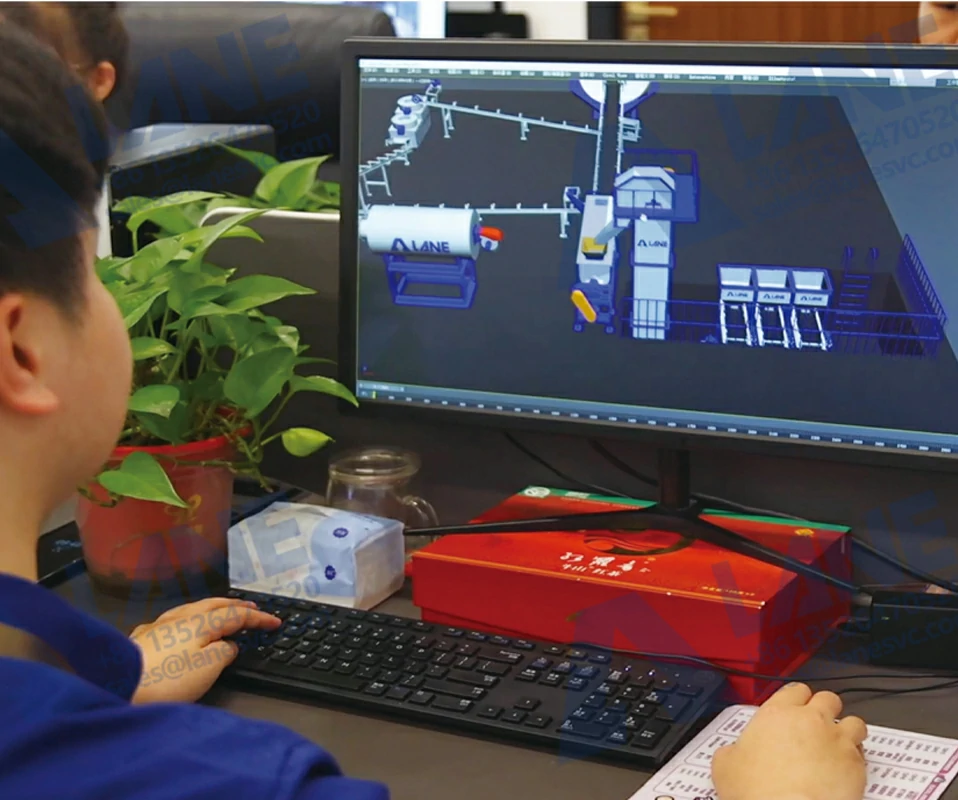
Quality control is embedded throughout a custom biomass litter line. Recording material properties and machine performance metrics enables repeatable production outcomes. Screening systems with high separation accuracy improve consistency, and built-in sensors allow real-time monitoring of moisture, temperature, and belt speed — all essential in maintaining product specifications. Quality feedback loops can even signal upstream adjustments in raw material preparation, enhancing overall yield.
Conclusion — Achieving Optimal Biodegradable Cat Litter Production
To sustain high output consistency, it’s beneficial to update any documentation associated with a custom cat litter line design for tofu and wood materials whenever equipment upgrades or process refinements are implemented. A custom cat litter line design for tofu and wood materials harmonizes the unique physical characteristics of biomass feeds with advanced process engineering. By integrating adaptive material handling, robust granulation technology, precision drying and cooling, and optimized screening and dust control, producers can achieve litter products that satisfy both environmental claims and performance expectations.
As market demand for eco-friendly pet products continues to strengthen, adopting a thoughtful, scalable line design tailored to tofu and wood inputs will unlock new opportunities for differentiation and growth.
For more details, please feel free to contact us.
Henan Lane Heavy Industry Machinery Technology Co., Ltd.
Email: sales@lanesvc.com
Contact number: +86 13526470520
Whatsapp: +86 13526470520