

Crystal Cat Litter Production Line: What Manufacturers Really Need to Know
Crystal Cat Litter Production Line: What Manufacturers Really Need to Know
Crystal cat litter has become a popular product due to its high hygroscopicity, odor control, and generally low dust performance.
A well-designed crystal cat litter production line can not only help you produce high-quality cat litter efficiently, but also ensure consistent quality and meet the expectations of customers in the demanding market.
When planning a crystal cat litter production line, manufacturers must understand how raw materials like high-purity silica gel behave during processing
In this article, we explain the practical issues that manufacturers are most concerned about – from raw materials and work processes to equipment selection and quality control.
By focusing on actual production issues, you will be better prepared to establish, optimize or expand your crystal cat litter manufacturing capacity.
Understanding Raw Materials for Crystal Cat Litter
When planning a crystal cat litter production line, manufacturers must understand how raw materials like high-purity silica gel behave during processing.
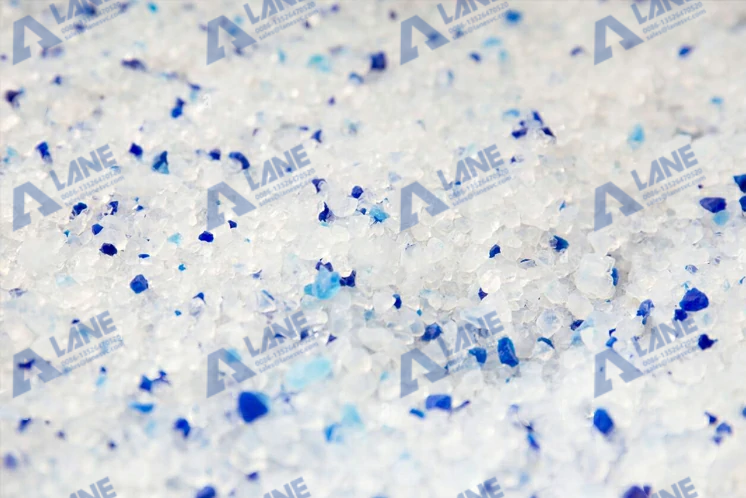
The core raw material for crystal cat litter is high-purity silica gel, typically porous silicon dioxide beads. These beads are valued for their massive internal pore volume, which enables moisture absorption many times their weight.
Silica gel for crystal litter must be carefully screened and prepared before entering the production line. Impurities, irregular particle sizes, or uneven moisture levels can lead to poor product performance later on.
Before planning your production line, test raw materials for: Purity and homogeneity; Moisture content; Particle size distribution.
Early testing helps reduce trial-and-error and supports smoother operations during granulation and drying.
High-quality silica gel preparation is a foundation for a stable crystal cat litter production line, impacting absorbency and final product clarity.
Key Production Stages and Their Challenges
1. Material Preparation and Blending
In a crystal cat litter production line, raw silica gel powder and any optional additives like fragrance or antimicrobial agents must be blended uniformly. Inconsistent mixing leads to:
-
Uneven moisture absorption
-
Irregular particle behavior during drying
-
Variations in final litter performance
LANE uses precision batching systems and mixers to ensure additives and base materials are thoroughly combined before processing.
Ensuring consistent blending results is essential for an efficient crystal cat litter production line, as it directly affects granule uniformity.
2. Granulation and Shaping
Unlike clumping bentonite litter, many crystal litter products rely on granule formation that supports high absorption without clumping. The granulation stage often uses mechanical presses or shaping systems that help form stable microporous beads with the desired texture.
In high-performance production lines:
-
The equipment must control granule size within target ranges (often 2–5 mm)
-
Granules must be dense enough for packing but porous enough for absorption
Choosing the right granulation technology is key to achieving consistent product quality.
3. Drying: Protecting Porosity and Performance
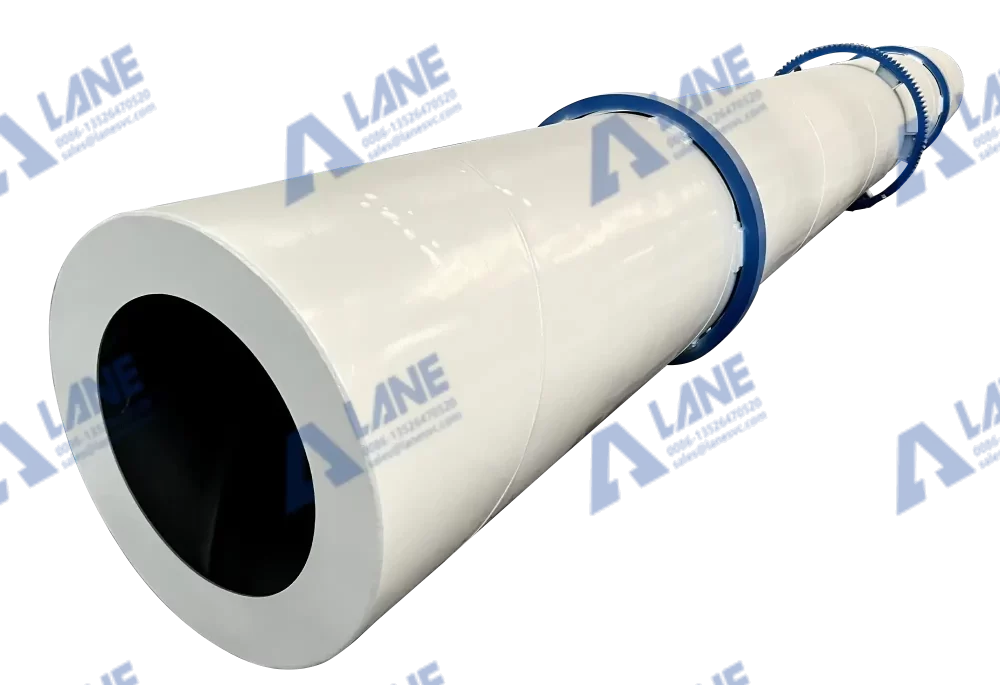
Drying isn’t just about removing moisture — it must protect the delicate pore structure of silica gel granules. Excessive heat can collapse pores, reducing absorption performance, while uneven drying can create brittle particles prone to breakage.
In practice, manufacturers use low-temperature dryers that gently remove moisture while preserving granule structure — this helps maintain high absorption capacity in the finished crystal litter.
4. Screening and Particle Classification
Once dried, the granules must be screened to remove any oversized or undersized material. Proper screening:
-
Improves product uniformity
-
Reduces dust during handling and packaging
-
Enhances user experience in the final product
Screening also recovers material that can be reintroduced into early stages, improving yield and reducing waste.
Equipment Selection: What Matters Most
A crystal cat litter production line hinges on choosing the right equipment. Some of the most critical pieces include:
1.Granulation Equipment
Manufacturers should prioritize granulators that produce uniform, dense granules with minimal fines. While technologies vary, the goal remains consistent: maintain pore integrity while shaping material for downstream drying.
2.Drying and Cooling Systems
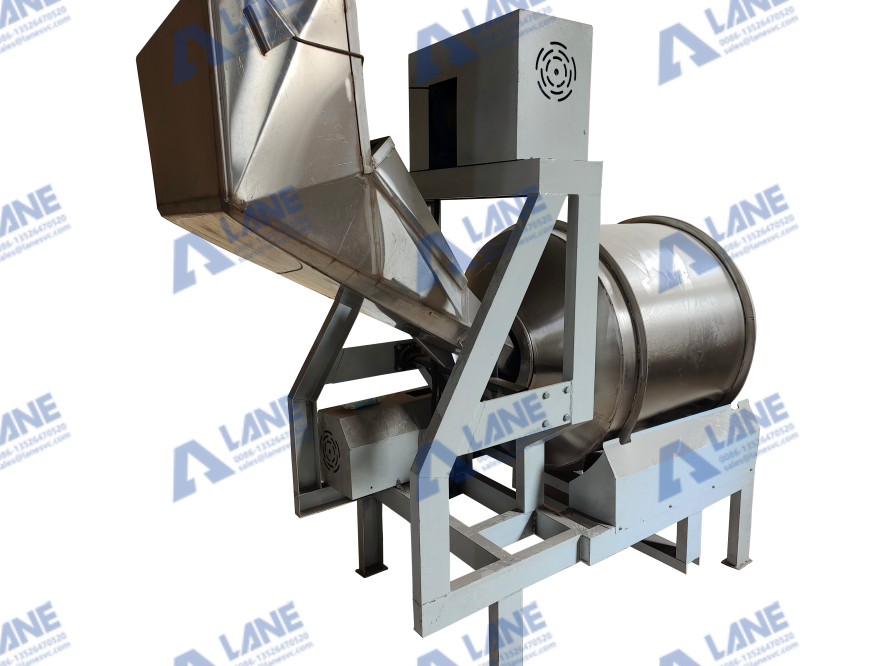
Modern lines often use drum dryers or specialized low-temperature dryers to preserve silica structure. Flexible heat sources and precise temperature control make a difference in both energy use and product quality.
3.Screening Machines
High-efficiency vibrating screens help achieve narrow particle size ranges suited to premium crystal litter standards, reducing complaints and improving shelf appeal.
4.Automated Packaging Lines
Accurate weighing and clean filling help ensure uniform bag weights and minimize dust exposure during packaging. Choosing the right bagging and sealing systems can impact logistics and end customer satisfaction.
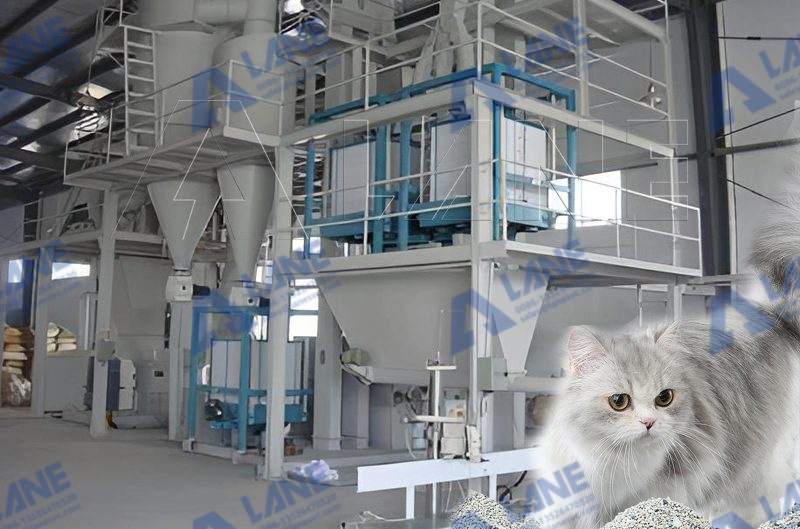
For real equipment examples and solutions tailored to crystal cat litter production, explore the crystal cat litter production line resources on our site, which showcase recommended setups and machine combinations.
Common Production Issues — And How to Solve Them
1.Dust Control
Despite the perception that crystal litter is low dust, poor screening or rough handling can create fine particles that become airborne. Integrating dust capture systems and closed screening loops improves workplace safety and product quality.
2.Moisture Inconsistency
Variations in raw silica gel moisture or uneven drying can lead to:
-
Clumping in packaging
-
Reduced absorption capacity
-
Inconsistent product appearance
Monitoring moisture at each stage helps stabilize output.
3.Particle Breakage
Breakage during transport or packaging not only creates dust but also worsens customer perception. Proper drying, cooling, and gentle conveying solutions help preserve granule integrity.
Quality Control and Testing
To stay competitive, especially in export markets, manufacturers must implement testing at multiple points throughout the production line. Consistent monitoring of:
-
Particle size distribution
-
Moisture content
-
Absorption rate: supports quality claims and helps meet international standards.
A structured approach to quality — including checkpoints after granulation, after drying, and before packaging — ensures finished litter performs as expected in real household use.
Scaling Up: From Pilot to Full Production
Deciding on the right throughput for your crystal cat litter production line depends on market size and business goals.
Smaller startups may begin with pilot units while large-scale operations might invest in lines that handle several tons per hour. Designing a scalable workflow allows gradual expansion without major disruptions.
Cost, Efficiency, and Market Positioning
While building a production line, consider not just equipment costs but:
-
Energy efficiency of dryers and coolers
-
Waste recycling and reuse loops
-
Automation levels that reduce manual labor
A balanced investment approach helps achieve healthy margins and supports product pricing strategies in different markets.
Why choose us?
✅ 200+ successful cases worldwide
✅ 24/7 worry-free after-sales service
✅ Turnkey project commitment
✅Free granulation experiment
✅Technical guidance from overseas engineers

Conclusion
A well-configured crystal cat litter production line is essential for producing high-performance silica gel litter that meets customer expectations for absorption, odor control, and minimal dust. Understanding material behavior, choosing the right equipment, and addressing practical production issues help manufacturers build reliable, scalable operations.
If you are considering investing in or upgrading your crystal cat litter production line, we will be your most loyal and reliable partner.
For more details, please feel free to contact us.
Henan Lane Heavy Industry Machinery Technology Co., Ltd.
Email: sales@lanesvc.com
Contact number: +86 13526470520
Whatsapp: +86 13526470520