

How to Build a 1 T/H Corn Cob and Sawdust Cat Litter Line in Izmir, Turkey

How to Build a 1 T/H Corn Cob and Sawdust Cat Litter Line in Izmir, Turkey
Introduction: Meeting Europe’s Eco‑Litter Demand
With the global cat litter market increasingly shifting toward eco‑friendly, plant‑based alternatives, producers are exploring options that move beyond traditional clay or mineral litters. Biodegradable cat litter made from sustainable biomass such as corn cob and sawdust not only meets consumer sustainability preferences but also aligns with broader environmental trends in Europe where recyclable and biodegradable pet care products are gaining share.
In this context, building a high‑performing cat litter production line tailored to corn cob and sawdust raw materials offers both technical challenges and commercial opportunities. This article explains step by step how to build a 1 T/H corn cob and sawdust cat litter line in Izmir, Turkey — from initial planning and raw material handling to process design and key equipment selection.
1. Why Corn Cob and Sawdust for Cat Litter?
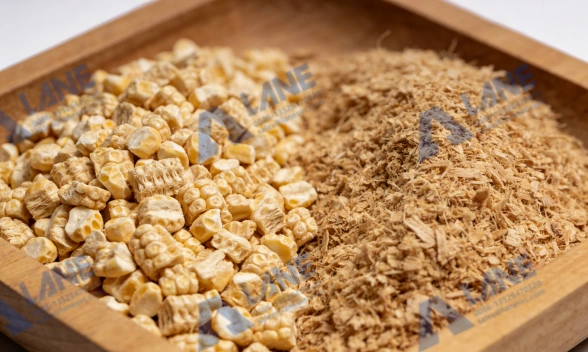
Choosing the right raw materials is the first challenge in constructing any cat litter plant. For plant‑based litter, corn cob and sawdust are both attractive due to their natural absorbency, biodegradability, and low dust emissions. Corn cob material provides a good structural matrix, while sawdust enhances moisture capture and offers a consistent particle structure.
In a 1 T/H corn cob and sawdust cat litter line in Izmir, combining these materials in controlled ratios helps yield litter pellets with desirable properties such as clumping behavior, strong liquid absorption, and reduced dust. This makes the final product more competitive in European markets where consumers increasingly prefer sustainable alternatives.
2. Planning the Production Line Workflow
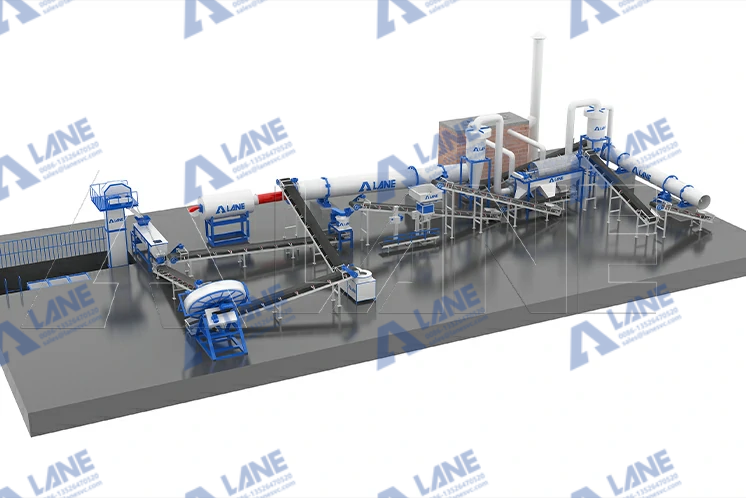
Before equipment selection, it’s important to establish a clear workflow tailored for a 1 T/H corn cob and sawdust cat litter line in Izmir, Turkey. A typical production flow includes:
-
Raw Material Pre‑Processing
Corn cobs and sawdust require elimination of impurities and uniform sizing. Crushers and screens ensure particle dimensions suitable for mixing and pelletizing. -
Material Mixing
Accurate mixing systems blend the corn cob and sawdust with optional binders or performance enhancers (such as pre‑gelatinized starch or guar gum), creating a homogeneous feedstock. -
Pellet Formation
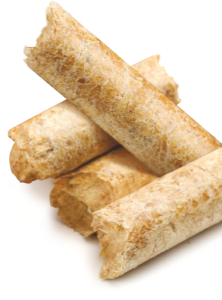
A cat litter granulation step converts the mixed biomass into consistent pellets — typically between 2–6 mm in diameter. Ring die or disc pellet mills are widely used in biomass applications. -
Drying and Conditioning
The newly formed pellets may contain residual moisture. Even for a smaller 1 T/H system, controlled drying ensures pellets reach stable moisture levels suitable for storage and packaging. -
Screening and Dust Control
Vibrating screens separate acceptable pellets from fines. Dust collection systems help maintain cleaner production conditions. -
Packaging
Automatic or semi‑automatic bagging systems prepare the final product for distribution.
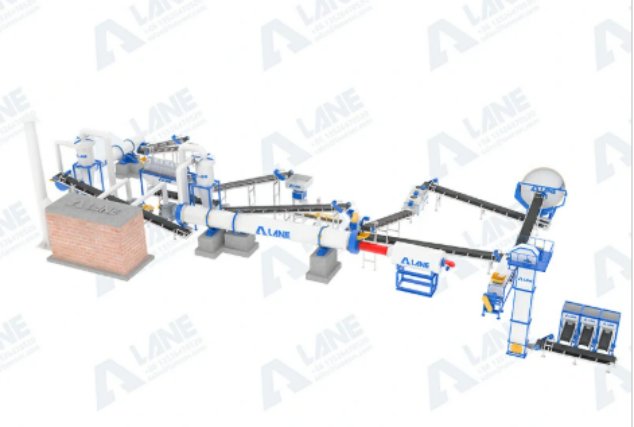
This workflow supports efficient throughput for a 1 T/H corn cob and sawdust cat litter line in Izmir, while ensuring quality consistency.
3. Selecting the Right Production Equipment
Choosing the proper machinery ensures smooth operations and product quality. For a 1 T/H corn cob and sawdust cat litter line in Izmir, typical equipment includes:
-
Raw Material Crushers
Used to size‑reduce corn cob and sawdust before mixing. -
Mixers
High‑efficiency mixers ensure uniform blending of raw materials and additives. -
Pelletizing Machine
Specialized pellet mills (such as a disc or ring die pelletizer) form the biomass into consistent cat litter pellets. -
Drying Equipment
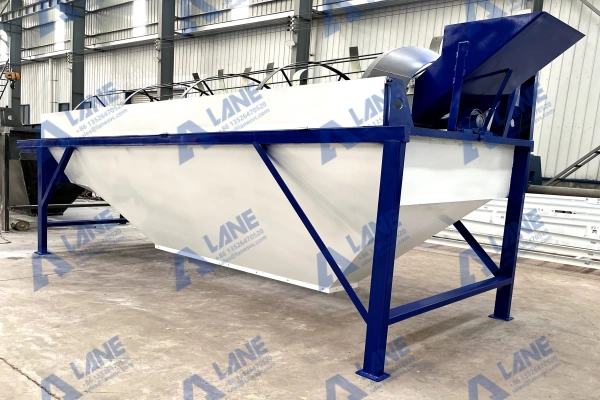
Even modest production requires a way to reduce moisture after pelletizing, often through hot air drying or fluid bed drying systems. The rotary drum dryer has an efficient drying capacity and can remove moisture from the particles. It is an essential product for the cat litter production line. -
Cooling and Screening Units
Cooling ensures pellets maintain integrity, while screening separates qualified products. -
Packaging System
Automatic baggers provide consistent filling and sealing of units ready for retail.
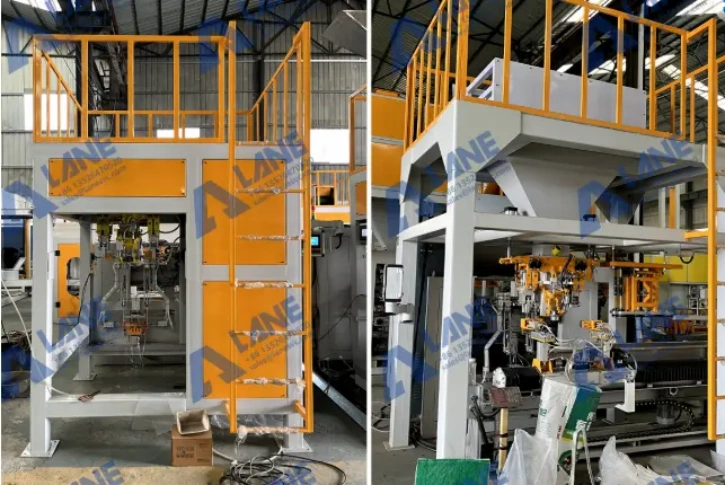
LANE’s range of cat litter production line configurations — including plant fiber solutions for biomass cat litter — can be customized to accommodate specific material blends, capacity targets, and factory layouts.
4. Designing for Izmir’s Local Production Needs
When building a 1 T/H corn cob and sawdust cat litter line in Izmir, local factors must be considered:
-
Raw Material Availability: Izmir’s proximity to agricultural regions makes corn cob accessible, while sawdust from local wood processing industries can reduce logistics costs.
-
Market Demand: European consumers show strong interest in plant‑based and biodegradable cat litter products, aligning with broader sustainable trends.
-
Compliance Requirements: Production must comply with regional safety and environmental guidelines, especially dust and emission controls.
Designing a corn cob and sawdust cat litter line in Izmir requires careful coordination of raw material feeding, mixing, and pellet formation to ensure consistent pellet quality for sustainable litter products. Careful design ensures that the plant not only operates efficiently but also supports sustainable product positioning in regional and export markets.
5. Troubleshooting Common Challenges
During setup and operation of a 1 T/H corn cob and sawdust cat litter line in Izmir, some common challenges include:
-
Inconsistent Pellet Quality: Often due to uneven raw material properties; resolved by improving feedstock preparation and mixing uniformity.
-
Excessive Dust: Managed by implementing effective dust extraction and filtering systems in screening and packaging areas.
-
Moisture Control: Essential for preventing pellet degradation during storage; addressed through appropriate drying and conditioning equipment.
These issues highlight the importance of integrated process design and precise equipment matching.
Conclusion: Building a Sustainable Cat Litter Production System
Constructing a 1 T/H corn cob and sawdust cat litter line in Izmir, involves detailed planning across material selection, process design, equipment selection, and local compliance. By following a systematic workflow — from raw material preparation through pelletization, drying, screening, and packaging — manufacturers can create a high‑quality, plant‑based cat litter product that meets both local consumer preferences and international trends toward environmentally friendly pet care solutions.
With tailored production line designs and proper equipment, such systems can support growing niche markets and help producers differentiate their offerings in an increasingly competitive space.
Overall, a well-designed corn cob and sawdust cat litter line in Izmir offers manufacturers a way to deliver high-performance, eco-friendly cat litter products that meet both local consumer expectations and broader sustainability goals.
For more details, please feel free to contact us.
Henan Lane Heavy Industry Machinery Technology Co., Ltd.
Email: sales@lanesvc.com
Contact number: +86 13526470520
Whatsapp: +86 13526470520