

Common Troubleshooting for Cat Litter Granulator: Practical Fixes & LANE Machinery Solutions
Common Troubleshooting for Cat Litter Granulator: Practical Fixes and LANE Machinery Solutions
In cat litter manufacturing, the granulation step is at the heart of production — it transforms mixed powders into stable, uniform pellets ready for drying and packaging. However, even perfectly matched raw materials and equipment can struggle when the cat litter granulator encounters operational issues.
Understanding common troubleshooting for cat litter granulator problems can save hours of downtime, reduce waste, and improve product quality. Effective common troubleshooting for cat litter granulator not only detects issues faster but also prolongs machine life by minimizing wear on key components such as rollers and bearings.
In this article, we discuss typical granulator challenges, practical fixes, and how LANE Machinery integrates engineering solutions and service expertise to optimize performance across a range of cat litter production lines.
1. When the Granulator Isn’t Producing Fine, Uniform Pellets
One of the most frequent production complaints is that the granulator yields pellets that are uneven in size, shape, or strength — leading to excess dust and inferior clumping performance in the finished cat litter product.
Common Reasons
-
Inconsistent raw material moisture causes weak compaction and pellet collapse. Effective common troubleshooting for cat litter granulator often begins with checking raw material moisture and particle size before granulation, as imbalances here are frequently the root cause of inconsistent pellets and equipment stress.
-
Uneven mixing leaves pockets of high or low binder concentration.
-
Incorrect pressure or speed settings on the granulator.
Practical Solutions
-
Moisture Control: Use precise mixers to ensure moisture is evenly distributed before granulation. LANE Machinery’s mixers allow real-time moisture adjustment to achieve optimal feed conditions.
-
Pre-Screening: Ensure raw material particles are of consistent size before entering the granulator to prevent irregular pellet formation.
-
Pressure Calibration: Fine-tune pressure settings on LANE granulators based on material behavior; this flexible adjustment minimizes breakage and improves uniformity.
By addressing these key variables, many manufacturers see immediate improvement in pellet density and uniformity, reducing one of the most common granular quality issues associated with common troubleshooting for cat litter granulator problems.
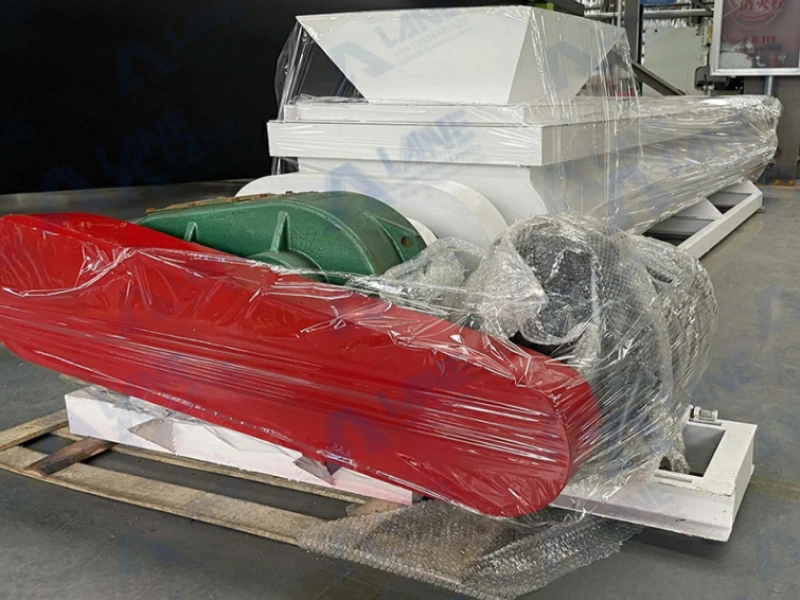
2. Granulator Motor Overheating or Sudden Shutdown
An overheating motor or unexpected machine shutdown halts production and may indicate deeper mechanical stress within the granulator system.
Why It Happens
-
Overloading: Feeding too much raw material at once forces the motor to work beyond its design load.
-
Poor Ventilation: Limited airflow around the machine causes heat buildup.
-
Lack of Lubrication: Dry bearings or gear interfaces increase friction and heat.
How to Resolve It
-
Controlled Feeding: Match feeding rates to the granulator’s specifications rather than pushing excess throughput.
-
Ventilation Systems: Ensure proper airflow around the granulator and motor compartment. LANE designs grant adequate clearance and optional cooling ducts to maintain operating temperature.
-
Scheduled Lubrication: Integrate automatic lubrication systems to keep bearings and moving parts operating smoothly.
These fixes not only resolve immediate problems but also prolong equipment life, addressing one of the core areas in common troubleshooting for cat litter granulator maintenance.
3. Hopper or Feed System Blockage Issues
Feed blockages at the hopper or screw conveyor frequently disrupt granulation, especially when processing high-moisture or fibrous materials.
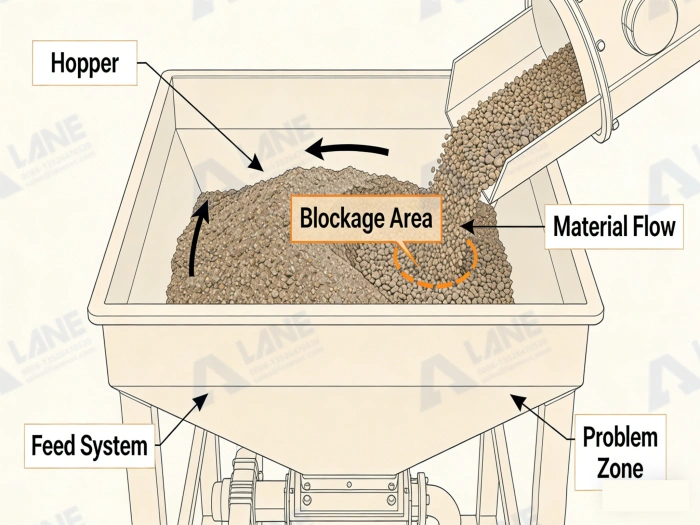
Typical Causes
-
Material Moisture Too High: Sticky raw mixtures adhere to hopper walls or screws.
-
Fibrous Additives: Biomass or tofu litter components can wrap around screws and obstruct flows.
-
Particle Size Mismatch: Oversized chunks skip into the granulator and trigger clogging.
Practical Fixes
-
Stepped Hopper Design: LANE uses sloped hopper walls and anti-bridging ribs to prevent material accumulation.
-
Variable Screw Pitch: Adjustable pitch conveyors handle a range of feed consistencies to maintain steady supply.
-
Pre-Drying: Slightly reducing moisture before feeding minimizes sticking and bridging.
These solutions, built into modern granulator systems and supported by engineering best practices, tackle one of the most persistent entry-level symptoms highlighted in common troubleshooting for cat litter granulator discussions.
4. Excessive Dust Around the Granulator Area
Visible dust not only indicates product loss but also affects workshop air quality and worker safety. Many granulator issues trace back to airborne fines generated during material transfer or pellet breakage.
Dust Sources
-
Poor mixing leads to fines remaining in the blend.
-
Open transfer points allow dust to escape.
-
Inadequate screening sends fine material back through the system.
Solutions That Work
⭐Enclosed Transfer Paths: LANE Machinery designs enclosed ducting to reduce dust emissions and improve housekeeping.
⭐Local Dust Collection: Cyclone or baghouse filters installed near the granulator and feeder capture airborne particles efficiently.
⭐Screening Optimization: Proper screens remove fines early, preventing dust formation during granulation.
Addressing dust in this way resolves a recurring part of common troubleshooting for cat litter granulator issues and improves overall plant cleanliness.
5. Unstable Granulator Pressure or Vibration During Operation
Granulator vibration and unstable pressure are often early warnings of mechanical imbalance or wear.
Common Causes
-
Loose bearings or worn rollers cause imbalance.
-
Misaligned shafts create uneven forces.
-
Worn die plates lead to inconsistent compaction.
Daily Checks & Maintenance
-
Align shafts and check bearings regularly.
-
Replace wear parts before performance drops.
-
Use vibration monitors to catch anomalies early.
Routine checks prevent minor issues from becoming major failures, reducing the need for later troubleshooting.
6. Real-World Solutions from LANE Machinery
Understanding common troubleshooting for cat litter granulator is just the beginning — implementing reliable, engineering-based solutions makes the difference.
How LANE Helps
✅Customized Parameter Optimization: On-site tuning of pressure, speed, and feed settings based on raw material behavior.
✅Anti-Blockage Design: Hopper and feed systems engineered to reduce clogging with high moisture or fibrous materials.
✅Automated Lubrication & Cooling Systems: These features reduce wear and maintain system stability.
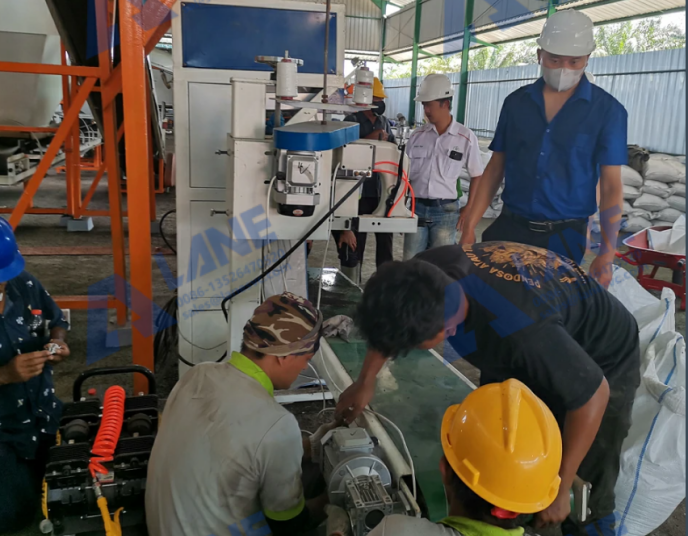
✅Operator Training & Support: LANE provides onsite training and digital guidance to ensure operators recognize warning signs early.
With this integrated approach, customers experience fewer breakdowns and more consistent granulator performance — a strong solution strategy for anyone grappling with common troubleshooting for cat litter granulator challenges.
7. Proactive Maintenance Tips to Prevent Future Issues
The best troubleshooting is prevention. Operators can reduce the frequency of failures with a few practical habits:
1) Create clear operation SOPs for start-up, run, and shutdown.
2) Schedule regular cleaning of hoppers, screws, and screens.
3) Perform routine lubrication of bearings and moving parts.
4) Test raw material moisture and particle size before processing.
Many operators underestimate the value of systematic common troubleshooting for cat litter granulator, but regular checks on feed consistency, moisture control, and motor performance can significantly cut production interruptions. Proactive maintenance not only prevents unplanned downtime but also improves product quality consistency.
8. Smart Troubleshooting Leads to Higher Productivity
The reality is that many issues commonly attributed to equipment failure aren’t machine faults at all — they are the result of material behavior, setup parameters, or operational practices. Understanding common troubleshooting for cat litter granulator and applying systematic fixes can significantly improve pellet quality, reduce waste and dust, and boost overall production efficiency.
By combining robust equipment with engineering insight and routine maintenance, manufacturers can turn troubleshooting from a stress point into a competitive advantage. Partnering with experienced suppliers like LANE Machinery ensures that you have both the technical tools and process expertise to keep your cat litter granulator performing at its best.
For more details, please feel free to contact us.
Henan Lane Heavy Industry Machinery Technology Co., Ltd.
Email: sales@lanesvc.com
Contact number: +86 13526470520
Whatsapp: +86 13526470520