

Common Cat Litter Equipment Issues and Maintenance Methods: A Practical Guide to Stable Production Lines
Common Cat Litter Equipment Issues and Maintenance Methods: A Practical Guide to Stable Production Lines
For cat litter manufacturers, production stability directly affects product quality, delivery schedules, and overall profitability.
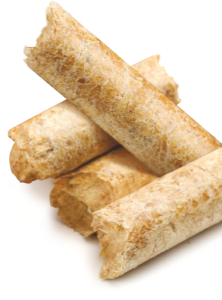
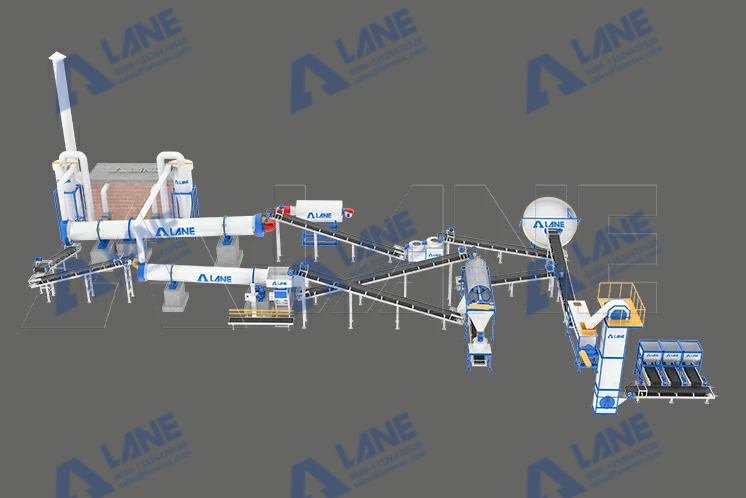
In a typical production line, multiple machines must operate continuously, including crushers, mixers, granulators, dryers, screening machines, and packaging systems. Each stage influences the final quality of cat litter pellets, from particle size uniformity to moisture content.
When any equipment fails or operates inefficiently, the entire production line may experience downtime or product defects.
This is why understanding Common Cat Litter Equipment Issues and Maintenance Methods is essential for maintaining long-term production efficiency.
Understanding Common Cat Litter Equipment Issues and Maintenance Methods helps manufacturers identify production risks early and maintain stable operation of the entire cat litter production line.
1. Common Problems in Cat Litter Production Equipment
Even well-designed production lines may encounter technical issues during continuous operation. The most common equipment problems usually appear in several key areas.
✦ Granulation Problems
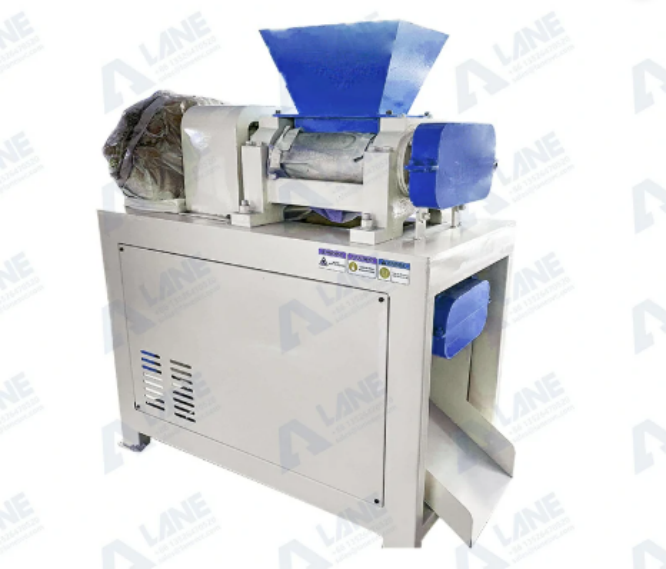
Granulators are one of the most critical machines in cat litter manufacturing.
Typical issues include:
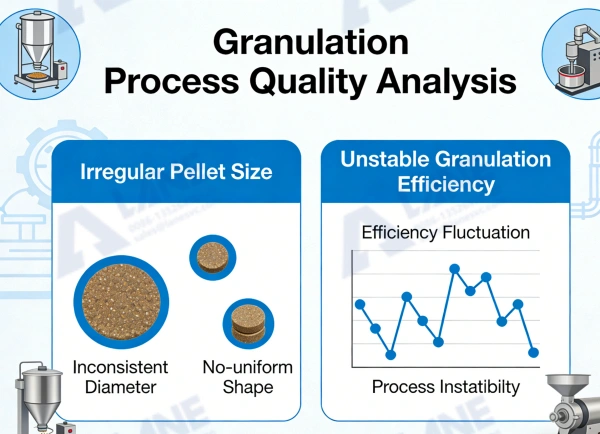
🔸Irregular pellet size
🔸Weak or easily broken pellets
🔸Unstable granulation efficiency
These problems are often caused by inconsistent raw material moisture, improper binder ratios, or incorrect equipment settings.
Proper mixing and moisture control are essential to maintain stable pellet formation. In many factories, irregular pellet size or unstable granulation efficiency is one of the most typical Common Cat Litter Equipment Issues and Maintenance Methods discussed by engineers and operators.
✦ Excessive Dust in Final Products
Dust is one of the most common quality complaints in cat litter products.
Possible causes include:
- Incomplete granulation
- Poor screening efficiency
- Material abrasion during conveying
Optimizing screening systems and improving granulation consistency can significantly reduce dust generation. Excessive dust in finished products is another example often mentioned when analyzing Common Cat Litter Equipment Issues and Maintenance Methods in industrial cat litter manufacturing.
✦ Pellet Softness or Breakage
Another common issue in cat litter production is pellets becoming too soft or breaking during handling.
This problem may result from:
- insufficient mixing
- inadequate binder dosage
- improper drying conditions
Weak pellets can break during packaging or transportation, reducing product quality and customer satisfaction. Solving pellet softness or breakage requires careful control of mixing quality, granulation pressure, and drying conditions, which are key aspects of Common Cat Litter Equipment Issues and Maintenance Methods.
✦ Production Bottlenecks and Low Output
Sometimes factories experience low productivity even when using modern equipment.
Typical causes include:
- capacity mismatch between machines
- inefficient drying systems
- slow packaging operations
Balancing equipment capacity across the entire production line is essential to maintain efficient operation.
2. Maintenance Methods for Key Cat Litter Equipment
Establishing a routine inspection plan is one of the most practical Common Cat Litter Equipment Issues and Maintenance Methods for preventing unexpected production downtime. Understanding Common Cat Litter Equipment Issues and Maintenance Methods allows manufacturers to prevent unexpected downtime.
Below are several practical maintenance strategies.
🌱 Granulator Maintenance
The granulator is the core machine in most cat litter production lines.
Regular maintenance includes:
♡ checking roller pressure and disc angle
♡ inspecting wear parts
♡ ensuring stable lubrication of bearings
♡ cleaning material buildup
Routine inspection helps maintain stable pellet quality and extend equipment lifespan.
🌿 Mixer Maintenance
Mixers play a crucial role in ensuring uniform raw material blending.
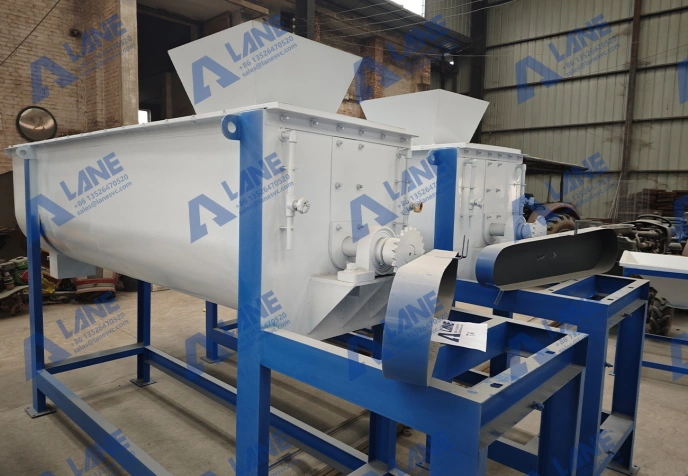
For equipment such as Horizontal Mixers or Twin Shaft Mixers, maintenance typically involves:
♡ checking paddle wear
♡ inspecting motor and transmission systems
♡ ensuring consistent material feeding
Proper mixing prevents uneven pellet formation during granulation. Regular inspection of mixer blades, motors, and transmission systems is an important part of Common Cat Litter Equipment Issues and Maintenance Methods to ensure uniform raw material blending.
🌼 Dryer Maintenance
Dryers are often the largest energy-consuming machines in cat litter factories.
Maintenance practices include:
♡ checking airflow and burner systems
♡ cleaning internal dust accumulation
♡ monitoring outlet moisture levels
Proper dryer maintenance ensures pellets achieve the correct hardness and moisture balance.
🌸 Screening and Packaging Equipment Maintenance
Screening and packaging systems also require regular inspection.
Key maintenance points include:
♡ checking screen mesh condition
♡ ensuring vibration motors operate smoothly
♡ calibrating automatic packaging scales
Efficient screening improves product consistency and reduces dust levels. Efficient screening and dust control systems also play a critical role in Common Cat Litter Equipment Issues and Maintenance Methods, helping maintain consistent particle size and product quality.
3. Preventive Maintenance Strategies for Production Lines
Instead of waiting for equipment failures, many manufacturers now implement preventive maintenance strategies.
Important practices include:
✦ Regular Equipment Inspection
Routine inspection helps detect early signs of wear, corrosion, or vibration problems.
✦ Lubrication and Component Replacement
Lubrication of moving parts such as bearings, gears, and transmission systems is essential for stable equipment operation.
✦ Operator Training
Proper operator training ensures that machines are used correctly and reduces the risk of human-caused equipment failures.
4. LANE’s Engineering Philosophy for Reliable Cat Litter Production
At LANE, we believe that reliable equipment design is the foundation of stable production.
Our engineering philosophy focuses on:
🌟 Durable Equipment Design
LANE equipment uses wear-resistant materials and optimized structural designs to reduce long-term maintenance requirements.
🌟 Integrated Production Line Solutions
We integrate key machines including:
-
Horizontal mixers
-
Twin shaft mixers
-
Disc granulators
-
Rotary dryers
-
Screening systems
-
Automatic packing machines
This integrated approach reduces operational complexity and improves production efficiency.
🌟 Long-Term Technical Support
LANE also provides:
-
installation guidance
-
operator training
-
spare parts supply
-
production optimization services
These services help manufacturers maintain stable production and reduce unexpected equipment downtime.
5. Conclusion
Stable equipment operation is essential for maintaining product quality and production efficiency in cat litter manufacturing. By implementing effective Common Cat Litter Equipment Issues and Maintenance Methods, manufacturers can significantly reduce downtime, improve product consistency, and extend equipment service life.
By understanding Common Cat Litter Equipment Issues and Maintenance Methods, manufacturers can identify problems early and implement effective maintenance strategies.
With proper equipment design, preventive maintenance, and professional technical support, cat litter factories can achieve long-term stable production and consistent product quality.
For more details, please feel free to contact us.
Henan Lane Heavy Industry Machinery Technology Co., Ltd.
Email: sales@lanesvc.com
Contact number: +86 13526470520
Whatsapp: +86 13526470520