

Clay Cat Litter Production Process Steps VS Tofu Cat Litter Manufacturing Workflow: A Detailed Comparison for Manufacturing Planning
Clay Cat Litter Production Process Steps VS Tofu Cat Litter Manufacturing Workflow: A Detailed Comparison for Manufacturing Planning
Introduction
In the rapidly evolving pet product manufacturing sector, understanding the nuances of clay cat litter production process steps vs tofu cat litter manufacturing workflow is crucial for any company pursuing excellence in cat litter output, quality control, and brand competitiveness.
While both clay and tofu cat litter aim to deliver strong absorbency and easy cleaning, their production logics, raw material behaviours, and equipment configurations diverge significantly. Understanding the differences between clay cat litter production process steps vs tofu cat litter manufacturing workflow is essential for aligning production strategy with specific market positioning and product performance objectives.
Clay cat litter production workflows are rooted in mineral processing and long‑established industrial practice, whereas tofu cat litter manufacturing workflows lean toward plant‑based material handling and biodegradable product design. Grasping these differences not only aids in selecting appropriate machinery but also aligns production with targeted market segments and sustainability goals. When comparing clay cat litter production process steps vs tofu cat litter manufacturing workflow, manufacturers can better understand how differences in raw material behavior directly influence production outcomes.
Raw Material Essentials: Clay vs Plant‑Based Inputs
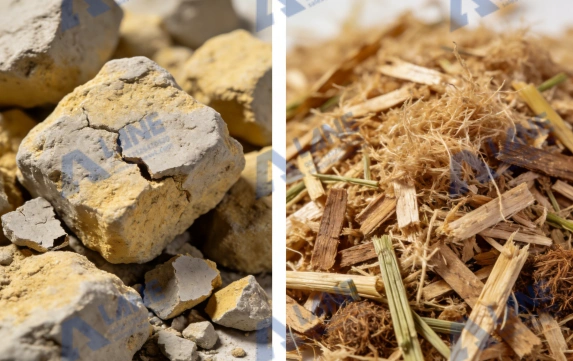
At the core of the comparison between clay cat litter production process steps vs tofu cat litter manufacturing workflow lies the nature of the feedstock. In clay cat litter production, bentonite clay — especially sodium bentonite — is the benchmark raw material due to its high swelling capacity and strong clumping properties. Typical clay production lines treat bentonite first by crushing to manageable sizes, then grinding into fine powder, and finally blending with performance additives such as odor‑control composites.
Conversely, tofu cat litter begins with organic leftovers like soybean residue (okara) or other agricultural by‑products, which are first dried to appropriate moisture levels and then finely ground. These plant‑derived inputs require careful dewatering and screening, ensuring consistent characteristics before entering blending and pellet formation stages of the tofu cat litter manufacturing workflow.
The contrasting raw material traits dictate distinct processing paths: mineral‑based clay demands heavy drying and pulverization, while plant based materials need moisture balancing and binder integration early in the process. In practice, comparing clay cat litter production process steps vs tofu cat litter manufacturing workflow highlights that the transition from mineral‑based processing to plant‑derived forming requires not only adjusted machines but also a different approach to raw material handling and energy management.
Grinding, Mixing and Moisture Conditioning
The success of both production systems hinges on how raw ingredients are prepared for shaping.
In the clay cat litter production process steps, the clay feedstock is milled to achieve a consistent powder that enhances the litter’s ability to clump upon contact with liquid. This finely milled clay is then blended with additional components such as baking soda, activated carbon, or natural fragrances to refine odor control and user experience.
For the tofu cat litter manufacturing workflow, moisture conditioning and mixing go hand in hand with particle size control. After dehydrating high‑moisture tofu residue, it is mixed with binders (like guar gum or starch) and optional odor masking ingredients. Uniform moisture levels throughout the batch help ensure that the plant‑based feedstock behaves predictably during pelletizing.
Because of these different material behaviours, mixers and conditioning units in clay workflows focus on mineral dispersion, whereas tofu lines emphasise moisture equilibrium and binder distribution.
Pellet Formation: Shaping and Structural Integrity
Pelletizing marks the transformation of prepared material into the final product form, and it is a crucial stage in any discussion of clay cat litter production process steps vs tofu cat litter manufacturing workflow.
In clay cat litter lines, granulators or extrusion systems form mineral powder into pellets with precise diameters — typically around 2–6 mm — which balance absorbency and ease of scooping. The mechanical action of disc or roller granulators compresses the material so that each pellet achieves uniform density and strength.
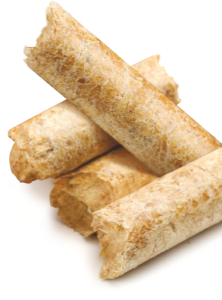
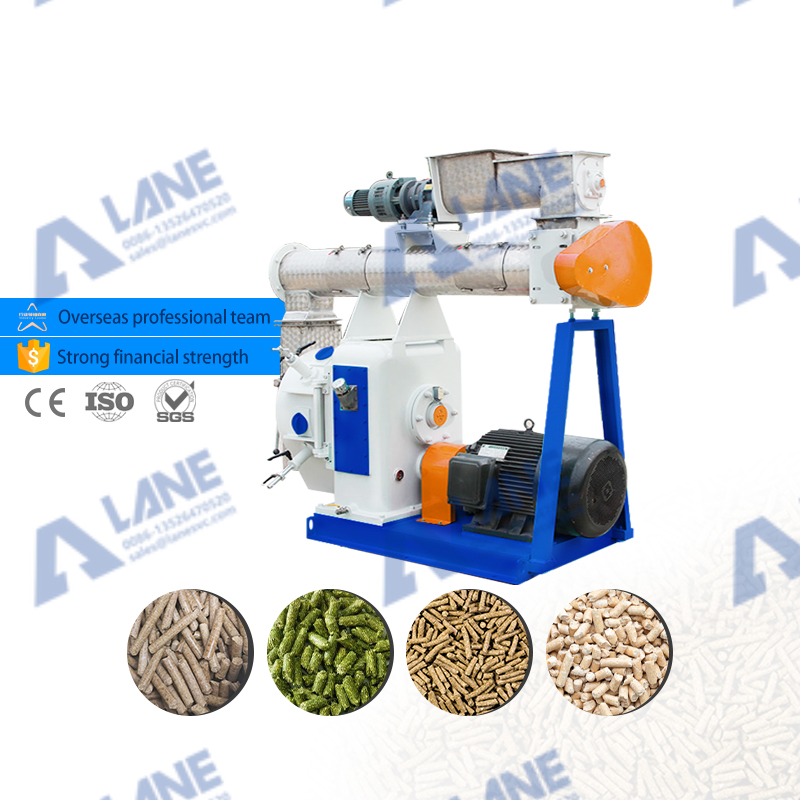
On the other hand, tofu cat litter manufacturing generally uses pellet mills with conditioners that gently form plant‑based material into granules without overheating the feedstock. In such workflows, binder properties and moisture content significantly influence structural integrity and dust performance of the finished tofu litter pellets.
The choice of pellet forming equipment and parameters in each workflow must reflect the material’s response to pressure, shear force, and thermal conditions, ultimately affecting product hardness, clumping efficiency, and breakage resistance. When decision‑makers evaluate clay cat litter production process steps vs tofu cat litter manufacturing workflow, they can identify where automation and process optimization — such as moisture control or pellet shaping — will yield the greatest improvement in consistency and output quality.
Drying, Cooling and Stability Control
Once pellets are formed, reducing moisture to a stable level is a shared requirement across both clay cat litter production process steps vs tofu cat litter manufacturing workflow. Yet the approaches differ due to material sensitivity and structural needs.
Clay pellets typically enter drying systems — such as rotary dryers or fluidized bed units — where heat is applied evenly to remove residual moisture without causing pellet surface degradation. By lowering moisture below critical thresholds (often <10 %), the pellets become stable for storage and packaging.
Tofu pellets follow a similar logic but demand more careful temperature control because plant‑based binders may degrade under high heat. After drying, a cooling stage — often via counterflow coolers — reduces the pellet temperature to ambient levels, aiding in moisture stabilization and hardening before screening.
Across both workflows, maintaining drying and cooling consistency minimizes variation in product performance and maximizes batch uniformity.
Screening and Quality Assurance
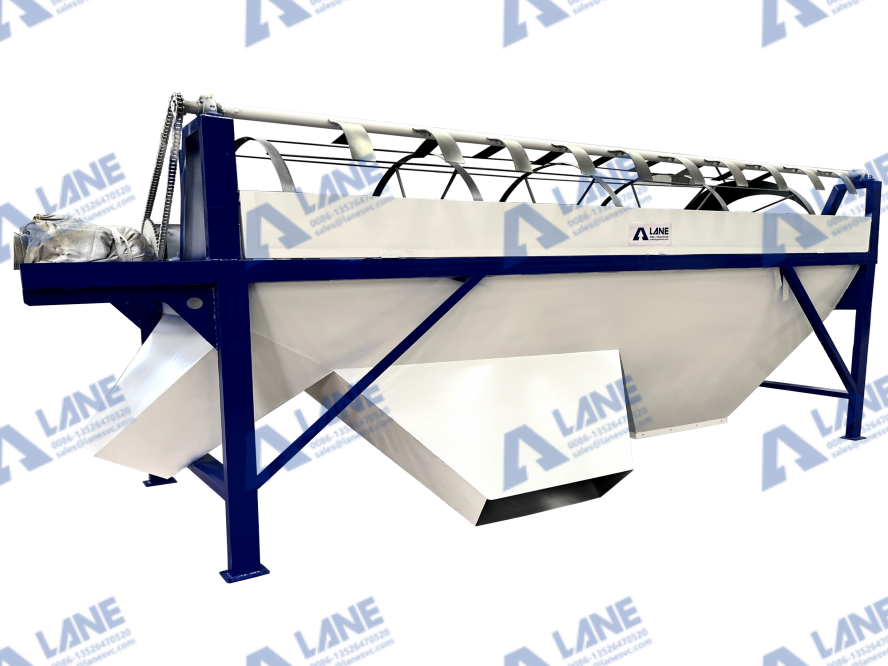
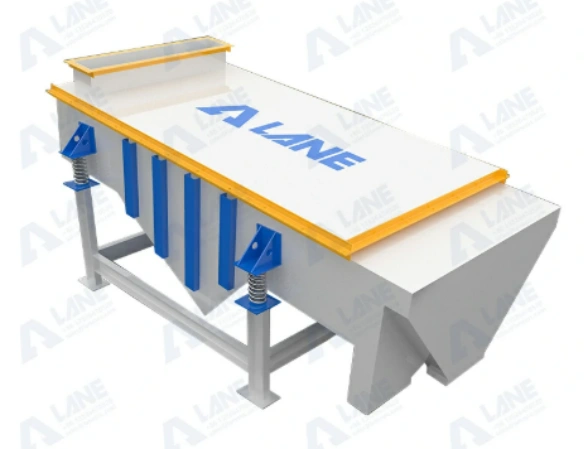
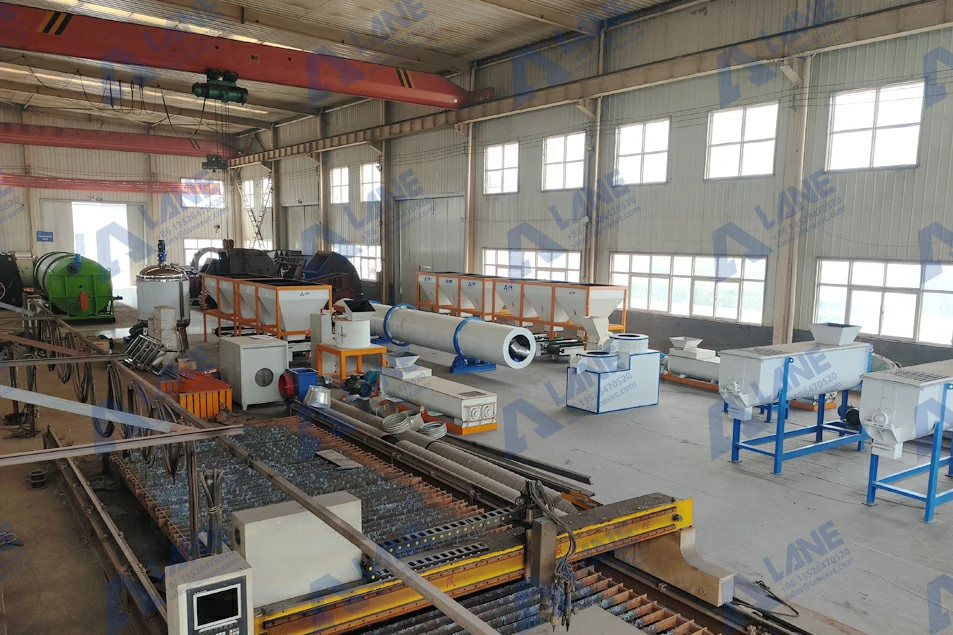
After drying and cooling, both clay and tofu cat litter lines implement screening to sort particles according to precise size specifications. This step ensures that only pellets within target ranges proceed to packaging while undersized or oversized granules recycle back into production for reprocessing.
In a comprehensive comparison of clay cat litter production process steps vs tofu cat litter manufacturing workflow, quality checks also extend to dust control metrics, moisture content tests, and clumping performance assessments. For clay cat litter, dust control systems — including cyclones and bag filters — help retain workshop cleanliness and end‑product safety. Tofu lines, given their organic material basis, emphasize thorough dust capture and pellet surface finish to meet both safety and eco‑friendly benchmarks.
Packaging: Delivery‑Ready Output
The final stage unifying any production strategy is packaging. Automated weighing, bagging, sealing, and labeling machines ensure that finished cat litter products meet market specifications and preserve product integrity during storage and transit. Packaging for clay cat litter often incorporates moisture barriers and anti‑dust features to sustain performance, whereas tofu cat litter packaging may emphasize biodegradable or recyclable materials in alignment with product positioning.
Strategic Perspectives: Workflow Choice Impacts
When makers consider clay cat litter production process steps vs tofu cat litter manufacturing workflow, the choice frequently reflects broader commercial strategy rather than mere process preference. Clay cat litter workflows tend to favor high‑throughput, industrial consistency, strong clumping mechanics, and established market demand. Meanwhile, tofu cat litter workflows resonate with eco‑conscious consumers who prioritize biodegradability and flushability without sacrificing key performance traits.
From a production planning standpoint, clay workflows require robust raw material handling and high‑capacity milling/granulation equipment, while tofu workflows demand sensitive moisture and binder control systems. Both paths benefit from integrated automation, real‑time monitoring, and quality assurance systems that uphold product stability and production efficiency. By examining clay cat litter production process steps vs tofu cat litter manufacturing workflow, decision‑makers can more accurately plan capacity requirements and optimize equipment investment based on material characteristics.
Conclusion
A clear grasp of clay cat litter production process steps vs tofu cat litter manufacturing workflow enables production planners to tailor equipment and operational parameters based on specific raw material behaviours and end‑product expectations. Evaluating clay cat litter production process steps vs tofu cat litter manufacturing workflow reveals that while both share the fundamental stages of raw material preparation, mixing, forming, drying, screening, and packaging, the intrinsic differences in raw material behaviour and performance objectives shape each workflow’s technical design and required machinery. Analyzing clay cat litter production process steps vs tofu cat litter manufacturing workflow reveals that clay‑based production lines typically emphasize mineral refinement and clumping strength, whereas tofu‑based workflows focus on moisture balance and natural pellet formation.
Clay cat litter workflows prioritize mineral‑based processing and structural clumping properties, whereas tofu cat litter manufacturing workflows emphasize plant‑based material handling, moisture balance, and biodegradability. For manufacturers aiming to succeed in diverse market segments, a thorough assessment of clay cat litter production process steps vs tofu cat litter manufacturing workflow serves as a foundational element in establishing a robust production roadmap.
Choosing the right workflow — and the right set of production line equipment — is a key determinant in delivering consistent product quality and competitive advantage in the dynamic pet care market.
LANE has always been dedicated to serving customers wholeheartedly. Our one-stop solution will help your business soar to new heights. You are always welcome to consult us. We will customize the best solution for you.
For more details, please feel free to contact us.
Henan Lane Heavy Industry Machinery Technology Co., Ltd.
Email: sales@lanesvc.com
Contact number: +86 13526470520
Whatsapp: +86 13526470520