

Clay Cat Litter Production Line Cost Efficiency vs Quality Performance: Balancing Investment and Product Output
Clay Cat Litter Production Line Cost Efficiency vs Quality Performance: Balancing Investment and Product Output
Introduction
In the rapidly expanding cat litter market, manufacturers face a perennial challenge: weighing clay cat litter production line cost efficiency vs quality performance when designing or upgrading their production systems. With global cat litter demand growing steadily — driven by larger pet populations and higher consumer expectations for clumping, odor control, and low dust — it’s no longer sufficient to simply minimize expenditure. Producers must find the sweet spot where investment delivers both economic return and consistent product quality. In real world operations, many brands find that regularly reviewing clay cat litter production line cost efficiency vs quality performance enables them to refine their process parameters, reducing unit cost without compromising clumping behavior or customer satisfaction.
This article breaks down the cost structures and performance determinants in bentonite clay cat litter production and provides practical insights to help brands align their production strategy with long-term profitability.
1. Understanding Cost Efficiency in Cat Litter Production
When considering clay cat litter production line cost efficiency vs quality performance, the first step is identifying the key cost components that influence investment and operating expenses. Production cost isn’t limited to equipment purchase price — it extends across the entire life cycle of the plant, including energy consumption, labor, material costs, and waste management. When manufacturers evaluate clay cat litter production line cost efficiency vs quality performance, they often find that slightly higher initial investment in advanced drying and sifting systems yields superior product consistency and lower operating cost over time.
1.1 Equipment Investment
Equipment acquisition represents one of the most significant portions of initial capital cost. Basic clay cat litter setups with essential mixers, granulators, and dryers can start from moderate price brackets, while fully automatic production lines with integrated packaging and dust control systems demand higher upfront investment. According to equipment cost estimates, production lines can range from tens of thousands to several hundred thousand US dollars depending on capacity and automation level.
-
Compact or semi-automatic machines are typically more cost-effective initially.
-
Industrial automated systems deliver improved efficiency but have higher capital requirements.
-
Turnkey solutions offer comprehensive system integration but require greater financial planning.
1.2 Operational Costs and Material Expenses
Raw materials — especially bentonite clay — and processing consumables form another major slice of production costs. For bentonite cat litter, raw material pricing can vary widely based on purity and logistics. Operational energy use, particularly for drying and granulation, also adds to ongoing expenses.
Other operational costs include labor, maintenance, and environmental control systems. Although automated lines reduce labor input over time, maintenance schedules and spare parts must be factored into annual budgets.
A thorough understanding of clay cat litter production line cost efficiency vs quality performance helps producers choose the optimal balance between affordable equipment and the capacity to deliver uniform clumping behavior, especially in competitive retail environments.
2. What Quality Performance Means in Cat Litter Production
While managing costs is crucial, understanding what constitutes quality performance ensures that efforts to reduce spending don’t compromise the end product’s market competitiveness. Discussions around clay cat litter production line cost efficiency vs quality performance frequently emphasize that cutting corners on key components such as dust control or moisture management often undermines long-term brand value and customer satisfaction.
2.1 Clumping Strength and Absorbency
In clay cat litter products, customers primarily judge quality based on clumping behavior and absorbency. A production line that consistently produces uniform granules with high absorbency will yield better consumer satisfaction, which translates into stronger brand loyalty and repeat purchases.
2.2 Dust Control
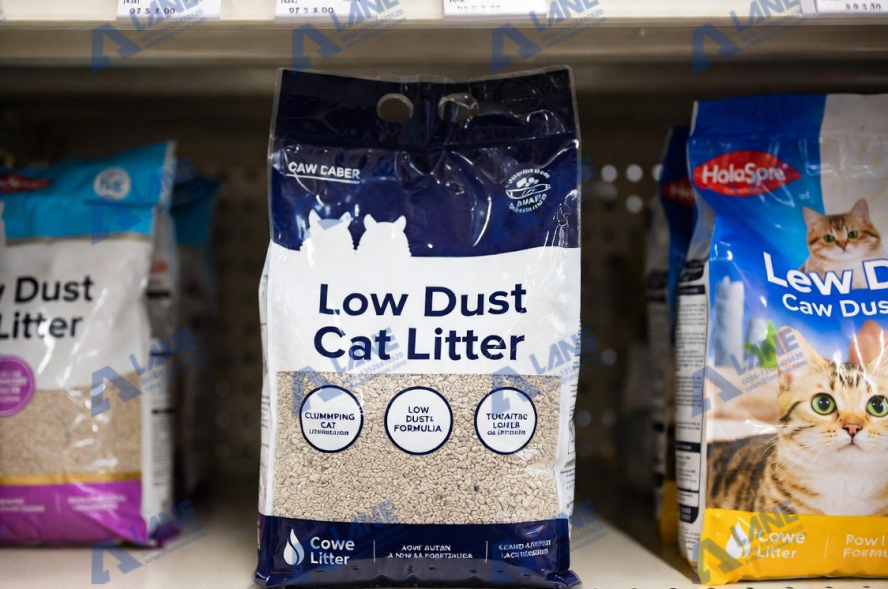
Dust performance strongly influences both workplace conditions and end-user experience. Excessive dust not only poses environmental and health concerns during production but also detracts from the perceived quality of the finished litter. Optimized production lines often include dust capture and filtration systems to meet rising consumer expectations for cleaner products.
2.3 Packaging Quality and Product Consistency
Quality performance also spans packaging standards and consistency across batches. Proper sealing, labeling, and bag durability help products withstand distribution and storage without degradation, thus supporting quality claims at retail.
Strategic investment decisions hinge on a clear evaluation of clay cat litter production line cost efficiency vs quality performance, ensuring that equipment capable of generating high-quality pellets also contributes to streamlined workflows and reduced waste.
3. Direct Trade-Offs: Cost Efficiency vs Quality Performance
The central question behind clay cat litter production line cost efficiency vs quality performance is how to make cost choices that don’t undermine product standards. These decisions typically manifest in equipment selection, process design, and automation levels.
3.1 Equipment Configuration Impact
Choosing between semi-automatic and fully automatic production lines significantly influences both cost and quality. Semi-automatic lines, with manual material feeding and separate process machines, may save on initial expenditure, but they often require more labor and produce greater variability in particle size and moisture distribution.
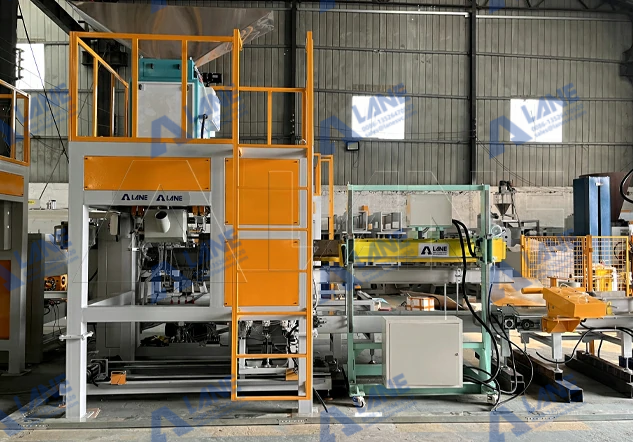
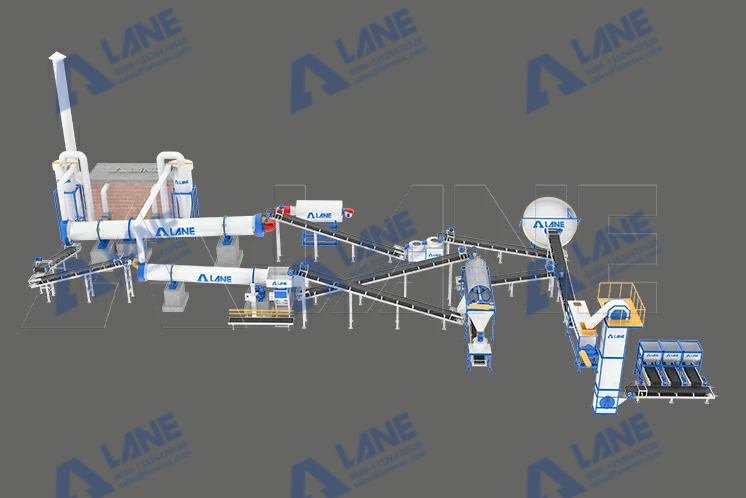
Conversely, fully integrated automated systems with advanced controls tend to reduce variance and support stable, high-quality output, though at a greater investment. These systems coordinate batching, granulation, drying, and packaging for consistent output and minimal human error.
3.2 Scale and Throughput Trade-Offs
Production scale also plays a key role. Smaller capacity lines (e.g., under 500 kg/hour) may be cost-effective for niche producers or experimental product lines, but they might struggle to maintain uniform quality at higher volumes. Larger lines benefit from economies of scale — reducing unit cost while improving consistency — but require careful planning and higher initial outlay.
3.3 Energy and Operational Considerations
Another aspect of the clay cat litter production line cost efficiency vs quality performance balance is energy use. Drying and granulation phases are energy-intensive. High-quality production often demands controlled drying profiles and precise moisture management, which can result in higher energy costs but yield a superior particle structure and clump performance.
4. Example Cost Ranges and Performance Expectations
To put cost decisions into context:
-
Small scale lines (starting ~ $20,000–$100,000) typically include basic mixers, granulators, and dryers, with more labor and oversight needed. These systems can suffice for test batches or localized distribution.
-
Mid-range systems (roughly $100,000–$250,000+) incorporate more automation, improved dust control, and better throughput, enhancing both efficiency and litter consistency.
-
Industrial full automation systems — those most effective in balancing cost efficiency and quality performance — can exceed several hundred thousand USD but often justify that spend through reduced operating expense and sustained output reliability.
But regardless of cost, poor raw material quality or mismatched equipment specifications will undermine both efficiency and quality outcomes — an important reminder that clay cat litter production line cost efficiency vs quality performance is not just about price tags.
5. Strategic Tips: Optimize Both Cost and Quality
Achieving a balanced strategy that respects both cost efficiency and quality performance requires smart planning and ongoing process evaluation:
✔ Match Capacity to Market Demand: Don’t oversize a system for current needs; instead, plan for scalable upgrades.
✔ Prioritize Process Automation Where It Matters: Focus on stages like dosing, granulation, and packaging where automation yields the highest quality impact.
✔ Invest in Quality Control Modules: Integrated screening and dust control systems pay off in consistent product quality and workplace safety.
✔ Monitor Energy Consumption: Optimize drying and conditioning parameters to reduce energy costs without compromising performance.
Many operational analyses of clay cat litter production line cost efficiency vs quality performance illustrate that reducing energy consumption, while maintaining key quality metrics, can significantly lower total cost of ownership without sacrificing product performance. To truly optimize clay cat litter production line cost efficiency vs quality performance, many companies monitor real-time process variables such as pellet moisture and size distribution, enabling automated systems to fine-tune production and reduce rework.
6. Why LANE’s Approach Helps Balance Cost and Quality
Navigating the balance between clay cat litter production line cost efficiency vs quality performance calls for solutions that combine robust engineering with process insight. LANE’s cat litter production lines offer modular configurations that allow producers to choose equipment sets based on their strategic goals — whether prioritizing lower initial investment, higher automation, or premium dust handling and clumping performance.
Some core advantages include:
-
Flexibility in Design: Modular lines that scale from pilot to industrial format.
-
Smart Automation Controls: Real-time monitoring supports consistent quality with controlled cost inputs.
-
Energy and Material Efficiency: Optimized process sequences reduce waste and energy use relative to older or manual setups.
-
After-Sales Support: Global support and recipe optimization help maintain performance over time.
Conclusion
Balancing clay cat litter production line cost efficiency vs quality performance isn’t merely a financial calculation — it’s a strategic decision that affects product competitiveness, operational sustainability, and brand reputation. While minimizing cost is important, sacrificing quality often leads to diminished market acceptance and lower long-term returns. By carefully evaluating equipment selection, automation levels, and operational workflows, manufacturers can design production lines that deliver both cost-effective and high-performance clay cat litter products — positioning themselves for sustained success in a growing global market.
LANE, Your Trustworthy Partner.
For more details, please feel free to contact us.
Henan Lane Heavy Industry Machinery Technology Co., Ltd.
Email: sales@lanesvc.com
Contact number: +86 13526470520
Whatsapp: +86 13526470520