

Key Factors That Influence Cat Litter Production Line Cost – Budget & Equipment Guide
Key Factors That Influence Cat Litter Production Line Cost – Budget & Equipment Guide
Introduction — Why Cat Litter Production Line Cost Matters
For anyone planning to build or expand a cat litter manufacturing facility, understanding cat litter production line cost is essential.
This cost reflects more than just purchasing equipment — it includes decisions about capacity, automation, raw materials and long‑term operational demands.
Grasping these cost drivers ensures that your investment aligns with production goals and market demands, ultimately improving return on investment over time.
Production Scale and Its Impact on Cost
One of the most influential factors on cat litter production line cost is production capacity. Production lines designed for different output levels — from small startup plants to medium and large commercial operations — will vary significantly in total investment.
Industry data shows that smaller setups (often less automated and requiring less land) tend to have lower equipment costs. Mid‑range and fully automatic lines with higher throughput naturally carry higher costs due to larger machines, advanced control systems, and more integrated operations. For example, mini cat litter lines for startups can range below mid‑level systems in price, while commercial lines with higher capacity can reach substantially higher ranges.
Automation Level and Labor Efficiency
The automation level of your cat litter plant is another key factor influencing cat litter production line cost. Semi‑automatic lines, which may require manual feeding or packaging, generally cost less upfront but demand more ongoing labor resources. Fully automated systems, incorporating PLC control and automated material handling, require a higher initial investment but can dramatically reduce labor costs in the long run and improve consistency of output.
Automation not only affects the cost of the initial build but also your long‑term operational efficiency. For companies targeting consistent product quality and minimized downtime, higher automation often delivers better total value.
Raw Material Types and Processing Requirements
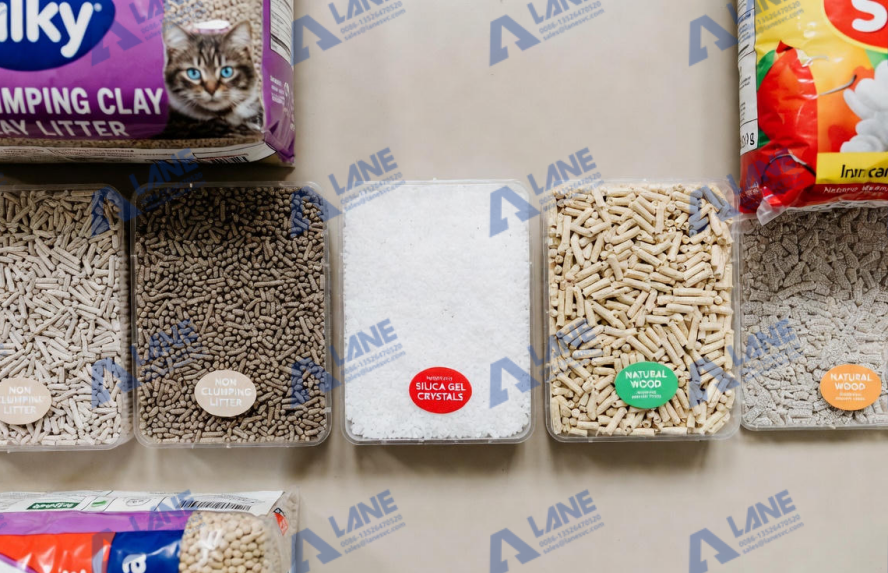
Different raw materials have distinct processing needs, which directly affect cat litter production line cost. For instance:
-
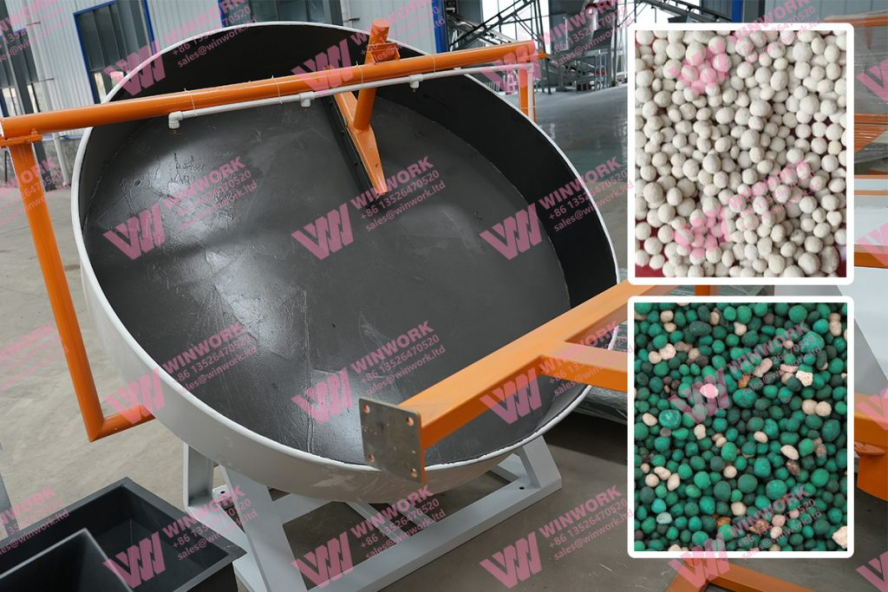
Bentonite clay requires crushers, granulators, and drying systems optimized for moisture control.
-
Tofu residue typically needs additional drying and binder systems to handle its higher moisture content.
-
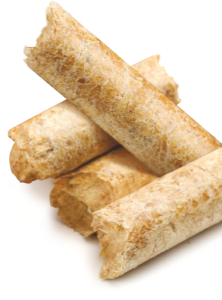
Wood or sawdust based litter may reduce drying requirements but require effective milling and mixing solutions.
Each material type dictates specific equipment choices, influencing both purchase cost and layout complexity. By choosing machines configured for your primary material type, you can optimize your budget and operational stability.
Equipment Selection and Configuration
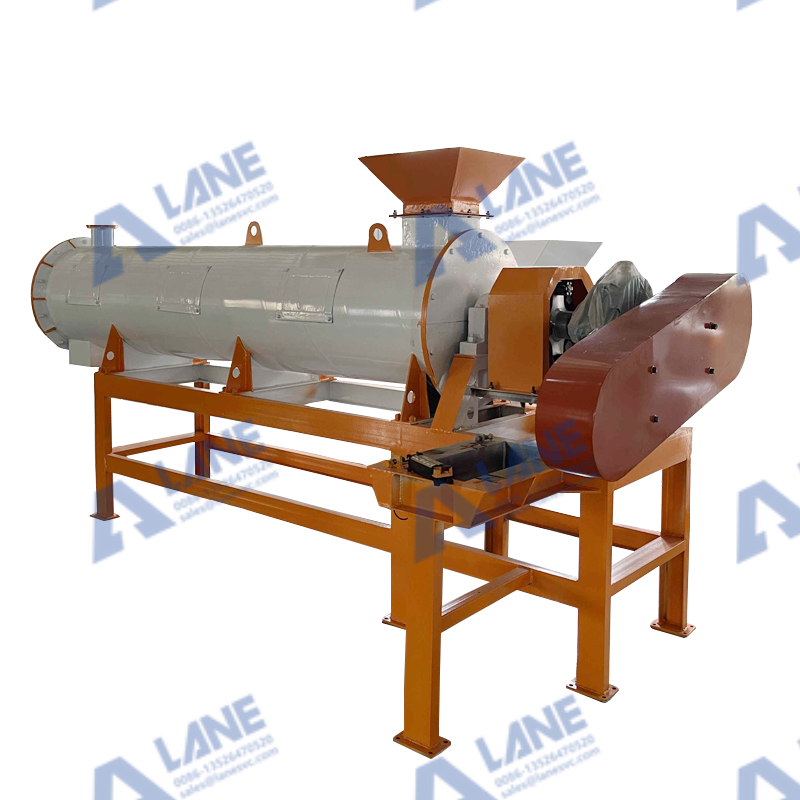
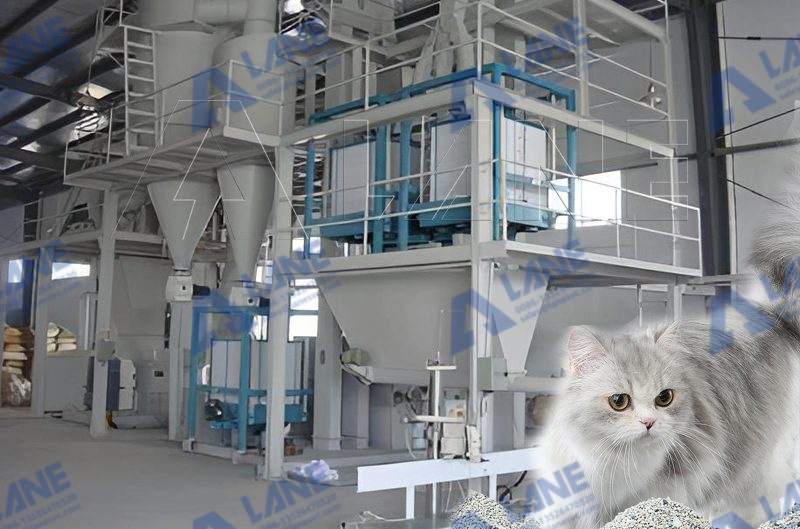
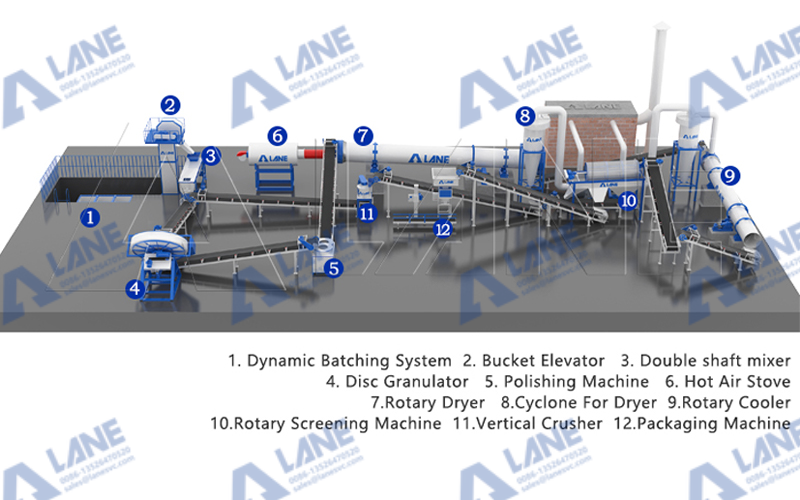
A cat litter production line is more than just one machine — it is a system of interrelated components. The total cat litter production line cost depends on how these components are selected and integrated:
-
Raw material handling solutions like crushers and mixers
-
Granulation system suited to your product type
-
Drying and cooling systems to ensure moisture levels are optimal
-
Screening and polishing machines for particle uniformity
-
Automatic packaging systems for efficiency and reduced labor
-
Control & automation modules for seamless workflow
Choosing higher‑quality equipment or more advanced features increases upfront investment, but often yields longer equipment lifespan and better output quality.
Material Quality, Structural Choices, and Optional Add‑Ons
While base machines set the foundation for cat litter production line cost, material quality and optional features also play a role. For example:
-
Stainless steel components offer better corrosion resistance and longevity than basic carbon steel.
-
Energy efficient motors and variable frequency drives can reduce long‑term operational expenses.
-
Dust control and environmental compliance modules add budget but improve workplace conditions and meet regulatory needs.
These choices may increase up‑front costs but can lower total cost of ownership over the lifespan of the line.
Installation, Site Preparation, and Ongoing Maintenance
When assessing cat litter production line cost, it’s also important to factor in:
-
Installation and commissioning services
-
Worksite electrical and utility upgrades
-
Operator training and early‑stage support
-
Spare parts, routine maintenance, and energy consumption
While some providers roll installation and training into their service packages, planning for these costs ensures smoother startup and fewer unforeseen delays.
Typical Cost Ranges as a Reference
Although specific costs depend on your unique configuration, industry data provides a reference range to help you plan. For example, according to publicly available sources:
-
Small‑Scale Lines: lower initial investment for basic equipment and manual operations.
-
Medium Commercial Lines: moderate automation and higher throughput systems.
-
Large Fully Automated Lines: advanced configurations with integrated drying, screening, and packaging systems.
These ranges help you understand investment tiers and make informed decisions without committing to a price that isn’t tailored to your needs.
How to Align Cost with Your Production Goals
To optimize cat litter production line cost for your business:
-
Clarify your production goals — daily or hourly target output.
-
Define your automation needs — manual vs fully automatic.
-
Select equipment appropriate for your raw materials.
-
Balance upfront investment with long‑term operating efficiency.
-
Consult with experienced suppliers for custom quotations based on your specific parameters.
This planning ensures cost effectiveness while matching capacity and quality expectations.
Why Choose Our Cat Litter Production Solutions
At LANE Machinery, we specialize in designing customized cat litter production lines that balance investment and operational value. Our advantages include:
-
Customized equipment configuration to match your production goals
-
Reliable manufacturing quality and robust system integration
-
Professional on‑site support and training
-
Comprehensive after‑sales service
Rather than simply knowing the general cat litter production line cost, we guide you to a solution that fits your budget and helps your business grow sustainably.
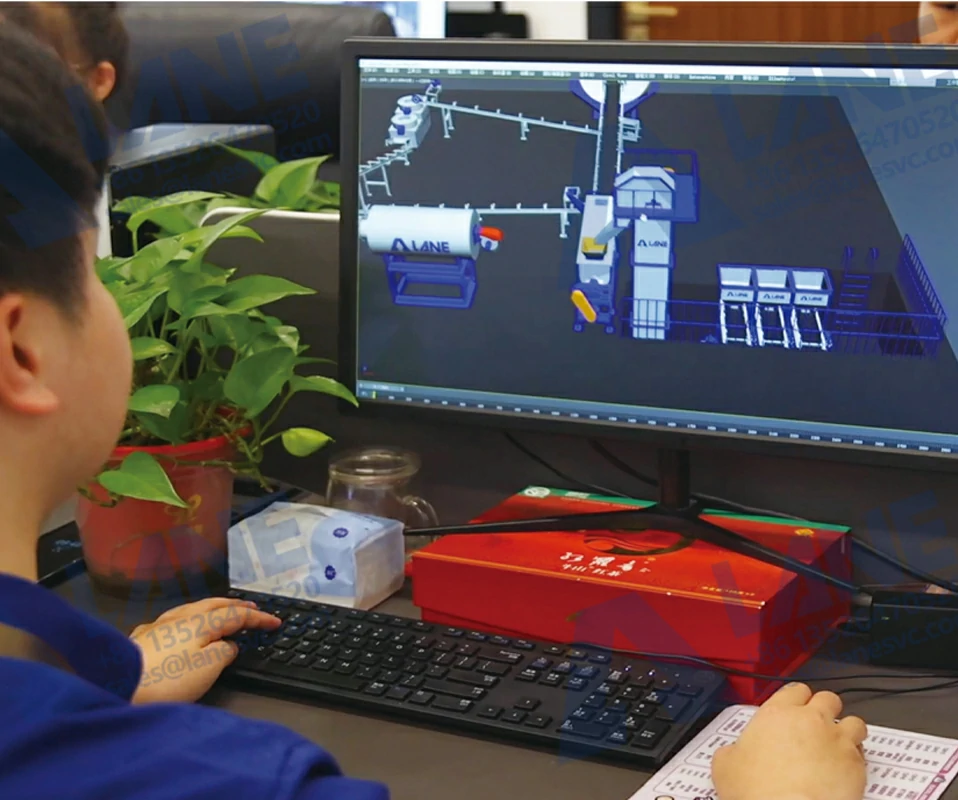
👉 Contact us today for a tailored layout and detailed quotation.
Conclusion — Mastering Your Cost Planning
Understanding cat litter production line cost means looking beyond numbers to the factors that shape them. By considering production scale, automation level, material needs, and system configuration, you can design a cost‑effective production company that meets both quality and business goals.
Careful planning, smart equipment selection, and professional support ensure your investment yields long‑term success in the competitive cat litter market.
LANE Machinery has been dedicated to the production lines of fertilizers and cat litter equipment for over 20 years. We consistently provide the highest quality services to safeguard your business.
For more details, please feel free to contact us.
Henan Lane Heavy Industry Machinery Technology Co., Ltd.
Email: sales@lanesvc.com
Contact number: +86 13526470520
Whatsapp: +86 13526470520