

Cat Litter Production Line Configuration Guide: How to Build an Efficient and Profitable System
Cat Litter Production Line Configuration Guide: How to Build an Efficient and Profitable System
A well-designed cat litter production line configuration guide is the foundation of a successful cat litter manufacturing business. With the rapid expansion of the global pet care market, manufacturers are no longer satisfied with basic production—they are now seeking efficiency, consistency, and scalability.
A clear cat litter production line configuration guide helps manufacturers avoid costly mistakes and ensures a smooth transition from raw materials to finished products.
In practice, a modern cat litter production line is not just a simple combination of machines. It is an integrated system that transforms raw materials into standardized products through multiple coordinated processes such as crushing, mixing, granulating, drying, and packaging
At LANE, we have helped clients across Southeast Asia, the Middle East, and Europe design customized production solutions that align with local market demand, raw material conditions, and investment budgets.
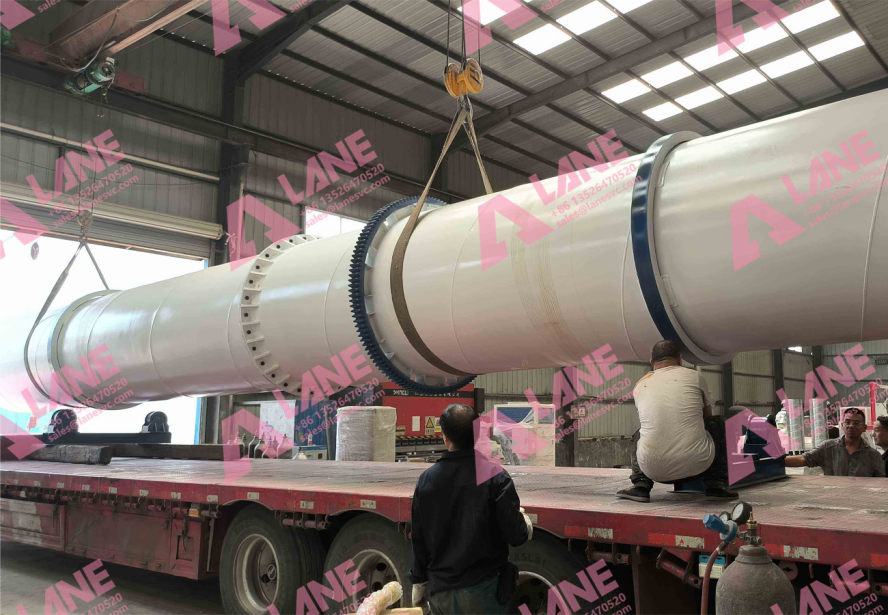
🐾 1. Core Structure of Cat Litter Production Line Configuration
A complete cat litter production line configuration guide typically includes several key sections. Each section plays a critical role in ensuring product quality and production efficiency.
✦ 1.1 Raw Material Processing System
This stage focuses on preparing materials such as bentonite, wood, tofu residue, or cassava. Equipment usually includes crushers and screening machines to ensure uniform particle size.
Proper preprocessing directly affects the final product’s clumping ability and absorption performance.
✦ 1.2 Mixing and Batching System
The mixing system ensures that all materials and additives—such as deodorants or antibacterial agents—are evenly blended.
A high-performance mixer, such as LANE’s dual-shaft mixer, can significantly improve material uniformity and reduce production errors.
✦ 1.3 Granulation System (Core Section)
Granulation is the heart of the entire production line. It determines the size, shape, and density of the cat litter particles.
Depending on raw materials, different granulators can be selected:
- Disc granulator (for bentonite)
- Extrusion granulator (for tofu cat litter)
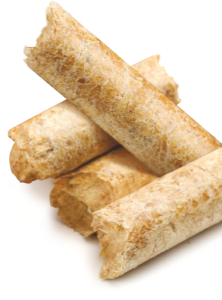
- Ring die pellet machine (for biomass litter)
This step converts powder materials into uniform granules suitable for commercial use. In any cat litter production line configuration guide, the granulation system is always considered the most critical factor affecting product quality.
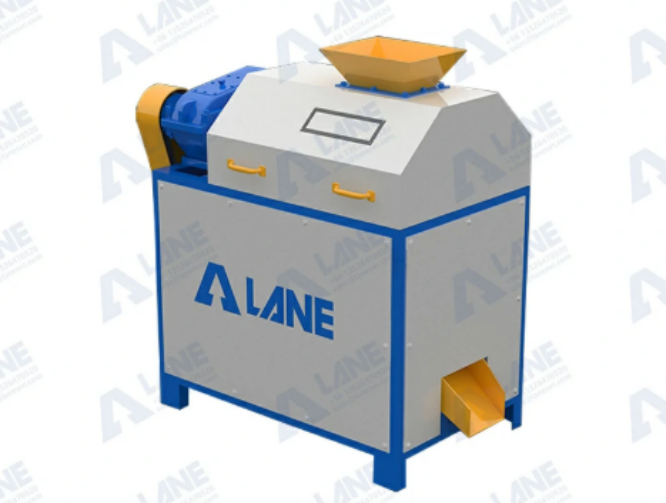
✦ 1.4 Drying and Cooling System
After granulation, moisture content must be reduced to ensure product stability and shelf life.
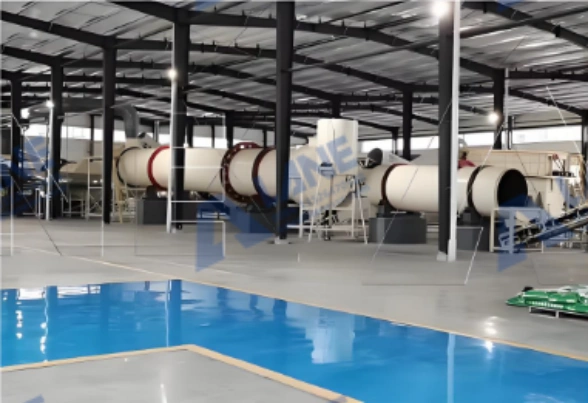
Drying systems such as rotary dryers or belt dryers are commonly used. They remove excess moisture and improve product durability.
Cooling systems then stabilize the granules to prevent deformation or agglomeration.
✦ 1.5 Screening and Packaging System
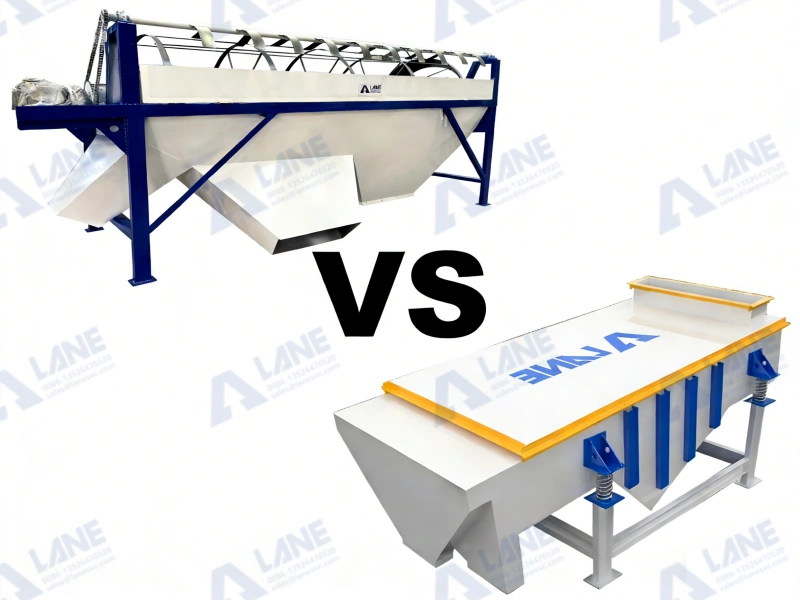
The screening system separates qualified and unqualified particles. Oversized or undersized granules are recycled back into production.
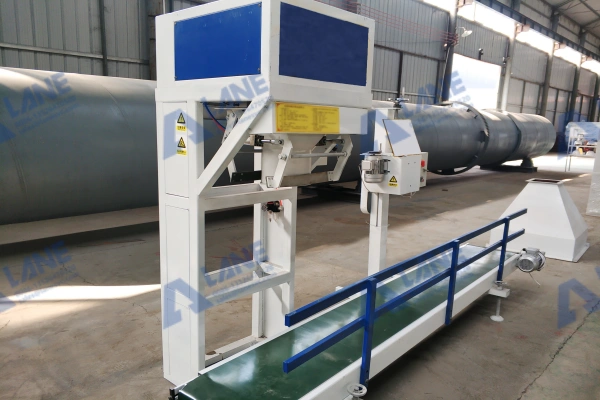
Finally, automatic packaging machines ensure accurate weighing, sealing, and efficient bagging.
This is why every professional cat litter production line configuration guide emphasizes a well-balanced structure between each processing section.
🌱 2. Key Factors That Influence Configuration Design
A professional cat litter production line configuration guide must consider multiple real-world factors instead of using a one-size-fits-all approach.
✦ 2.1 Raw Material Type
Different materials require completely different configurations:
- Bentonite → strong drying system
- Wood/cassava → fiber processing + pelletizing
- Tofu → extrusion + low-temperature drying
LANE engineers always perform raw material testing before finalizing equipment selection to ensure compatibility.
✦ 2.2 Capacity Requirements
Production capacity can range from 1 t/h to over 20 t/h depending on business scale
A small-scale startup line focuses on flexibility and cost control, while large industrial lines prioritize automation and continuous operation. A practical cat litter production line configuration guide must adapt to different materials, production goals, and regional requirements.
✦ 2.3 Automation Level
Automation determines labor cost and production stability.
LANE integrates:
- Siemens PLC control systems
- Automated feeding and batching
- Intelligent fault monitoring
This reduces manual intervention and increases efficiency.
✦ 2.4 Environmental Requirements
Dust control and emissions are critical, especially in European and Middle Eastern markets.
Our solutions include:
- Cyclone dust collectors
- Pulse bag filters
- Closed-loop conveying systems
These ensure compliance with environmental standards while improving workplace safety.
⚙️ 3. LANE Customized Configuration Solution
Unlike standard suppliers, LANE focuses on tailor-made solutions rather than fixed configurations.
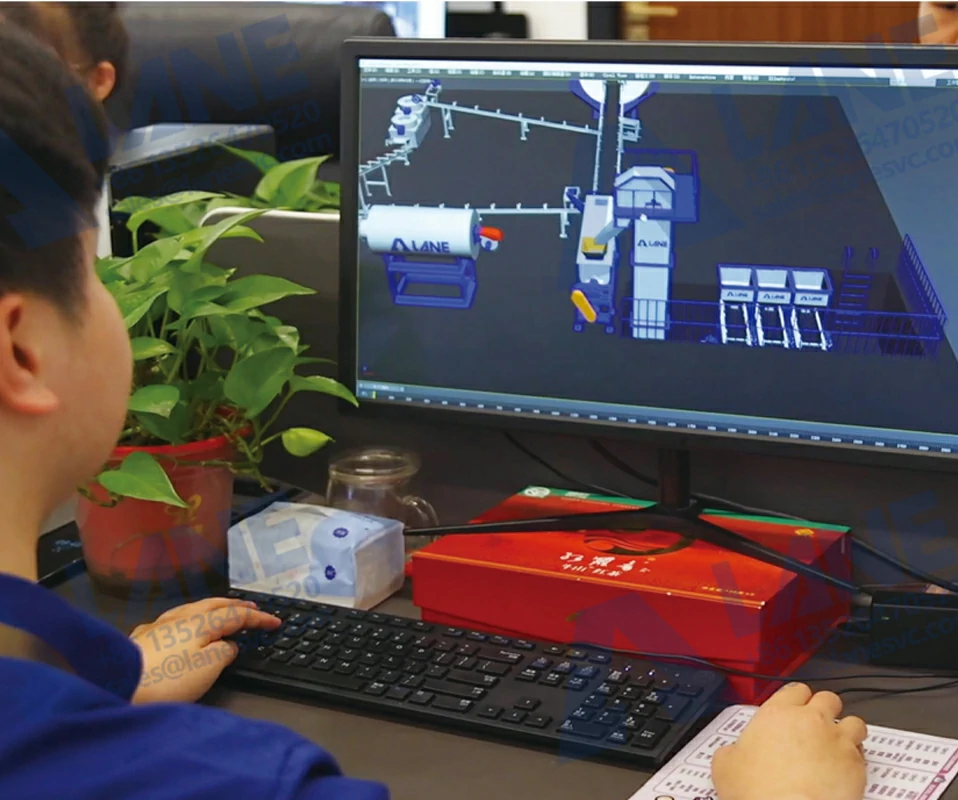
✦ 3.1 Full Process Customization
We design each cat litter production line configuration guide based on:
- Raw material characteristics
- Local energy costs
- Target product type
- Factory layout
✦ 3.2 High-End Equipment Integration
LANE production lines are built with premium components:
- Wear-resistant materials for longer lifespan
- High-efficiency dryers with precise temperature control
- Advanced granulators ensuring uniform particle size
Our systems have been proven to run over 50,000 hours with significantly lower failure rates
✦ 3.3 One-Stop Service Support
From planning to commissioning, we provide:
- Plant layout design
- Equipment installation
- On-site training
- Lifetime technical support
🚀 4. Typical Configuration Example (3–5 t/h Production Line)
To better understand this cat litter production line configuration guide, here is a typical case:
Configuration Includes:
- Crusher + screening machine
- Double-shaft mixer
- Disc granulator
- Rotary dryer + cooler
- Vibrating screen
- Automatic packing machine
Production Flow:
Raw material → crushing → mixing → granulating → drying → cooling → screening → packaging
This configuration balances cost, efficiency, and product quality, making it ideal for medium-sized investors.
💡 5. How to Choose the Right Configuration for Your Business
When selecting a configuration, consider:
- Budget vs long-term ROI
- Target market (premium vs mass market)
- Raw material availability
- Energy consumption
A well-designed system not only reduces production cost but also improves product competitiveness.
At LANE, we often recommend starting with a scalable configuration that allows future upgrades without major structural changes.
Conclusion: Build a Future-Proof Cat Litter Production Line
This cat litter production line configuration guide shows that building a successful production system is not just about buying equipment—it is about designing a complete, efficient, and adaptable process.
With the right configuration, manufacturers can:
- Improve product quality
- Reduce operational costs
- Expand production capacity
- Respond quickly to market demand
LANE is committed to delivering intelligent, customized cat litter production solutions that help our clients achieve long-term growth in the global market.
By following a reliable cat litter production line configuration guide, businesses can build a scalable and future-ready production system.
For more details, please feel free to contact us.
Henan Lane Heavy Industry Machinery Technology Co., Ltd.
Email: sales@lanesvc.com
Contact number: +86 13526470520
Whatsapp: +86 13526470520