

Cat Litter Plant Design: Complete Guide for Manufacturers
Setting up a cat litter production facility isn’t something you figure out overnight. It takes real planning — the kind that accounts for raw material sourcing, equipment sequencing, dust control, and final product consistency all at once. And honestly, a lot of manufacturers underestimate just how interconnected these variables are until they’re already knee-deep in installation. Proper cat litter plant design from day one saves you years of headaches down the road.
This guide breaks down what a well-thought-out cat litter plant design approach actually looks like — covering every stage of the cat litter production line, from raw material prep through to packaging.
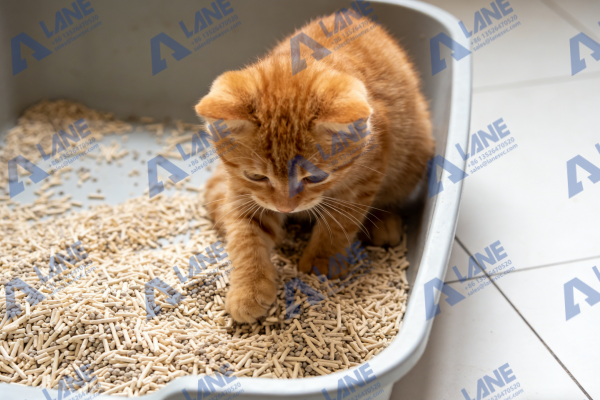
Why Plant Design Matters More Than Most Manufacturers Think
Lots of buyers overlook a critical detail: two plants running identical bentonite and silica feedstock can still see huge gaps in finished product quality and running costs, mostly down to factory layout decisions made before any equipment is fixed in place.
Good cat litter plant design isn’t just about fitting equipment into a building. It’s about material flow efficiency, dust containment, moisture management, and making sure every stage of the process feeds cleanly into the next. Get that right, and your throughput, product quality, and labor costs all move in the right direction. Get it wrong, and you’ll be dealing with bottlenecks and rework for years.
Core Stages of a Cat Litter Production Line
A complete cat litter production line typically follows a clearly defined process sequence. Understanding each stage helps manufacturers plan layout, utilities, and staffing far more effectively.
1. Raw Material Preparation
This is where it all starts. Bentonite clay, silica gel, wood fiber, or tofu-based materials each require different preprocessing. Crushing and drying come first — raw clumping clay in particular needs consistent moisture reduction before it enters granulation.
Key equipment at this stage:
- Crusher— primary size reduction for bulk raw materials
- Hammer mill— secondary fine crushing for particle uniformity
- Rotary drum dryer— controls feed moisture content before processing
- Belt conveyor system— continuous, low-dust material transfer between stations
2. Granulation and Shaping
This is the heart of the production line. Depending on the target product — clumping, crystal, or tofu litter — the granulation method changes significantly.
- Disc granulator— widely used for bentonite and mixed-material cat litter; produces uniform spherical granules
- Double shaft mixer— pre-conditions materials before granulation for better binding
- Rotary drum granulator— preferred for high-volume operations needing consistent throughput
In my experience working with production engineers across multiple projects, the disc granulator tends to give manufacturers more flexibility during early-stage production, while the rotary drum granulator is the workhorse once output targets stabilize.
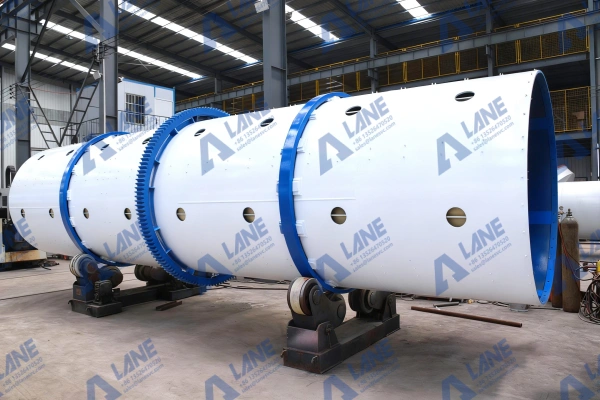
3. Drying and Cooling
Fresh granules come out of the granulator with elevated moisture and heat. Both need to be addressed before screening or packaging.
- Rotary drum dryer— removes residual moisture post-granulation
- Rotary drum cooler— brings granule temperature down to safe handling and packaging levels
Many plant owners try to cut costs by scaling back or skipping the cooling section during line design, which is one of the most frequent design flaws I’ve encountered over the years. Hot granules packed straight into bags create condensation and lump up in storage, often leading to product returns from buyers.
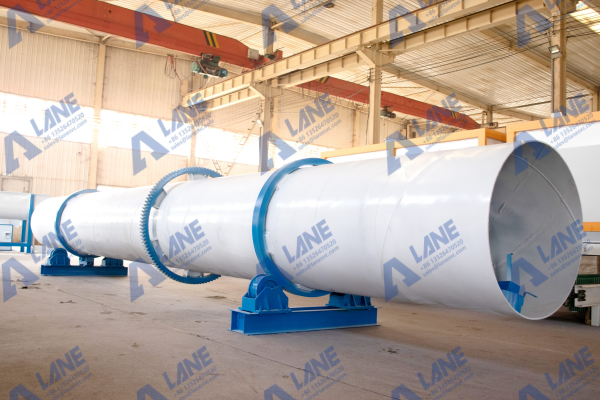
4. Screening and Dust Control
- Vibrating screen— classifies granules by size, separating on-spec product from fines or oversized material
- Bag filter / pulse jet dust collector— captures airborne dust generated throughout the line; critical for worker safety and environmental compliance
The vibrating screen placement in your layout matters more than most people expect. Position it after cooling, not before — otherwise you’re screening warm product and accelerating screen mesh wear.
5. Fragrance Addition and Final Blending
This step takes place in the secondary mixing tank, where deodorants, anti-caking agents and moisture indicators are added as required. Any heat-sensitive additives can only be fed once the material has fully cooled down.
6. Packaging
Our automatic filling and sealing machines cover retail 1kg small bags up to 20kg bulk sacks. Packing speed must match upstream output; bottlenecks at packaging are the top reason for unplanned line downtime.
Layout Planning: What Actually Works in Cat Litter Plant Design
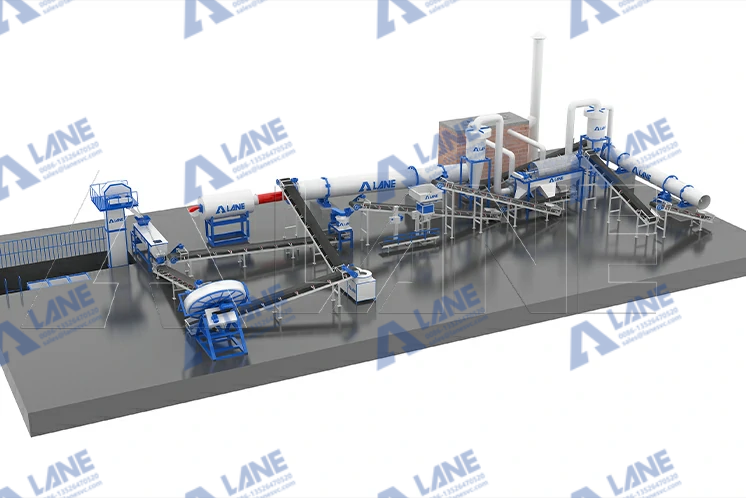
From what I’ve seen in the field, the most efficient cat litter plant design follows a linear or L-shaped flow, with gravity assists built into the elevation design wherever possible. Vertical integration — stacking drying above granulation above raw material prep — reduces conveyor runs significantly and cuts dust exposure points.
Manufacturers working at scale typically partner with equipment providers like LANE, which offers complete cat litter production line engineering alongside individual machine sourcing. Having one supplier coordinate the full sequence simplifies integration and commissioning considerably, especially when fine-tuning throughput across stages.
Dust collection and ventilation systems need to be mapped out alongside core production planning from the plant’s early design phase, instead of being retrofitted later on. Dust escapes easily at every conveyor drop point, vibrating screen and dryer discharge outlet across the whole line. Bring environmental engineers into layout discussions before finalizing your plant design; avoid costly rework once all machinery is already installed.
Common Design Mistakes to Avoid
- Underestimating raw material storage volume — most plants need 3–5 days of buffer stock minimum
- Undersizing the dust collection system relative to actual line output
- Placing maintenance access points as afterthoughts rather than integrating them into the original layout
- Designing for current throughput only, without leaving expansion space
Conclusion
A well-executed cat litter plant design is the difference between a facility that performs consistently at full capacity and one that constantly needs reactive fixes. Take the time to sequence your cat litter production line correctly, invest in proper equipment at each stage, and build dust control and maintenance access into the plan from day one.
If you’re evaluating layout options or sourcing cat litter production line equipment, reach out to our engineering team. We’re ready to help you design a facility that performs from day one — and scales when you’re ready.
Frequently Asked Questions
Q1: What is the most common raw material used in cat litter plant design?
Bentonite clay is by far the most widely used material globally, valued for its natural clumping and odor-absorbing properties. Silica gel, tofu-derived fiber, and wood pulp are growing in popularity for premium or eco-focused product lines.
Q2: How long does it take to commission a complete cat litter production line?
From equipment delivery to full operational capacity, most mid-scale lines take 60–120 days, depending on civil construction status, equipment complexity, and the experience of the installation team. Lines sourced from a single integrated supplier tend to commission faster.
Q3: What output capacity should I design for as a starting manufacturer?
Most first-time manufacturers start with lines in the 2–5 tonnes per hour range. Designing for your target output at 18–24 months ahead, rather than day-one volume, tends to give better long-term ROI.
Q4: How important is dust control in a cat litter plant design?
Extremely important — both for regulatory compliance and worker health. Fine clay and silica dust is a serious respiratory hazard. A properly specified bag filter system and sealed conveyor design are non-negotiable in any responsible plant layout.
Q5: Can the same production line handle multiple cat litter product types?
Yes, with the right equipment selection. A line built around a disc granulator and secondary mixing unit can typically handle bentonite, tofu, and mixed-material litter with changeover adjustments. Full flexibility requires planning this into the original cat litter plant design, however.
Q6: What’s the biggest factor affecting granule quality in a cat litter production line?
Moisture control at the raw material preparation stage. Inconsistent feed moisture leads to poor granule formation, increased fines, and higher post-granulation drying loads. Getting this right upstream makes every downstream stage easier.
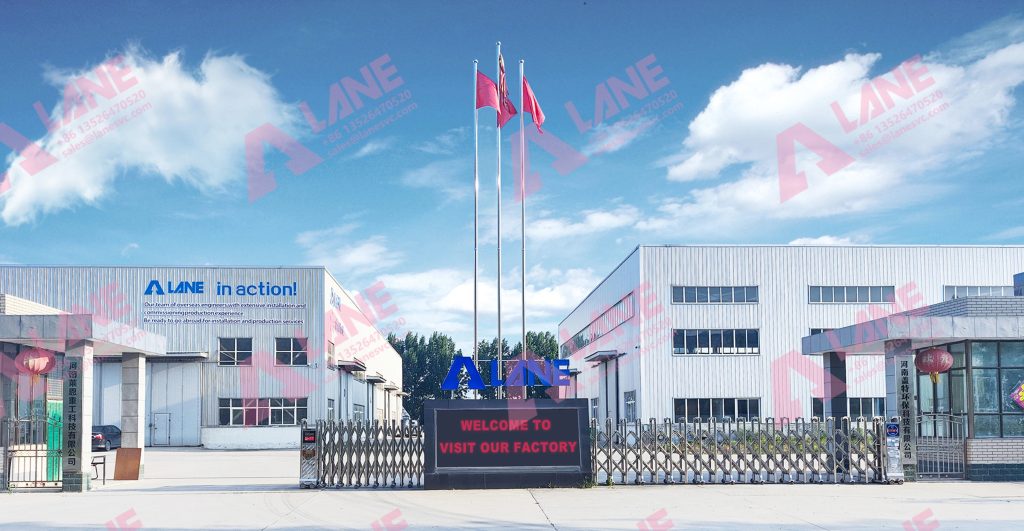
For more details, please feel free to contact us.
Henan Lane Heavy Industry Machinery Technology Co., Ltd.
Email: sales@lanesvc.com
Contact number: +86 13526470520
Whatsapp: +86 13526470520