

Cat Litter Pellet Machine for Organic Materials: Professional Solutions for Eco‑Friendly Cat Litter Production
Cat Litter Pellet Machine for Organic Materials: Professional Solutions for Eco‑Friendly Cat Litter Production
Why Choose a Cat Litter Pellet Machine for Organic Materials?
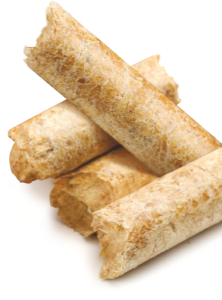
In today’s growing eco‑friendly pet supplies market, more manufacturers are turning to plant‑based raw materials to produce sustainable cat litter products. A cat litter pellet machine for organic materials is a core piece of equipment designed to transform a variety of organic inputs — such as tofu fiber, soybean residue, agricultural straw, wood chips, or recycled paper — into consistent cat litter pellets suitable for consumer markets. This type of specialized pellet mill helps achieve uniform granule size, strong absorbency, low dust emission, and excellent biodegradability, which are essential features of modern organic cat litter products.
Unlike conventional clay‑based litter production, organic cat litter production focuses on renewable raw materials. The right cat litter pellet machine for organic materials delivers reliable performance while accommodating diverse raw material characteristics, giving producers versatility in their product offerings.
1. What Is a Cat Litter Pellet Machine for Organic Materials?
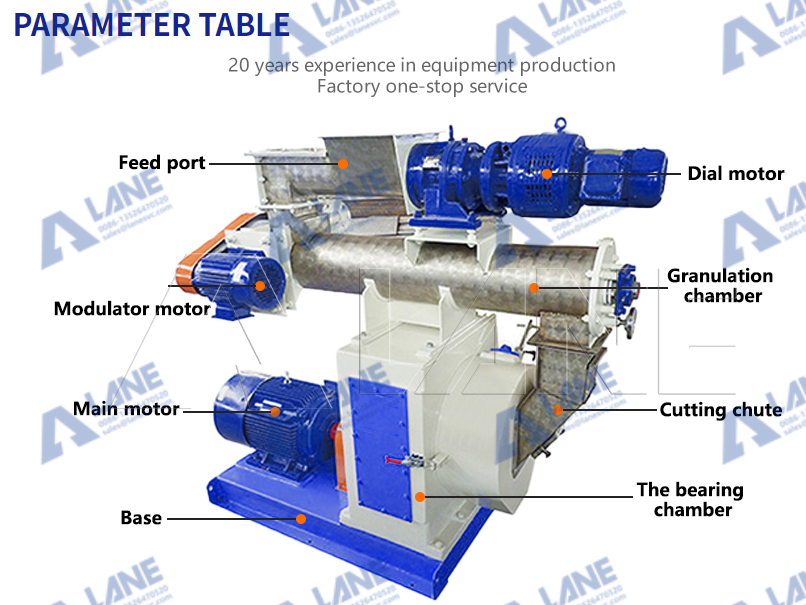
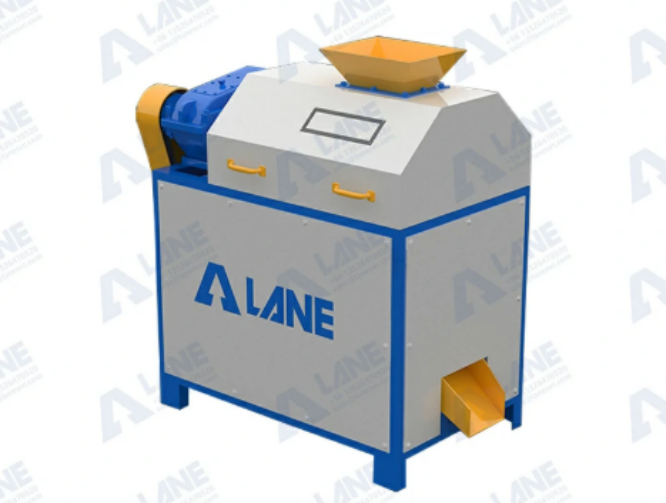
A cat litter pellet machine for organic materials is a type of ring‑die or double roller pellet mill engineered to handle softer, fibrous, or lightweight organic raw stocks used in eco‑friendly cat litter production. These machines differ from typical feed pellet mills in several ways:
-
Optimized Feed Inlet: Ensures smooth entry of organic raw materials like tofu fiber, wood chips, recycled paper, and husks into the pellet chamber.
-
Adjustable Die and Roller Assembly: Allows precise control over pellet diameter and compression depending on the properties of the organic inputs.
-
Enhanced Binding and Compression: Designed to produce dense pellets even from low‑density biomass, achieving good structural integrity and reduced dust during use.
These machines are the heart of organic cat litter production lines, turning raw organic waste into market‑ready cat litter granules.
2. Organic Cat Litter Raw Materials and Process Flow
Organic cat litter production using a cat litter pellet machine for organic materials typically starts with raw material selection and preparation. Common biodegradable inputs include tofu residue (okara), corn starch, guar gum, wood chips, and other plant fibers.
2.1 Raw Material Preparation
Before pelletizing, raw materials must be processed to achieve uniform size and moisture content:
-
Crushing and grinding to reduce large pieces of wood or straw into a homogeneous feedstock.
-
Mixing and conditioning with natural binders like corn or wheat starch to improve pellet strength.
2.2 Pelletizing with the Cat Litter Pellet Machine
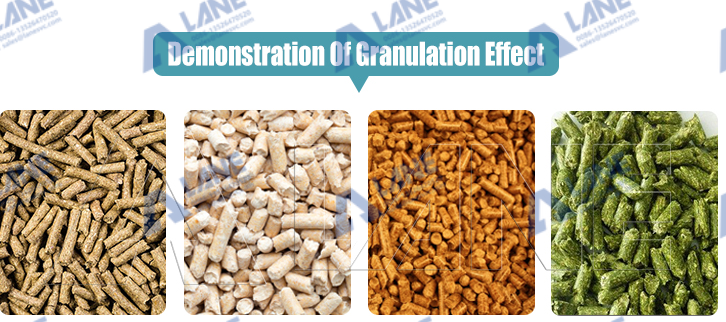
The conditioned raw mix is fed into the cat litter pellet machine for organic materials, where it is compressed and formed into pellets of desired diameter (typically 2–4 mm for organic cat litter). This pelletizing section is the core of the process, responsible for shaping, compressing, and binding the organic materials into stable granules with low dust and excellent physical properties.
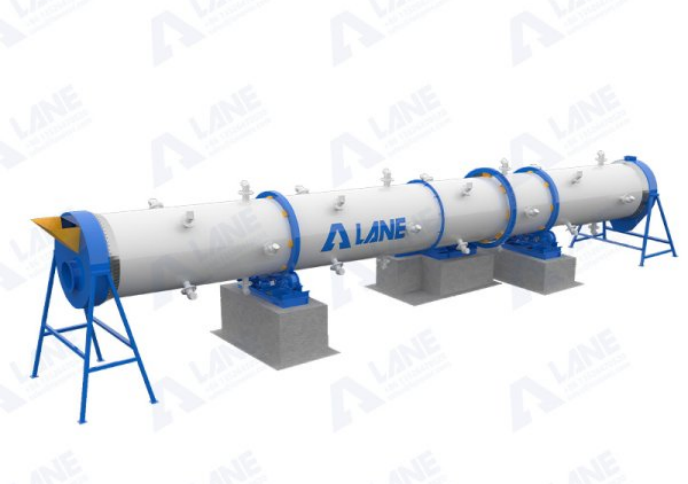
After pelleting, the product may undergo controlled drying and cooling to reduce moisture content and stabilize the pellets before further processing.
3. Key Features of a Cat Litter Pellet Machine for Organic Materials
A well‑designed cat litter pellet machine for organic materials offers the following advantages:
Flexible Raw Material Handling
These machines can handle a wide range of organic raw stocks, including soybean residue, wood shavings, husks, and recycled paper — enabling manufacturers to leverage locally sourced biomass and reduce raw material costs.
Customizable Pellet Size and Density
By adjusting the die specifications and roller pressure, producers can customize the pellet diameter and density to match different product specifications and end‑use requirements.
Reduced Downtime and Stable Operation
Optimized feed inlets, frequency‑controlled feeding motors, and corrosion‑resistant structural components help maintain consistent throughput and minimize downtime during continuous production.
4. Typical Applications in Cat Litter Production
The cat litter pellet machine for organic materials plays a central role in producing various types of eco‑friendly cat litter products, such as tofu cat litter, wood fiber litter, and recycled paper pellets.
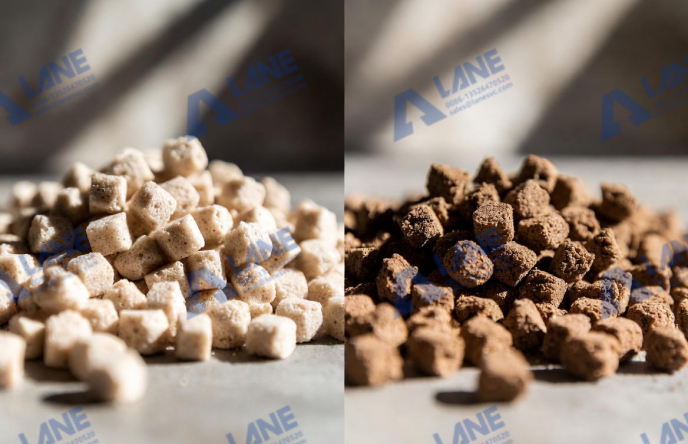
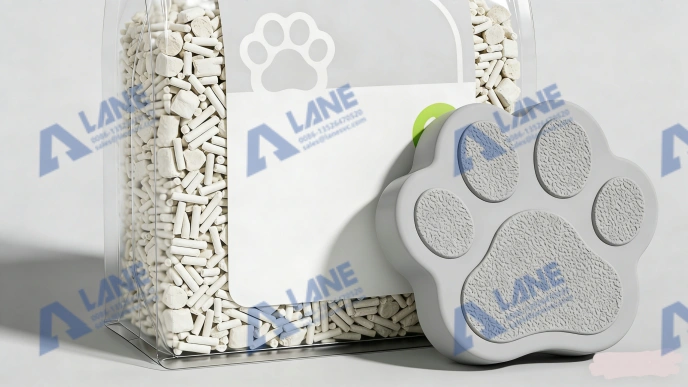
For example, in tofu cat litter production, organic materials are blended with natural binders and compressed into low‑dust, biodegradable pellets that demonstrate strong water absorption and easy clumping characteristics.
Many manufacturers choose pelletized tofu cat litter because it can be flushable and compostable while still providing excellent user experience compared with conventional clay litters.
5. Selecting the Right Cat Litter Pellet Machine for Organic Materials
When choosing a cat litter pellet machine for organic materials for your production line, consider the following factors:
-
Processing Capacity: Match the machine’s throughput with your plant’s target output.
-
Material Compatibility: Ensure the pellet mill can handle your specific organic feedstocks with consistent pellet quality.
-
Ease of Maintenance: Machines with modular designs and accessible components simplify daily maintenance and reduce downtime.
-
Energy Efficiency: Efficient motors and optimized mechanical transmission reduce operational energy costs.
Proper selection ensures that the organic cat litter production line operates smoothly while delivering consistent product specifications.
6. Advantages of Integrating a Cat Litter Pellet Machine for Organic Materials in Production
Installing a specialized cat litter pellet machine for organic materials in your cat litter production line brings several benefits:
-
Eco‑Friendly Output: Produces reusable biodegradable pellets that meet consumer demand for sustainable pet products.
-
Low Dust and Improved Hygiene: Optimized extrusion and pellet formation reduce dust emissions, improving production cleanliness.
-
Cost Efficiency: Organic raw materials can often be cheaper and locally available, reducing overall production costs.
-
Product Differentiation: Enables production of premium eco‑litter products that command higher market value.
Conclusion: Key Equipment for Tomorrow’s Eco Cat Litter Production
In conclusion, a cat litter pellet machine for organic materials is essential for any manufacturer aiming to produce high‑quality, environmentally friendly cat litter products. Its flexibility in processing organic raw materials, customizable pellet output, and reliable performance make it a valuable investment for eco‑litter production lines.
Whether you plan to build a small‑scale plant or expand into larger commercial operations, integrating the right pellet machine can significantly enhance production efficiency and product competitiveness in the fast‑growing eco cat litter market.
We are LANE. We are always ready to receive your inquiries. We wish you to select the best equipment and help your business thrive.
For more details, please feel free to contact us.
Henan Lane Heavy Industry Machinery Technology Co., Ltd.
Email: sales@lanesvc.com
Contact number: +86 13526470520
Whatsapp: +86 13526470520