

How a Cat Litter Mixer Machine Supports Stable Downstream Processing
How a Cat Litter Mixer Machine Supports Stable Downstream Processing
Introduction: Why Mixing Stability Matters More Than It Seems
In cat litter production, quality fluctuations are often addressed at visible downstream stages such as granulation or screening. Operators adjust parameters, replace screens, or slow down output in an attempt to regain control. While these actions may offer short-term relief, they rarely solve the underlying issue.
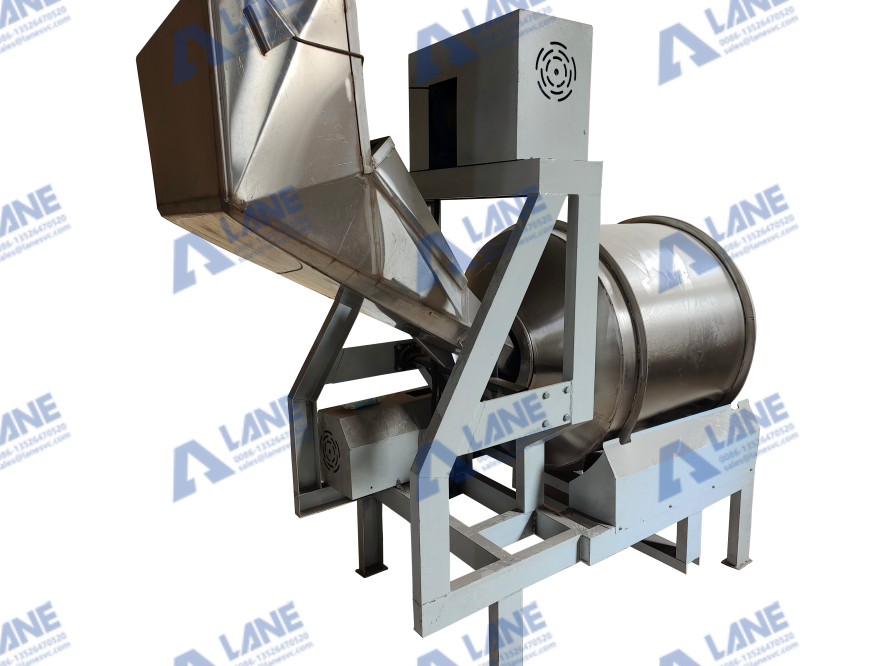
In reality, many downstream problems originate earlier in the process, during material preparation. Mixing is one of the most underestimated yet influential stages in the entire production line. A properly designed cat litter mixer machine does not simply blend materials—it establishes stable, repeatable conditions that allow downstream equipment to perform as intended.
For equipment manufacturers, understanding this role is essential. Mixing stability is not an isolated function; it is a system-level requirement that directly affects production efficiency, product consistency, and long-term operational reliability.
The Position of the Cat Litter Mixer Machine in the Production Flow
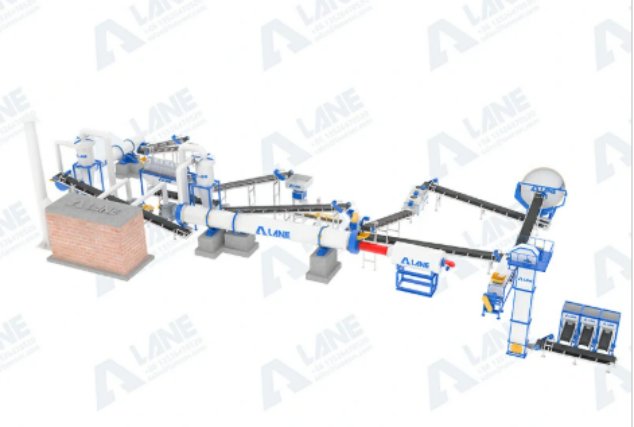
Within a typical cat litter production process, the cat litter mixer machine is positioned after crushing and before granulation or forming. This placement makes it a critical transition point where prepared raw materials are conditioned into a uniform feedstock for downstream processing.
At this stage, materials often include crushed minerals or plant-based particles, binders, moisture, and functional additives. Each component must be evenly distributed to ensure predictable behavior during forming. If mixing is inconsistent, downstream machines inherit variability that cannot be fully corrected later.
From a system design perspective, the mixer acts as a stabilizing interface. Its performance determines whether the production line operates as a coordinated system or as a series of machines constantly compensating for upstream inconsistency.
How Material Inconsistency Affects Downstream Equipment
Downstream equipment is designed to operate within defined material parameters. When those parameters fluctuate, problems appear gradually and are often mis-attributed to mechanical issues rather than material preparation.
Common consequences of inconsistent mixing include:
-
Unstable granule formation during granulation
-
Increased breakage and fines generation
-
Reduced screening efficiency and throughput
-
Higher dust levels and material recirculation
These effects place unnecessary stress on downstream machines, accelerating wear and increasing maintenance frequency. Over time, production teams may find themselves adjusting equipment settings more often, without achieving lasting stability.
In many cases, the root cause can be traced back to insufficient mixing performance. This is why the cat litter mixer machine plays a protective role—not only for product quality, but also for downstream equipment longevity.
Functional Advantages of a Well-Designed Cat Litter Mixer Machine
Not all mixers are equally suited for cat litter applications. Materials are often abrasive, moisture-sensitive, and produced under continuous operation conditions. A well-designed cat litter mixer machine must account for these realities from the outset.
Key functional advantages include:
-
Consistent distribution of dry and wet components
-
Stable batch-to-batch material properties
-
Mixing structures that reduce dead zones and segregation
-
Reliable operation under continuous production loads
When these functions are achieved through design rather than constant adjustment, the mixer becomes a source of stability rather than a variable in the process. This design-driven approach allows downstream equipment to operate within narrower, more efficient control ranges.
Design Features That Make a Cat Litter Mixer Machine Perform Reliably
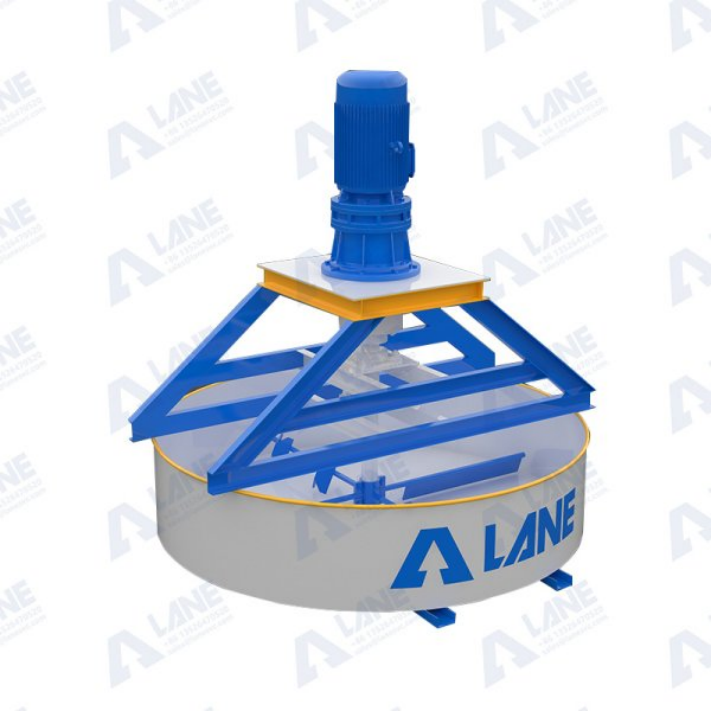
From an equipment manufacturer’s perspective, mixing performance is determined long before the machine is installed. Structural layout, material contact surfaces, and internal flow patterns all influence how effectively materials are blended.
In cat litter applications, reliable mixer design typically focuses on:
-
Internal geometry that promotes uniform material movement
-
Mixing action optimized for abrasive and particulate materials
-
Reduced material buildup and easy cleaning access
-
Structural strength that supports long-term, high-load operation
Rather than chasing maximum speed, these design choices prioritize consistency and durability. For manufacturers, this means fewer interruptions, more predictable output, and improved overall line stability.
Supporting Granulation and Screening Through Stable Mixing
Granulation and screening are highly sensitive to material condition. Even minor variations in moisture distribution or particle density can affect forming efficiency and separation accuracy.
Stable mixing supports downstream processing by:
-
Feeding granulators with uniform material, improving pellet integrity
-
Reducing fines generation that overloads screening systems
-
Improving screening accuracy and reducing unnecessary recirculation
When mixing is consistent, downstream machines no longer need to compensate for upstream variability. This leads to smoother operation, higher yields, and reduced operator intervention across the line.
Mixing Control in Automated Cat Litter Production Lines
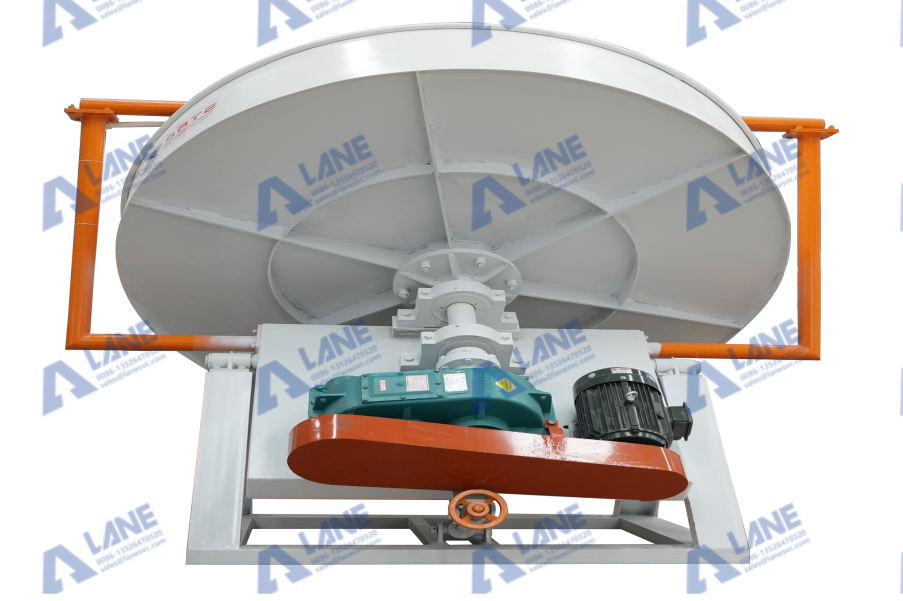
Automation has become a defining feature of modern cat litter plants. However, automation alone cannot eliminate variability—it can only manage it. Automated systems depend on consistent inputs to function effectively.
Within automated production lines, the cat litter mixer machine acts as a quality control gateway. By delivering uniform material, it supports stable automation logic and reduces the frequency of alarms, adjustments, and manual overrides.
For system equipment suppliers, integrating mixer performance with upstream crushing and downstream forming is a key part of ensuring that automation delivers real operational benefits rather than simply increasing system complexity.
Choosing a Mixer That Matches Production Objectives
Selecting a cat litter mixer machine should always be done in the context of overall production goals. Capacity, formulation flexibility, and maintenance strategy must be evaluated together.
Important considerations include:
-
Matching mixer output with downstream forming capacity
-
Compatibility with different raw material sources
-
Maintenance accessibility and cleaning efficiency
-
Integration with upstream and downstream equipment
A mixer that is oversized, undersized, or poorly matched to the rest of the line can become a bottleneck rather than a solution. System-level evaluation helps ensure that the mixer supports long-term operational stability.
Why Equipment Integration Matters More Than Individual Machines
In cat litter production, individual machines do not operate in isolation. True production stability comes from how well equipment works together as a system.
Suppliers with experience in complete cat litter production lines understand how mixing influences every subsequent step. This system-oriented approach allows equipment to be designed, selected, and integrated with downstream performance in mind.
LANE focuses on supplying cat litter equipment as part of coordinated production systems, helping manufacturers achieve stable operation not just at start-up, but throughout years of continuous production.
Conclusion: Stable Downstream Processing Starts with Proper Mixing
Downstream performance is shaped long before materials reach forming or screening stages. Consistent material preparation provides the foundation for reliable, efficient production.
A cat litter mixer machine is more than a blending device—it is a critical control point that influences granulation quality, screening efficiency, and overall system stability. By prioritizing mixing performance and system integration, manufacturers can reduce variability, protect downstream equipment, and achieve predictable, scalable production outcomes.
For producers focused on long-term reliability rather than short-term adjustments, proper mixing remains one of the most impactful investments in the entire cat litter production line.
If you have any special needs for cat litter mixer machine, we can provide customized services based on specific requirements, offering one-stop service to ensure the safety, stability and security of your business.
For more details, please feel free to contact us.
Henan Lane Heavy Industry Machinery Technology Co., Ltd.
Email: sales@lanesvc.com
Contact number: +86 13526470520
Whatsapp: +86 13526470520