

How to Build a Winning Cat Litter Manufacturing Business Plan
The global pet care industry continues to grow, and cat litter remains one of its most stable and profitable product categories. If you are exploring this opportunity, a carefully developed cat litter manufacturing business plan will serve as your strategic foundation. It helps you attract investors, secure bank financing, and align your team around clear operational priorities. This article walks through the key sections your plan should address, from market research to equipment procurement and financial modeling.
Understanding Market Dynamics and Your Competitive Position
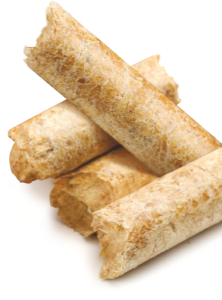
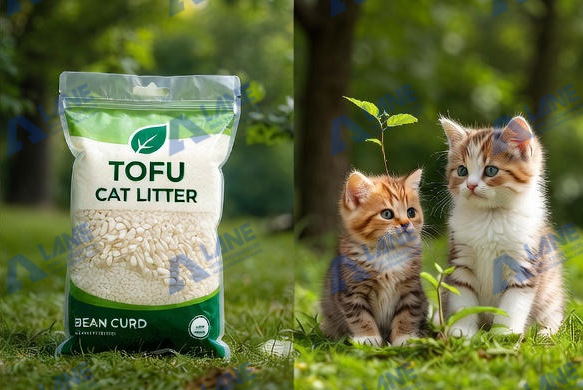
Every credible cat litter manufacturing business plan starts with thorough market analysis. Rising pet ownership, accelerating urbanization, and growing demand for eco-friendly products are all contributing to steady expansion in the cat litter sector. While traditional clay formulations continue to dominate by volume, plant-based alternatives such as tofu, wood, and corn litter are gaining significant traction among environmentally conscious consumers.
Your research should answer several critical questions. Which customer segments are you targeting? What types of litter will you manufacture? How will your offering stand apart from established brands? Regional factors heavily influence demand patterns, so tailor your analysis to the specific geographies you plan to serve. Raw material availability, shipping infrastructure, and local regulatory requirements must all be factored into a realistic assessment.
Designing the Production Framework
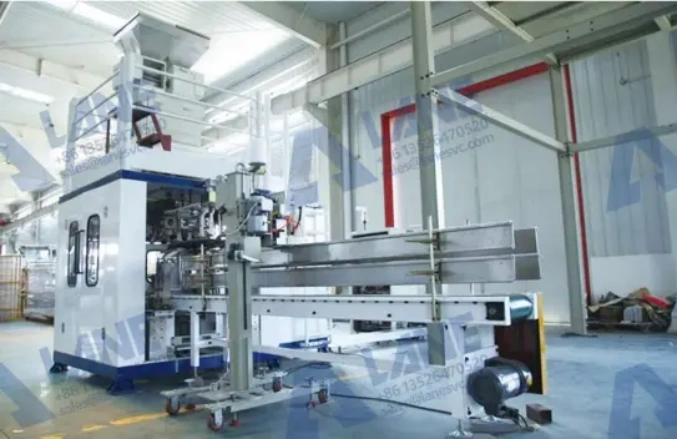
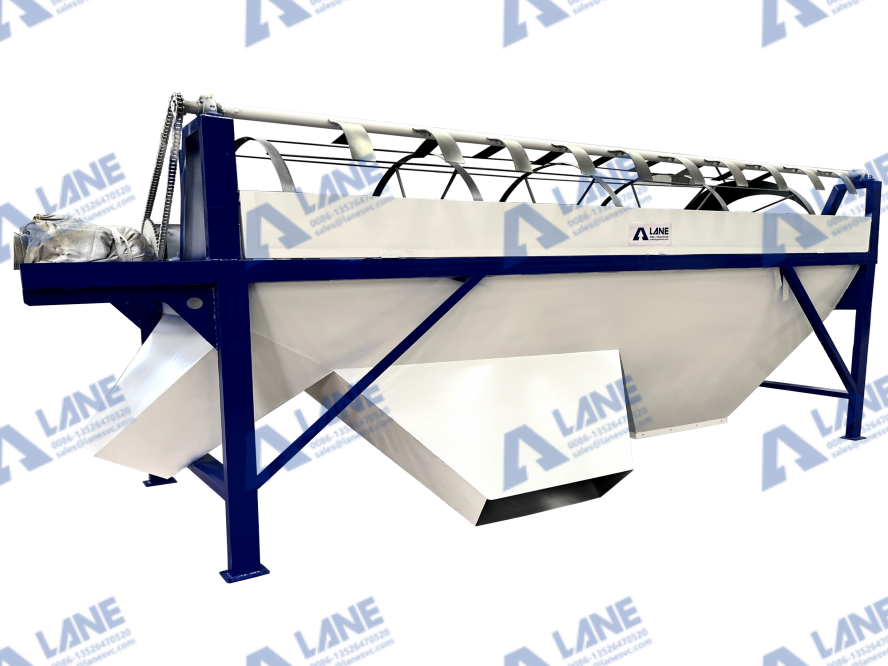
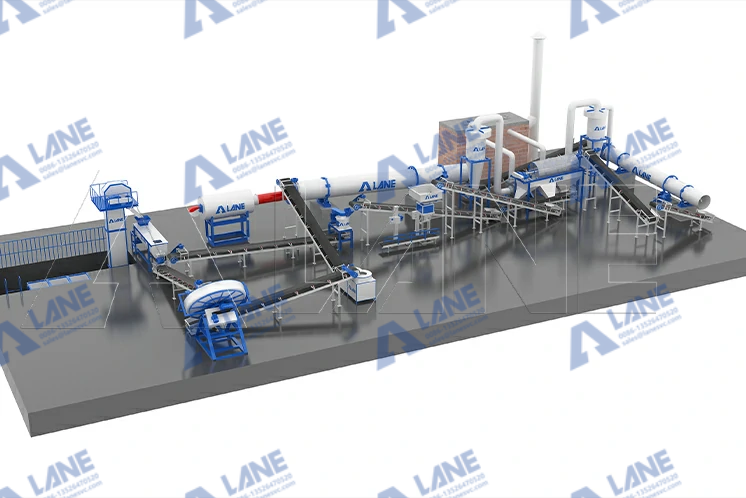
Once market positioning is clear, the operational section of your plan defines how inputs become finished products. This is where careful thinking about your cat litter production line pays dividends. A well-designed cat litter production line encompasses raw material preparation, crushing and grinding, mixing with binding agents, granulation or pelletizing, controlled drying, cooling, multi-layer screening, and automated packaging. The layout and equipment choices you make will directly shape product consistency, throughput, and operating costs over the life of the business.
Different raw materials present different processing challenges. Clay-based formulations require effective dust suppression and fine grinding capabilities. Plant-based alternatives, on the other hand, need equipment that can handle fibrous organic matter without clogging or excessive wear. Visiting factories that operate a similar cat litter production line can provide practical insights that accelerate your decision-making and help you avoid costly mistakes.
Scale matters just as much as configuration. A cat litter production line designed for one to two tons per hour may be ideal for regional distribution, while companies aiming for national retail chains or export markets may need capacity of five tons per hour or higher. Your plan should specify the target throughput and justify that number with defendable demand projections.
Equipment Sourcing and Supplier Relationships
Machinery typically represents the single largest upfront investment in any cat litter manufacturing business plan. Selecting the right suppliers is therefore a decision with lasting consequences. Look beyond initial purchase prices and evaluate each vendor’s after-sales support, spare parts network, installation services, and experience in granular material processing.
Fertilizer and bulk material equipment manufacturers can be unexpected but valuable partners. LANE, a large-scale fertilizer production equipment manufacturer, possesses deep expertise in granulation, drying, and material handling—capabilities that translate directly to a cat litter production line. Their industrial engineering background in processing granular products at scale provides a level of technical rigor that benefits any new manufacturing operation.
When soliciting equipment proposals, supply vendors with detailed specifications: raw material properties, desired particle size range, target hourly output, packaging format, and automation preferences. The more precise the technical data in your plan, the more accurate and comparable the quotations you receive will be.
Building Robust Financial Projections
A comprehensive financial section elevates your cat litter manufacturing business plan from a conceptual outline to a serious investment proposal. Begin by cataloging all startup costs: facility acquisition or leasehold improvements, equipment procurement for the entire cat litter production line, initial raw material stock, workforce recruitment and training, utilities infrastructure, and pre-launch marketing activities.
On the revenue side, calculate per-unit manufacturing costs and compare them against wholesale and retail prices in your target channels. Distribution costs warrant special attention—selling through third-party distributors, retail partners, and direct-to-consumer e-commerce each produce different margin structures. Presenting three financial scenarios (optimistic, baseline, and conservative) demonstrates that you have stress-tested your assumptions rather than relying on a single projection.
Operating costs form the backbone of your ongoing financial model. Raw materials, packaging, energy consumption during drying operations, labor, and preventive maintenance on your cat litter production line constitute the recurring expense base. Many first-time manufacturers underestimate utility costs, so request detailed energy consumption data from equipment vendors and apply realistic local rates.
Marketing Strategy and Route to Market
Even the most efficient cat litter production line cannot succeed without clear pathways to customers. Your cat litter manufacturing business plan should articulate your brand positioning, identify primary sales channels, and outline promotional tactics. Decide whether you will develop a consumer-facing brand, manufacture white-label products for established retailers, or adopt a hybrid approach.
E-commerce has fundamentally changed how pet products reach consumers. Subscription models, major online platforms, and social commerce now generate significant revenue alongside traditional brick-and-mortar retail. Your distribution strategy should reflect how your target customers actually shop for cat litter today, not how they shopped five years ago.
Quality Assurance and Regulatory Readiness
Quality control deserves a dedicated section in any cat litter manufacturing business plan. Cat litter directly affects both pet health and indoor air quality, so safety standards are appropriately stringent. Define your quality protocols for incoming raw material testing, in-process monitoring at critical control points, and finished product evaluation. Dust levels, absorption speed, clumping integrity, and odor control are the metrics that drive customer satisfaction and repeat purchases.
Depending on your target markets, you may need certifications such as ISO quality management, SGS product testing, or country-specific pet safety approvals. Companies like LANE, with established quality management frameworks in industrial manufacturing, demonstrate the kind of systematic approach to quality that modern production facilities should adopt. Addressing regulatory requirements proactively reduces the risk of costly compliance delays after you begin production.
Conclusion
Building a successful cat litter manufacturing business plan requires attention to every dimension of the operation, from market strategy and equipment configuration through to financial modeling and quality systems. Each component reinforces the others, and cutting corners in any single area can undermine the entire project. With thorough preparation, the right equipment partners, and disciplined execution, your venture can establish a strong and sustainable position in a market that continues to reward well-prepared entrants.
For more details, please feel free to contact us.
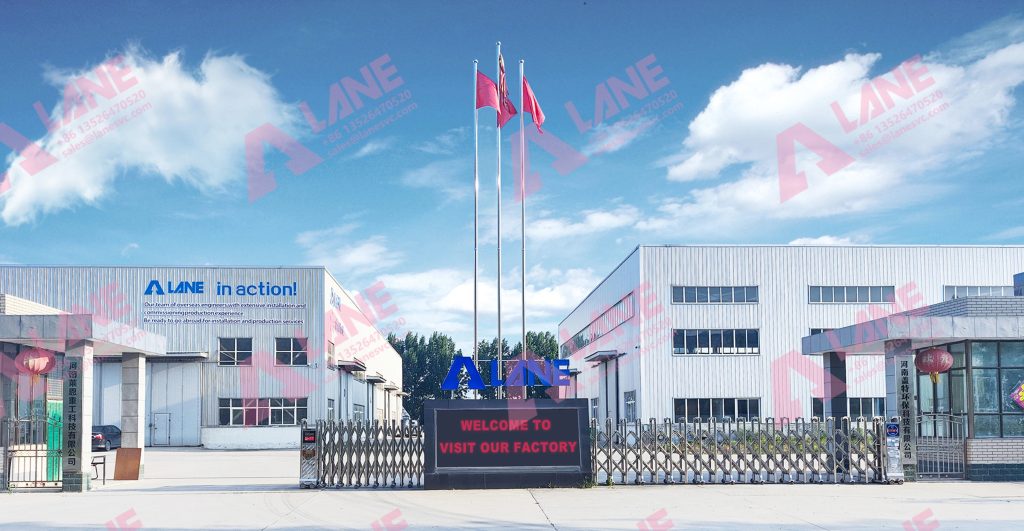
Henan Lane Heavy Industry Machinery Technology Co., Ltd.
Email: sales@lanesvc.com
Contact number: +86 13526470520
Whatsapp: +86 13526470520