

Cat Litter Machine Troubleshooting: Identifying Issues Before Quality Drops
Cat Litter Machine Troubleshooting: Identifying Issues Before Quality Drops
Introduction – Quality Problems Rarely Appear Suddenly
In most factories, cat litter quality does not decline overnight. Granules do not suddenly become fragile, dusty, or inconsistent without warning. Instead, these changes usually develop gradually as small equipment issues accumulate over time. By the time quality complaints appear, the underlying problem has often existed for weeks or even months.
This is why cat litter machine troubleshooting should not be treated as an emergency response. It is a preventive production strategy that helps manufacturers identify early signals before quality drops become visible in the final product. When troubleshooting is done systematically, it allows production teams to correct deviations early and maintain long-term stability across the entire production line.
Why Troubleshooting Is a Production Strategy, Not Maintenance
Many manufacturers associate troubleshooting with breakdowns or mechanical failure. In reality, effective cat litter machine troubleshooting focuses less on repairs and more on consistency. Machines can continue running while still producing unstable results, and these subtle variations often have the greatest impact on product quality.
From a production perspective, troubleshooting is about understanding how equipment behavior affects granule structure, particle size distribution, and downstream performance. Instead of asking, “Is the machine broken?”, the better question is, “Is the machine still operating within a stable window?” This shift in mindset transforms troubleshooting into an essential part of daily production control rather than a reactive task.
Early Warning Signs in Cat Litter Production Equipment
Most equipment-related quality issues provide early signals long before failure occurs. Recognizing these signals is the foundation of effective cat litter machine troubleshooting.
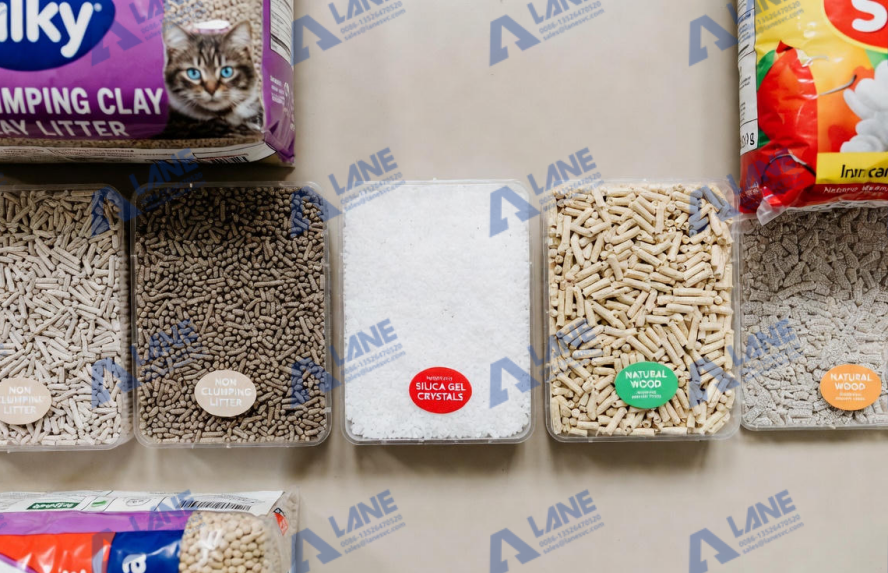
Common early indicators include slight changes in particle size distribution, increased dust levels without obvious process changes, and inconsistent clumping performance across batches. These signs often appear gradually and are easy to overlook if output volume remains stable. However, they usually indicate that one or more machines are drifting away from optimal operating conditions.
Common Screening-Related Issues and How to Detect Them
In cat litter machine troubleshooting, screening-related issues are often overlooked because machines continue running despite declining efficiency.
Screening-related problems are among the most frequent sources of hidden instability. A screening machine may continue operating while its efficiency slowly declines due to material buildup, vibration changes, or uneven load distribution.
When screening performance drops, oversized particles and fines begin to mix into the accepted product stream. This creates downstream stress on crushing, drying, and packaging processes.
In many troubleshooting cases, quality complaints traced to later stages actually originate from screening inefficiencies that went unnoticed.
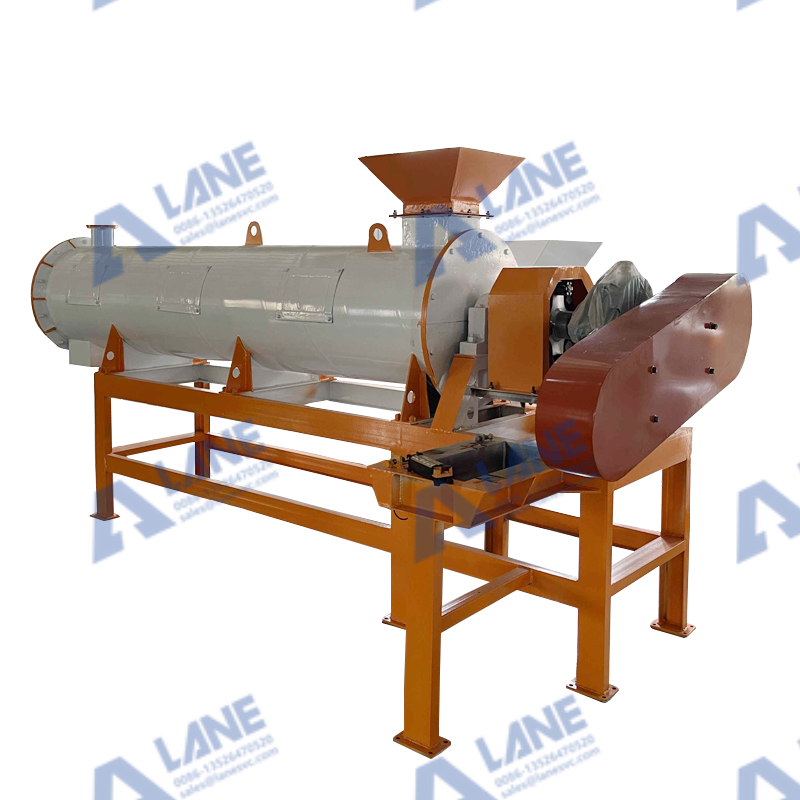
At LANE, we produce rotary screening machines to meet your needs and relieve your worries.
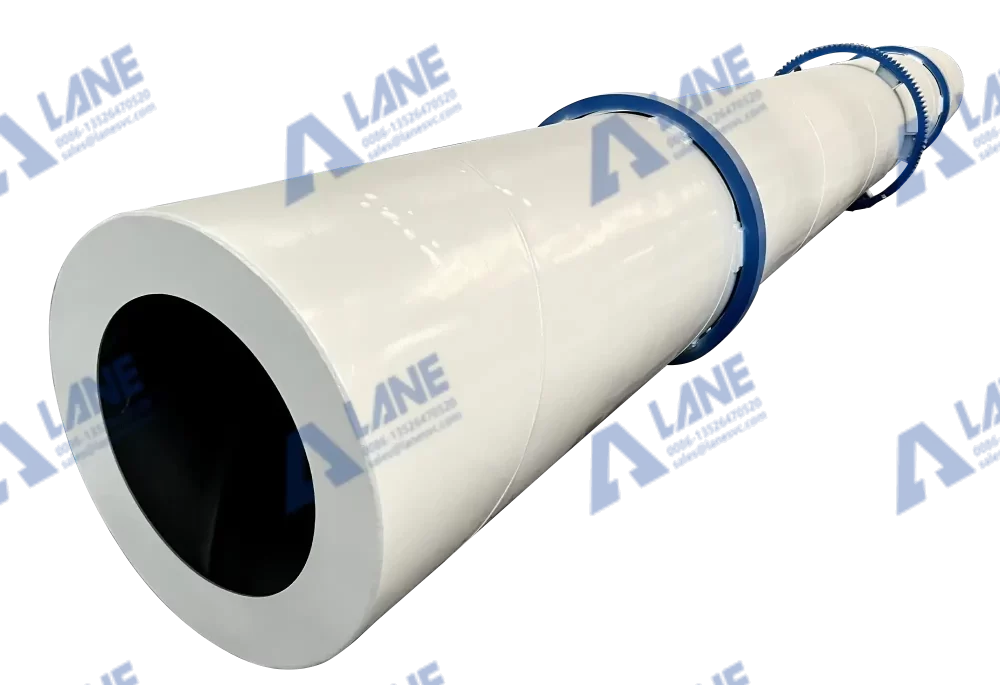
We use Deling Material: the rotary screening machine also named vibrating sieving machine, the screener machine can deal with all kinds of material Capacity: 1-23 ton/hr.
Application: the vibrating screening machine / vibrating sieving machine organic fertilizer, compound fertilizer, chemical, mining, metallurgy, construction, agriculture, food, etc.
Advantages: precise screening, easy operation & maintenance, large capacity, low cost
Crushing and Granule Damage: When Breaking Becomes a Problem
Crushing equipment plays a critical role in shaping granule structure, but it can also become a source of quality issues if not carefully monitored. Over-crushing increases the proportion of broken granules, while under-crushing leads to oversized particles that disrupt screening balance.
In cat litter machine troubleshooting, broken granules should never be treated as a random outcome. They often reflect misalignment between crushing intensity and screening capacity. Without coordinated adjustment, crushing-related problems tend to repeat across production cycles. Recognizing this pattern is essential for cat litter machine troubleshooting focused on long-term quality control.
Moisture, Drying, and Hidden Instability
Moisture content is one of the most underestimated factors in troubleshooting. Even small fluctuations in moisture levels can change how material behaves inside machines, increasing friction, adhesion, or breakage.
When drying systems operate inconsistently, upstream machines may experience unstable loads, while downstream screening becomes less predictable. Troubleshooting moisture-related issues requires observing trends rather than reacting to isolated measurements. Stable moisture control often resolves multiple machine-related symptoms at once.
Packaging Symptoms That Signal Upstream Problems
Packaging is often the first stage where quality problems become obvious. Torn bags, inconsistent fill weights, and excessive dust during packaging are common complaints. However, these issues rarely originate in the packaging machine itself.
From a troubleshooting perspective, packaging symptoms should be treated as signals rather than root causes. Granule fragility, uneven size distribution, or residual fines introduced earlier in the process are frequently responsible. Tracing issues backward from packaging helps identify the true source of instability.
A Systematic Approach to Cat Litter Machine Troubleshooting
A systematic approach to cat litter machine troubleshooting avoids trial-and-error adjustments and focuses on identifying root causes.
Effective cat litter machine troubleshooting follows a structured approach rather than trial-and-error adjustments. The process typically begins by observing final product behavior, then tracing potential causes upstream through screening, crushing, drying, and forming stages.
Instead of adjusting multiple parameters simultaneously, experienced operators focus on isolating variables and monitoring trends over time. Data consistency is more valuable than short-term optimization. This method reduces unnecessary interventions and helps maintain production stability under varying conditions.
How Integrated Equipment Design Reduces Troubleshooting Frequency
Production lines designed as integrated systems naturally reduce the frequency of troubleshooting events. When machines are engineered to work together, material flow becomes more predictable, and deviations are easier to detect early.
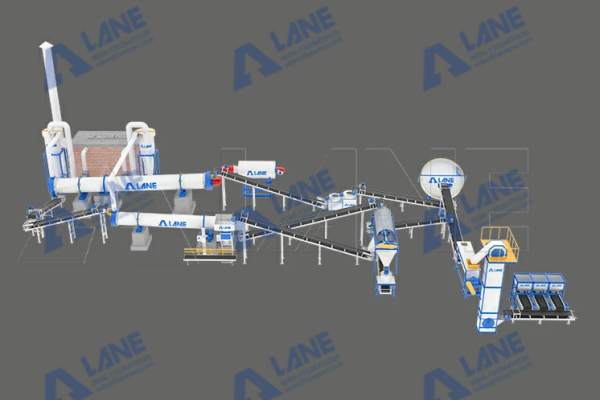
Integrated equipment layouts also allow feedback between machines, enabling automatic correction before quality drops occur. From a long-term perspective, system-level design decisions often have a greater impact on troubleshooting needs than individual machine performance.
Related Equipment and Production Solutions
Modern cat litter production relies on coordinated equipment systems rather than isolated machines. Solutions commonly associated with effective troubleshooting include:
- Cat litter crushing machines for controlled granule breakdown
- Screening machines for stable particle size separation
- Automated packaging systems to protect granule integrity
These components work together to reduce variability and simplify long-term production management.
Conclusion – Fixing Problems Before They Reach the Customer
When approached systematically, cat litter machine troubleshooting becomes a preventive tool that protects product quality long before issues reach the customer.
Cat litter machine troubleshooting is most effective when it focuses on prevention rather than correction. By identifying early warning signs, understanding system interactions, and maintaining stable operating windows, manufacturers can address issues before they affect product quality.
Troubleshooting is not about reacting to failure. It is about protecting consistency, reducing risk, and ensuring that quality remains stable long before the product reaches the customer.
We are always on your side, helping you solve problems in your production line and equipment, and taking preventive measures in advance. Whether it’s equipment replacement, professional customization or local after-sales service, we offer a one-stop service. 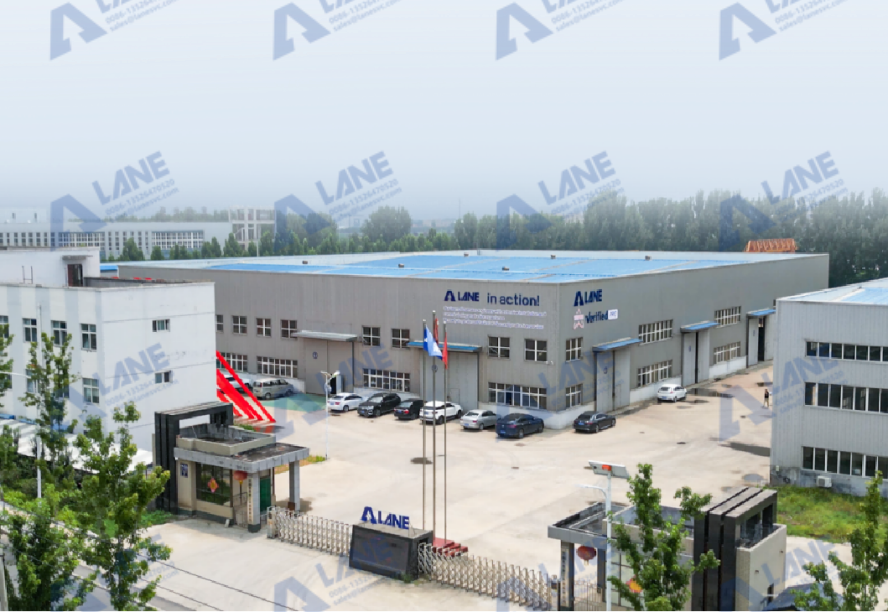
For more details, please feel free to contact us.
Henan Lane Heavy Industry Machinery Technology Co., Ltd.
Email: sales@lanesvc.com
Contact number: +86 13526470520
Whatsapp: +86 13526470520