

Cat Litter Line Solutions: Complete Production Options for Modern Manufacturers
Cat Litter Line Solutions: Complete Production Options for Modern Manufacturers
Introduction – Why Cat Litter Line Solutions Matter
In today’s rapidly evolving pet care market, manufacturers need advanced cat litter line solutions to meet diverse product demands, including clay, crystal, biodegradable, and plant-based litters. As the global pet industry grows, efficient production systems not only increase output but also enhance quality consistency and sustainability. Modern solutions support a range of raw materials and capacities, helping producers stay competitive.
A well-designed cat litter line incorporates precision engineering and automation to deliver reliable performance, low energy use, and adaptable workflows — a foundation for success whether your goal is traditional clay litter or eco-friendly variants.
Global Market Trends Reinforcing Cat Litter Line Solutions
The global cat litter market continues to expand significantly, with projected growth from approximately USD 16.4 billion in 2024 to over USD 22 billion by 2030, driven by rising cat ownership and increasing adoption of premium and sustainable litter products. Clay still dominates the material segment, but wood-, corn-, and other natural litter types are gaining traction due to consumer demand for eco-friendly alternatives and improved odor-control performance. Urbanization and disposable income growth are particularly strong drivers in Asia-Pacific markets for these innovations, highlighting the importance of flexible cat litter line solutions that can serve both traditional and emerging product segments.
Adapting production systems to emerging product types and shifting buyer preferences means that manufacturers must consider scalability, raw material compatibility, and market outlook when choosing or upgrading cat litter line solutions. Firms that can bridge the gap between efficient production and responsiveness to trends — such as biodegradable or low-dust litter — are better positioned to capture growth and gain differentiation in competitive regions like North America and Asia-Pacific.
E-Commerce, Distribution Channels, and Cat Litter Line Solutions
Another important factor shaping production strategy is the rapid rise of e-commerce and modern distribution channels. In recent years, online platforms have accounted for a growing share of cat litter sales worldwide, with many consumers opting for subscription models and delivery services that provide convenience and variety. This shift emphasizes the need for cat litter line solutions to be adaptable not only in terms of product type but also packaging format, bulk versus retail packaging, and supply chain integration to support diverse sales channels.
For manufacturers, aligning production output with real-time demand and distribution patterns requires systems that can efficiently switch between small-batch specialty products and larger runs for mainstream retail. This flexibility in production planning and execution contributes to stronger competitiveness and improved responsiveness to dynamic market conditions.
Understanding Different Cat Litter Types and Their Production Needs
Before selecting cat litter production solutions, it’s essential to understand the materials you intend to process. Common litter types include:
-
Bentonite & Clay Litter: Strong clumping and odor control properties.
-
Crystal & Silica Litter: Fast moisture absorption and low dust.
-
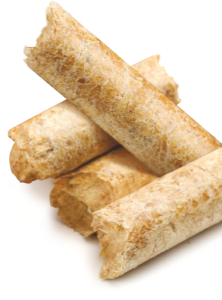
Plant-based & Biodegradable Litter: Made from wood, recycled paper, corn, or tofu residue.
-
Mixed Litter Formulas: Blends of different raw materials for tailored performance.
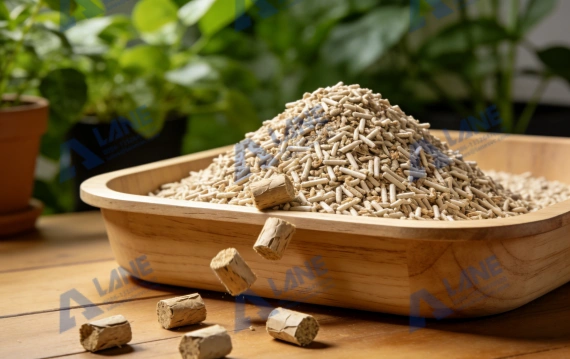
Each material category requires specific design considerations in cat litter line solutions — from raw material handling to drying and pellet forming — to ensure product quality and consistency.
Key Components of a Complete Cat Litter Line Solution
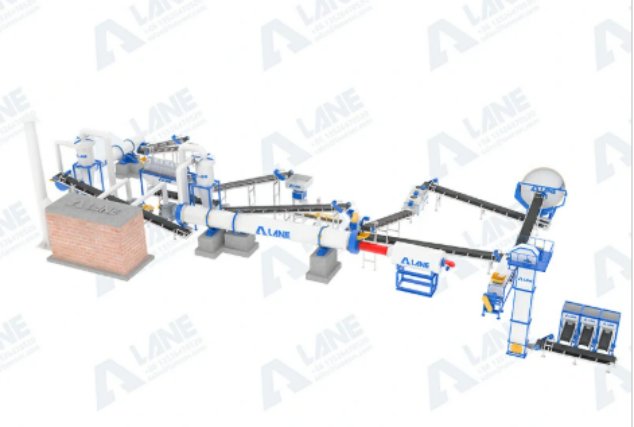
A complete cat litter production system consists of integrated equipment that handles the entire process from raw material to finished product. Typical components include:
-
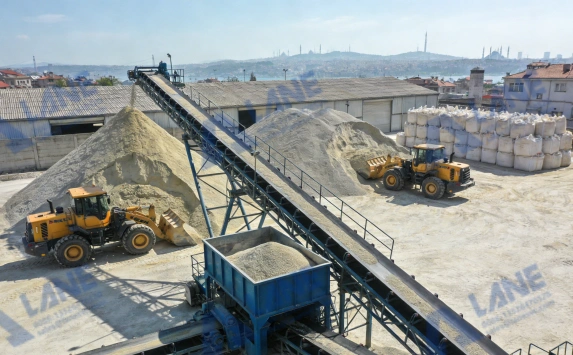
Raw Material Crushers — Break down raw feedstock into manageable particle sizes.
-
Mixers — Ensure uniform blending of additives and binders.
-
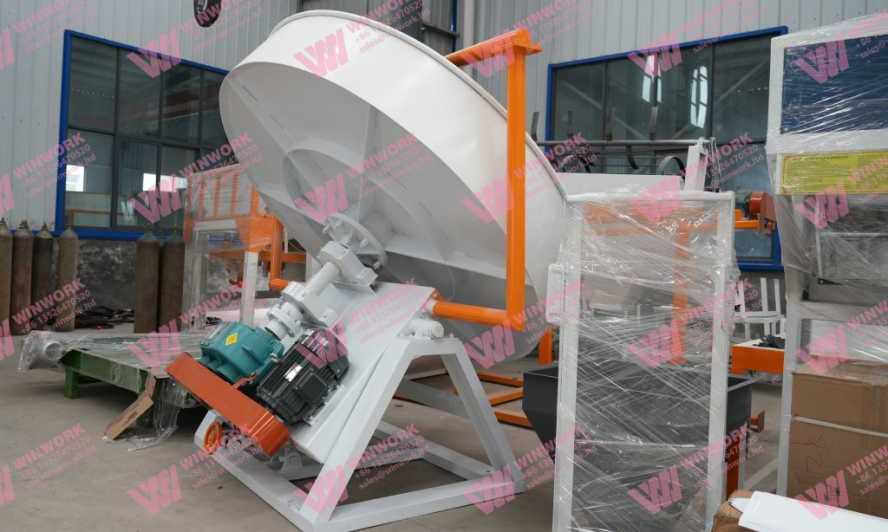
Granulators/Pellet Mills — Form stable litter pellets with adjustable size and density.
-
Dryers & Coolers — Control moisture for durability and storage stability.
-
Screening Machines — Separate qualified pellets from fines and reprocess broken pieces.
-
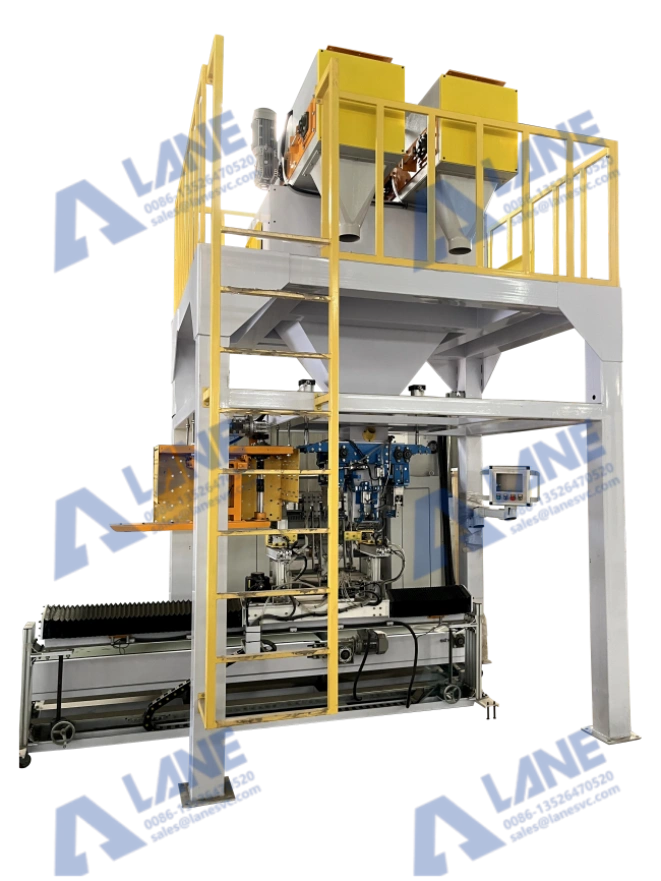
Packaging Systems — Automated weighing and bagging for retail readiness.
These building blocks form the backbone of cat litter line solutions and can be scaled or configured based on output requirements.
Custom Cat Litter Line Solutions for Diverse Raw Materials
Effective cat litter line solutions must be adaptable to different raw materials. Custom engineering allows manufacturers to handle:
-
Plant-derived biodegradable materials using low-temperature drying and gentle granulation.
-
Bentonite clay systems with high-pressure granulators for dust-free clumping.
-
Silica gel production with precision humidity and crystal consistency control.
With flexible designs, lines can start at pilot scale and expand modularly to higher capacities, reducing upfront risk while planning for future growth.
Automation and Efficiency in Modern Cat Litter Production
Automation is a defining feature of advanced cat litter line solutions. By integrating smart controls and real-time monitoring systems, manufacturers can:
-
Maintain consistent processing parameters across multiple machines.
-
Reduce manual labor needs and human error.
-
Increase throughput while minimizing downtime.
-
Improve energy efficiency with automation-enabled drying and cooling sequences.
Automation also enhances safety and process repeatability, allowing operations to scale production reliably without proportionally increasing workforce costs.
Sustainability and Eco-Friendly Cat Litter Line Solutions
As sustainability becomes a market priority, manufacturers are seeking cat litter line solutions that reduce energy use, waste, and environmental impact. Eco-friendly solutions include:
-
Reprocessing agricultural byproducts like soybean residue, wood chips, and corn fiber.
-
Energy recovery systems that reuse heat from drying to reduce overall power draw.
-
Production lines tailored for biodegradable litter that supports certified eco-friendly products.
These innovations not only align with consumer demand for sustainable pet products but also improve operational efficiency.
Evaluating Turnkey vs Modular Cat Litter Production Approaches
When planning cat litter line solutions, manufacturers often choose between:
-
Turnkey Solutions — Fully integrated systems delivered ready to operate with minimal custom coordination needed.
-
Modular Approaches — Flexible systems that allow phased expansion and customization over time.
A turnkey approach is ideal for companies ready to scale quickly with a single supplier handling design, equipment, installation, and training. Modular systems appeal to businesses that want to expand gradually or tailor specific stages for unique product lines.
How to Choose the Right Cat Litter Line Solution for Your Business
Selecting the right cat litter line solutions involves evaluating several factors:
-
Production capacity needs — from small pilot lines to large commercial plants.
-
Raw material compatibility — ensuring the line supports your chosen litter types.
-
Automation and control features — to minimize labor and maximize consistency.
-
Budget and future scalability — balancing investment with growth potential.
By considering these criteria, manufacturers can identify solutions that align with both short-term operations and long-term strategic goals.
Conclusion – Optimizing Cat Litter Production for Growth
In a competitive pet products landscape marked by rising demand and innovation, selecting effective cat litter line solutions is crucial for growth, quality, and sustainability. Whether focusing on plant-based biodegradable litter or traditional clay and crystal mixtures, modern systems provide the flexibility, automation, and efficiency needed to succeed.
Investing in the right production platform enables manufacturers not only to meet current market expectations but also to adapt to future trends — including eco-friendly materials, smart process controls, and customized litter formulations.
For more details, please feel free to contact us.
Henan Lane Heavy Industry Machinery Technology Co., Ltd.
Email: sales@lanesvc.com
Contact number: +86 13526470520
Whatsapp: +86 13526470520