

Cat Litter Factory Setup Costs, Equipment & ROI Explained
Starting a cat litter business sounds straightforward until you actually start pricing it out. The machinery, the facility, the raw materials — costs stack up faster than most people expect. But here’s the thing: a properly planned cat litter factory setup can deliver exceptional returns, especially in markets where pet ownership is climbing year over year.
This article breaks down what it genuinely costs to get a cat litter factory setup off the ground, what equipment you actually need, and whether the numbers make sense for serious investors.
What’s Driving Global Demand for Cat Litter?
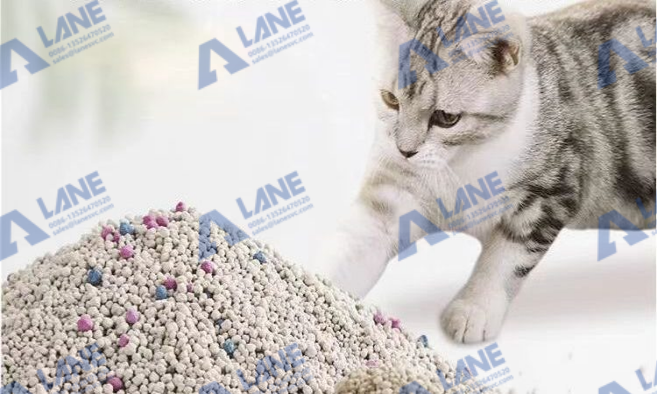
The global cat litter market is projected to surpass $8 billion by 2028. Rising pet adoption rates across Asia, the Middle East, and Southeast Asia are fueling sustained demand. Bentonite-based products still dominate shelf space, but tofu cat litter — made from soybean residue — is gaining serious traction in premium markets.
From what I’ve seen working with production facilities across multiple continents, entrepreneurs who enter this space with the right equipment mix and realistic cost projections tend to outperform those who underestimate the setup phase. The learning curve is real, but so is the margin.
Core Equipment for a Cat Litter Production Line
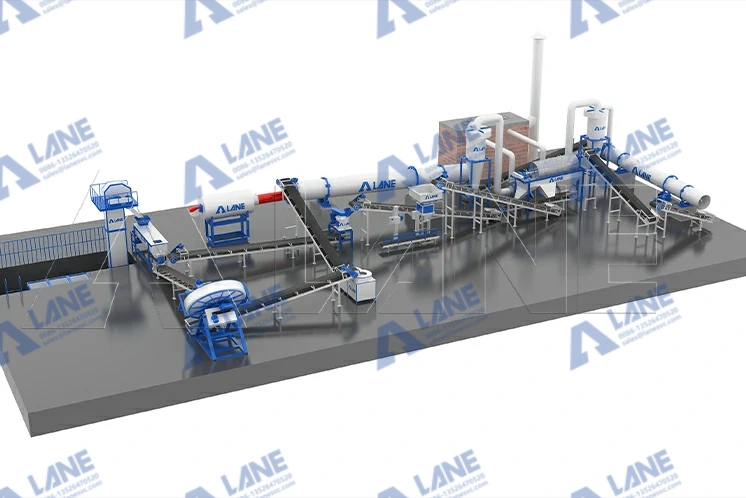
Any viable cat litter production line shares a common set of machinery. Whether you’re processing bentonite, silica gel, or plant-based materials, the core equipment lineup looks roughly like this:
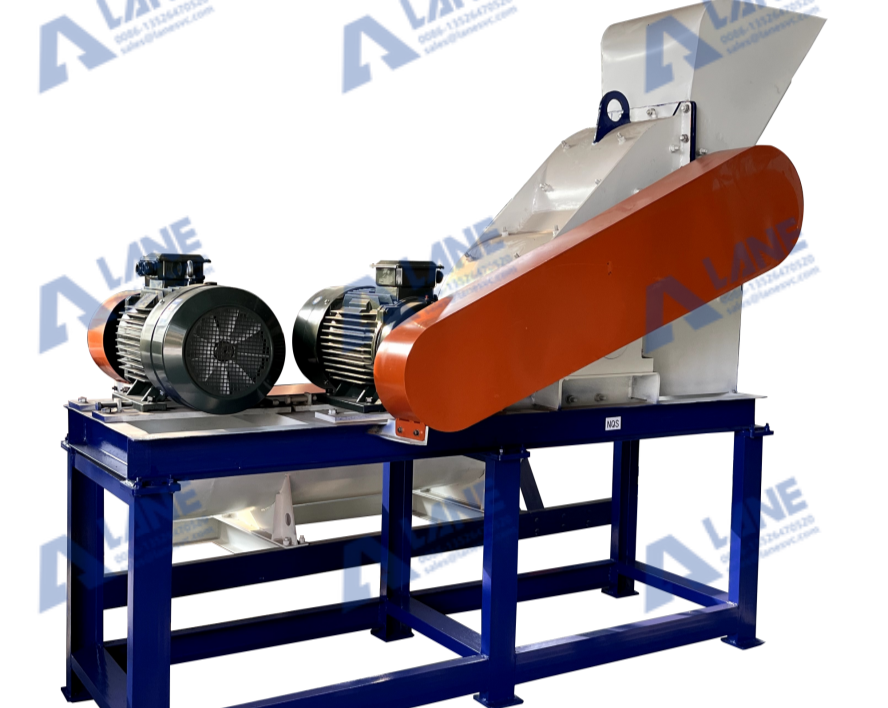
- Raymond Mill— Grinds raw materials (bentonite, zeolite) to the required particle fineness. Output mesh determines product quality significantly.
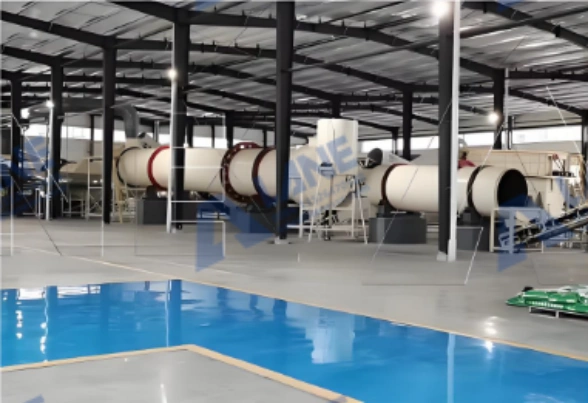
- Rotary Drum Dryer— Reduces moisture content to the 8–12% range required for granulation. Consistent drying is non-negotiable for clumping performance.
- Disc Granulator— Forms raw powder into uniform spherical granules. Disc angle and rotation speed control final granule size.
- Vibrating Screen— Separates on-spec granules from oversized or undersized particles. Multi-deck screens allow simultaneous size classification.
- Rotary Drum Cooler— Drops product temperature before packaging to prevent moisture reabsorption and clumping in bags.
- Belt Conveyor System— Moves material between processing stages continuously, reducing manual labor and cross-contamination risk.
- Automatic Packaging Machine— Fills and seals bags at 5–25 kg capacity depending on target market. Speed ratings typically range from 8 to 20 bags per minute.
Honestly, the Raymond mill and the dryer are the two pieces of equipment where you cannot afford to cut corners. I’ve seen underpowered mills create bottlenecks that choke an entire cat litter production line within weeks of commissioning.
Cat Litter Factory Setup Costs: A Realistic Breakdown
Let me walk you through what a cat litter factory setup actually costs at different scales. These figures reflect real market pricing, not brochure estimates.
Small-Scale Operation (1–3 TPH Capacity)
For a small production facility targeting local distribution:
- Equipment package: $80,000 – $150,000
- Factory space (lease, 1,000–2,000 m²): $15,000 – $40,000/year
- Utility installation (power, water, ventilation): $20,000 – $35,000
- Raw material initial stock (bentonite, additives): $25,000 – $60,000
- Estimated total: $140,000 – $285,000
Mid-Scale Operation (5–10 TPH Capacity)
A commercially viable cat litter factory setup for regional export:
- Equipment package: $250,000 – $450,000
- Factory space (3,000–6,000 m²): $50,000 – $120,000/year
- Civil construction and installation: $60,000 – $100,000
- Working capital (3 months): $80,000 – $150,000
- Estimated total: $440,000 – $820,000
Manufacturers like LANE, which specialize in complete industrial production systems, typically offer turnkey solutions that bundle equipment supply, installation support, and technical commissioning — worth considering when you’re evaluating total landed cost rather than just machine price.
Large-Scale Industrial Plant (20+ TPH Capacity)
Enterprise-grade facilities designed for export markets:
- Equipment package: $800,000 – $2,000,000+
- Total project cost with civil works: $1,500,000 – $4,000,000+
ROI Analysis: When Does This Investment Pay Off?
This is the question that matters. A cat litter production line running at 5 TPH, operating 20 days per month, produces approximately 2,000 metric tons monthly. At a conservative selling price of $180 per ton, that’s $360,000 in monthly revenue.
Subtract raw material costs (roughly $80–$100/ton), energy (around $15–$20/ton), labor, and logistics, and you’re looking at net margins in the 25–35% range under normal operating conditions. At that rate, a mid-scale plant typically achieves full capital recovery within 2.5 to 4 years.
You know what accelerates that timeline? Vertical integration — controlling your bentonite supply source — and targeting export markets where price premiums for quality product are real and consistent.
Site Requirements and Regulatory Considerations
A cat litter factory setup isn’t just about machinery. The facility itself needs to support production. Key site requirements include:
- Minimum ceiling height of 6 meters in the milling and drying area
- Three-phase electrical supply, typically 380V/50Hz for Asian markets
- Adequate ventilation and dust extraction infrastructure
- Proximity to raw material supply or rail/road freight corridors
Regulatory requirements vary significantly by country. Environmental compliance — particularly dust emissions and wastewater discharge — is increasingly enforced. Building this into your plant design from day one is far cheaper than retrofitting.
Choosing the Right Equipment Supplier
Not all machinery suppliers are equal, and frankly, the difference between a competent manufacturer and a weak one shows up fast — usually within the first six months of operation.
Evaluate suppliers on after-sales support capability, availability of spare parts, and whether they’ve actually commissioned similar cat litter production line projects in your target region. Ask for reference sites. Visit them if you can.
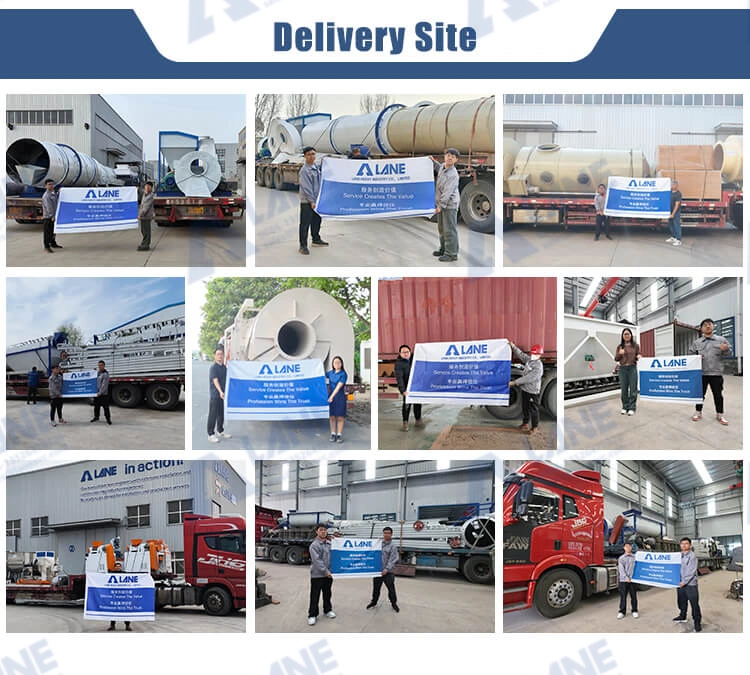
LANE has extensive experience supplying industrial processing lines across African and Asian markets, making them a solid reference point when benchmarking cat litter production line specifications and pricing for your own project.
Ready to Move Forward?
A well-planned cat litter factory setup is a genuinely compelling industrial investment for the right operator in the right market. The demand fundamentals are solid, the technology is proven, and the margins hold up under scrutiny.
Contact our engineering team for a customized production line proposal tailored to your target capacity, raw material profile, and regional requirements.
Frequently Asked Questions
Q1: How much does a cat litter factory setup cost for a beginner?
Entry-level operations with 1–2 TPH capacity typically require $140,000–$285,000 in total initial investment, including equipment, facility preparation, and working capital.
Q2: What is the minimum space required for a cat litter production line?
A functional small-scale cat litter production line requires a minimum of 800–1,200 m² of covered production space, with adequate ceiling height for dryer and milling equipment.
Q3: What raw materials are used in cat litter manufacturing?
The most common materials are sodium bentonite (for clumping litter), silica gel, zeolite, and plant-based alternatives such as tofu (soybean residue), corn, and wood pulp.
Q4: How long does it take to commission a cat litter factory?
From equipment delivery to first production run, commissioning typically takes 30–90 days depending on civil works readiness, equipment complexity, and supplier technical support capacity.
Q5: What certifications are required to export cat litter products?
Requirements vary by destination market. Common certifications include ISO 9001 quality management, CE marking for machinery, and product safety standards specific to the importing country.
Q6: Is cat litter manufacturing profitable in Africa or Southeast Asia?
Yes. Both regions show strong and growing demand for affordable cat litter products, combined with access to local bentonite deposits and lower operating costs, which can significantly improve margin profiles compared to established markets.
For more details, please feel free to contact us.
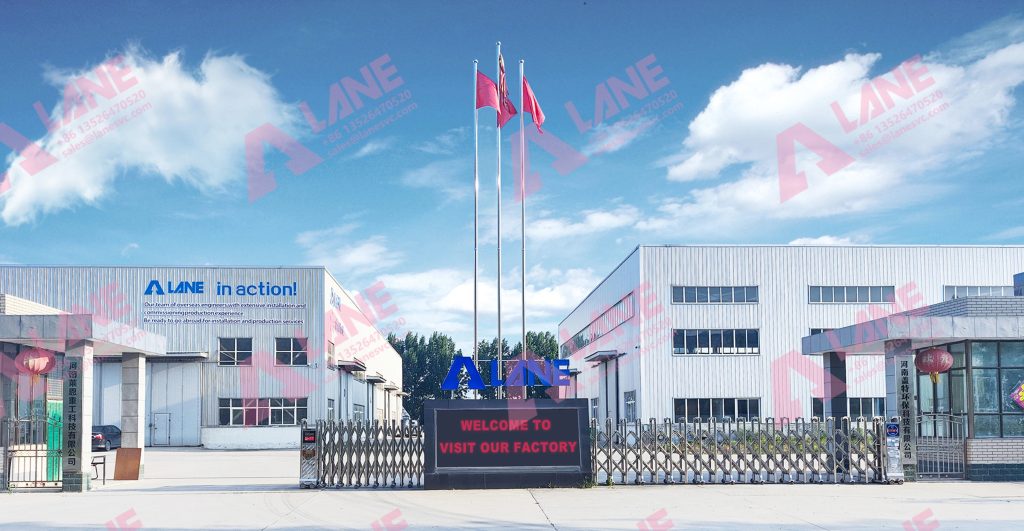
Henan Lane Heavy Industry Machinery Technology Co., Ltd.
Email: sales@lanesvc.com
Contact number: +86 13526470520
Whatsapp: +86 13526470520