

Choosing the Right Cat Litter Factory Equipment for Stable, Scalable Production
Choosing the Right Cat Litter Factory Equipment for Stable, Scalable Production
In modern manufacturing, cat litter factory equipment is no longer viewed as a collection of individual machines. For producers aiming at long-term growth, equipment selection directly determines production stability, cost control, and the ability to scale as demand increases.
Many manufacturers discover too late that output inconsistency, excessive dust, frequent downtime, or high maintenance costs are not material problems, but equipment system issues. Choosing the right cat litter factory equipment from the beginning is therefore a strategic decision rather than a purely technical one.
This article focuses on how manufacturers can evaluate equipment from a system perspective—prioritizing stability, scalability, and real production performance.
What a Complete Cat Litter Factory Equipment System Includes
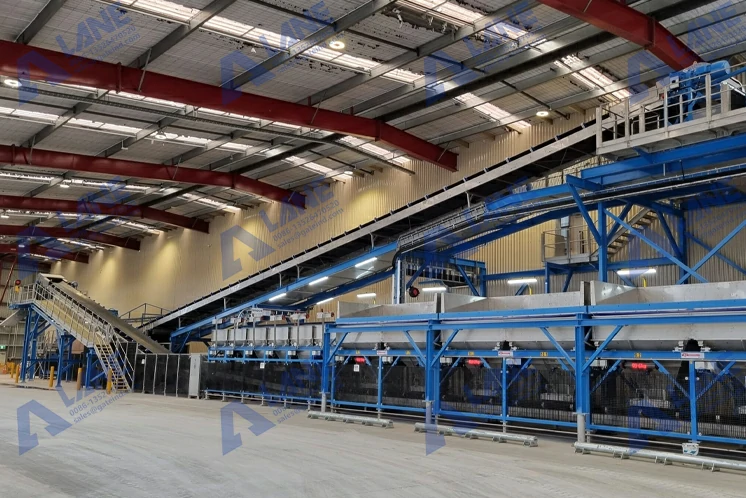
A modern cat litter factory does not rely on isolated machines. Instead, it operates as an integrated system designed to move materials smoothly from raw input to packaged product.
A complete cat litter factory equipment setup typically includes:
-
Raw material handling and feeding systems
-
Crushing, shaping, or granulation equipment
-
Screening and particle size control units
-
Drying and moisture control systems
-
Cooling, conveying, and dust management
-
Automatic packaging and sealing machines
The key point is not the number of machines, but how well they work together. Equipment compatibility, synchronized capacity, and unified control logic are what define a reliable production line.
Performance Factors That Define High-Quality Equipment
When evaluating cat litter factory equipment, performance indicators matter far more than appearance or nominal capacity.
In real production environments, high-quality equipment should deliver:
-
Consistent output across long operating hours
-
Stable granule structure with minimal breakage
-
Controlled dust generation throughout the line
-
Predictable energy consumption per ton of output
-
Low maintenance frequency under continuous use
These factors directly affect operating cost and product quality. Equipment that performs well only under ideal conditions often becomes a bottleneck once production volume increases.
Modern cat litter factory equipment is designed to operate under variation—different formulations, humidity levels, and throughput demands—without compromising consistency.
Many production issues only become visible after months of operation. Equipment that initially appears cost-effective may later cause hidden losses through frequent stoppages, excessive material waste, or unstable product quality. In these cases, the true cost of cat litter factory equipment is not reflected in the purchase price, but in long-term operational inefficiency.
Manufacturers who select equipment based solely on nominal capacity often underestimate how small performance gaps compound over time. In high-output factories, even minor inconsistencies can translate into significant losses. This is why experienced producers evaluate cat litter factory equipment as a long-term production asset rather than a short-term expense.
Key Machines That Determine Overall Equipment Quality
Although cat litter factory equipment functions as a system, several core machines play a disproportionate role in determining final product quality.
Crushing and Granulation Equipment
Crushing or shaping units must balance force and control. Excessive mechanical stress increases broken granules and dust, while insufficient shaping leads to weak structure.
Well-designed equipment offers:
-
Adjustable pressure settings
-
Uniform stress distribution
-
Stable operation under continuous load
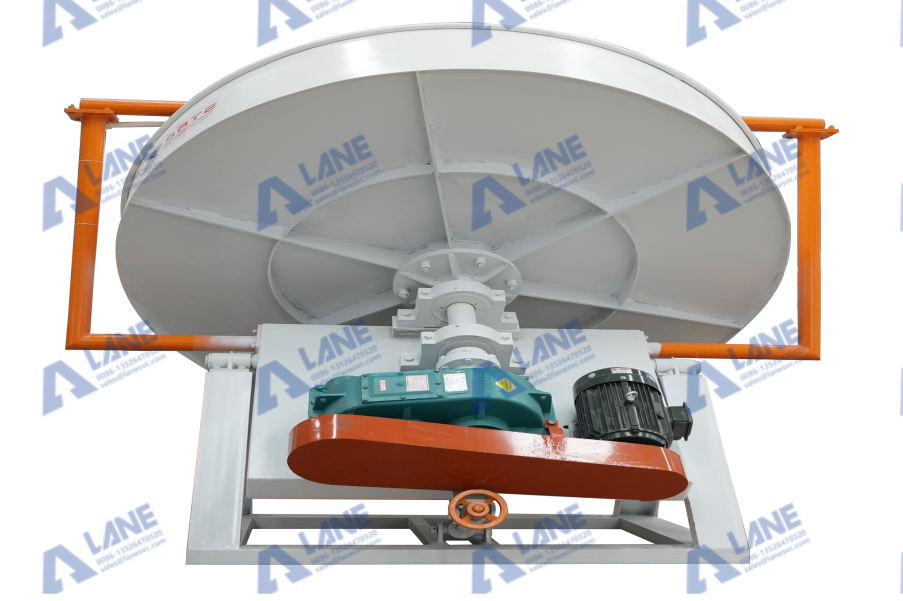
Screening defines particle size distribution and directly affects product appearance and customer experience.
High-performance screening systems provide:
-
Precise separation accuracy
-
Flexible mesh configurations
-
Stable vibration without material damage
Moisture control is critical for clumping performance and shelf stability. Advanced drying systems ensure:
-
Even temperature distribution
-
Controlled residence time
-
Reduced risk of over-drying or under-drying
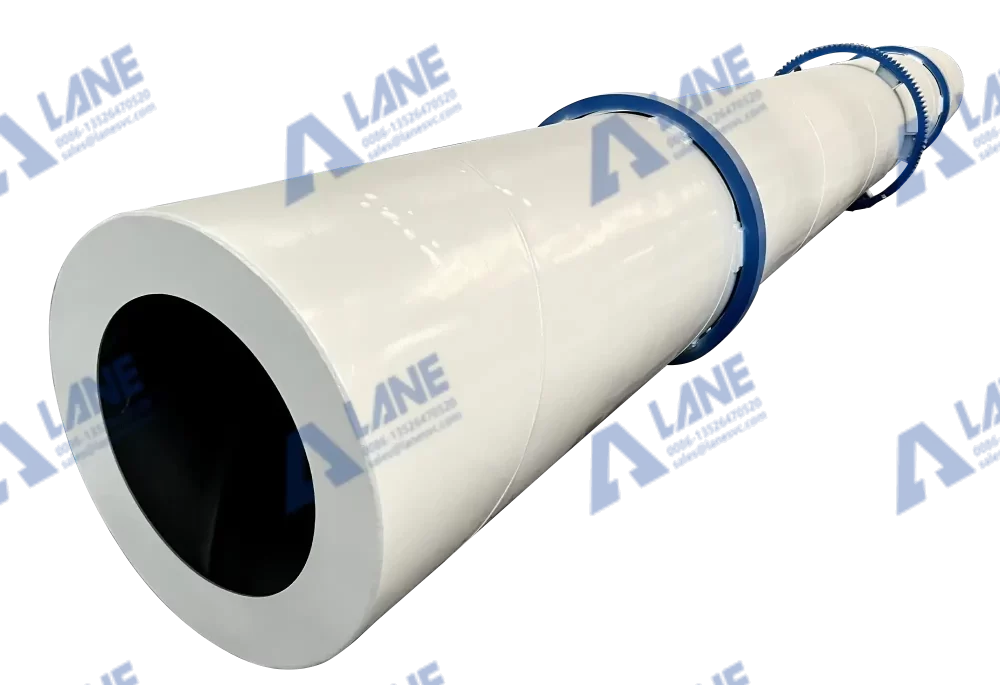
Why Integrated Cat Litter Factory Equipment Outperforms Standalone Machines
Some manufacturers assemble production lines by sourcing individual machines from multiple suppliers. While this may appear cost-effective initially, it often leads to long-term inefficiencies.
Standalone machines typically:
-
Operate at mismatched capacities
-
Require frequent manual adjustment
-
Create bottlenecks between stages
Integrated cat litter factory equipment systems are engineered as a whole. Capacity matching, automation logic, and material flow are coordinated from the design stage.
This integration results in:
-
Fewer interruptions
-
Lower labor dependency
-
More predictable output quality
From a scaling perspective, integrated systems are also easier to expand, allowing manufacturers to increase capacity without redesigning the entire line.
Designed for OEM Manufacturers and Growing Brands
OEM manufacturers and private-label producers face unique challenges. Product specifications change, customer requirements vary, and production flexibility becomes a competitive advantage.
Modern cat litter factory equipment must support:
-
Multiple formulations on the same line
-
Quick parameter adjustments
-
Gradual capacity expansion
Equipment designed with flexibility in mind allows OEM producers to respond quickly to market trends without major reinvestment. This adaptability is especially important for factories serving multiple brands or export markets.
As an equipment manufacturer, LANE focuses on supporting this operational flexibility through modular design and long-term system planning.
Choosing Equipment as a Long-Term Investment
Purchasing cat litter factory equipment is not a short-term decision. The real cost of equipment is measured over years of operation, not at installation.
Reliable equipment reduces:
-
Unplanned downtime
-
Material waste
-
Energy inefficiency
-
Operator intervention
Manufacturers who prioritize system stability during equipment selection often achieve lower total production costs and more consistent product quality over time.
Conclusion
Choosing the right cat litter factory equipment is essential for manufacturers seeking stable, scalable production. Beyond individual machine specifications, success depends on system integration, performance reliability, and long-term adaptability.
By focusing on equipment designed for real production conditions, manufacturers can build factories that grow with market demand while maintaining consistent quality and operational efficiency.
For producers planning new lines or upgrading existing facilities, working with an experienced equipment partner helps ensure that cat litter factory equipment becomes a foundation for growth rather than a future limitation.
For more details, please feel free to contact us.
Henan Lane Heavy Industry Machinery Technology Co., Ltd.
Email: sales@lanesvc.com
Contact number: +86 13526470520
Whatsapp: +86 13526470520