

Step-by-Step Cat Litter Equipment Maintenance Guide for Manufacturers
Step-by-Step Cat Litter Equipment Maintenance Guide for Manufacturers
Table of Contents
1. Introduction to cat litter equipment maintenance
2.Common maintenance challenges
3.Daily and weekly maintenance practices
4.Monthly and periodic checks
5.Safety considerations during maintenance
6.Equipment load and production rhythm
7.Tips to prolong equipment life
8.Conclusion: Efficient and reliable cat litter production
Introduction to cat litter equipment maintenance
Efficient cat litter production requires more than just quality raw materials; the performance and reliability of machinery play a decisive role. A structured cat litter equipment maintenance guide is essential for keeping your production line running smoothly. Machines that are neglected can develop small issues that quickly escalate into downtime, uneven granule formation, or costly repairs.
By following these strategies in your daily operations, manufacturers can ensure consistent cat litter output while minimizing downtime and extending equipment life through a structured cat litter equipment maintenance guide.
For example, hammer crushers and mixers may seem simple, but even minor misalignment or a worn bearing can compromise the entire process. By following a step-by-step maintenance approach, manufacturers can ensure their cat litter output remains consistent, minimize unexpected stoppages, and extend equipment longevity.
Common maintenance challenges
Even experienced operators encounter recurring problems if maintenance routines are ignored. Some common issues include:
-
Hammer crusher wear: The crushing rotor and screens are prone to abrasion when processing hard feedstock.
-
Mixer blades loosening: Vibrations over time can reduce mixing efficiency, causing uneven granule moisture or clumping.
-
Overheated motors or worn belts: Conveyors and drying equipment often fail if belt tension and motor lubrication are not monitored.
-
Inconsistent granule size: Irregular feedstock or uncalibrated granulators can result in softer or brittle pellets.
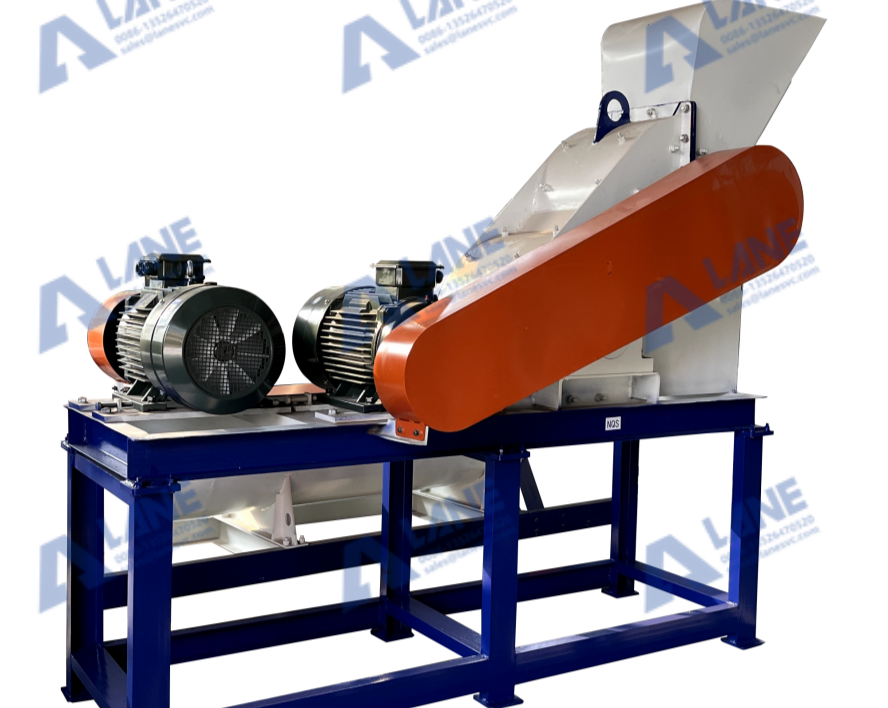
Awareness of these challenges helps prioritize inspections. Many manufacturers rely on experienced suppliers to provide guidance for spotting early signs of wear and to schedule preventive maintenance.
Daily and weekly maintenance practices
Maintaining your cat litter production line is easier if tasks are split between daily and weekly routines.
Daily tasks:
-
Clean all accessible surfaces to remove dust, powder, and residues.
-
Check lubrication points and apply manufacturer-recommended grease or oil.
-
Tighten visible bolts or fasteners to prevent vibration issues.
Weekly tasks:
-
Inspect conveyor belts and rollers for wear or slippage.
-
Check motors, fans, and electrical connections for abnormal heat or vibration.
-
Examine mixer blades and granulator rotors for signs of abrasion.
-
Record observations in a maintenance log to identify patterns early.
Adhering to this cat litter equipment maintenance guide helps operators prevent common issues before they escalate, keeping all machines—from crushers to mixers—in peak condition.
Consistent daily and weekly maintenance is a core part of this cat litter equipment maintenance guide. Small, routine actions prevent larger disruptions and help your production line operate at peak efficiency.
Monthly and periodic checks
For long-term reliability, deeper inspections are necessary. Consider these checks:
-
Bearing and axle wear: Especially in hammer crushers and granulators; worn bearings reduce efficiency and can damage rotors.
-
Gear alignment and transmission belts: Misalignment increases friction, energy consumption, and component wear.
-
Thorough hopper and bin cleaning: Prevent moisture accumulation and microbial growth.
-
Control system calibration: Ensures consistent granule size, clumping ability, and moisture content.
Following a proper cat litter equipment maintenance guide ensures that even long-term wear components are monitored and replaced proactively.
Some manufacturers schedule quarterly or semi-annual evaluations to prevent minor issues from escalating. Partnering with experienced equipment providers ensures that these checks are accurate, timely, and reduce downtime risk.
Safety considerations during maintenance
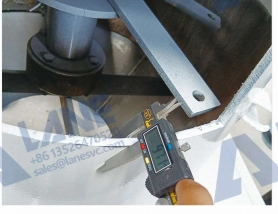
Safety should never be overlooked, even for small adjustments. Key considerations:
-
Always power off and lockout equipment before servicing.
-
Wear personal protective equipment, including gloves, goggles, and dust masks.
-
Never bypass safety interlocks on mixers, crushers, or conveyors.
-
Follow manufacturer recommendations for disassembly, cleaning, and lubrication.
These precautions not only protect personnel but also prevent accidental damage to expensive equipment.
Equipment load and production rhythm
Another critical factor in cat litter production is the load and pace at which your machinery operates. Overloading a hammer crusher or mixer can accelerate wear on shafts, bearings, and blades. Following this cat litter equipment maintenance guide, manufacturers should carefully monitor machine load and avoid continuous high-speed operation beyond recommended limits.
Adjusting production schedules or rotating equipment usage not only preserves machinery but also ensures more consistent cat litter granule quality. By regularly inspecting these high-wear areas according to the cat litter equipment maintenance guide, manufacturers can prevent rotor failure, uneven mixing, and conveyor issues.
Tips to prolong equipment life
Beyond daily and periodic maintenance, consider these best practices:
-
Train operators on proper handling, load limits, and emergency procedures.
-
Monitor production loads carefully; overworking equipment can lead to premature wear.
-
Use only recommended lubricants and spare parts; incorrect materials accelerate deterioration.
-
Keep a detailed maintenance log; spotting recurring issues early allows for quick corrections.
-
Leverage supplier expertise: Many equipment providers offer technical guidance and scheduled maintenance programs that extend machinery lifespan.
With these steps, manufacturers often see longer machine life, fewer breakdowns, and more consistent cat litter quality. These measures are part of a holistic approach to sustainable, reliable production.
Keeping a detailed maintenance log is one of the most effective ways to follow this cat litter equipment maintenance guide. By recording each inspection, lubrication, or component replacement, operators can identify recurring issues, predict future failures, and plan preventive maintenance more accurately.
Combining historical maintenance data with supplier insights allows for proactive decisions, reducing unexpected downtime and extending the overall lifespan of all cat litter production equipment. Keeping a detailed maintenance log is one of the most effective ways to follow this cat litter equipment maintenance guide.
Conclusion: Efficient and reliable cat litter production
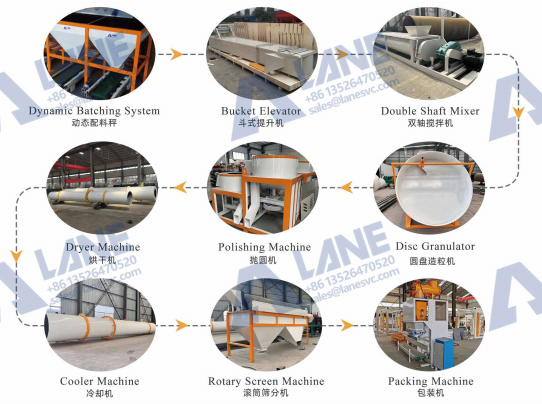
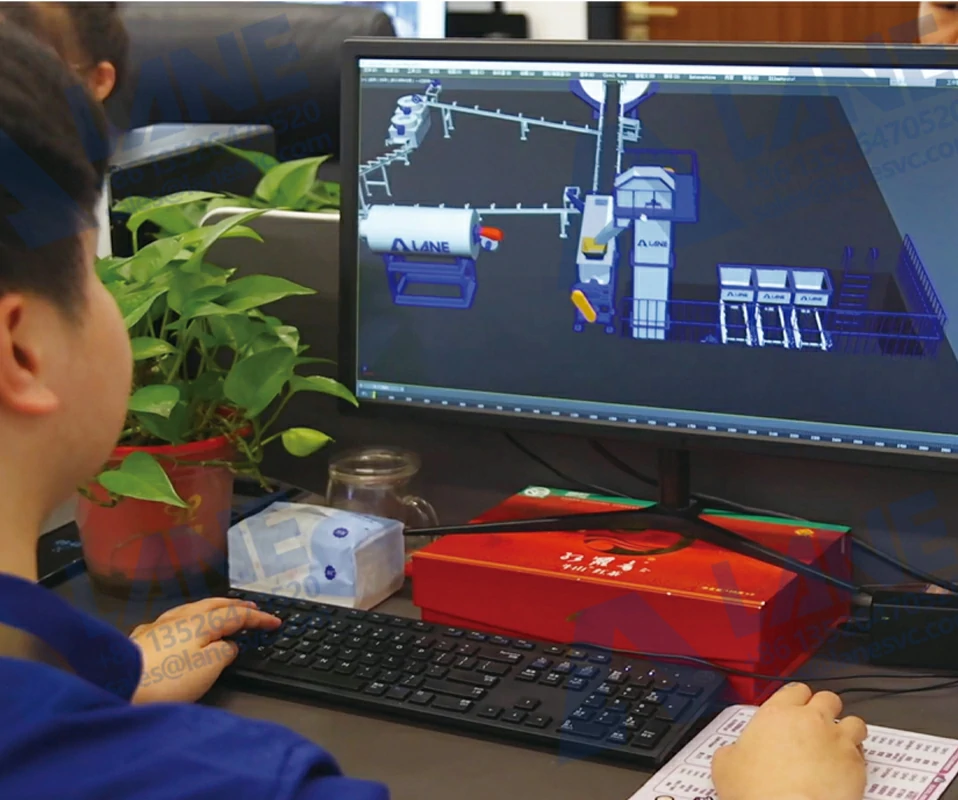
Following this cat litter equipment maintenance guide ensures that every stage of production—from crushing and mixing to granulation and drying—operates efficiently. Regular checks, timely lubrication, and proactive component replacement are simple strategies that protect your investment and keep production smooth.
By incorporating these practices and collaborating with experienced suppliers, manufacturers can reduce downtime, extend equipment life, and maintain consistent product quality. Investing in structured maintenance is not just about keeping machines running; it is about safeguarding your entire production workflow.
LANE Heavy Industry offers the best solutions for your production. We respond promptly to address your difficult issues. With a five-year warranty, our professional after-sales quality inspection team provides the most reassuring guarantee, enabling you to solve problems as quickly as possible, reduce losses and risks.
For more details, please feel free to contact us.
Henan Lane Heavy Industry Machinery Technology Co., Ltd.
Email: sales@lanesvc.com
Contact number: +86 13526470520
Whatsapp: +86 13526470520