

Cat Litter Equipment Automation and PLC Integration: Building Smarter, More Efficient Production Lines
Cat Litter Equipment Automation and PLC Integration: Building Smarter, More Efficient Production Lines
1. From Manual Operation to Smart Control: A Shift Every Manufacturer Is Facing
In today’s cat litter market, competition is no longer limited to product quality alone. Manufacturers are increasingly challenged by rising labor costs, unstable production efficiency, and stricter environmental requirements.
Traditional production lines that rely heavily on manual operation often face several issues:
✦ inconsistent batch quality
✦ frequent operational errors
✦ difficulty scaling production capacity
✦ higher long-term labor costs
This is where Cat Litter Equipment Automation and PLC Integration becomes a practical solution rather than just a technological upgrade.
By transitioning to automated systems, manufacturers can move toward more stable, efficient, and scalable production models—laying the foundation for long-term competitiveness. For many manufacturers, Cat Litter Equipment Automation and PLC Integration is becoming a necessary step to remain competitive in an increasingly automated industry.
2. What Automation and PLC Integration Really Mean in Production Lines
Automation in cat litter production is not just about replacing labor—it is about creating a coordinated system where all equipment works together intelligently.
✦ Understanding the Role of PLC
A PLC (Programmable Logic Controller) acts as the “central brain” of the production line. It connects and controls key equipment such as:
-
crushing systems
-
mixing systems (Horizontal Mixer / Twin Shaft Mixer)
-
granulation systems (Disc Granulator)
-
screening machines
Through PLC integration, all equipment operates under a unified control logic, allowing real-time monitoring and automatic adjustment of production parameters.
Modern automated systems can monitor temperature, humidity, and material flow continuously and adjust processes accordingly, ensuring stable production conditions.
This level of coordination is exactly what defines effective Cat Litter Equipment Automation and PLC Integration. Understanding how Cat Litter Equipment Automation and PLC Integration works helps manufacturers better plan and optimize their production lines.
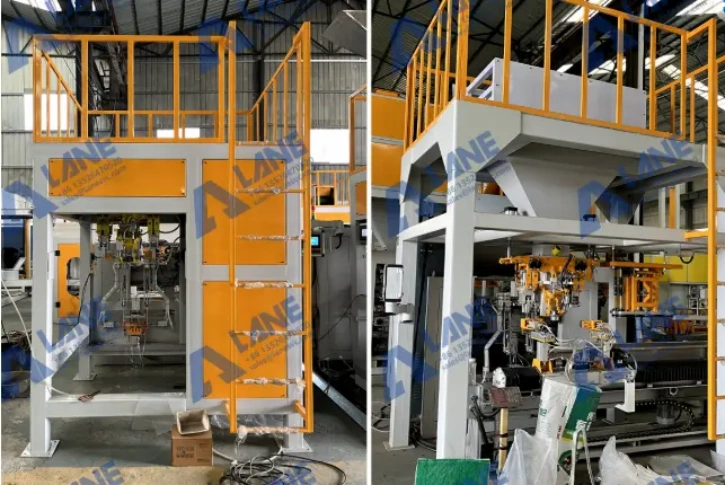
3. What Customers Actually Gain from Automation (Beyond Theory)
When evaluating production upgrades, customers are less concerned about “technology” and more focused on measurable results.
In practice, Cat Litter Equipment Automation and PLC Integration directly translates into measurable improvements in production efficiency and cost control.
🌟 ✦ Higher Production Efficiency
Automation allows continuous operation with minimal manual intervention. Equipment can run longer and more consistently than manual processes, significantly increasing output.
🌟 ✦ Stable and Consistent Product Quality
PLC systems ensure that every stage—from mixing to granulation—is precisely controlled, resulting in:
♡ uniform particle size
♡ consistent density
♡ stable moisture content
This consistency is critical for maintaining brand reputation in competitive markets.
🌟 ✦ Lower Labor Dependency
Automated systems handle repetitive tasks such as feeding, conveying, and packaging, reducing reliance on manual labor and lowering operational costs.
🌟 ✦ Reduced Waste and Better Resource Use
Precise control reduces material waste and minimizes off-spec products, improving overall production efficiency.
🌟 ✦ Safer and Cleaner Production Environment
Automation reduces direct human interaction with dust, heat, and heavy materials, improving workplace safety and environmental performance.
4. Where Automation Makes the Biggest Difference in the Production Line
Automation is not a single upgrade—it runs through the entire process.
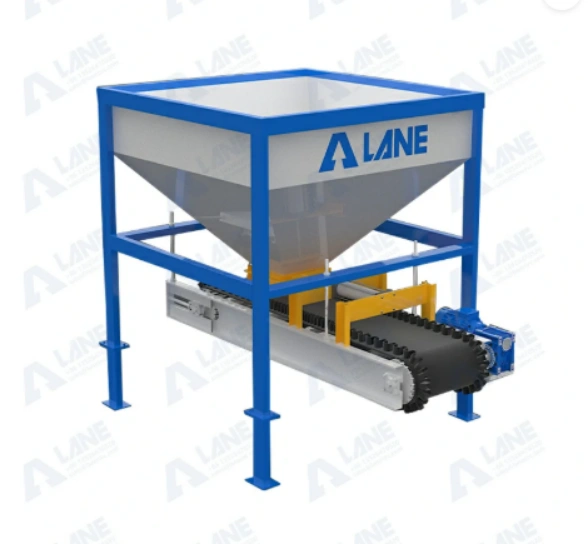
🐾 Raw Material Handling
♡ automatic feeding systems
♡ belt conveyors with controlled speed
♡ dust collection integration
These systems ensure stable material input and reduce manual handling errors. At this stage, Cat Litter Equipment Automation and PLC Integration ensures that raw materials are delivered consistently and accurately into the system.
🐾 Mixing Section (Quality Starts Here)
Using:
-
Horizontal Mixer
-
Twin Shaft Mixer
PLC systems ensure:
♡ accurate batching ratios
♡ controlled mixing time
♡ uniform material distribution
This is a critical stage where automation directly impacts final pellet quality. Proper Cat Litter Equipment Automation and PLC Integration allows precise control over mixing ratios and time, which is essential for consistent product quality.
🐾 Granulation Section
Disc granulators can be integrated into PLC systems to:
♡ adjust rotation speed
♡ control feeding rate
♡ stabilize pellet size
This significantly improves granulation efficiency and reduces rework. Through Cat Litter Equipment Automation and PLC Integration, granulation parameters can be adjusted in real time to maintain stable pellet size.
🐾 Drying and Cooling Section
Automation helps maintain optimal drying curves by:
♡ controlling temperature in real time
♡ preventing over-drying or under-drying
♡ reducing energy consumption
🐾 Screening and Packaging Section
PLC-controlled systems enable:
♡ precise particle grading
♡ automatic weighing
♡ high-speed packaging
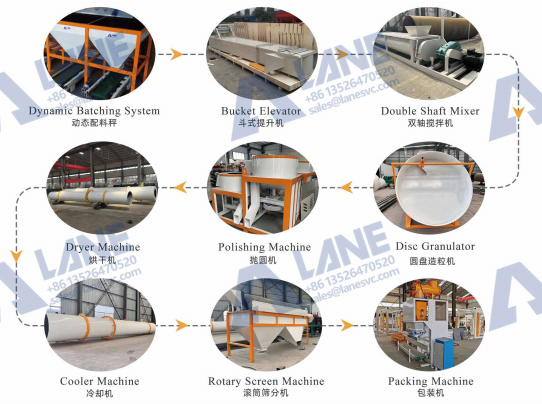
Full-process automation from raw material to packaging is now standard in advanced production lines.
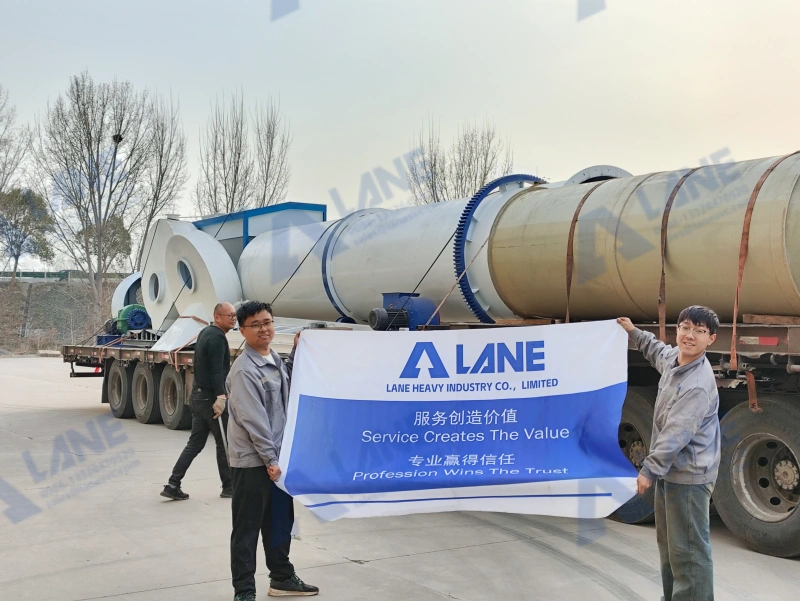
5. LANE’s Automation Philosophy: More Than Just Equipment
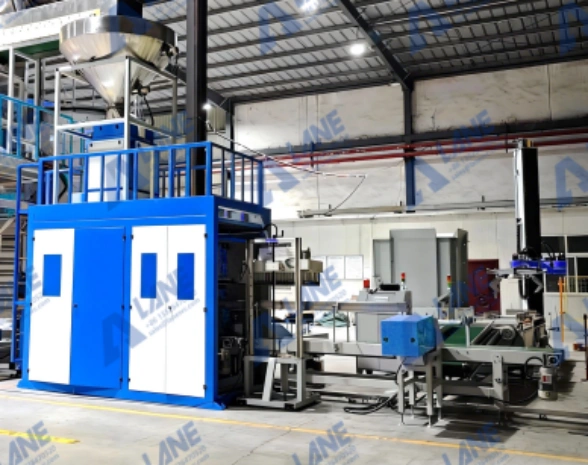
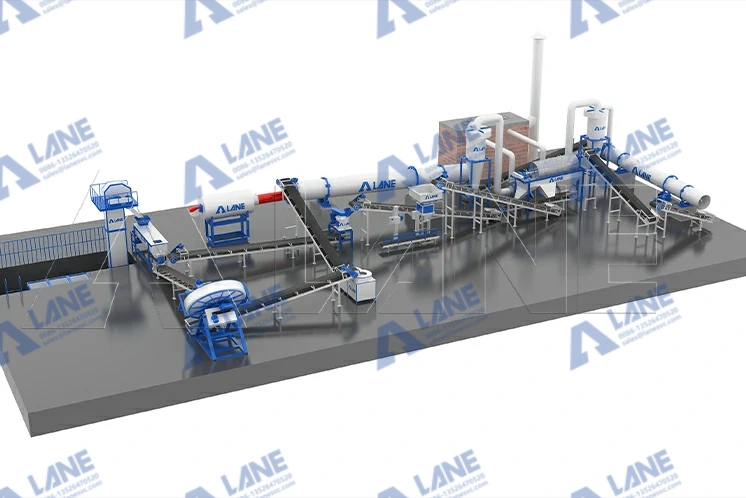
At LANE, automation is not simply about adding PLC systems—it is about designing a complete and coordinated production solution.
🌱 ✦ Integrated Equipment Design
We integrate all core equipment into one system:
-
mixers
-
granulators
-
dryers
-
screening machines
-
packing systems
This ensures smooth material flow and stable system operation.
🌱 ✦ Flexible PLC Control Systems
LANE’s PLC systems are designed to be:
♡ easy to adjust for different formulas
♡ adaptable to multiple cat litter types
♡ scalable for future capacity expansion
This flexibility allows manufacturers to respond quickly to market changes without major equipment replacement.
🌱 ✦ Long-Term Operational Support
Beyond equipment supply, LANE provides:
♡ installation and commissioning support
♡ operator training
♡ process optimization guidance
♡ after-sales technical service
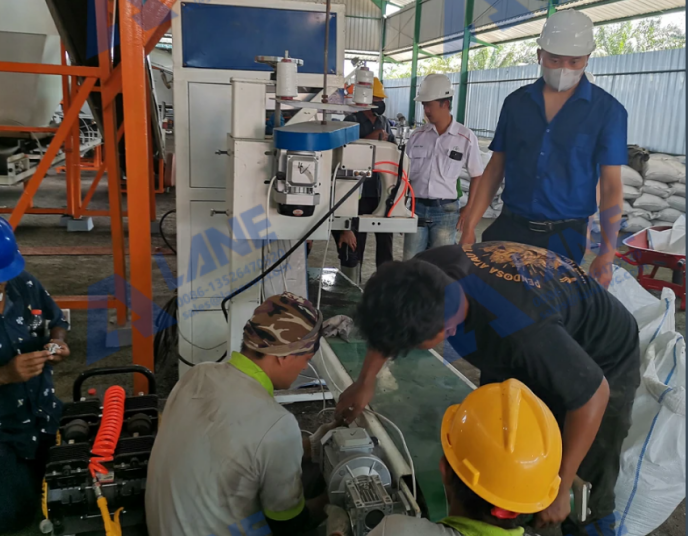
Our goal is to ensure that Cat Litter Equipment Automation and PLC Integration delivers long-term value, not just short-term performance. LANE focuses on delivering complete Cat Litter Equipment Automation and PLC Integration solutions rather than isolated equipment.
6. When Should You Consider Automation Upgrade?
Not every production line needs full automation immediately—but there are clear signs that indicate the right time:
✦ frequent production instability
✦ increasing labor costs
✦ inconsistent product quality
✦ difficulty expanding production capacity
If your factory is facing these challenges, upgrading to Cat Litter Equipment Automation and PLC Integration can significantly improve both efficiency and profitability.
7. Conclusion
As the cat litter industry continues to evolve, automation is no longer optional—it is becoming the standard for competitive manufacturing. Ultimately, investing in Cat Litter Equipment Automation and PLC Integration helps manufacturers achieve long-term operational stability and scalability.
By implementing Cat Litter Equipment Automation and PLC Integration, manufacturers can achieve:
✔ higher production efficiency
✔ consistent product quality
✔ reduced labor and operational costs
✔ scalable and future-ready production systems
With the right combination of equipment, system integration, and technical support, a traditional production line can be transformed into a modern, intelligent manufacturing solution.
For more details, please feel free to contact us.
Henan Lane Heavy Industry Machinery Technology Co., Ltd.
Email: sales@lanesvc.com
Contact number: +86 13526470520
Whatsapp: +86 13526470520