

Where a Cat Litter Drying Machine Fits in a Stable Production Process
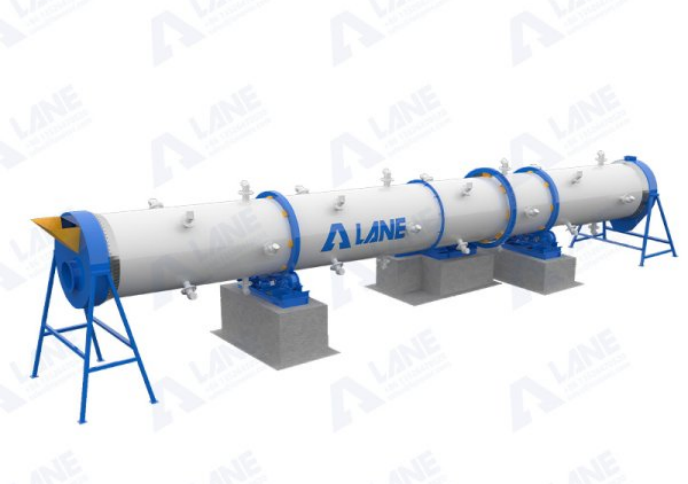
Where a Cat Litter Drying Machine Fits in a Stable Production Process
In cat litter manufacturing, drying is often underestimated. Many production lines treat drying as a simple thermal step—remove moisture, move material forward, and continue processing. In reality, drying plays a far more complex role. A well-integrated cat litter drying machine does not just reduce water content; it stabilizes granule structure, protects downstream equipment, and directly influences final product consistency.
When drying is poorly planned, problems rarely stay within the drying section. Instead, they spread across screening, cooling, packaging, and even storage. Understanding where a cat litter drying machine fits within the overall production process is essential for manufacturers aiming for long-term stability rather than short-term output.
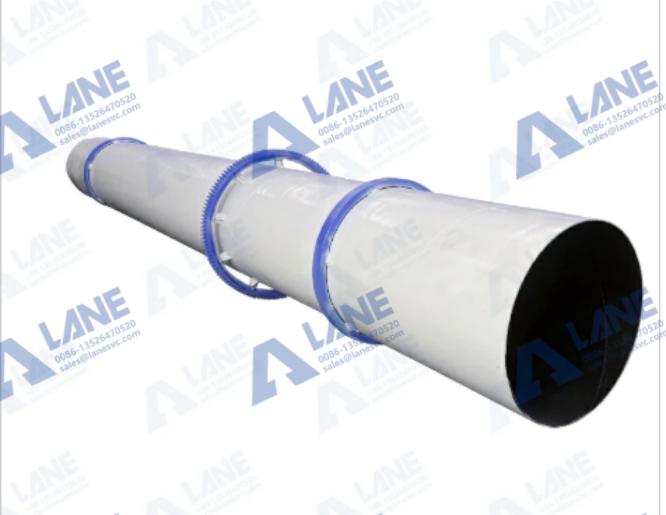
Why Drying Is Often the Bottleneck in Cat Litter Production
Unlike crushing or mixing, drying does not visibly “shape” the product. This makes it easy to overlook during early line design. However, many quality complaints—dust, broken granules, inconsistent weight, caking during storage—can be traced back to improper drying behavior.
A cat litter drying machine sits at a critical junction between material formation and finishing. If moisture is removed unevenly or too aggressively, granules may appear dry on the surface while remaining soft inside. If drying is insufficient, downstream screening and packaging suffer.
For this reason, drying often becomes the hidden bottleneck in cat litter production, limiting stable output even when upstream equipment performs well.
Moisture Control Challenges Before and After Granulation
Moisture is not a fixed value in cat litter processing. Raw materials arrive with varying water content. Mixing introduces additional liquid. Granulation depends on controlled moisture to bind particles together.
By the time material reaches the cat litter drying machine, moisture distribution is already uneven. Some granules may be compact and wet, while others are loose and relatively dry. Drying must address this variability rather than assume uniform input.
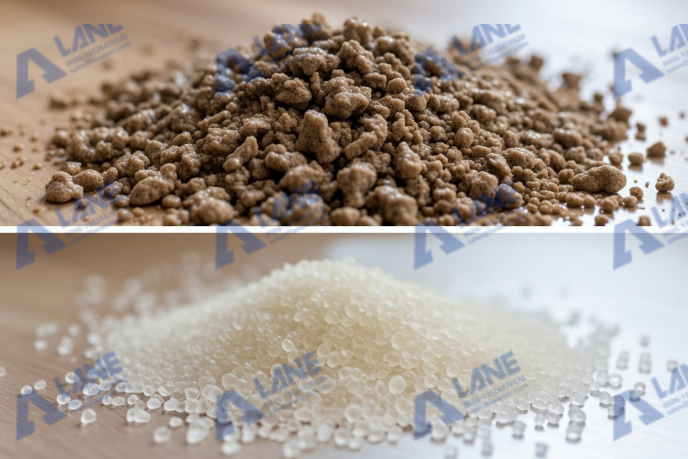
After drying, moisture control remains equally important. Over-dried material becomes brittle, increasing breakage during screening and conveying. Under-dried material leads to clumping, microbial risk, and packaging instability. This is why drying must be viewed as a balancing process rather than a simple reduction step.
Common Drying Issues That Affect Final Litter Quality
Many production problems originate not from the absence of drying, but from poorly coordinated drying.
One frequent issue is surface drying. Granules exit the cat litter drying machine with a dry exterior but retain moisture internally. These granules often break during cooling or packaging, generating fines and dust.
Another issue is uneven residence time. When material flows inconsistently through the drying section, some granules receive excessive heat while others remain damp. This creates wide quality variation within the same batch.
Odor retention can also be linked to drying. Incomplete moisture removal allows volatile compounds to persist, especially in plant-based or tofu-based litter formulations.
These problems highlight why drying performance must be evaluated in relation to the entire process, not as an isolated machine function.
How a Cat Litter Drying Machine Works with Other Equipment
A cat litter drying machine cannot operate effectively on its own. Its performance depends heavily on upstream preparation and downstream coordination.
Upstream, consistent mixing and granulation reduce moisture extremes and improve drying efficiency. Downstream, cooling and screening must be aligned with drying output to prevent thermal shock or mechanical stress.
In well-designed lines, the drying section is treated as a transition zone rather than a terminal step. Moisture targets are set based on what downstream equipment can handle reliably, not solely on what the drying machine can achieve.
This systems-based approach is where equipment combinations matter. Drying efficiency improves significantly when the cat litter drying machine is selected and configured alongside granulators, coolers, and screeners as part of a coordinated solution. Manufacturers that provide complete cat litter production lines usually evaluate moisture targets together with upstream forming and downstream cooling, rather than treating the drying machine as an isolated unit.
Building a Balanced Drying Section Instead of Chasing Heat Output
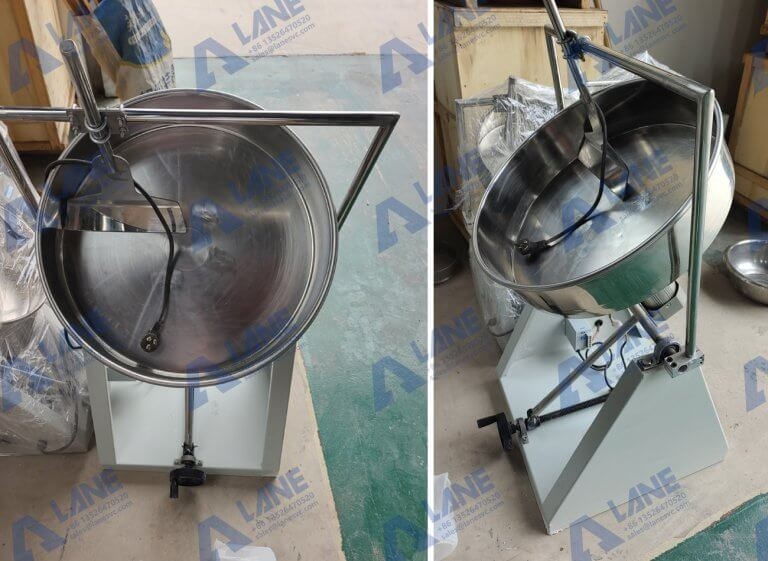
A common misconception is that higher temperature equals better drying. In reality, excessive heat often causes more harm than good.
Aggressive drying can weaken granule structure, leading to breakage later in the process. It also increases energy consumption and accelerates equipment wear. Balanced drying focuses on uniform moisture reduction rather than maximum evaporation speed.
Different cat litter formulations require different drying rhythms. Bentonite-based products tolerate higher thermal loads, while plant-based or mixed formulations demand gentler, more controlled drying profiles.
A properly designed cat litter drying machine setup emphasizes consistency, residence time control, and airflow balance rather than raw thermal power.
Process-Level Thinking in Cat Litter Drying Design
Manufacturers who approach drying from a process perspective tend to experience fewer long-term issues. Instead of asking how powerful the drying machine is, they ask how drying supports overall production stability.
This mindset shifts attention toward material flow, moisture balance, and integration with adjacent equipment. It also encourages planning for future expansion, automation, or formulation changes.
At this level, a cat litter drying machine becomes part of a broader engineering decision rather than a standalone purchase.
How LANE Approaches Cat Litter Drying at the Process Level
As a manufacturer of cat litter, fertilizer, and bulk material processing equipment, LANE approaches drying from the standpoint of system reliability. Rather than focusing solely on individual machines, we evaluate how each section contributes to stable, continuous operation.
In cat litter projects, drying is planned alongside mixing, granulation, cooling, and screening to ensure that moisture targets align with real production conditions. The cat litter drying machine is selected and configured as part of this coordinated process, not as an isolated component.
This approach helps manufacturers reduce trial-and-error adjustments after installation and achieve consistent quality earlier in the production lifecycle.
Conclusion: Designing Drying as Part of the Production System
Drying is not merely a step to remove water—it is a stabilizing force within the cat litter production line. When properly planned, a cat litter drying machine supports granule integrity, protects downstream equipment, and improves overall process reliability.
Manufacturers who treat drying as part of a coordinated system rather than a standalone operation are better positioned to achieve consistent quality and scalable output. By focusing on process integration and long-term stability, drying becomes a strength rather than a bottleneck in cat litter production.
For more details, please feel free to contact us.
Henan Lane Heavy Industry Machinery Technology Co., Ltd.
Email: sales@lanesvc.com
Contact number: +86 13526470520
Whatsapp: +86 13526470520